Why Is My Car Check Engine Light Flashing: Act Now
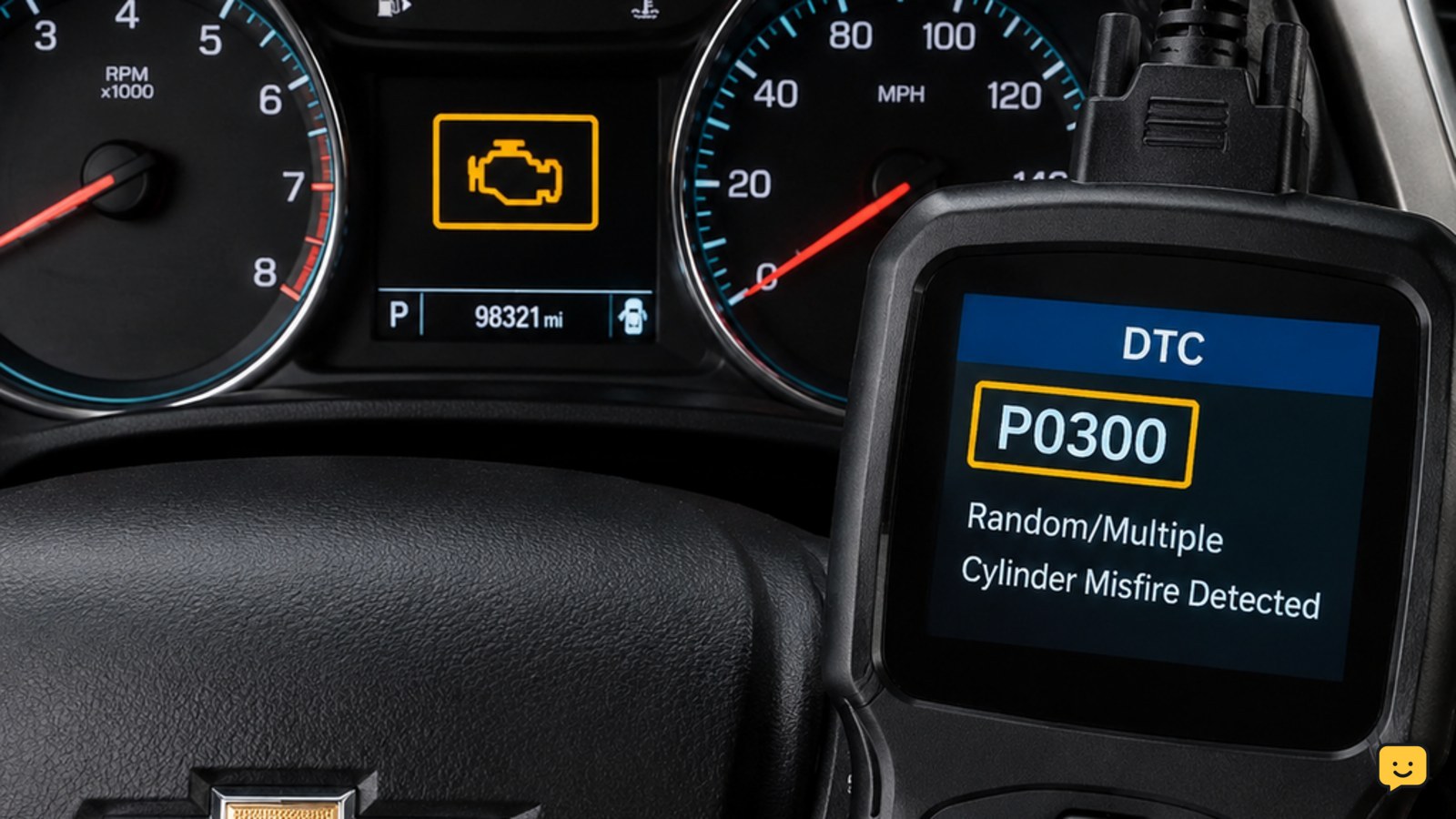
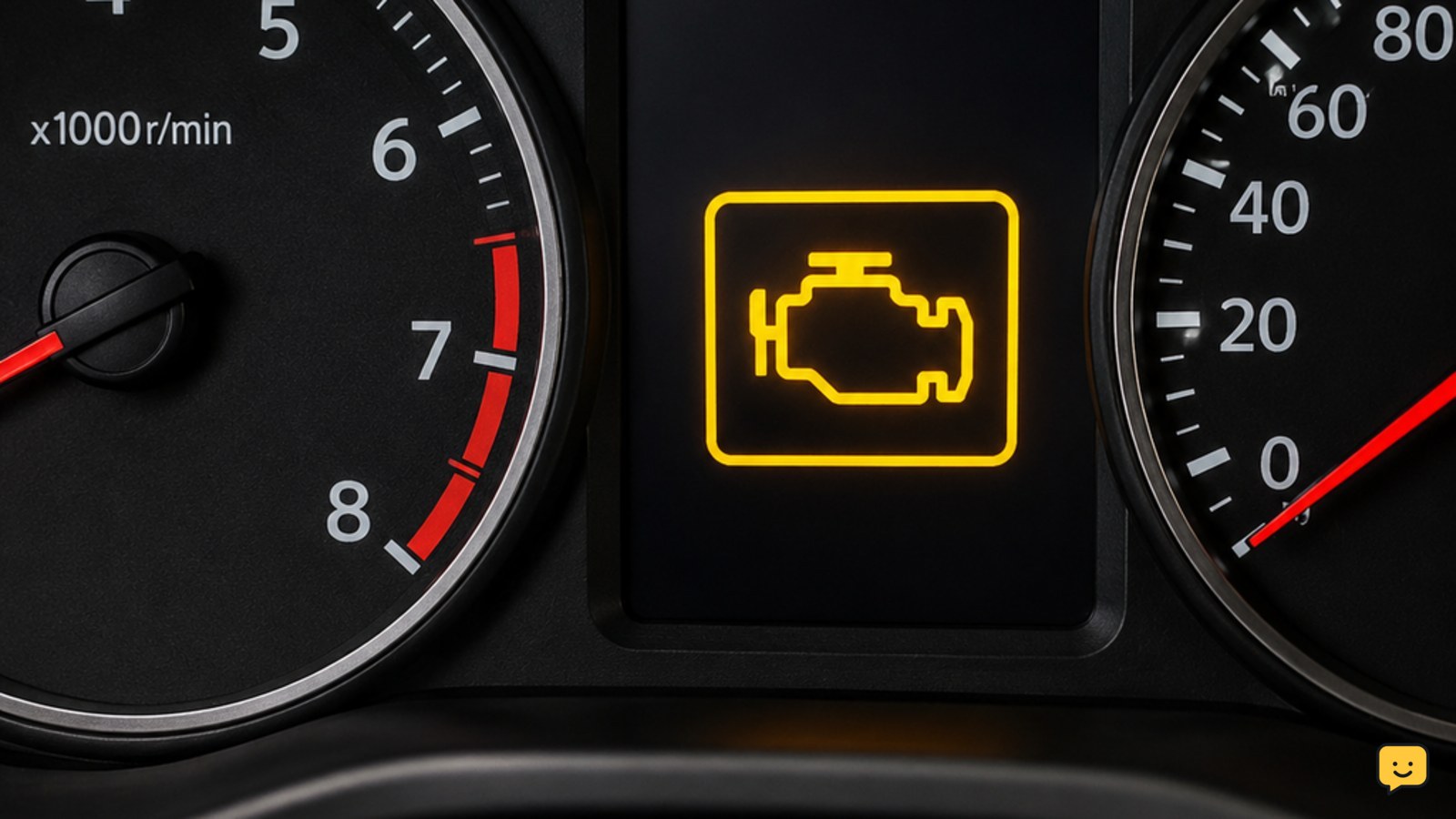
A flashing check engine light can signal an active misfire. Learn when to stop, what to check safely, and how to arrange diagnosis without risking damage.
Diagnose common car maintenance and repair problems with practical guides for warning lights, fluids, tires, brakes, batteries, starting and everyday vehicle care.
A flashing check engine light can signal an active misfire. Learn when to stop, what to check safely, and how to arrange diagnosis without risking damage.
Car windshield washer fluid not spraying? Check the reservoir, frozen or blocked lines, pump sound, hose connections, nozzles, and fuse before repair. Use safe.
Car key fob not detected? Replace the coin battery, try the backup start position, reduce interference, and know when the fob or vehicle needs service before.
A soft or spongy brake pedal can mean air, low fluid, a leak, or hydraulic trouble. Use safe checks and know when to stop driving before repair.
A dropping coolant level with no visible leak can mean a hidden hose leak, heater-core leak, trapped air, or internal engine problem. Check safely before.
Exhaust smell inside the cabin can mean dangerous fumes are entering your car. Ventilate, leave safely, find likely leak areas, and arrange a repair.
A vibrating steering wheel at highway speeds often points to wheel balance, tire damage, alignment, or suspension trouble. Use symptoms to narrow it down.
Find out why your car oil pressure light comes on at idle. Check the oil safely, identify sensor or engine problems, and know when to stop driving.
Find out why a car window goes down but will not roll up. Use switch, motor, regulator, fuse, and wiring symptoms to choose the right repair.
A single click with no engine crank usually points to the battery, starter, or cable connections. Use sound, voltage, and jump-start checks to narrow it down.