Skip to content
ShowU

Career & Workplace

Job, interview, productivity and workplace process guides.

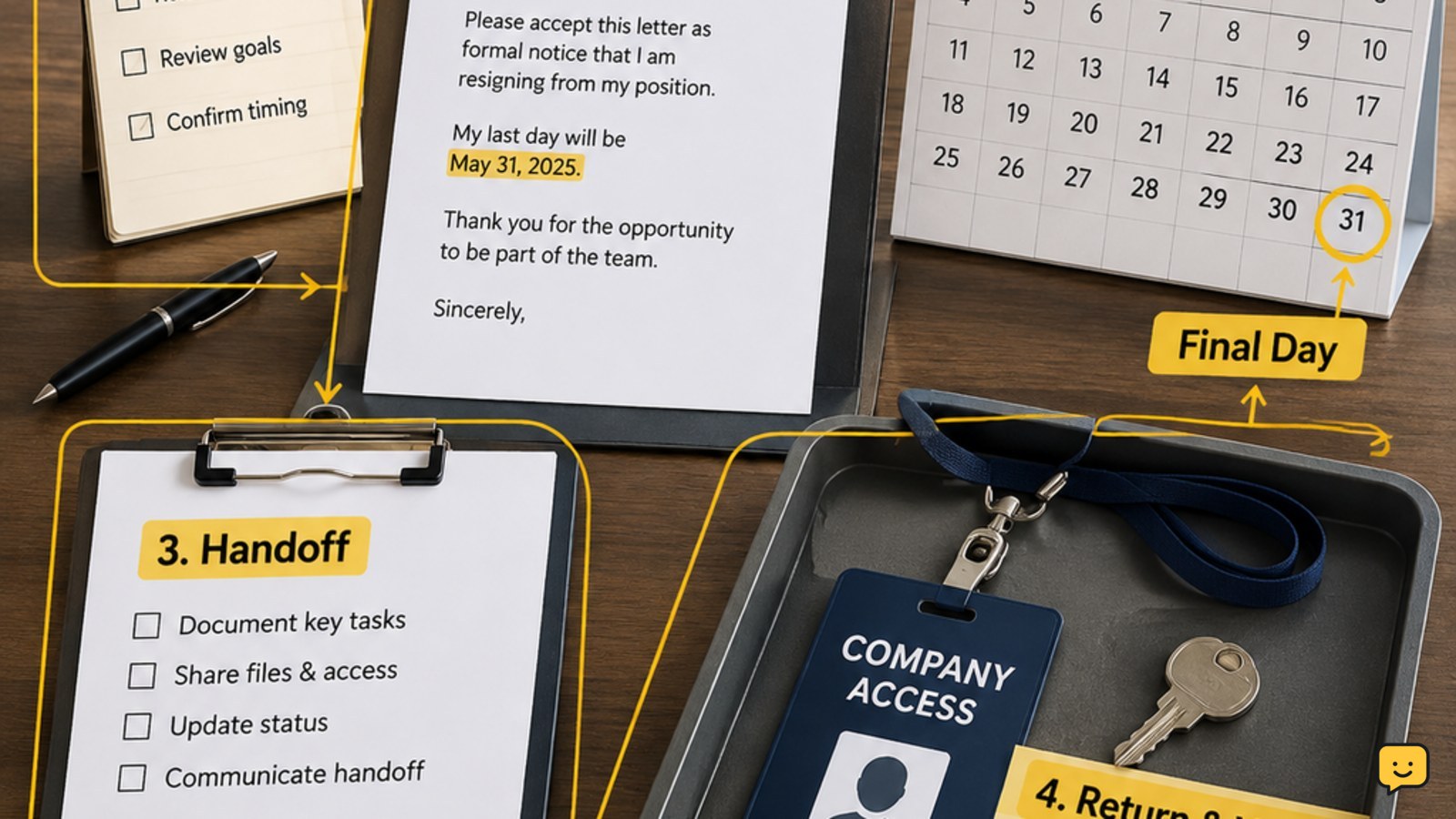
Desk workspace with a resignation checklist, dated letter, handoff tracker, and returned company badge
Career & Workplace

How to Quit a Job: Leave Professionally

To quit a job professionally, review your contract and workplace policy, decide on your intended last day, tell your manager directly, and send a short written resignation. Keep the explanation brief, document the handoff, return company property, and confirm final pay, benefits, records, and system access. If the workplace is unsafe, prioritize your safety before ordinary notice etiquette.
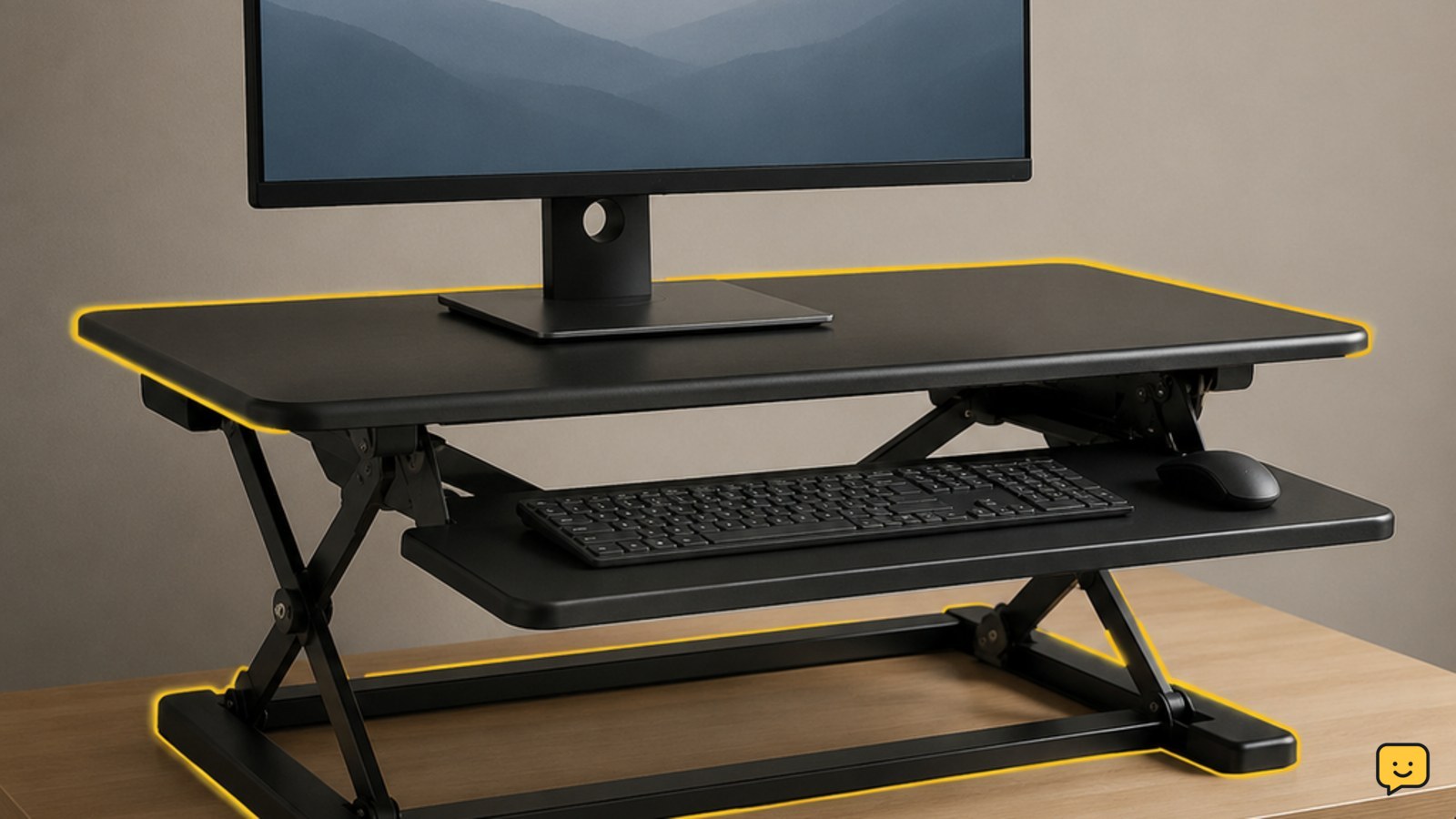
Height-adjustable desk riser positioned on top of an existing desk with a monitor, keyboard, and mouse
Career & Workplace

What Is a Riser Desk: Practical Setup Guide

A riser desk is a height-adjustable platform that sits on top of a desk you already own. It raises your monitor, keyboard, and mouse so you can alternate between sitting and standing. It is also called a desk riser, desk converter, or standing desk converter. Unlike a full standing desk, it does not replace the original desk.

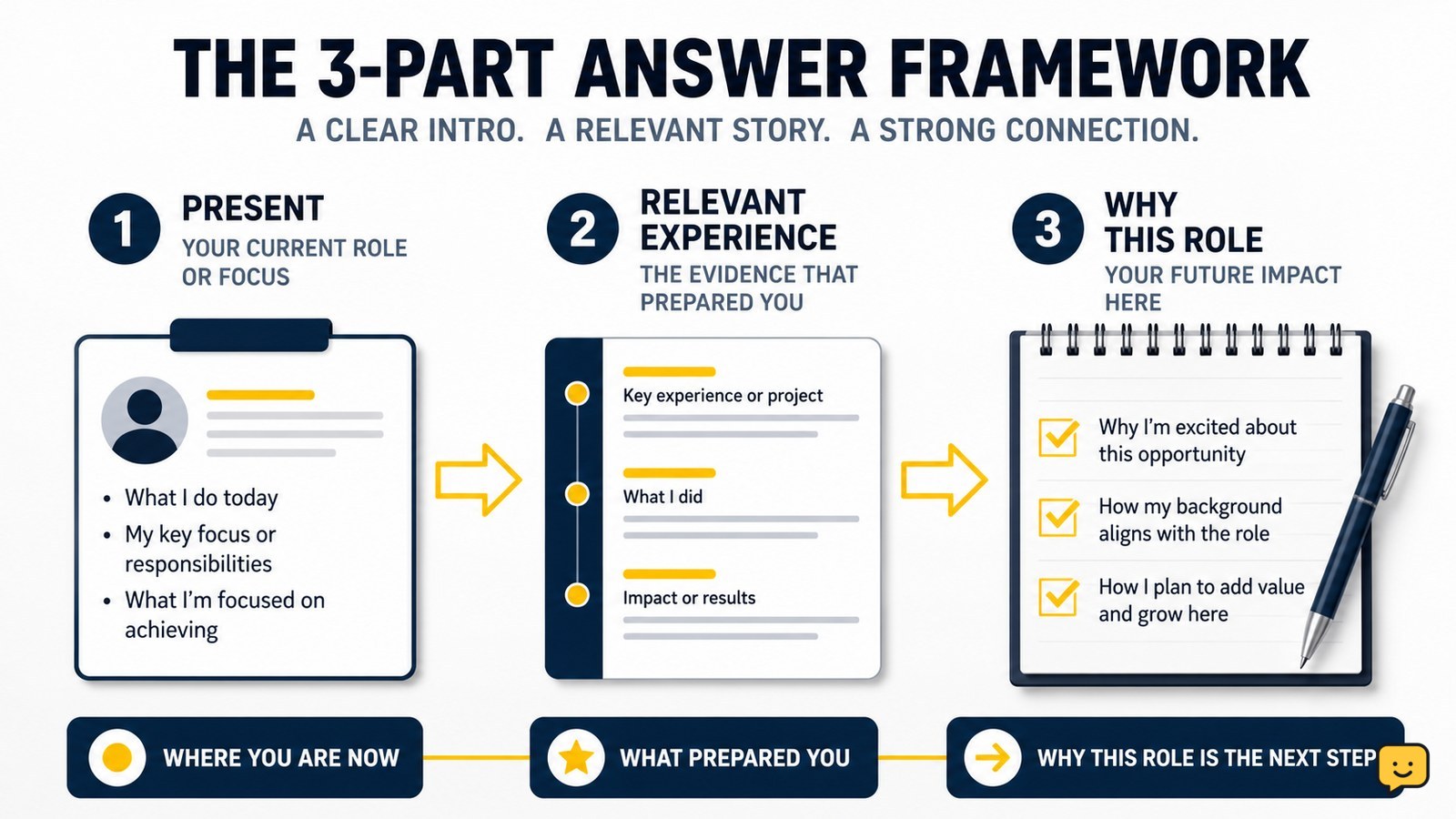
Three-part interview introduction framework linking current focus, relevant experience, and future role fit
Career & Workplace

How to Answer Tell Me About Yourself in an Interview

Answer with a brief, job-focused summary: start with what you do now, mention two or three relevant achievements or strengths from your background, then explain why this role interests you. Keep the response conversational and concise, usually about one to two minutes. End with a detail that gives the interviewer a natural follow-up question.

What Does a Paralegal Do? Legal Work Explained
Career & Workplace

What Does a Paralegal Do? Legal Work Explained

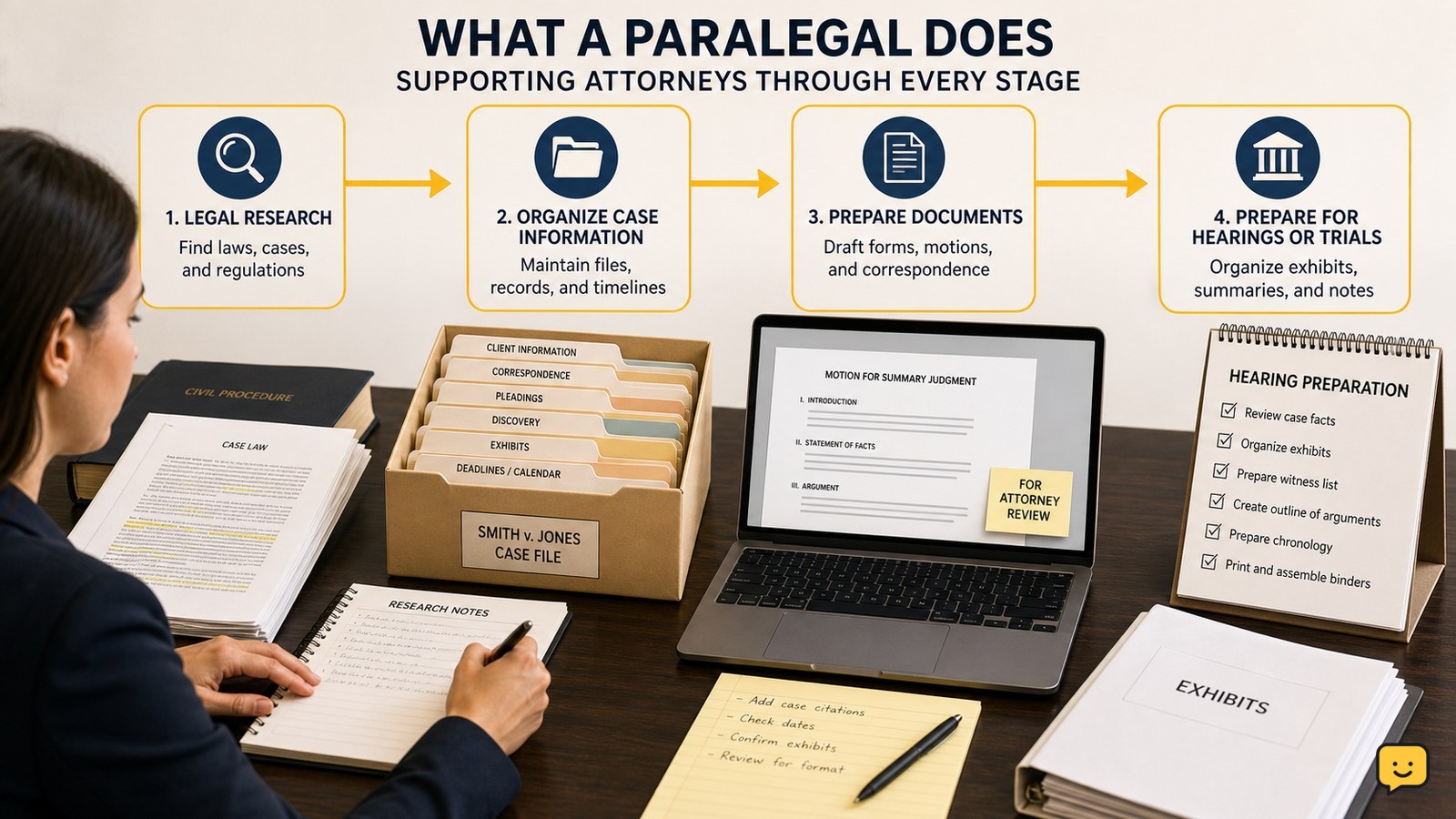
A paralegal supports lawyers with legal research, case-file organization, document preparation, filing coordination, and communication with clients, courts, witnesses, and other parties. Paralegals may help prepare for hearings and trials, but they generally do not act as the lawyer, give independent legal advice, or represent clients in court. Duties vary by employer and jurisdiction.