Skip to content
ShowU

Sports & Recreation

Beginner-friendly recreational sport, music and skill guides.

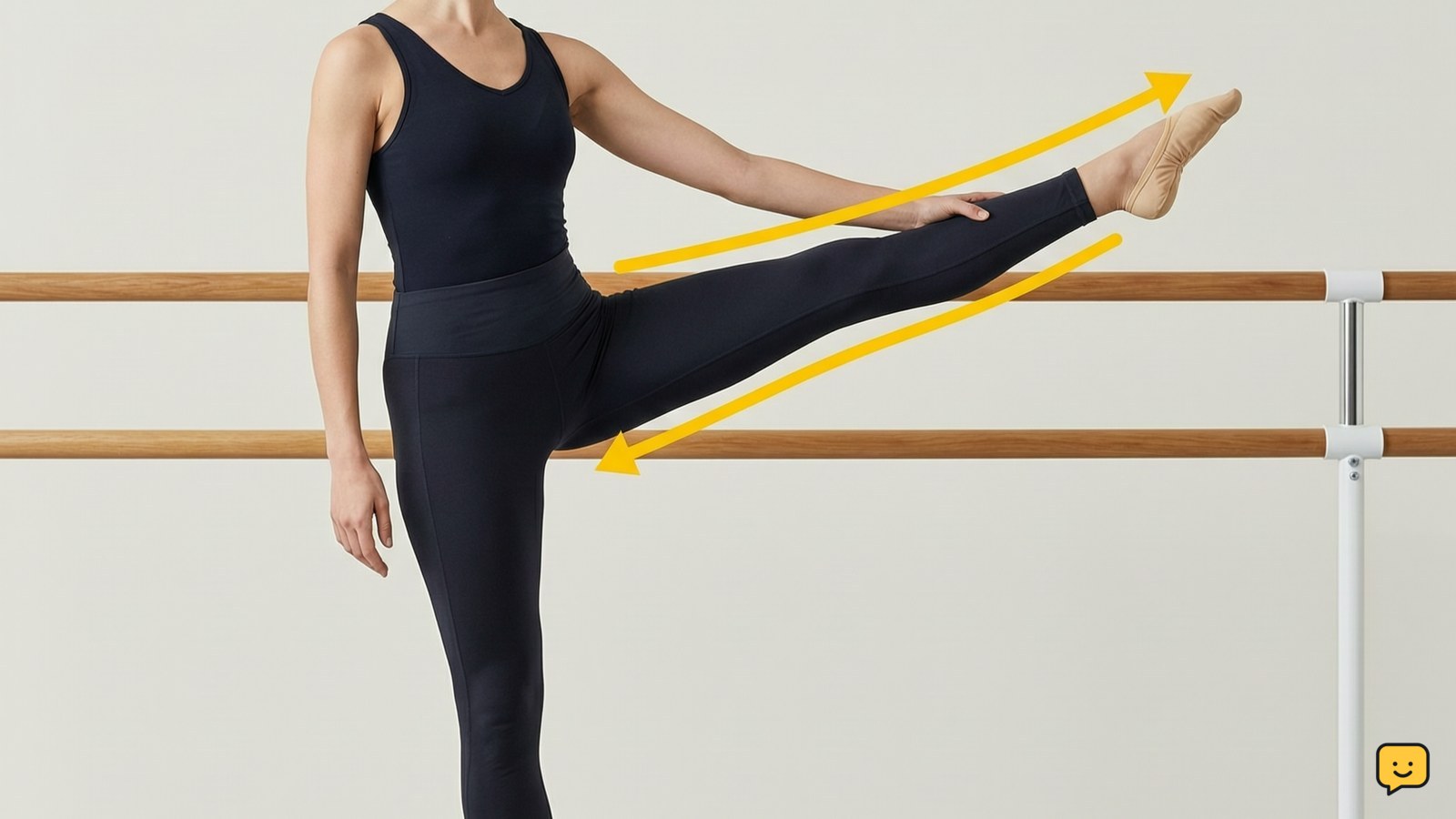
Dancer practising a controlled standing leg lift beside a barre during a warm-up
Sports & Recreation

How to Improve Flexibility for Dancing: Safe Progress

To improve flexibility for dancing, warm up first, practise active mobility, strengthen the end ranges you use, then hold gentle static stretches when your muscles are warm. Train consistently rather than forcing splits, and measure progress by smoother, controlled movement. Stop for sharp pain, joint pinching, numbness or a new injury symptom.

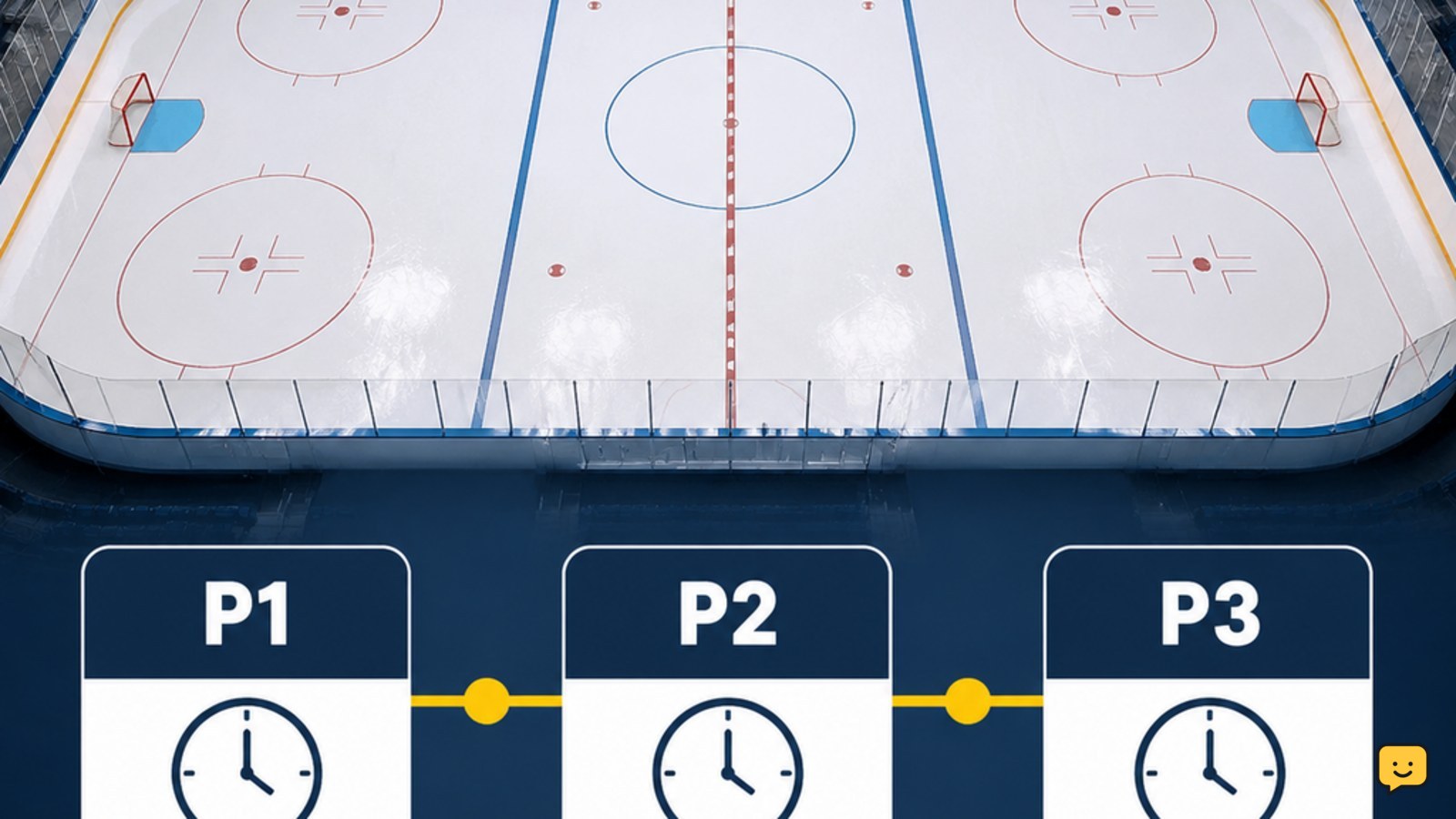
Ice hockey rink with a timeline showing three regulation periods
Sports & Recreation

How Many Periods in Hockey: Game Format

Ice hockey has three regulation periods, and each period is normally 20 minutes long, for 60 minutes of scheduled playing time. If the score is tied after the third period, the game may continue into overtime, but overtime is extra play rather than one of the three regulation periods. Exact overtime and interval rules depend on the competition.

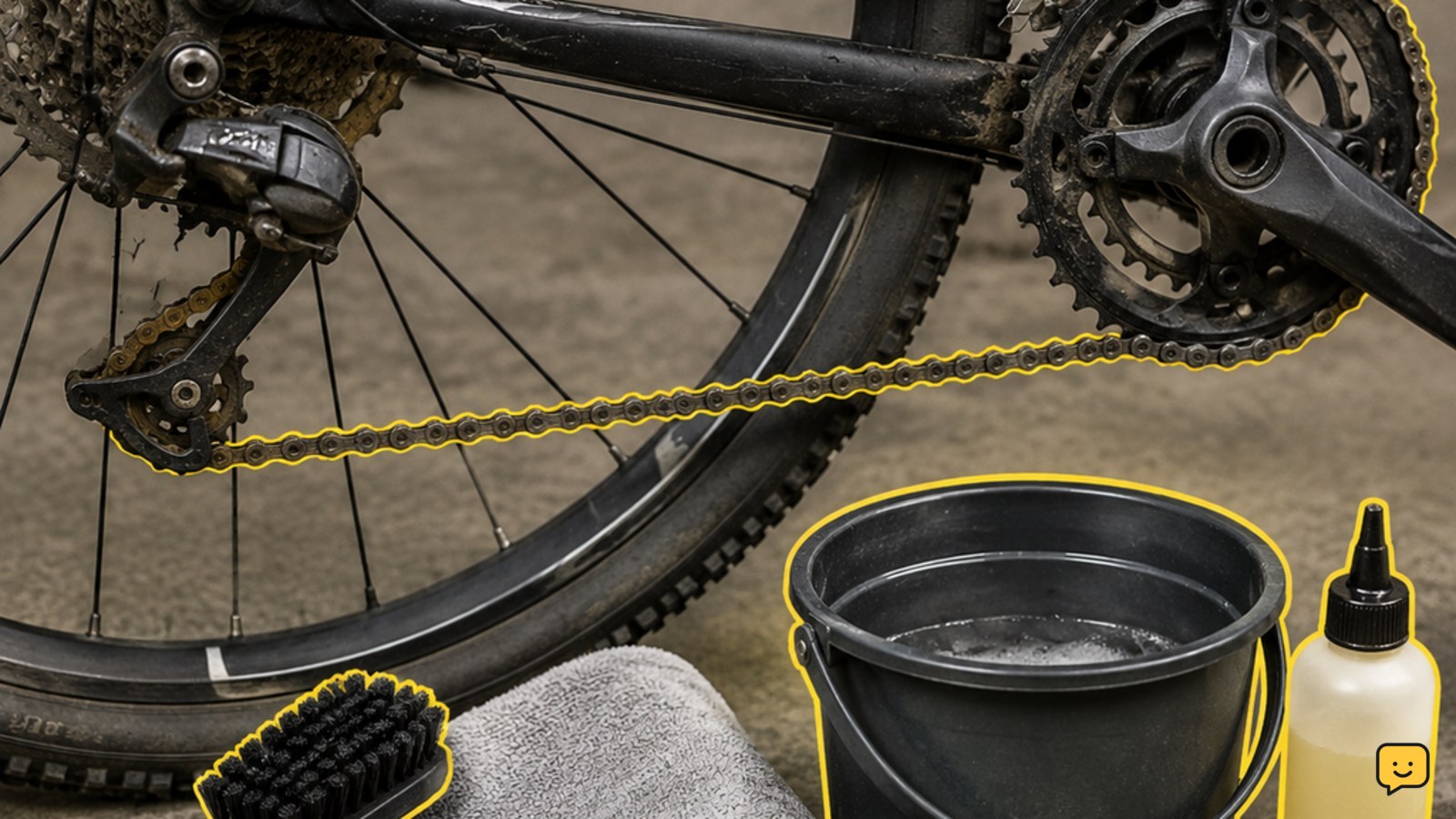
Bicycle drivetrain with a dirty chain, cleaning brush, rag, bucket and chain lubricant
Sports & Recreation

How to Clean a Bike Chain: Smooth Shifting

To clean a bike chain, shift onto an easy-to-reach gear, wipe off loose grime, scrub the links with a firm brush and bike-safe cleaner, then wipe and dry the chain completely. Apply lubricant to the chain links, rotate the cranks, and wipe away all excess. Stop if links remain stiff, damaged or heavily rusted.

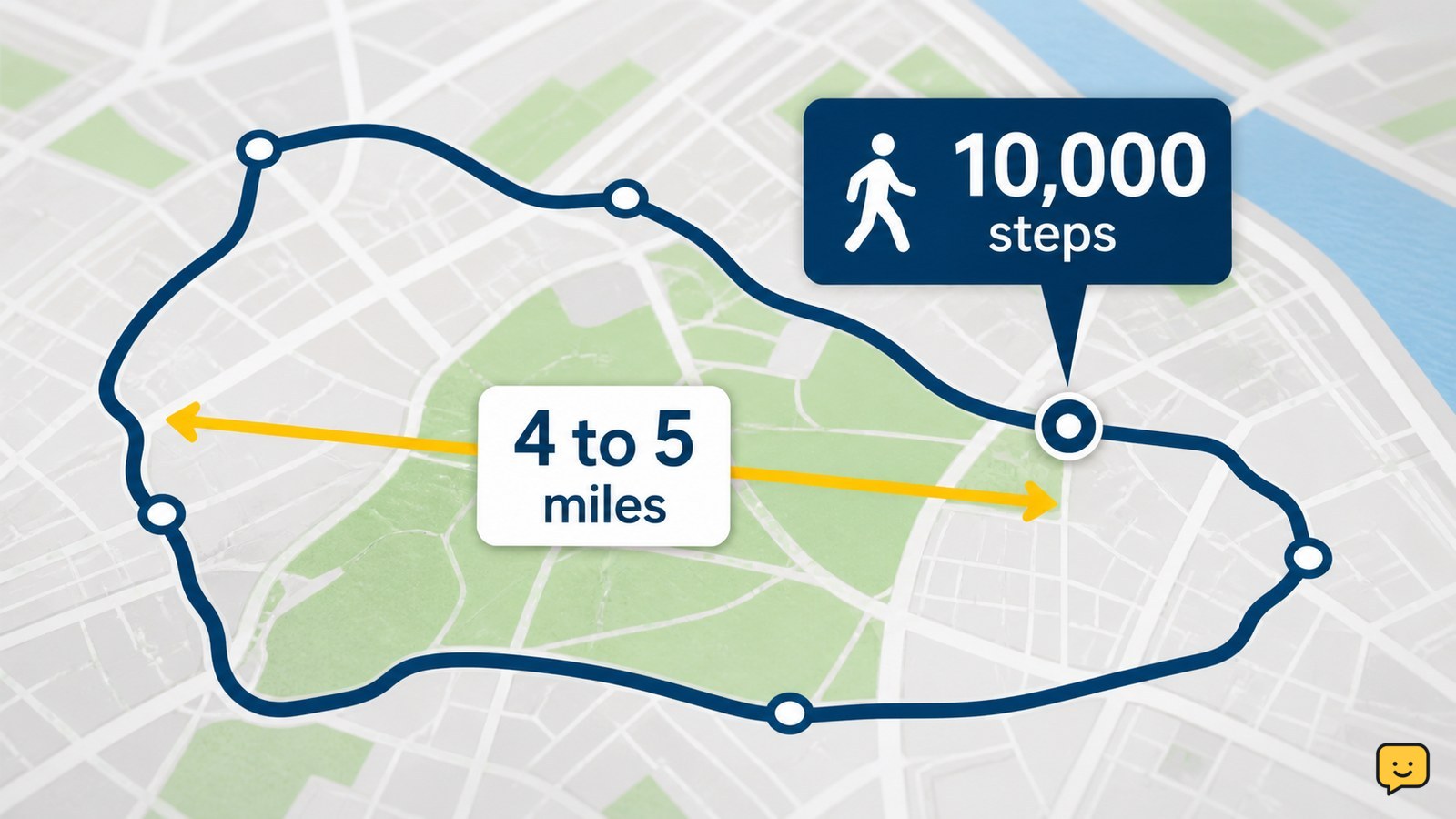
Walking route distance marker showing the typical 4 to 5 mile range for 10,000 steps
Sports & Recreation

How Many Miles Is 10000 Steps? Find Your Range

10,000 steps is approximately 4 to 5 miles for most people. The exact distance varies with stride length, height, and walking pace. A person with shorter steps may cover less than 4 miles, while someone with a longer stride may exceed 5 miles. Use a measured route or calibrated tracker for your personal result.

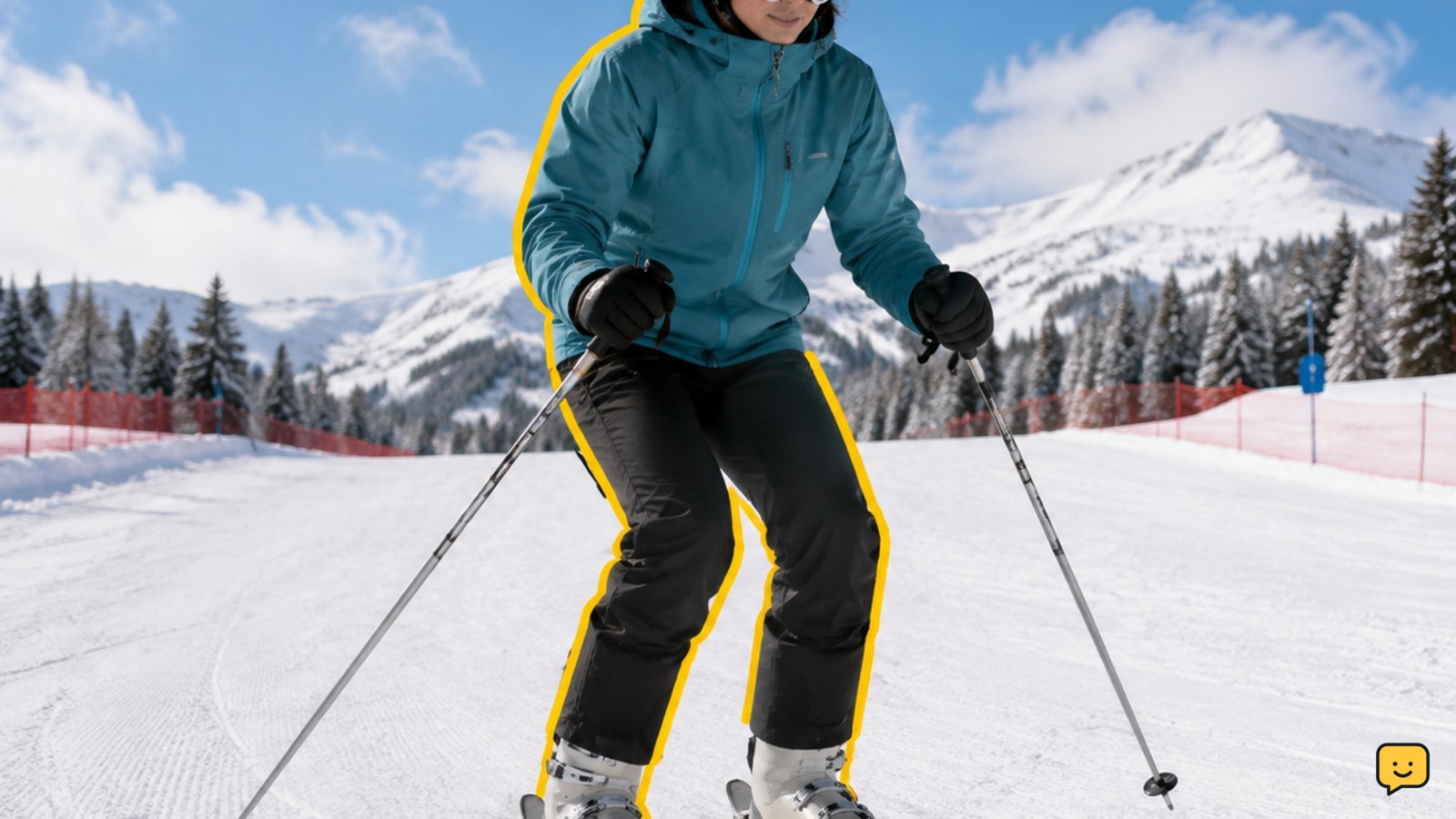
Beginner skier in a balanced athletic stance on a gentle marked ski slope
Sports & Recreation

How to Ski: Learn to Control Your Speed

To learn how to ski, take a beginner lesson, use properly fitted skis and boots, and start on a flat practice area or gentle beginner slope. Keep your shins against the boot tongues, knees relaxed, and hands forward. Practise gliding, stopping with a wedge, and turning both directions before using a lift or steeper terrain.

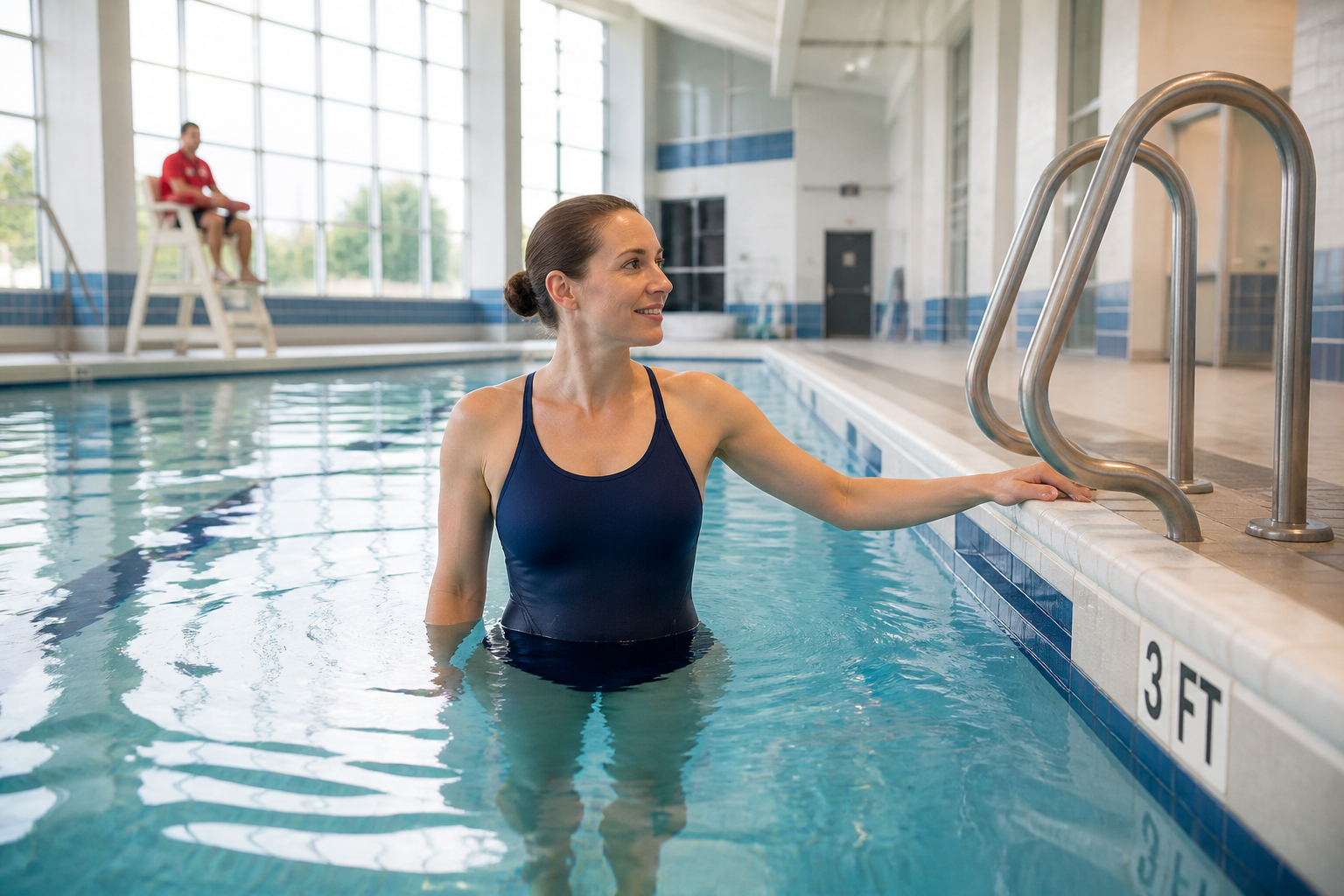
Beginner swimmer standing safely in shallow supervised pool water beside the exit ladder.
Sports & Recreation

How to Swim: Learn Basic Swimming Skills

To learn how to swim, start in shallow, supervised water with a qualified instructor or capable swimming partner. Practise floating, putting your face in the water, exhaling, kicking and returning to a standing position. Then combine those skills into a simple front crawl or backstroke. Stay close to safety equipment and do not practise alone or in water over your ability.

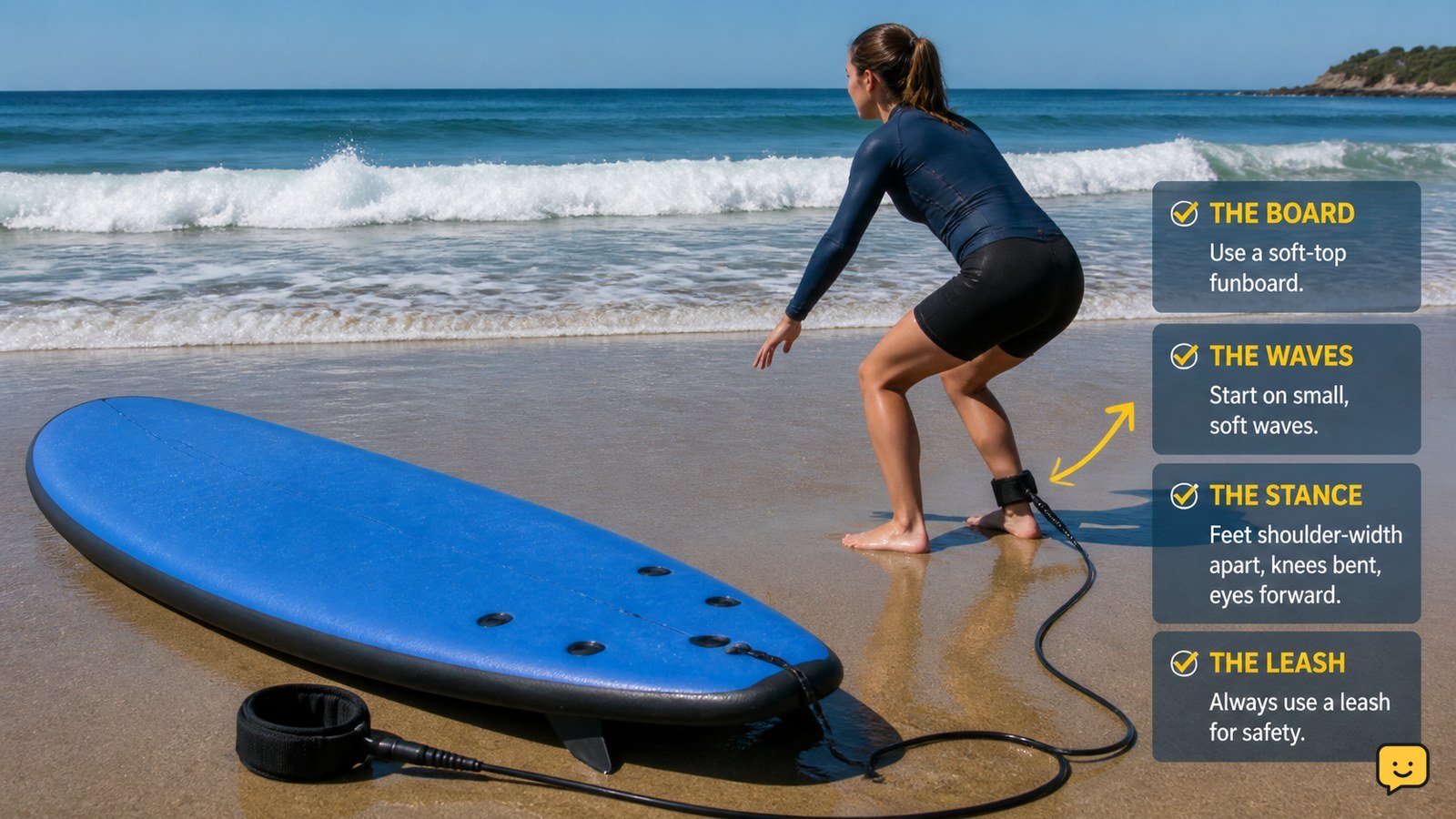
Beginner surfer on a soft-top board near a small beach break with a leash attached.
Sports & Recreation

How to Surf: Start on Small, Soft Waves

Start on a small, forgiving beach break with a soft-top board, a leash, and someone who can keep an eye on you. Paddle hard, catch whitewater first, then pop up with your hands under your shoulders and your feet centered on the board. If the current, crowd, or your fatigue gets ahead of you, stop for the day.

How to Snowboard: Learn Your First Turns
Sports & Recreation

How to Snowboard: Learn Your First Turns

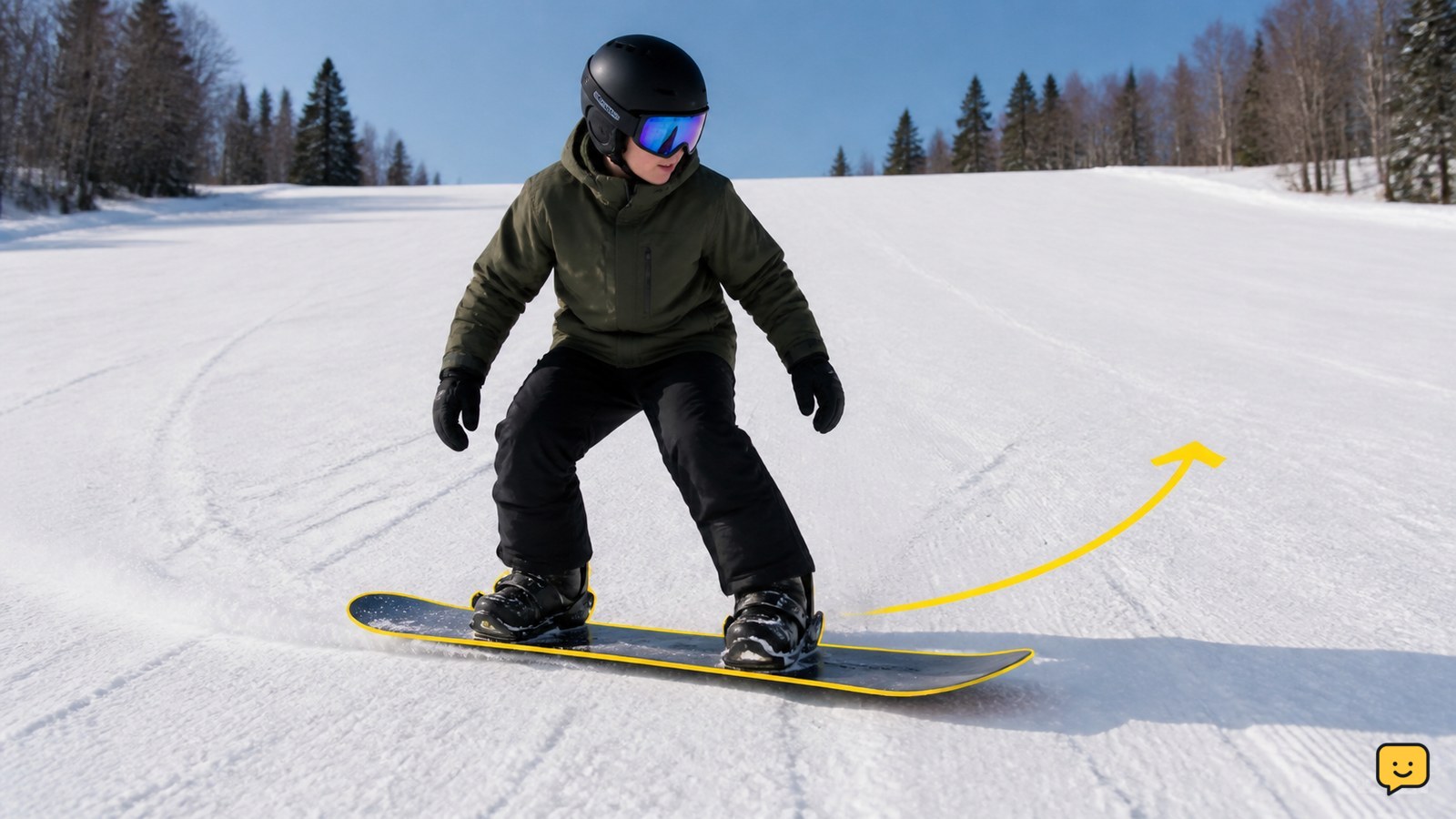
To learn how to snowboard, take a beginner lesson, wear a helmet and use a gentle open slope. Start with your stance and balance, then practice skating with one foot strapped in. Learn to stop on your heel edge and toe edge before making J-turns. Link turns only when you can control speed and stop consistently.