Skip to content
ShowU

Gardening

Planting, watering, seasonal care and common garden-task guides.

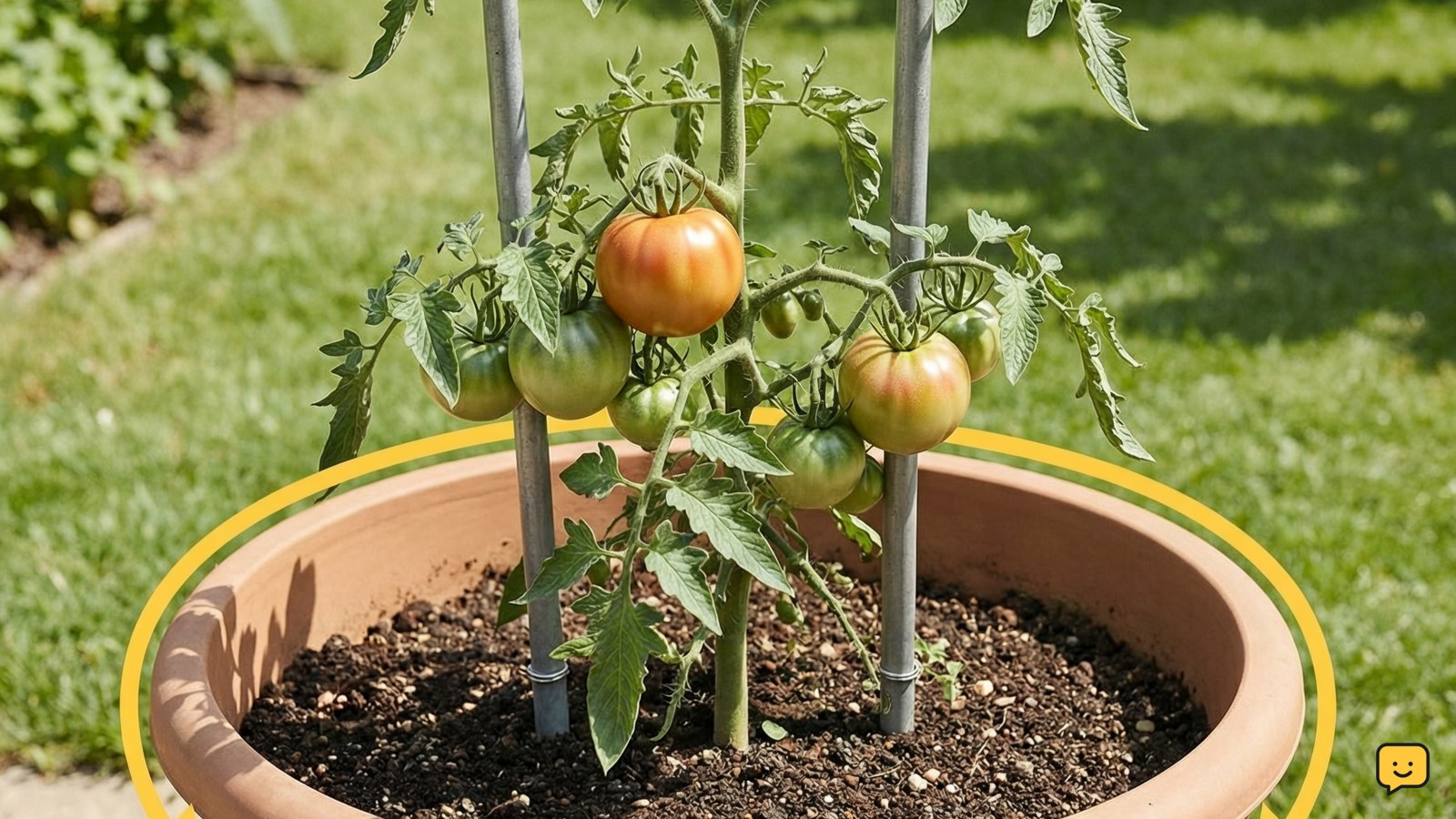
Healthy tomato plant growing in a supported pot in a sunny outdoor location
Gardening

How to Grow Tomatoes in Pots: Bigger Harvests

To grow tomatoes in pots, choose a container tomato variety, use the largest pot you can manage with drainage holes, fill it with quality potting mix, and place it in a sunny spot. Water when the surface begins to dry, feed according to the product label, and add support before the plant becomes top-heavy.
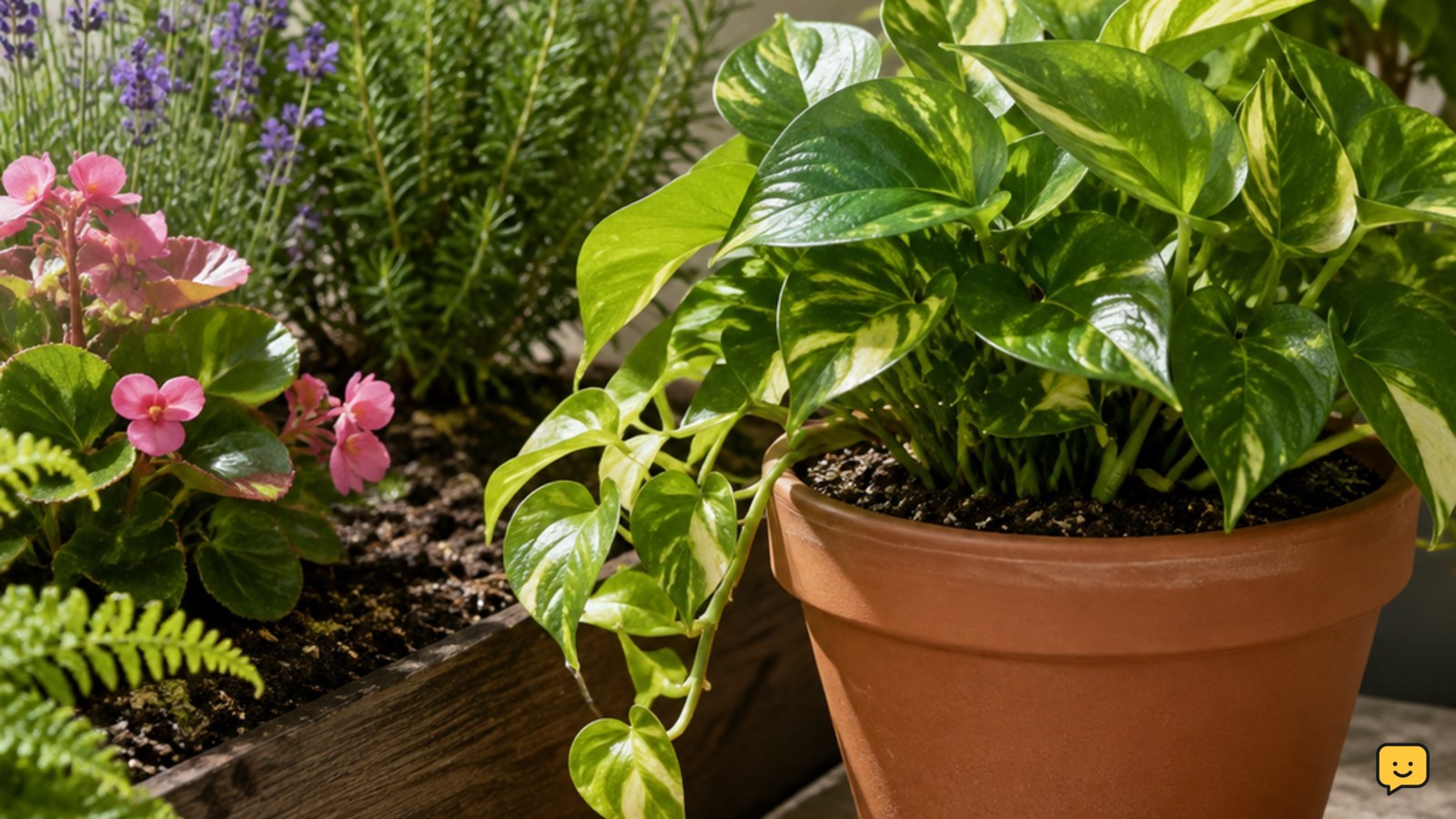
Healthy container and garden plants growing in suitable light with clear soil and drainage conditions
Gardening

How to Keep Plants Alive: Simple Care

To keep plants alive, identify the plant's light and water needs, place it where those needs match, and use soil and containers that drain freely. Check the soil before watering instead of following a fixed schedule. Water thoroughly when the plant needs it, remove dead growth, inspect for pests, and adjust care during heat, rain, frost, and winter dormancy.

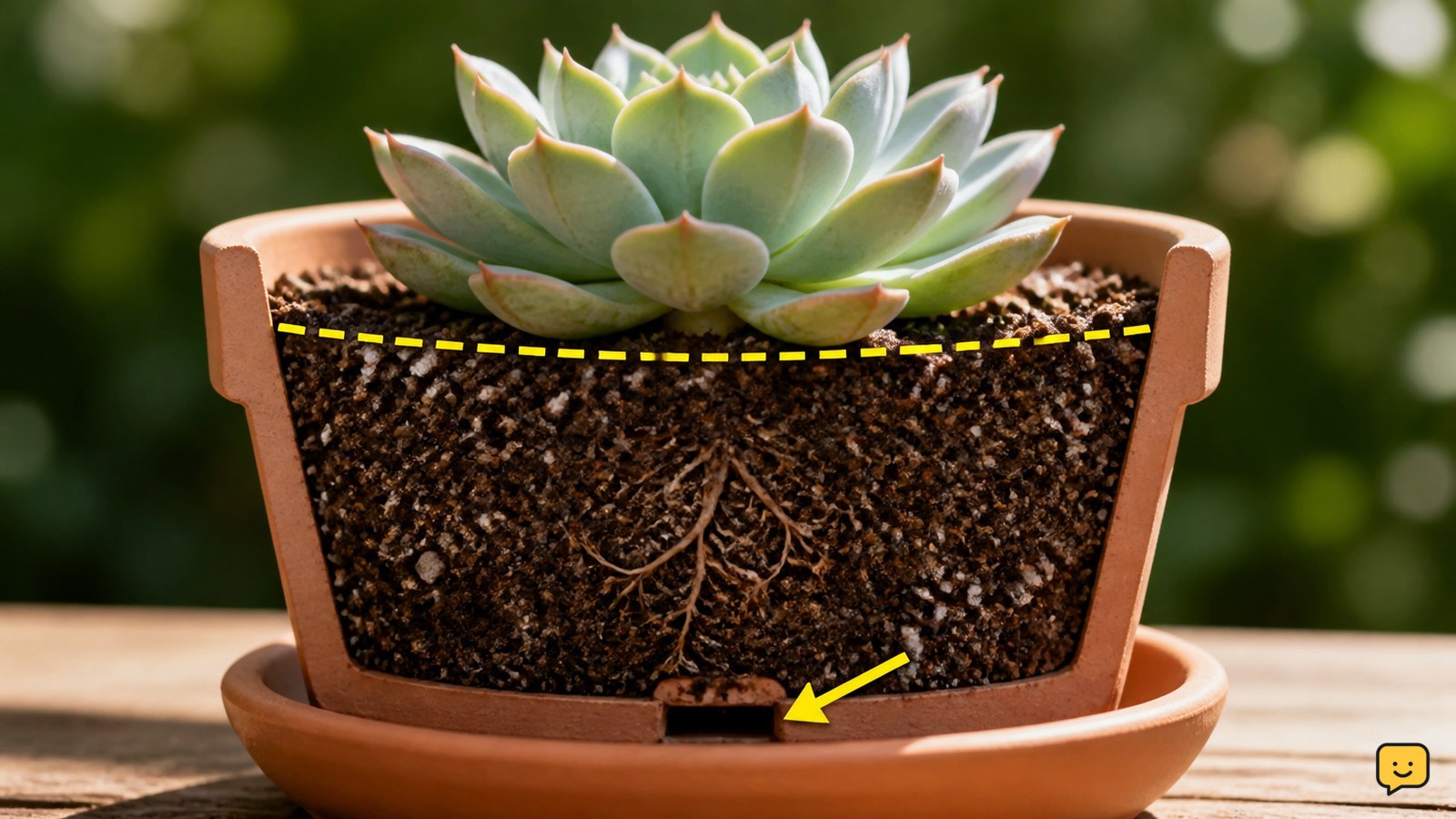
Healthy succulent planted at the correct depth in fast-draining soil inside a pot with a drainage hole
Gardening

How to Plant Succulents: Set Up Drainage

To plant a succulent, choose a pot with a drainage hole, use fast-draining cactus or succulent soil, and remove the plant without damaging its roots. Set the root ball at its previous depth, keep leaves and the crown above the soil, fill around it without compacting hard, and place it in bright light while it settles. Water only after the soil is dry.

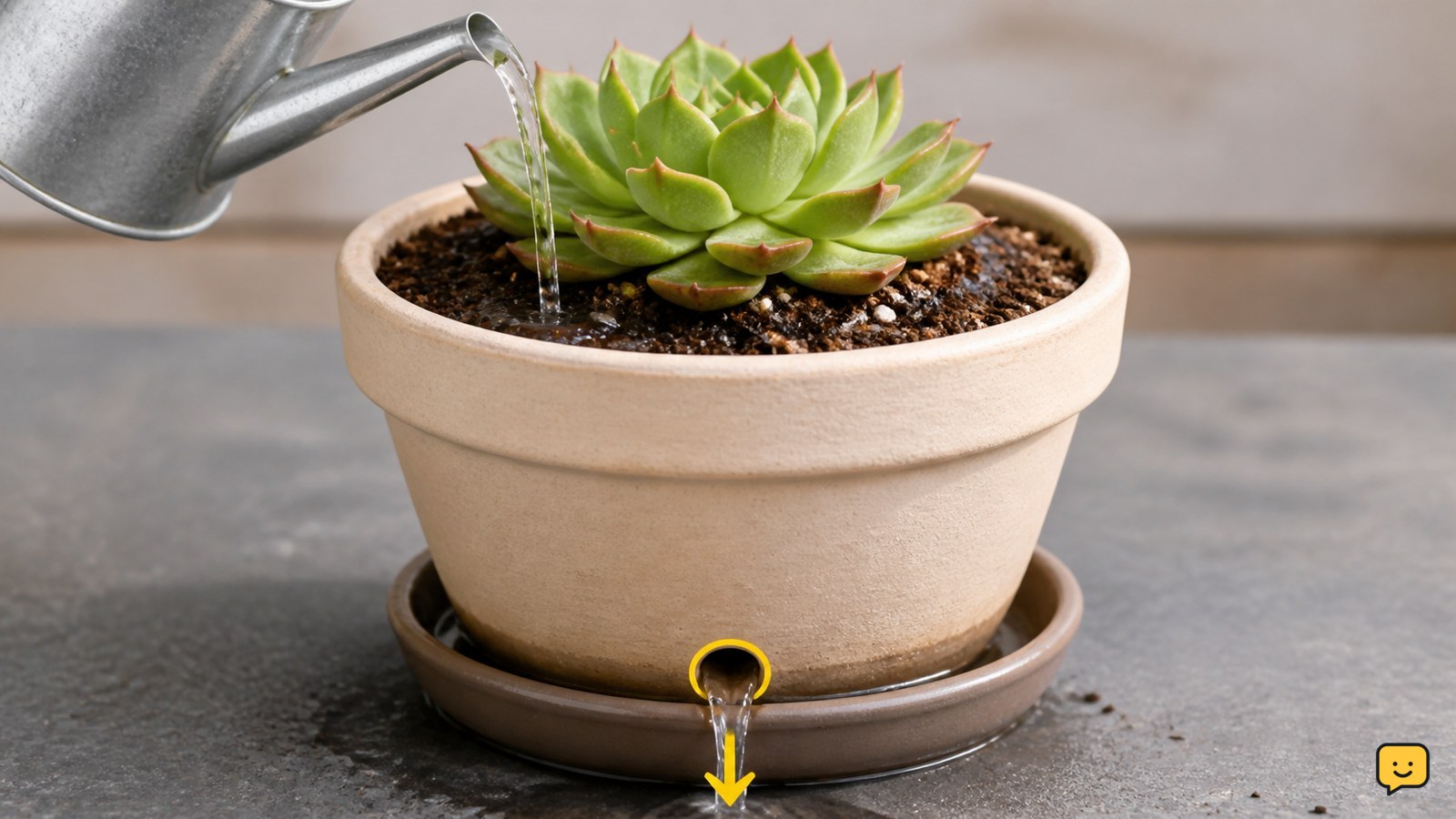
Water being poured onto the soil of a potted succulent with drainage water leaving the bottom
Gardening

How to Water Succulents: Soak, Then Dry

Water succulents by soaking the potting mix until water runs from the drainage holes, then let the mix dry completely before watering again. Check the soil several inches down and lift the pot when possible. Water less often in cool, low-light conditions, and stop if the soil stays wet, the stem softens, or water collects around the roots.

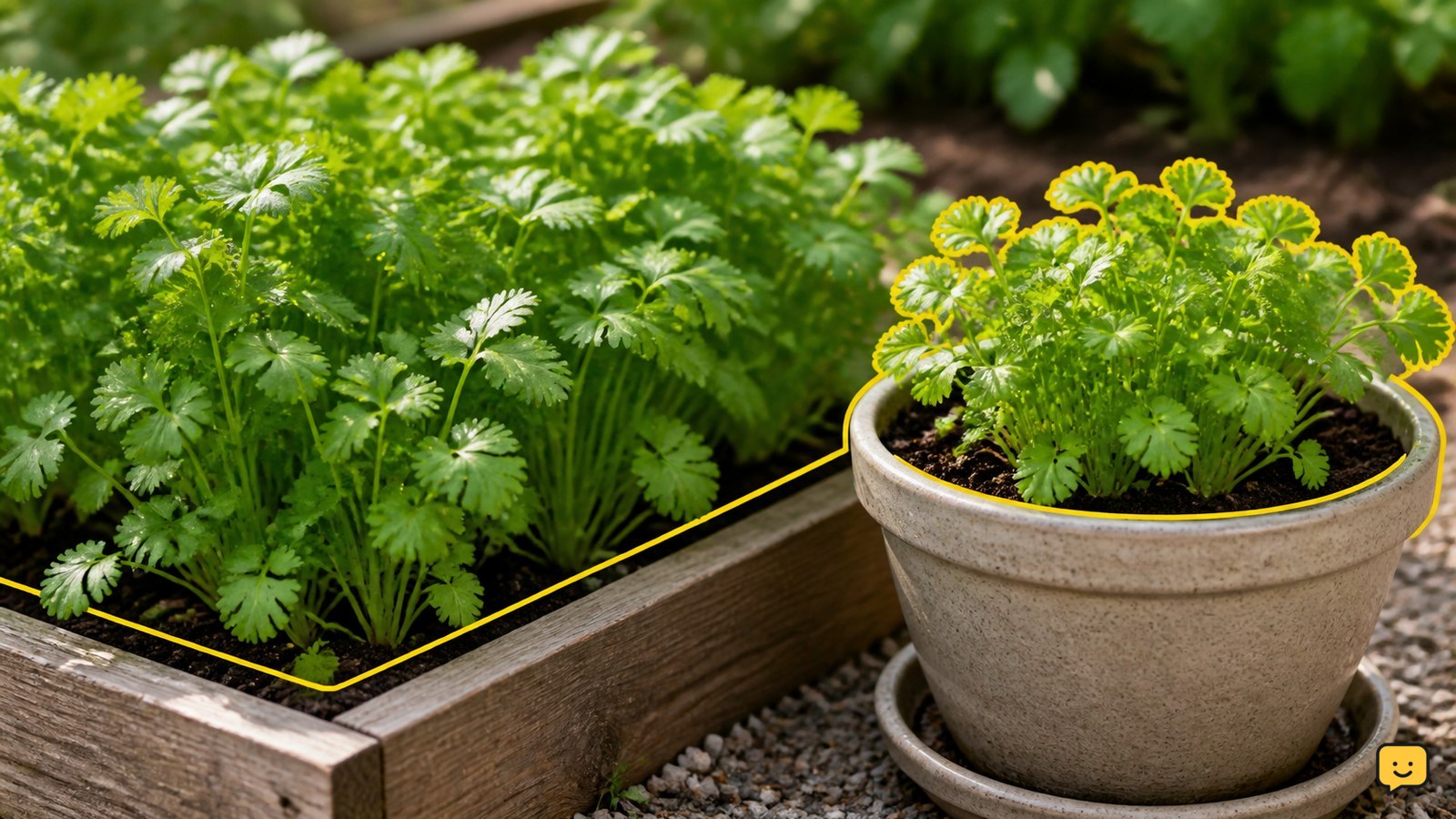
Healthy green cilantro growing in a garden bed and container
Gardening

How to Grow Cilantro: Keep It Leafy

To grow cilantro, sow seed directly in a garden bed or pot during the cool days of spring or fall. Use rich, well-drained soil, place the plants in full sun or afternoon shade in hot climates, and keep the soil evenly moist. Harvest outer leaves regularly, then let some plants flower for coriander seed or reseeding.

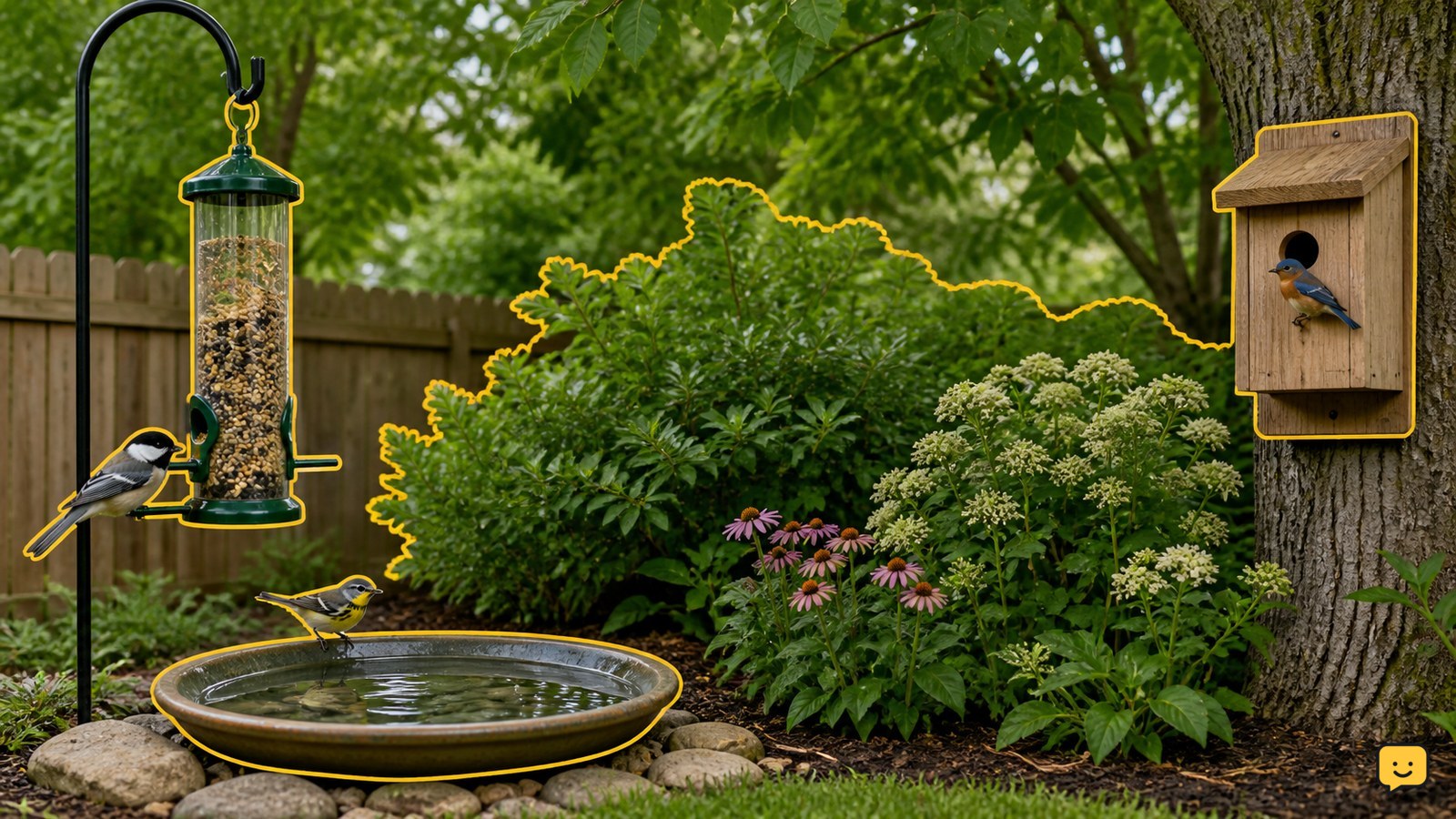
Backyard bird habitat with a feeder, shallow water dish, native shrubs, and mature trees
Gardening

How to Attract Birds: Build a Bird-Friendly Yard

To attract birds, provide four basics: suitable food, clean water, shelter, and nesting cover. Start with a feeder filled with an appropriate seed mix, add a shallow water source, and plant or preserve dense native cover. Keep each feature clean and safe from cats and other predators, then adjust the setup according to the birds that actually visit.

How to Make a Flower Crown: Fresh or Dried
Gardening

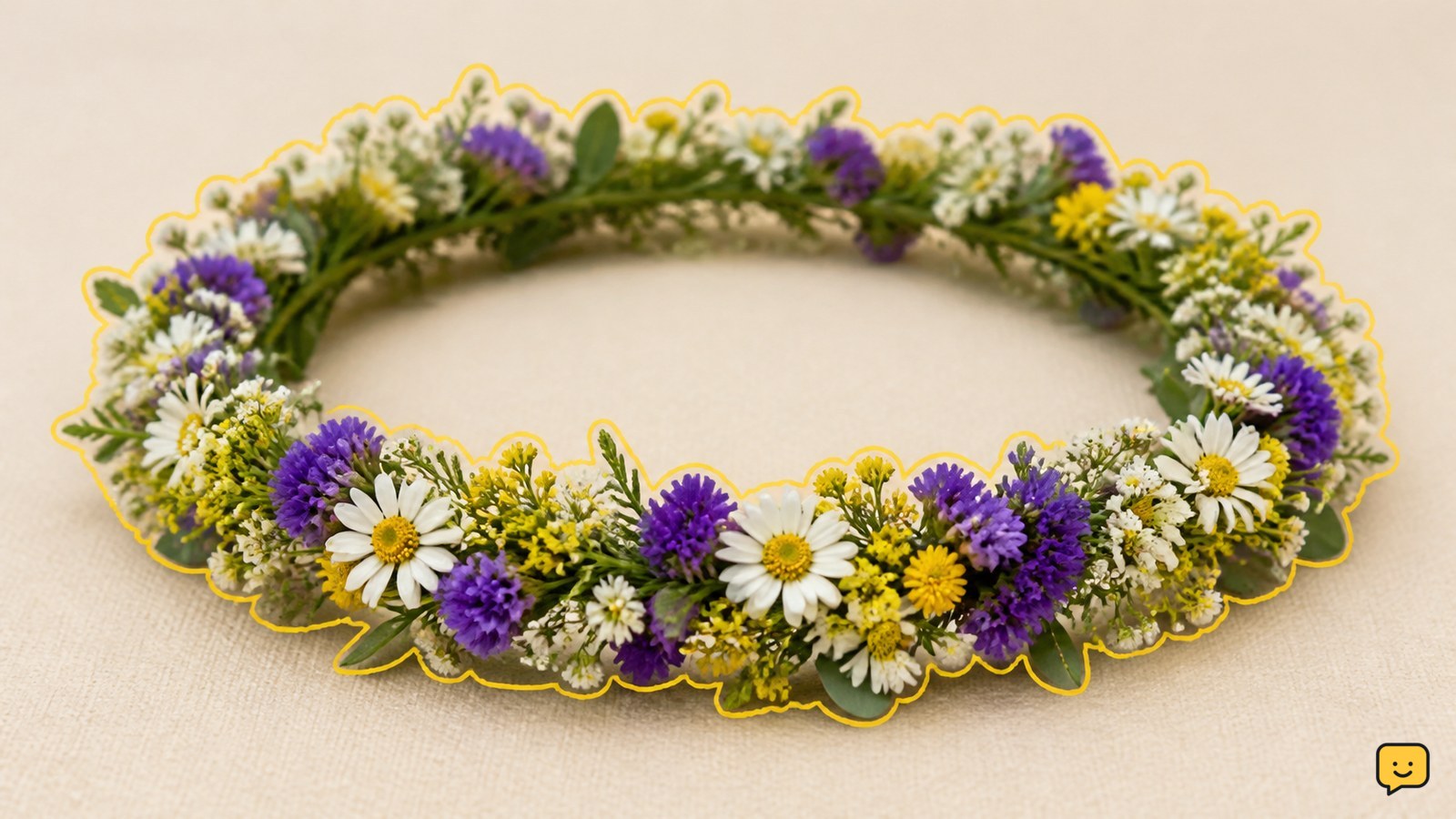
How to Make a Flower Crown: Fresh or Dried

To make a flower crown, measure a flexible floral wire around your head, overlap and tape the ends, then attach small flower bundles with florist tape. Leave 1.5 to 2 inches of stem on fresh flowers, space the blooms evenly, and finish with ribbon or a taped join. For a no-wire option, braid flowers with sturdy stems.

When to Plant Tomatoes: Find the Right Window
Gardening

When to Plant Tomatoes: Find the Right Window

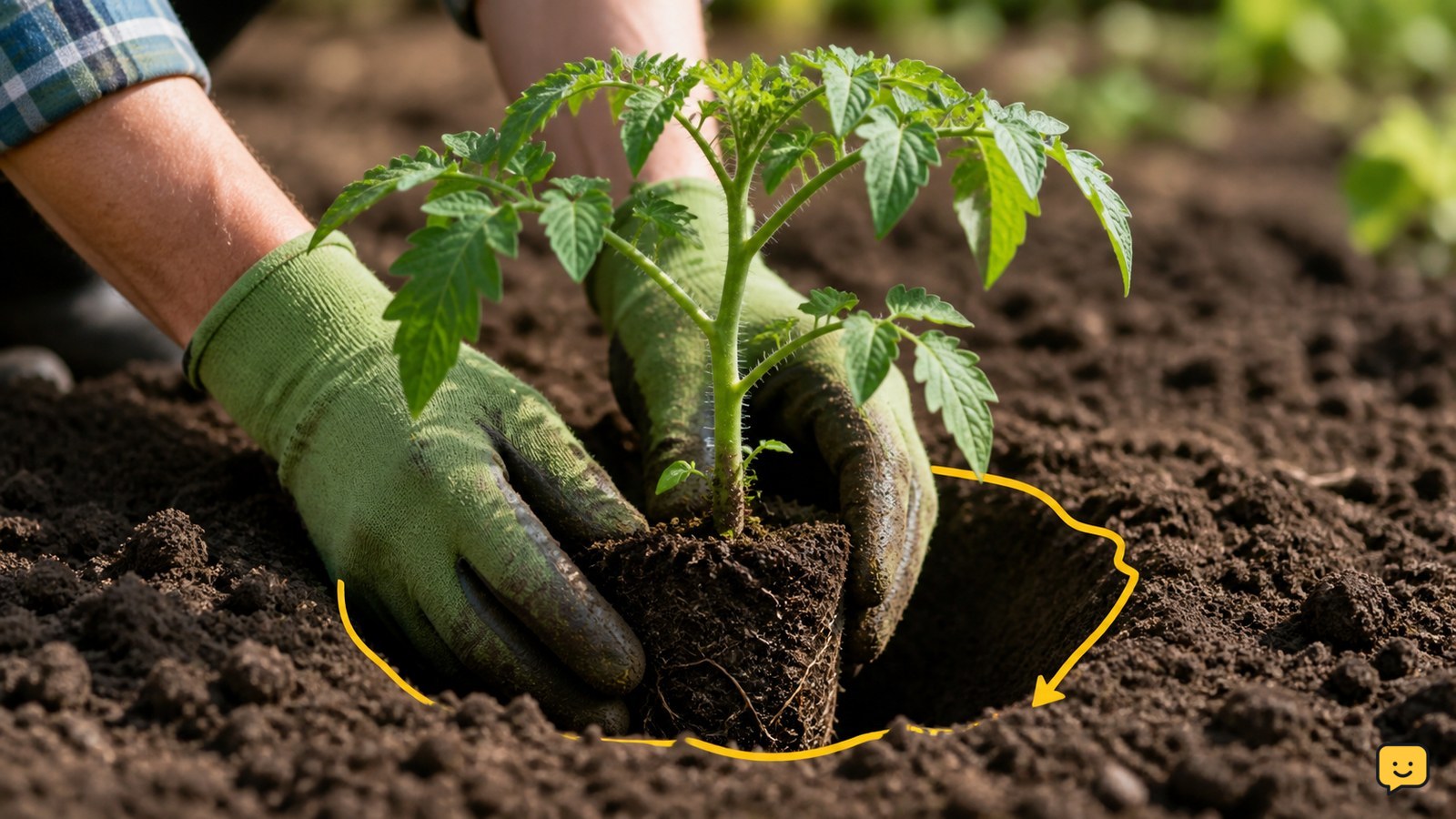
Plant tomatoes outdoors after your area's last expected frost, once the soil has warmed and overnight temperatures are reliably mild. Bonnie Plants recommends late spring or early summer in most regions; warm zone 10 areas commonly grow tomatoes in fall and winter. If a late frost, cold nights, or saturated soil is forecast, wait.

How to Make a Raised Garden Bed: Simple Build
Gardening

How to Make a Raised Garden Bed: Simple Build

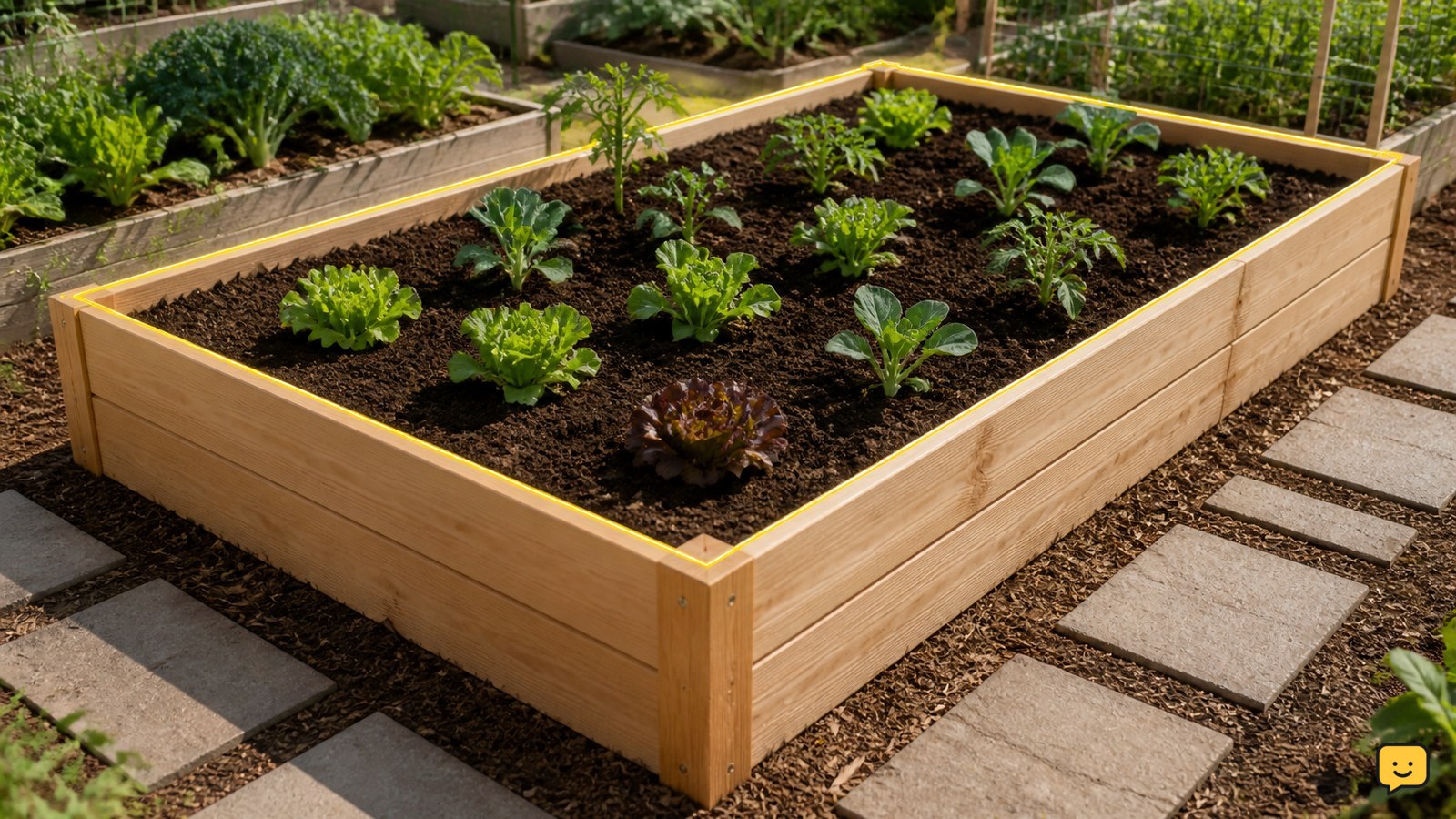
Build a sturdy raised garden bed by choosing a sunny, level site, cutting four boards to form a rectangle, fastening the corners, leveling the frame, and filling it with quality soil and compost. Keep the bed narrow enough to reach its center, use untreated or garden-rated lumber, and stop if the site may contain buried utilities or contaminated soil.