To grow cilantro, sow seed directly in a garden bed or pot during the cool days of spring or fall. Use rich, well-drained soil, place the plants in full sun or afternoon shade in hot climates, and keep the soil evenly moist. Harvest outer leaves regularly, then let some plants flower for coriander seed or reseeding.
Choose a cool planting window and bright site
Cilantro grows best in the cool weather of spring and fall, so time sowing before sustained heat arrives or after the worst summer heat has passed. Gardening4Joy recommends direct seeding outdoors when temperatures are under 75°F, while Bonnie Plants also identifies cilantro as a cool-season herb.
Choose full sun where temperatures are moderate. In a warmer climate, give the plants afternoon shade to slow heat stress and flowering. A site with morning sun and light afternoon protection is a useful alternative when an exposed bed becomes hot.
Verify the site: the area should receive several hours of direct light, have room for repeated harvests, and remain accessible for frequent watering and cutting.
Prepare well-drained soil or a suitable pot
Cilantro needs rich, well-drained soil rather than a bed that holds standing water. Bonnie Plants gives a preferred soil pH of 6.2 to 6.8, and Gurney’s recommends mixing compost to improve soil structure, drainage, and fertility.
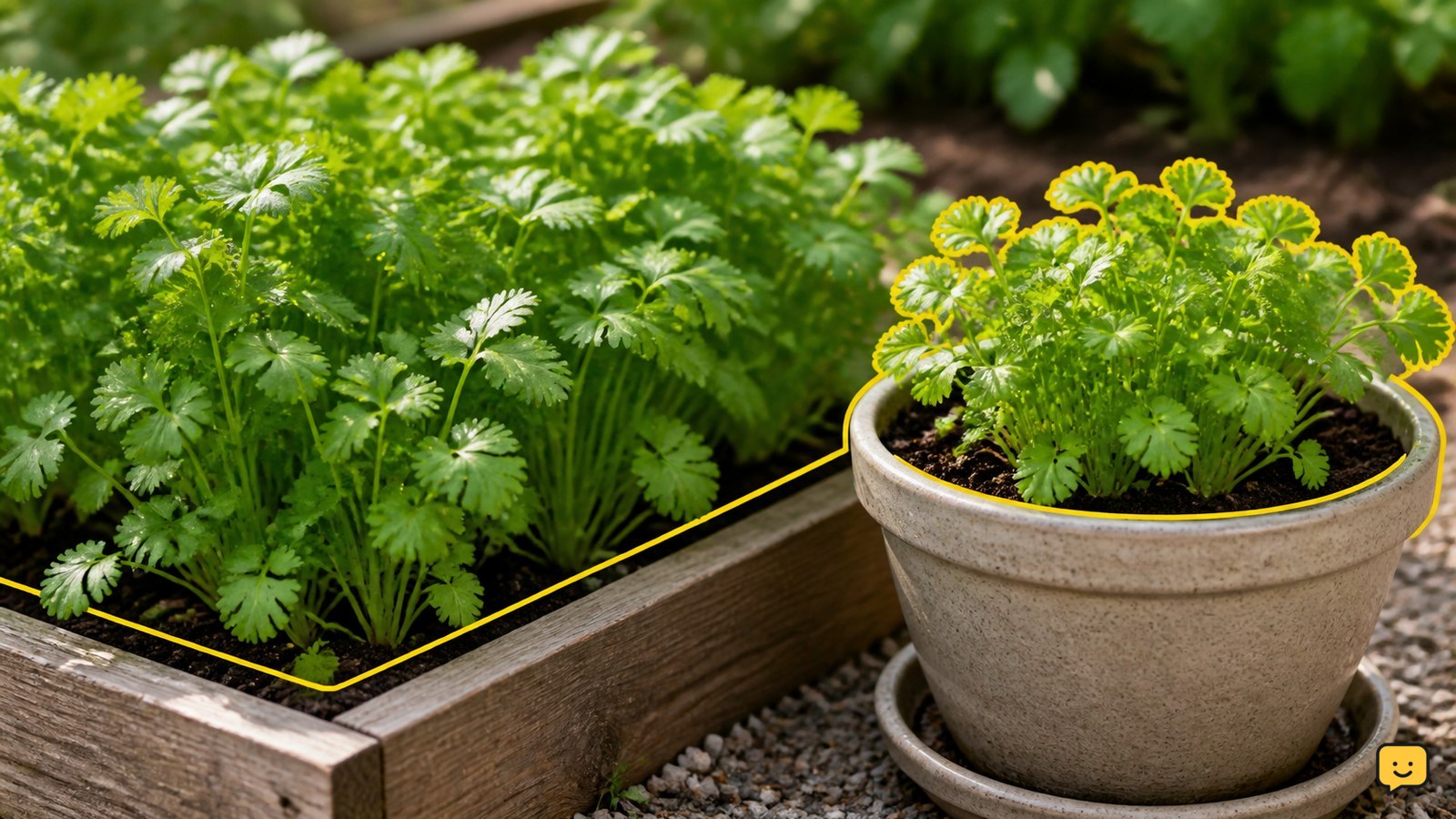
For a garden bed, loosen the planting area and incorporate finished compost without leaving large clumps. If the native soil is heavy clay or drains slowly, use a raised bed; an 8-inch-tall raised bed is one option described by Gardening with Charlie for creating better drainage.
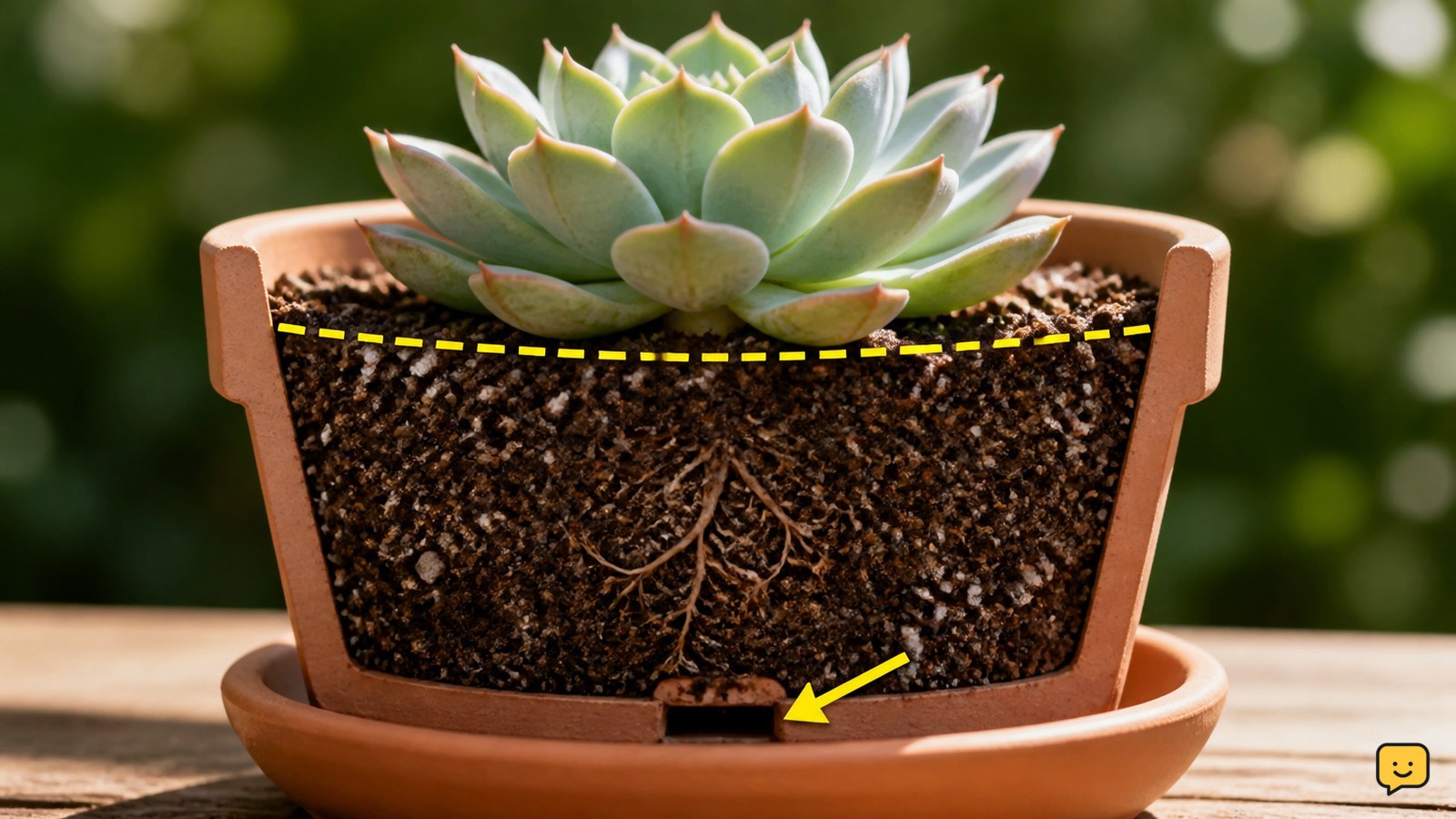
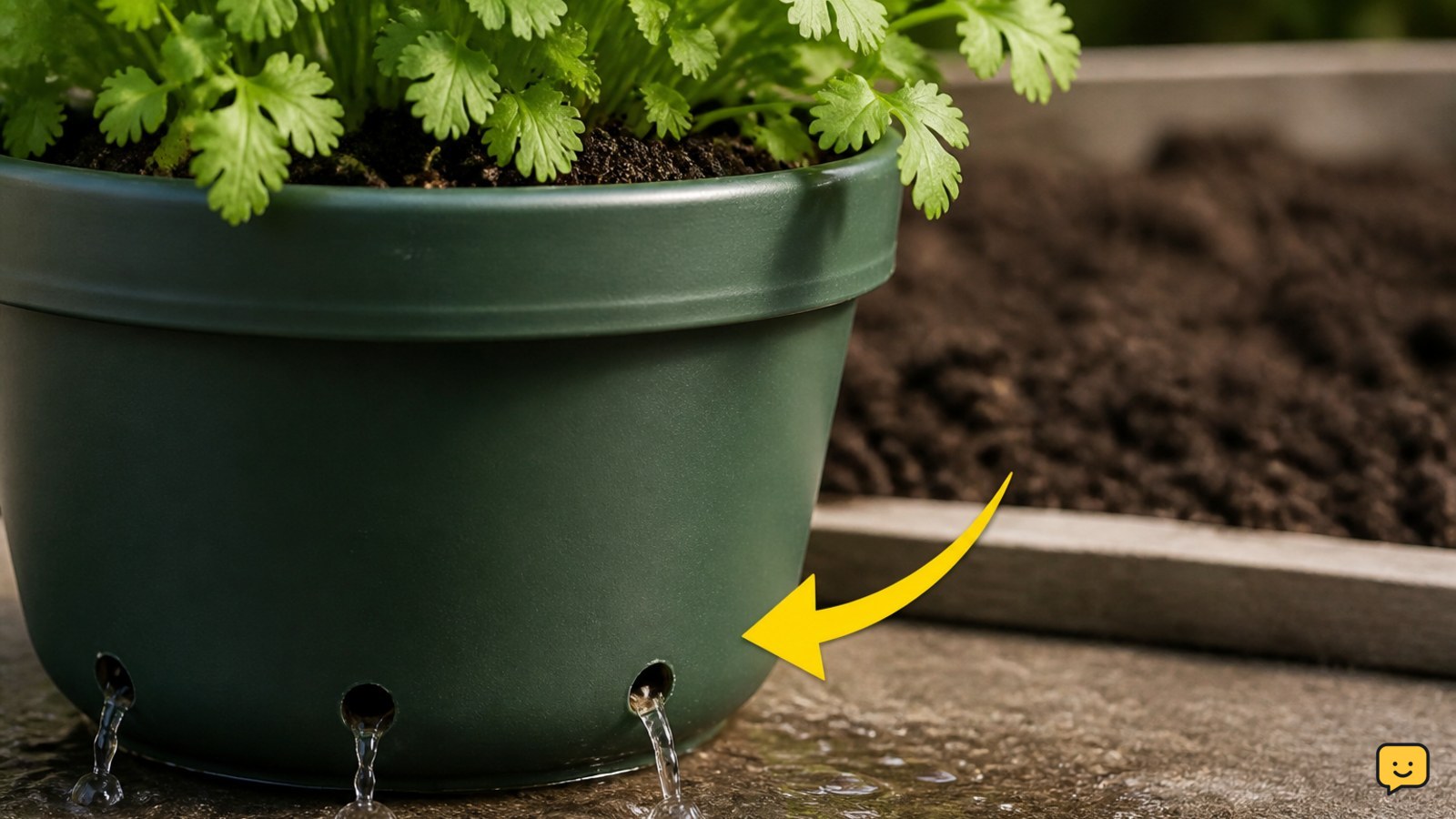
For a container, use a quality potting mix and a container with open drainage holes. Do not place the pot in a saucer of standing water. The container should be wide enough for a small patch of plants and stable enough not to dry rapidly in wind.
Verify preparation: after watering, excess water should leave the container or bed instead of pooling around the seed area.
Sow cilantro seed directly where it will grow
Direct-sow cilantro seed in the prepared bed or final container because the plant can be grown quickly from seed and does not need an indoor start for a normal outdoor crop. Make a shallow row or small planting pockets, sow according to the seed packet, cover lightly, and water gently.
For a more reliable supply, sow a small patch at intervals during the cool season instead of planting one large crop all at once. Leave enough room to reach the soil and cut outer leaves without pulling neighboring seedlings.
Keep the seed zone evenly moist while waiting for emergence. A gentle shower from a watering can or hose wand prevents the surface from washing away.
Verify sowing: the seed surface stays damp but not submerged, and seedlings emerge across the row rather than only at its edges. If the surface crusts or dries repeatedly, water more gently and check the planting depth against the packet.
Thin, water, and harvest leaves before flowering
Cilantro produces the best leafy harvest when it has consistent moisture and is picked regularly during cool weather. Thin crowded seedlings according to the packet’s spacing guidance so air can move between plants and each plant has room to develop.
Water when the soil surface begins to dry, soaking the root area rather than repeatedly wetting only the leaves. Frequency depends on sun, wind, soil, and container size. A container may need checking more often than a garden bed.
Begin harvesting once the plants have enough leafy growth to spare. Cut outer stems close to the base and leave the youngest center growth to continue developing. Harvest in small amounts rather than removing most of the plant at once.
Verify healthy growth: leaves should be green and upright after watering, with new center growth still visible. If plants wilt while the soil is wet, suspect poor drainage; if the soil is dry and leaves collapse, increase the thoroughness or frequency of watering.
Manage bolting and save coriander seed
Cilantro naturally sends up a flower stalk as temperatures rise. The plant then forms small white or pale pink flowers followed by coriander seeds, according to Bonnie Plants. Bolting is therefore a normal life stage, not automatically a disease or care failure.
If you want leaves, harvest frequently while the plant remains leafy and provide afternoon shade in hot weather. Once tall flower stalks dominate, start a new sowing during the next suitable cool window rather than cutting the plant back repeatedly.
If you want coriander, leave healthy flowering plants in place. Allow the seed heads to mature and dry on the plant, then collect them before they drop. You can also leave a few plants in a dedicated herb-bed corner to reseed naturally.
Stop and switch goals: when flowers and developing seed heads replace most of the soft leafy growth, choose either seed collection or replacement with a fresh cool-season planting.
Fix the most common cilantro growing failures
Cilantro problems usually point to timing, moisture, drainage, or crowding. Use the symptom before changing more than one condition at a time.
| What you see | Likely cause | Safest next action |
|---|---|---|
| Seeds do not emerge | Dry, crusted, deeply covered, or waterlogged seed zone | Check packet depth, restore gentle even moisture, and confirm drainage before resowing. |
| Plants flower quickly | Heat or the plant’s normal maturity | Harvest remaining leaves, add afternoon shade where practical, and sow again in cooler weather. |
| Leaves wilt in wet soil | Poor drainage or root stress | Stop adding water, clear blocked drainage, and move container plants to a free-draining mix if needed. |
| Plants are thin and crowded | Too many seedlings competing for light, water, and nutrients | Thin according to the seed packet and keep the strongest plants. |
These actions are practical inferences from the growing requirements described by Bonnie Plants, Gurney’s, Gardening with Charlie, and Gardening4Joy. If roots smell sour, stems collapse at soil level, or damage spreads across the patch, stop harvesting affected plants and replace the wet or contaminated growing medium.
Frequently asked questions
Can cilantro grow in a pot?
Yes. Cilantro grows in a pot when the container has drainage holes, the mix drains freely, and the plant receives bright light. Use a wide, stable container so the soil does not dry too quickly. Check moisture more often than you would in a garden bed, but do not leave the pot standing in water.
Does cilantro need full sun?
Cilantro prefers full sun in moderate weather, but afternoon shade helps in hot climates. If the plant flowers soon after sprouting, heat and long bright days may be contributing. Move a container to morning sun and afternoon shade, or sow a new crop during a cooler season.
Why does cilantro flower before I can harvest much?
Cilantro flowers when it matures and temperatures rise. Harvest outer leaves often while the plant is leafy, provide afternoon shade in hot conditions, and make successive sowings during spring or fall. Once flowering dominates, let the plant produce coriander seed or replace it with a new cool-season sowing.
Can cilantro reseed itself?
Yes. Cilantro can flower, produce coriander seed, and reseed naturally. Leave a few healthy plants in a dedicated herb-bed corner, allow the seed heads to mature and dry, and remove unwanted seedlings later. Collect seed before it drops if you want to control where the next plants grow.
For more help with this topic, use the Gardening guides.