Skip to content
ShowU

Food Storage

Freezing, storage, reheating and food-quality guides.

Labeled freezer bags and airtight containers packed closely around frozen food in an organized freezer
Food Storage

How to Prevent Freezer Burn: Seal Food Well

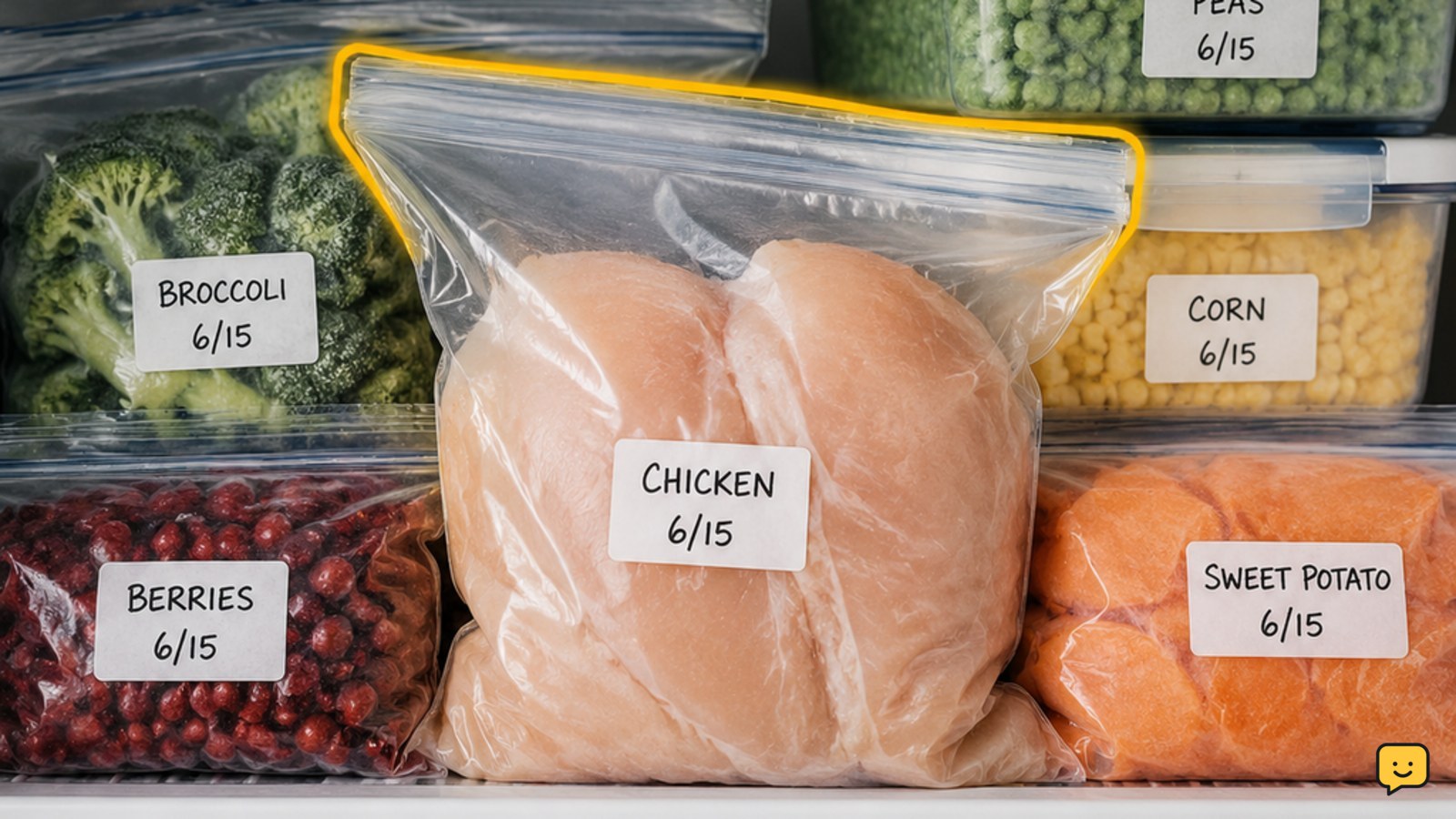
To prevent freezer burn, cool food before packing it, use freezer-rated bags or airtight containers, press out as much air as possible, seal every opening, and label the package. Keep the freezer at 0 F or below, avoid repeated temperature swings, and use older packages first. Freezer burn affects quality more than safety.
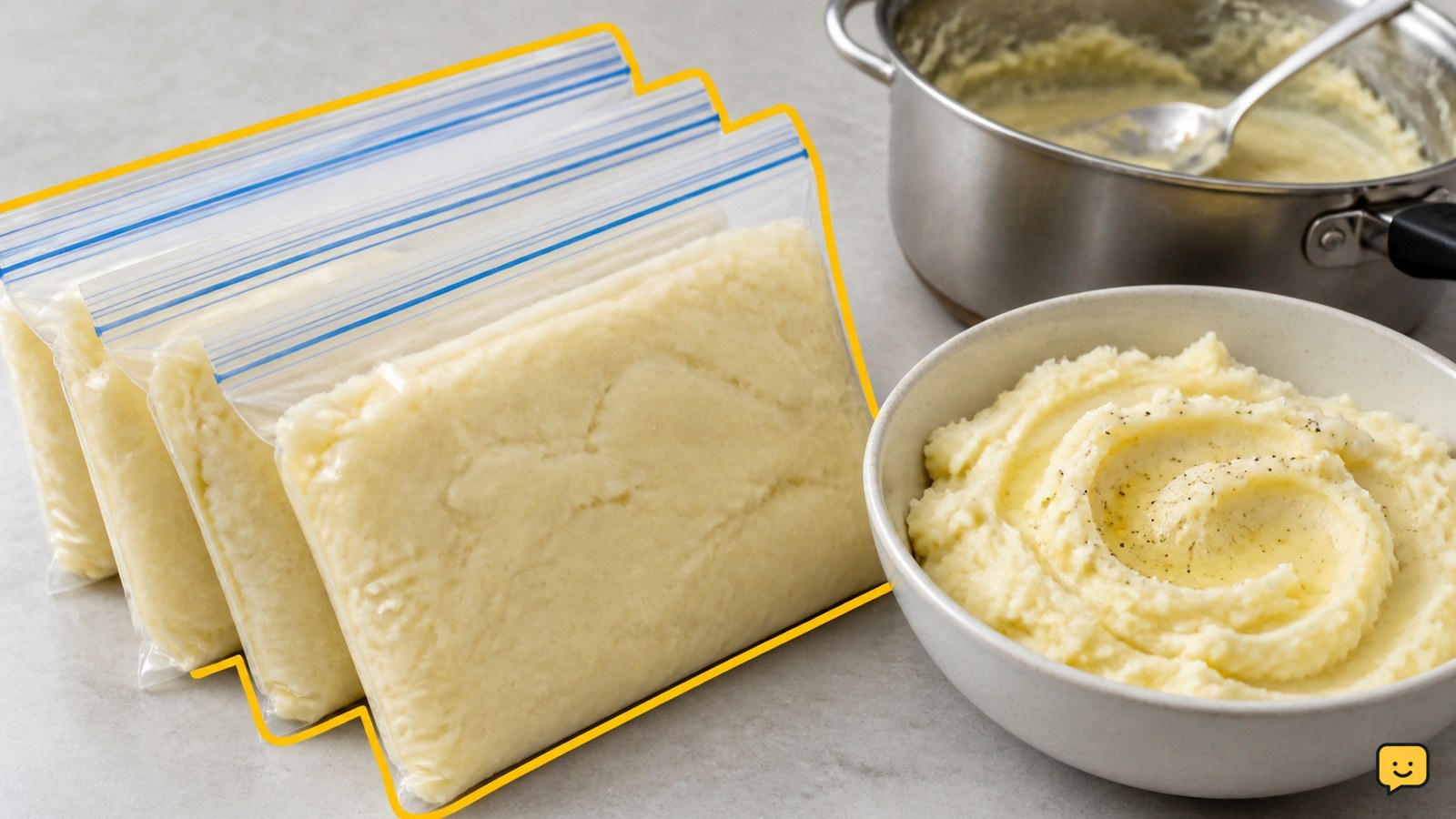
Portioned mashed potatoes in freezer bags beside a reheated bowl
Food Storage

Can You Freeze Mashed Potatoes: Best Uses

Yes. Mashed potatoes freeze well enough for leftovers and make-ahead portions, although thawing can change their texture. Divide them into small portions, pack them airtight in freezer-safe bags or containers, thaw in the refrigerator, and reheat gently. Stir in a little butter, cream, or milk only if the potatoes turn dry or stiff.

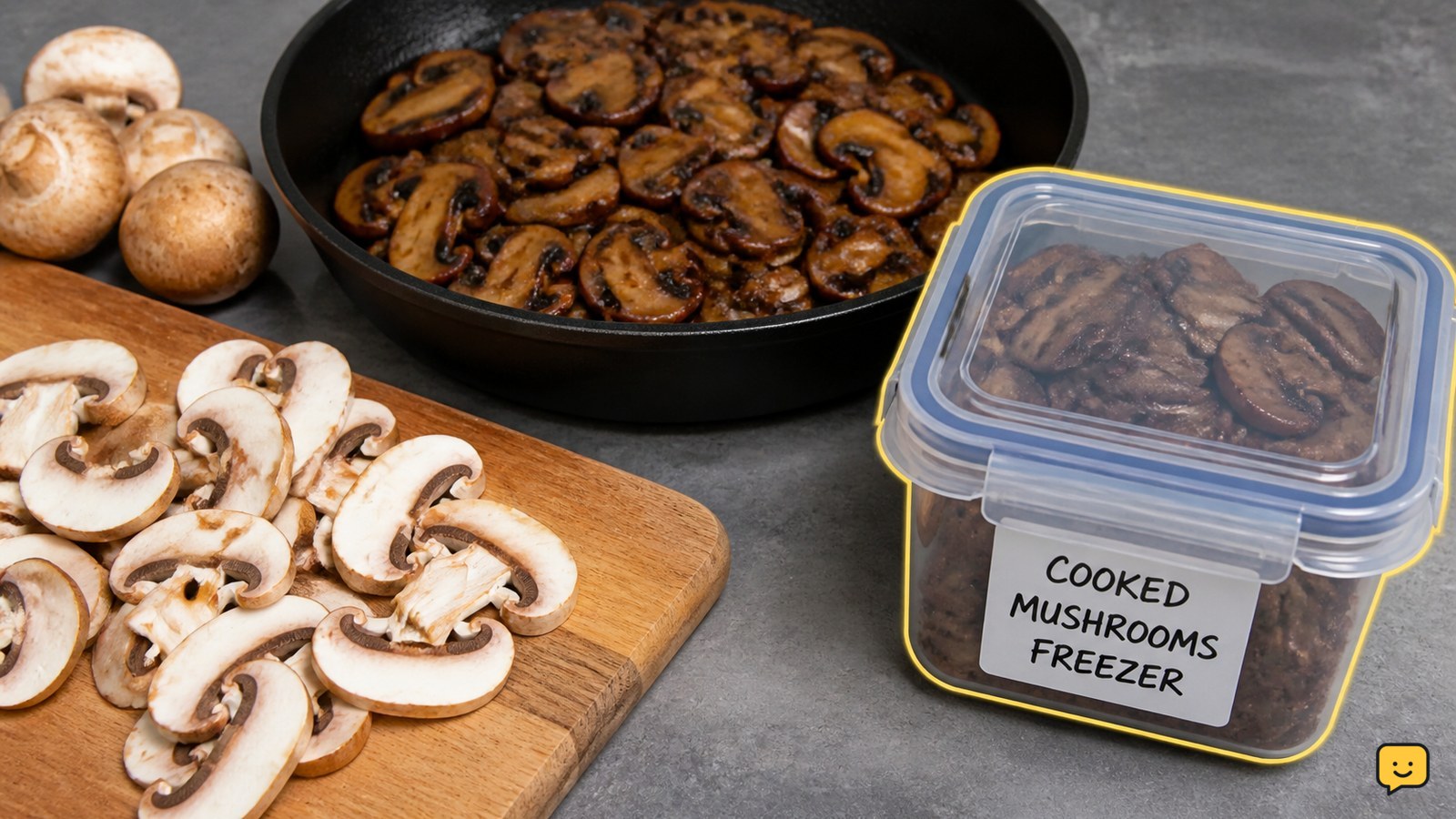
Sliced cooked mushrooms beside a labeled airtight freezer container
Food Storage

Can You Freeze Mushrooms: Cooked First

Yes—you can freeze mushrooms, but they keep a firmer, more useful texture when cleaned, sliced, cooked, cooled, and packed airtight before freezing. Raw mushrooms can also be frozen, according to Love Food Hate Waste, but thawed mushrooms are usually best in soups, sauces, casseroles, and other cooked dishes rather than fresh salads. Store for up to 3 months.

Can You Freeze Milk: Safe Storage Steps
Food Storage

Can You Freeze Milk: Safe Storage Steps

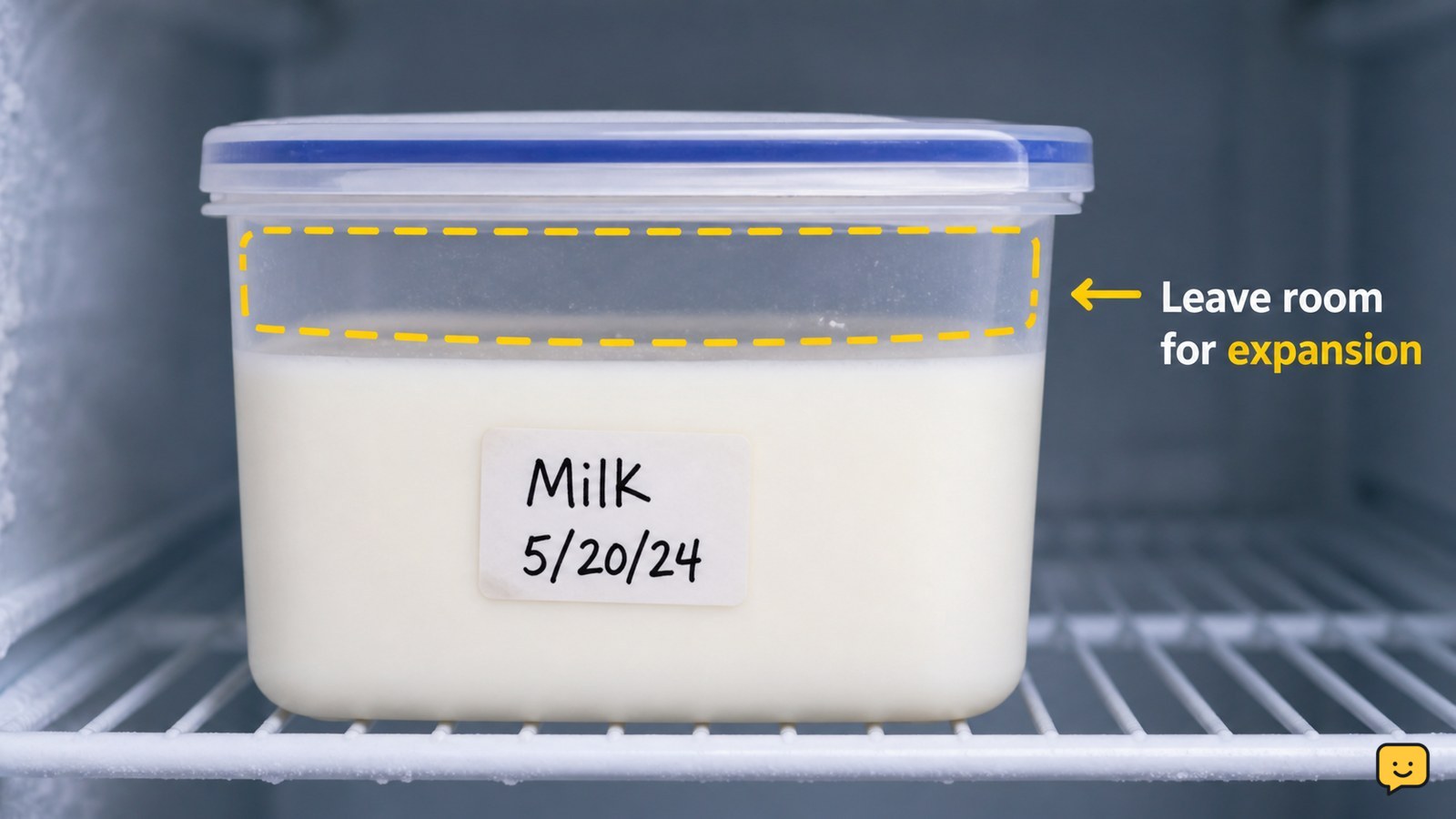
Yes, you can freeze milk. Pour it into a clean, freezer-safe container, leave space for expansion, seal and label it, then freeze it promptly. Thaw the milk in the refrigerator—not on the counter—and shake or stir it because separation is normal. For the best texture, use frozen milk within about one month; it may remain usable for up to six months if continuously frozen.

Can You Freeze Cheese: Texture and Best Uses
Food Storage

Can You Freeze Cheese: Texture and Best Uses

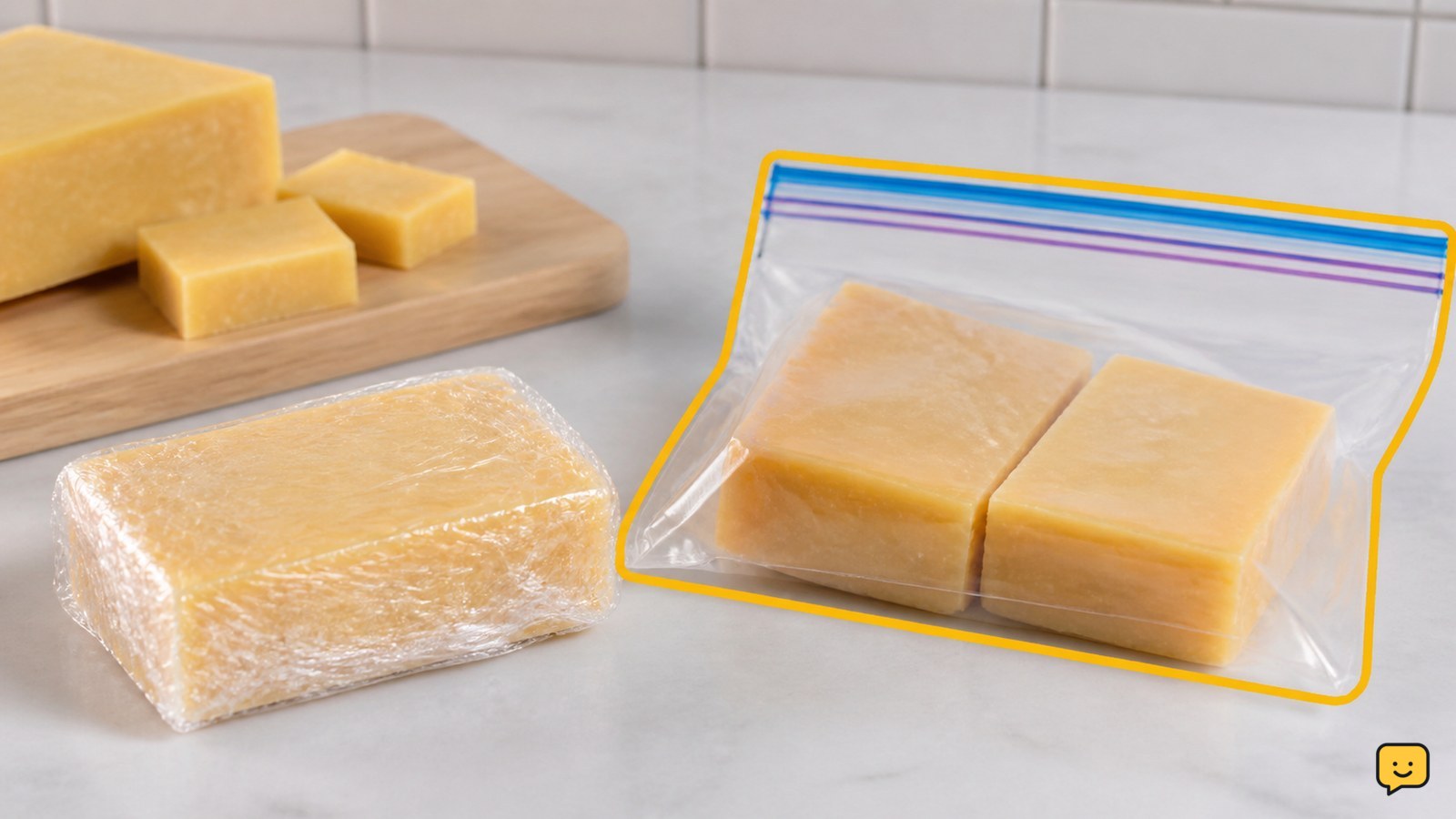
Yes—many cheeses can be frozen, especially firm blocks, slices, and shredded cheese. Wrap or seal them tightly while they are still fresh, then thaw them in the refrigerator. Freezing can make cheese crumbly or change its texture, so frozen cheese is usually best for cooking, melting, casseroles, sauces, or grating rather than serving as-is.