Yes. Mashed potatoes freeze well enough for leftovers and make-ahead portions, although thawing can change their texture. Divide them into small portions, pack them airtight in freezer-safe bags or containers, thaw in the refrigerator, and reheat gently. Stir in a little butter, cream, or milk only if the potatoes turn dry or stiff.
For more help with this topic, use the Food Storage guides.
Check the mashed potatoes before freezing
Mashed potatoes are suitable for freezing when they are fresh, fully cooked, and free from spoilage signs. Freezing preserves the portion for later use, but it does not improve potatoes that are already dry, sour-smelling, moldy, or watery.
Inspect the surface and smell the potatoes before packing them. If you notice mold, a sour or unpleasant odor, sliminess, or unexplained discoloration, discard them rather than trying to freeze or reheat them.
Potatoes made with butter, cream, or milk can separate slightly after thawing. That change is usually a texture issue rather than a reason to discard an otherwise sound batch.
Choose portions that thaw and reheat evenly
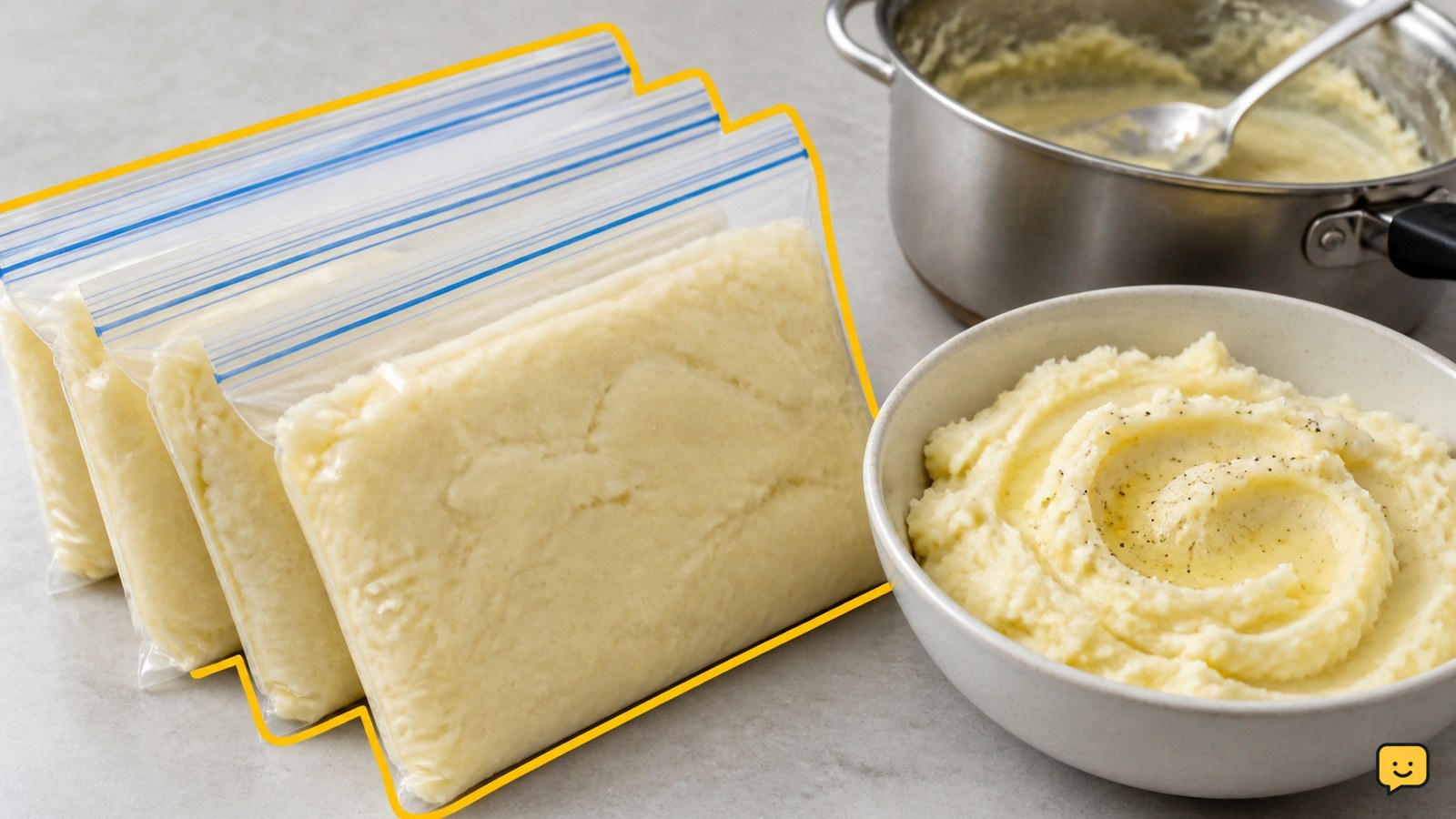
Mashed potatoes freeze most conveniently in small portions because smaller packs thaw and reheat more evenly. The Yummy Life recommends measuring portions into freezer bags, using roughly 1 1/2 to 2 cups per quart-size bag as a practical serving size.
- Spoon the mashed potatoes into a freezer-safe bag or airtight container.
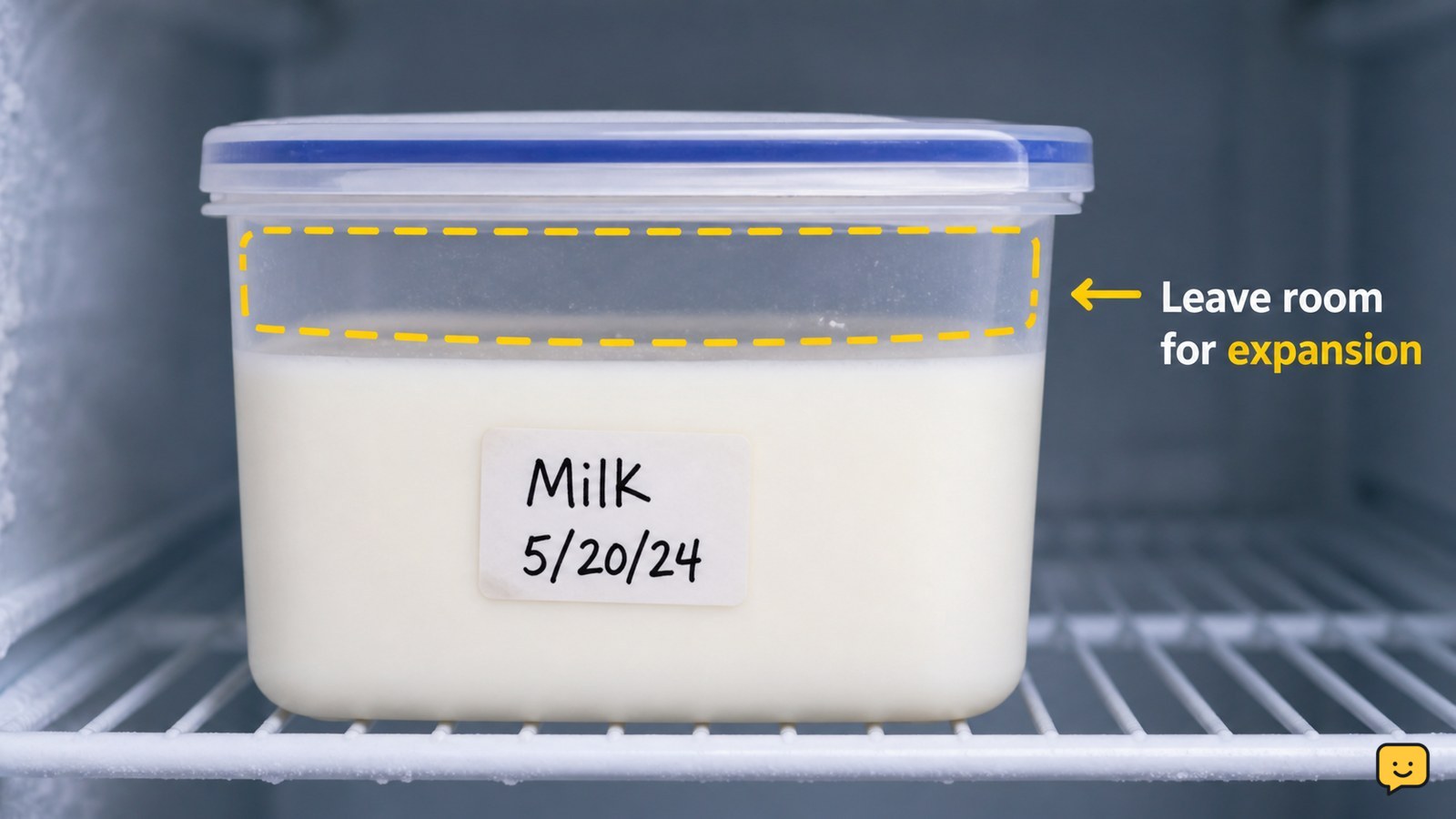
- Press excess air out of a freezer bag before sealing it. If using a container, leave a little space rather than forcing the lid against the food.
- Flatten bagged potatoes into an even layer so the pack freezes and thaws more consistently.
- Seal the package completely and wipe the outside clean.
For individual servings, divide the batch into several smaller bags. For a holiday side dish, use one larger container, but avoid making the layer so deep that the center stays frozen while the edges become hot during reheating.
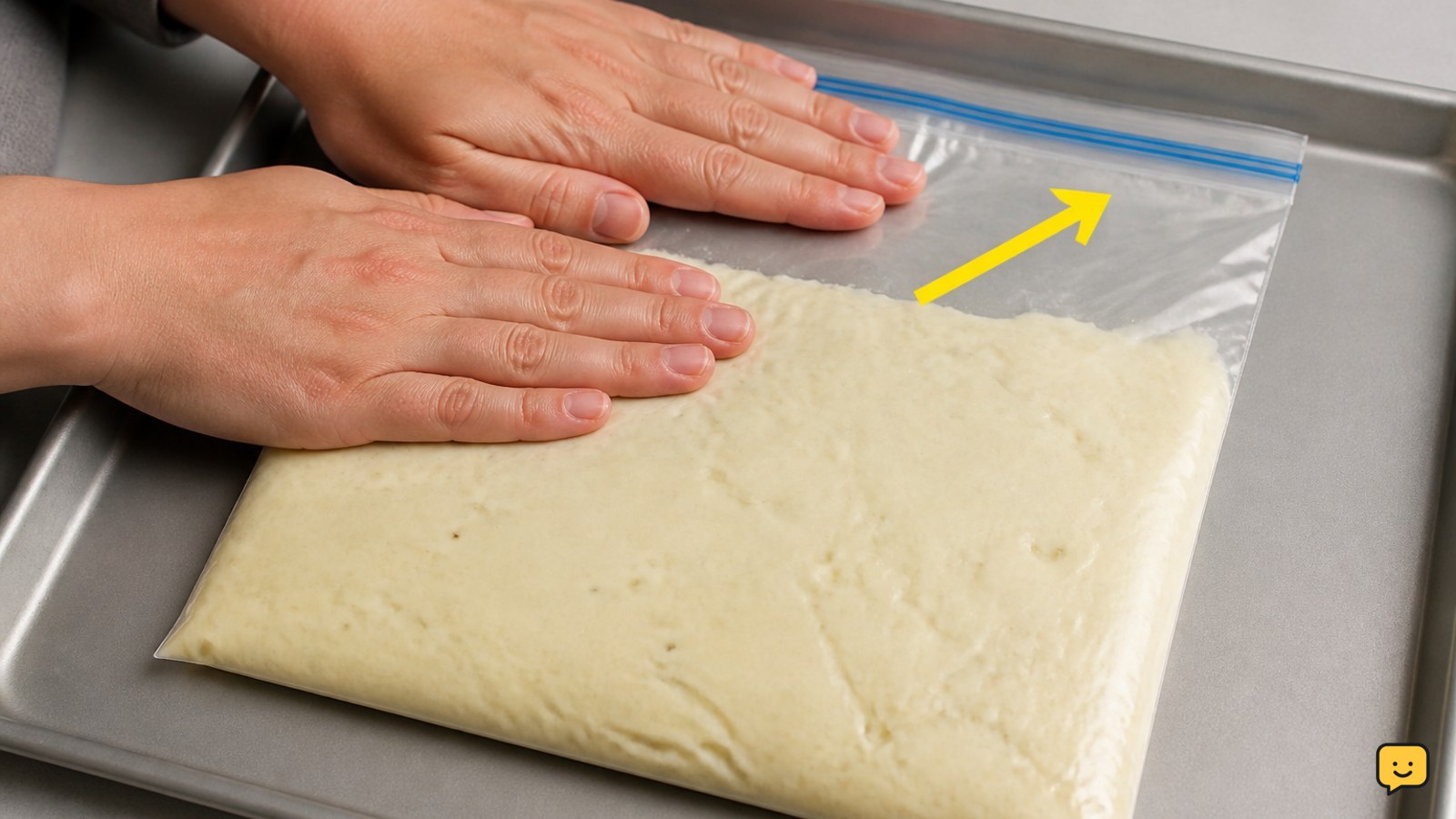
Label and freeze the portions flat
Label each package with the food name and freezing date before placing it in the freezer. A flat bag is easier to stack and gives you a clear visual check that the potatoes are sealed without leaks.
Arrange the portions so cold air can circulate around them while they freeze. Once solid, stacked flat bags can be stored more compactly. If a bag develops a tear, frost buildup, or an open seal, place it inside a new freezer bag before storing.
Freeze only what you can identify later. An unmarked container makes it harder to judge age and contents, especially when several batches look similar.
Thaw the potatoes in the refrigerator
Frozen mashed potatoes should be thawed in the refrigerator when you have time to plan ahead. Move the sealed portion from the freezer to a tray or bowl in the refrigerator and leave it there until the center is no longer hard.
Keep the package closed while thawing to limit spills and prevent the potatoes from absorbing odors. If the potatoes remain partly frozen, allow more time rather than trying to force the center loose with high heat.
For broader freezer-and-thawing guidance, see these safe refrigerator thawing steps.
Reheat gently and correct the texture
Thawed mashed potatoes reheat best over low to medium-low heat, with occasional stirring. Transfer them to a saucepan or microwave-safe dish, break up any firm sections, and warm them gradually until the center is hot.
- Start reheating the thawed potatoes without adding liquid.
- Stir after the first warming interval or once the bottom begins to loosen.
- If the potatoes are dry or stiff, mix in a small amount of butter, cream, or milk.
- If they look separated, keep stirring as they warm so the fat and potato mixture can come back together.
Success looks like a smooth, hot side dish with no cold center. If the potatoes are still firm in the middle, continue heating in short intervals and stir between them. If the bottom is browning, move the potatoes to a clean pan and lower the heat.
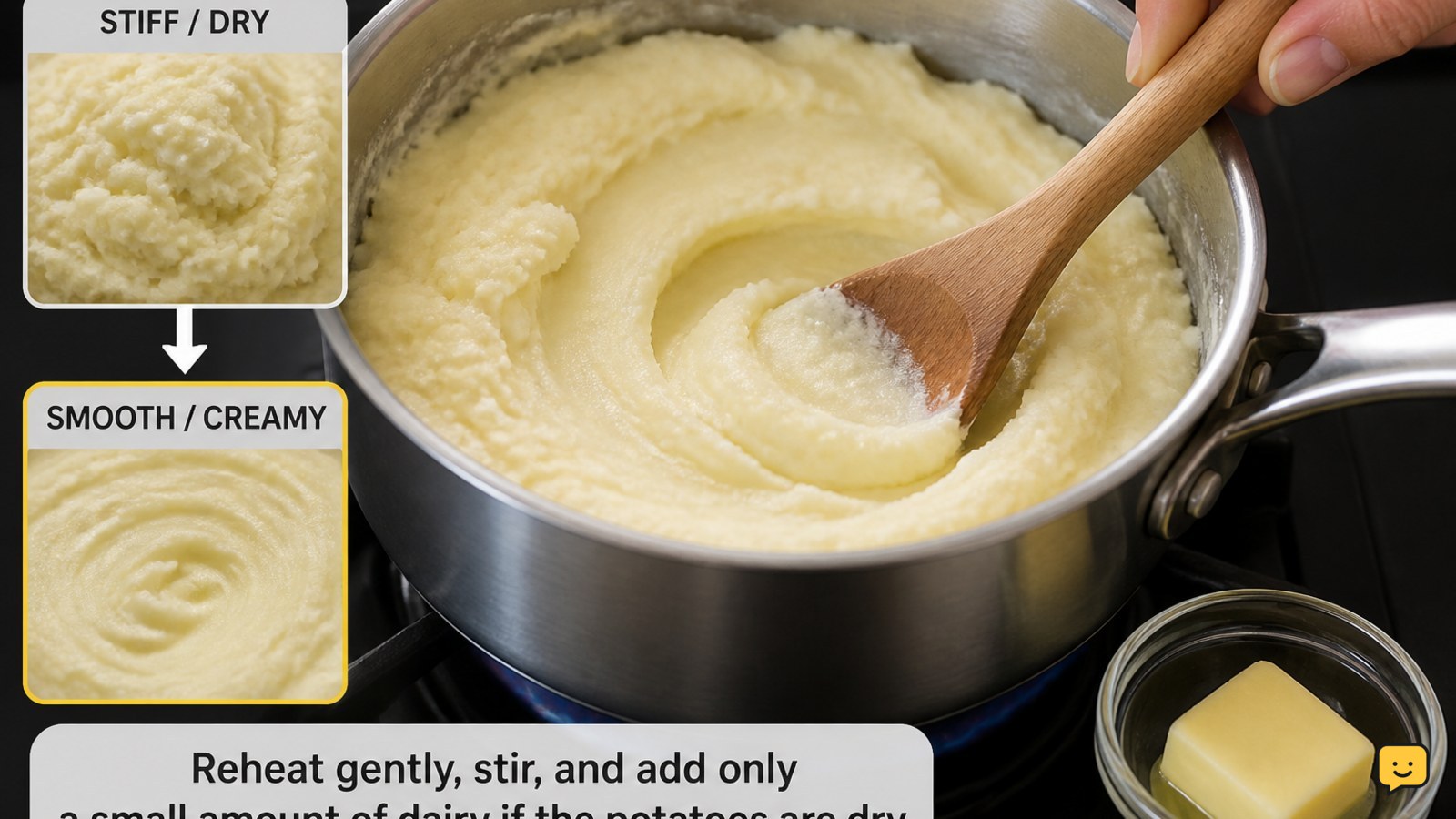
Fix watery, grainy, or dry mashed potatoes
Texture changes after freezing usually call for gradual adjustment rather than immediate disposal. Watery potatoes need gentle evaporation; dry potatoes need a small amount of added fat or dairy.
- Watery: Warm uncovered over low heat and stir until some moisture evaporates.
- Dry or stiff: Add butter, cream, or milk a little at a time until the potatoes loosen.
- Separated: Stir steadily while reheating; do not add a large amount of liquid all at once.
- Grainy: Keep the heat low and stir gently. If the texture remains unpleasant, use the potatoes in a casserole, shepherd’s pie, or another cooked dish rather than serving them plain.
Stop and discard the potatoes if spoilage signs appear. Texture can be repaired to a degree; an off smell, mold, or sliminess cannot.
Frequently asked questions
Can you freeze mashed potatoes with milk and butter?
Yes, mashed potatoes made with milk and butter can be frozen. After thawing, the mixture may look slightly separated or feel less smooth. Reheat it gently and stir in a small amount of butter or milk only if the potatoes need loosening.
Can you freeze mashed potatoes in a freezer bag?
Yes, a freezer bag works well for mashed potatoes. Portion the potatoes into the bag, press out excess air, seal it fully, and flatten the contents into an even layer. Label the bag so you can identify it later.
Can you reheat frozen mashed potatoes without thawing?
Yes, you can reheat them from frozen, but the process takes longer and needs more frequent stirring. Use low heat or short microwave intervals, breaking up the frozen portion as it softens. Avoid high heat, which can scorch the outside before the center warms.
Why are frozen mashed potatoes watery after thawing?
Frozen mashed potatoes can become watery because their moisture and fat separate during freezing and thawing. Warm them gently and stir while some excess moisture evaporates. If they remain loose, use them in a baked casserole or another cooked dish.