To prevent freezer burn, cool food before packing it, use freezer-rated bags or airtight containers, press out as much air as possible, seal every opening, and label the package. Keep the freezer at 0 F or below, avoid repeated temperature swings, and use older packages first. Freezer burn affects quality more than safety.
For more help with this topic, use the Food Storage guides.
Remove air before you seal each package
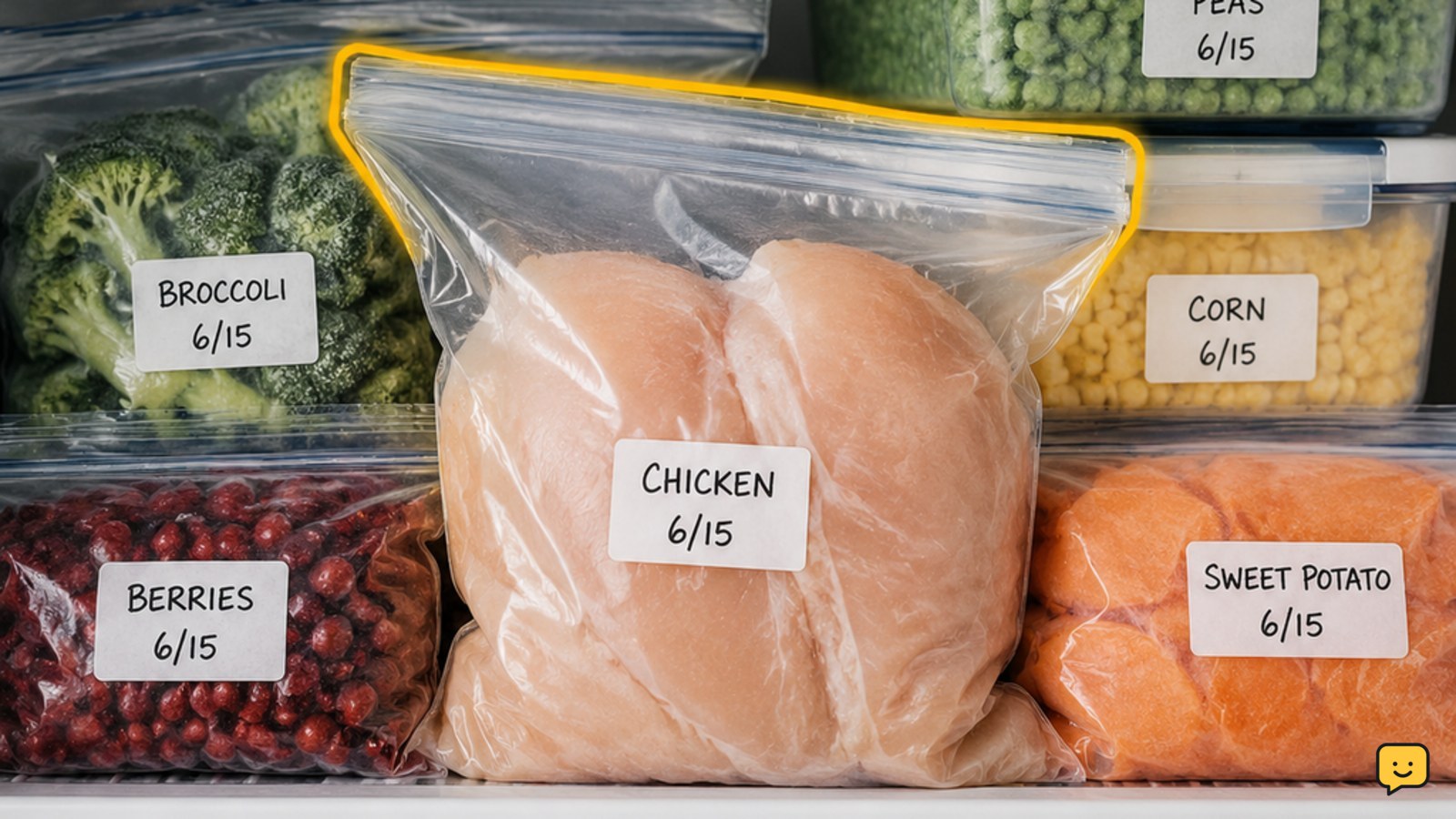
Removing air from the package is the most direct way to reduce freezer burn because exposed food surfaces lose moisture more quickly. Place food in a freezer bag, leave enough room at the top to close it, then press the bag from the bottom upward before sealing. For a rigid container, fill it as nearly as practical without blocking the lid or allowing food to touch the lid during expansion.
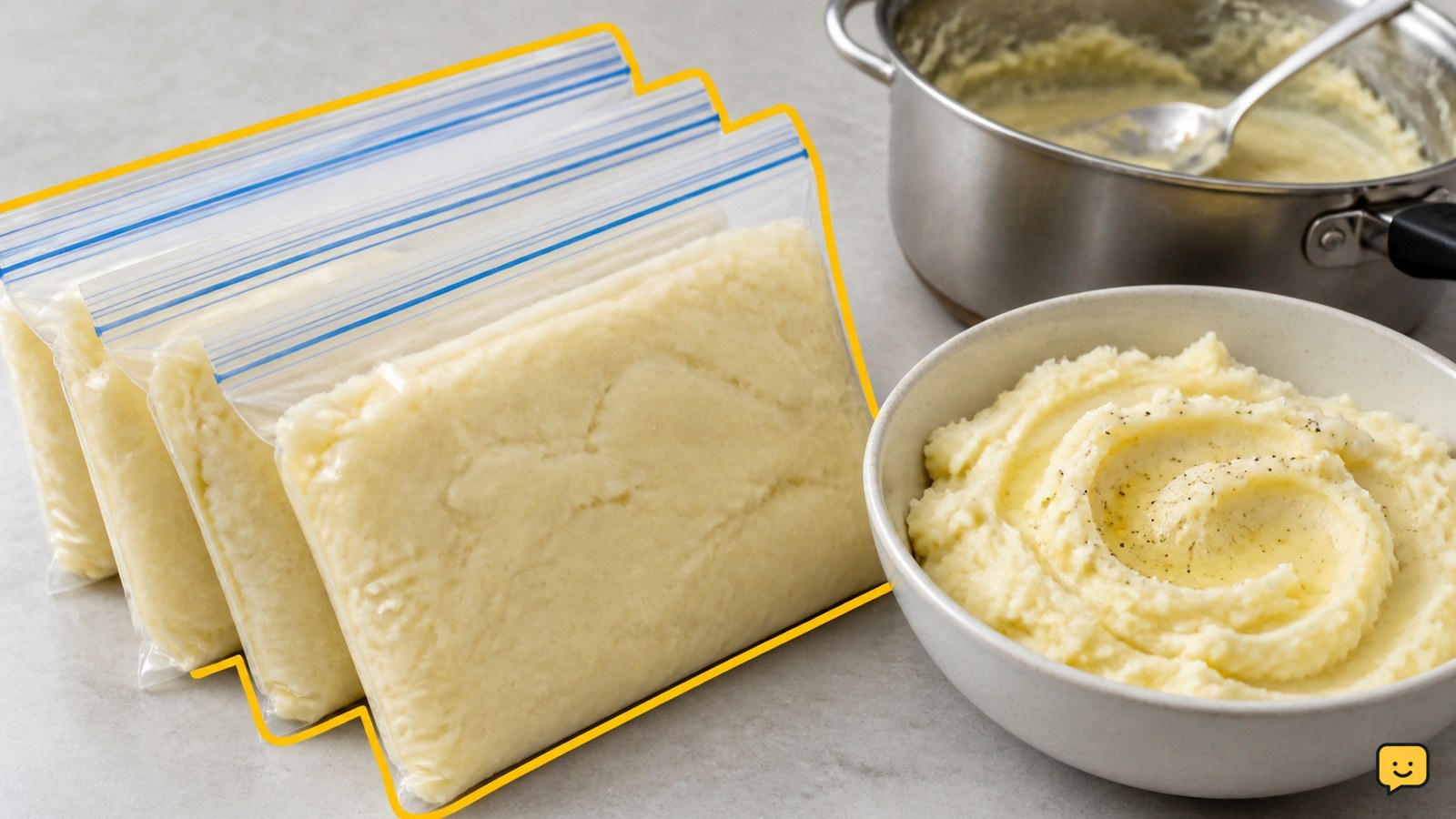
- Flatten meat, cooked grains, and other solid foods into an even layer so they freeze quickly.
- Press out visible air pockets, especially around corners and exposed surfaces.
- Seal the bag completely, then inspect the closure for gaps.
Vacuum sealing can remove more air, but it is not required. A well-closed freezer bag or container works when the food is surrounded by packaging with minimal empty space. The visible check is simple: the package should look snug around the food, with no large air bubble or exposed dry surface.
Choose packaging that blocks air and moisture
Freezer burn prevention depends on packaging that is designed for freezing, not just ordinary storage. Use thick freezer bags, freezer wrap, or airtight freezer containers. Thin sandwich bags, loose plastic wrap, and containers with poorly fitting lids allow more air exchange and are less suitable for long storage.
For extra protection, wrap solid food tightly in freezer paper or heavy-duty foil, then place it inside a freezer bag or container. Double-wrapping is especially useful for irregular cuts of meat, baked goods, and foods with sharp bones that could puncture a bag. Keep sharp edges covered and check for pinholes before storing.
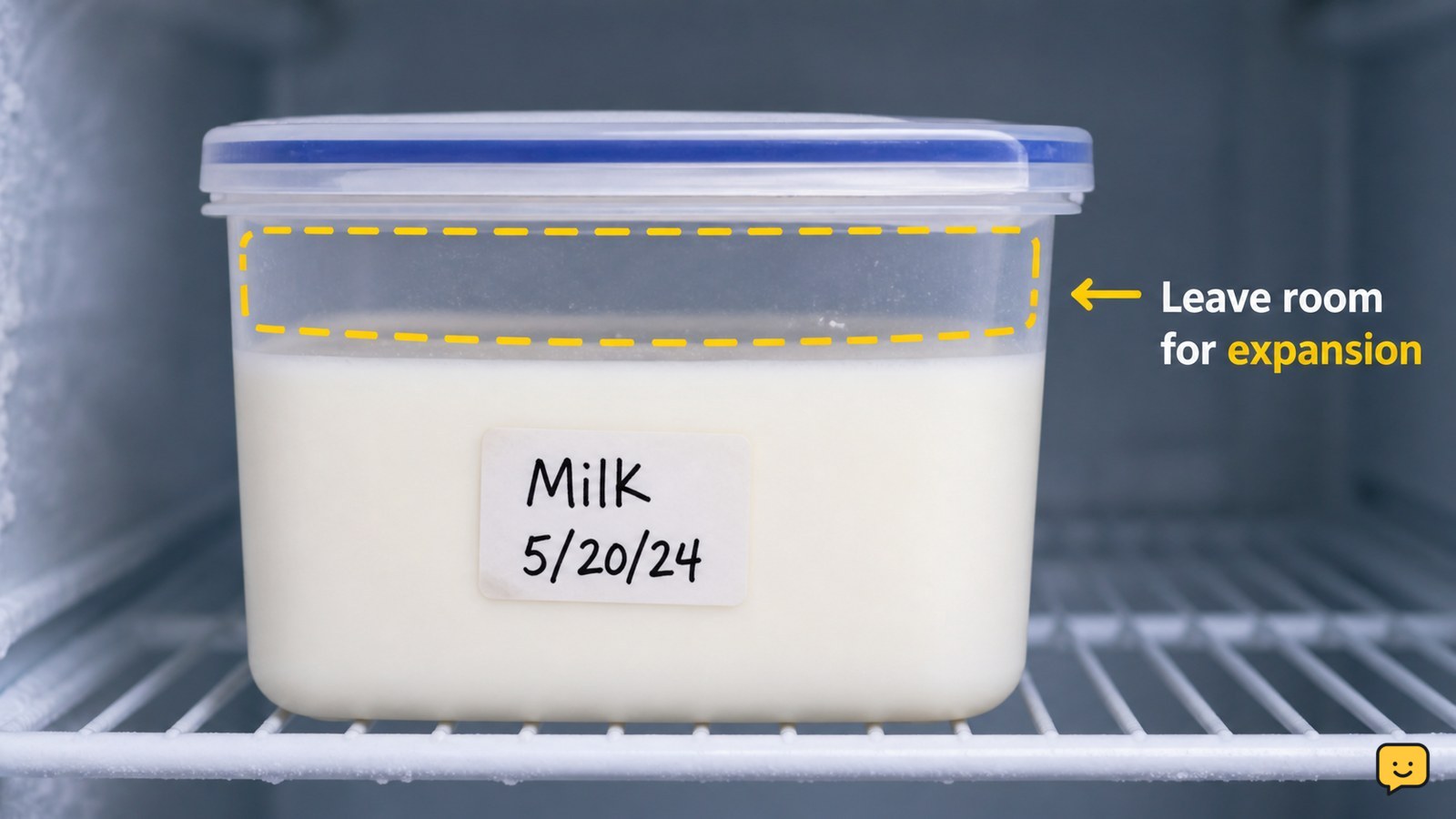
For liquids, leave expansion room rather than filling a container to the rim. The container should be freezer-safe, closed firmly, and standing upright until the contents are solid. For a related example, use these safe milk freezing steps when storing milk.
For liquid foods, use these safe milk freezing steps to leave expansion room and thaw milk safely.
Cool food and freeze it in useful portions
Food should be cooled promptly before it is packed, and large amounts should be divided into shallow portions. Smaller portions freeze more evenly and reduce the time food spends warm inside the freezer. Do not place a large hot pot directly into a crowded freezer, where it can warm nearby food and create temperature fluctuations.
- Divide leftovers, soups, sauces, or cooked dishes into meal-size portions.
- Use shallow containers or flat freezer bags for solid foods.
- Chill food promptly, then transfer it to the freezer once it is cold.
- Leave space between newly packed items until they are frozen solid, then stack them neatly.
The expected result is a firm package without a warm center, leaking condensation, or a layer of ice forming inside the packaging. If food is still warm after packing, move it to the refrigerator to cool rather than sealing it loosely and leaving it in the freezer.
When freezing mashed potatoes, portioning and airtight packaging also help preserve texture; see these mashed potato freezing tips for the related reheating step.
For a prepared side dish, these mashed potato freezing tips explain portioning, thawing, and reheating.
Keep the freezer cold and temperature-stable
Keeping the freezer at 0 F or below helps frozen food retain quality. Use the freezer’s temperature control according to the manufacturer’s instructions, and verify the actual temperature with a freezer thermometer if the display is missing or unreliable. Avoid leaving the door open while organizing food, and do not pack items so tightly that cold air cannot circulate.
Place newly packed food in the coldest available area, following the appliance manual if it identifies a fast-freezing or quick-freeze zone. Keep packages away from the door when possible because the door area experiences more temperature change. A steady temperature also reduces partial thawing and refreezing, which can create ice crystals and damage texture.
Check the package after it has frozen solid. It should remain tightly sealed, without a new layer of ice inside the bag or frost concentrated on exposed food. If frost keeps appearing, inspect the seal first, then check the freezer temperature and door gasket. Repack only food that has remained safely frozen and shows no spoilage signs.
Label, rotate, and assess freezer-burned food
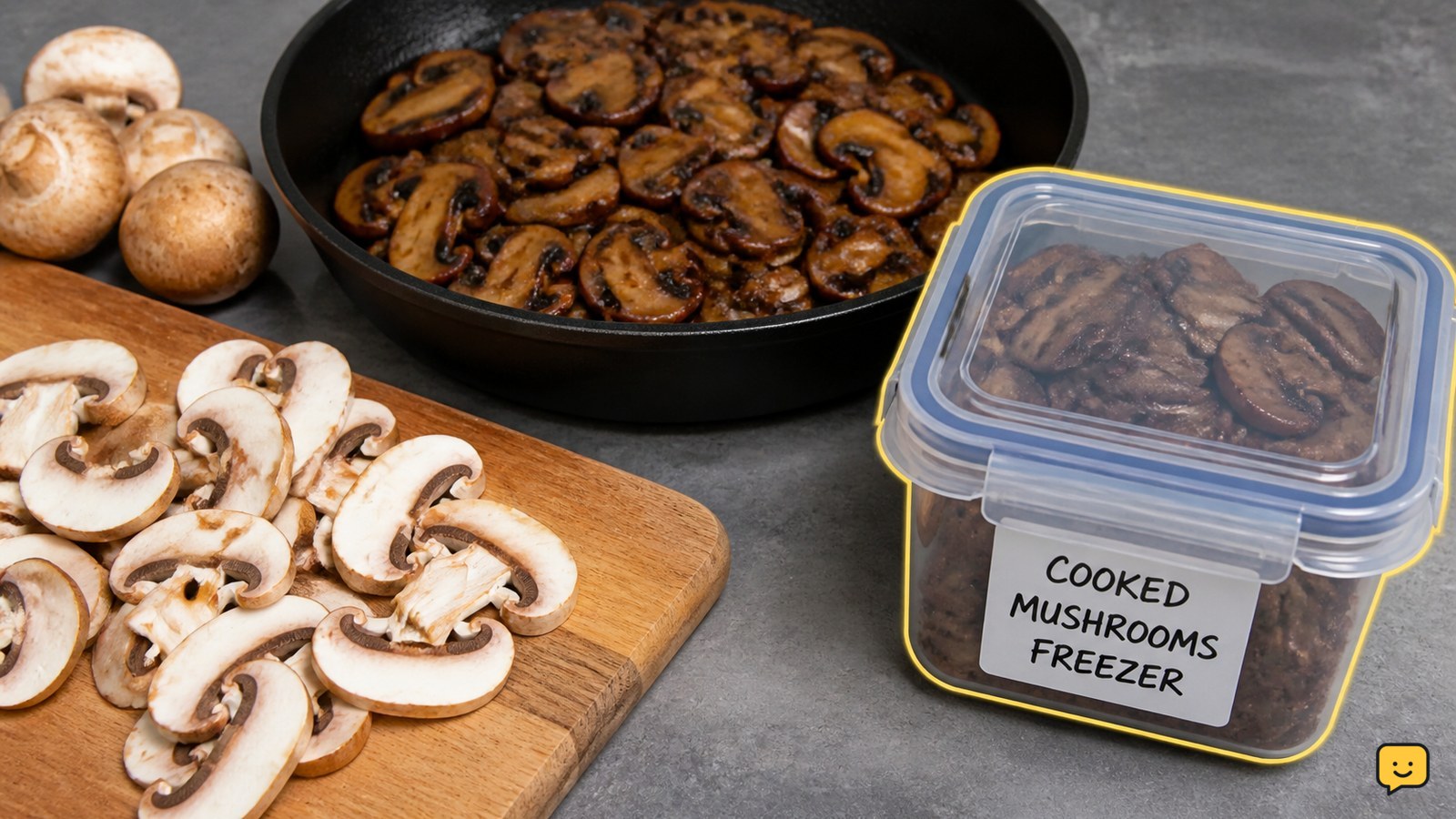
Label each package with the food name and freezing date, then place older packages where they will be used first. Freezer burn is usually a quality problem caused by moisture loss, not proof that food is unsafe. USDA Food Safety and Inspection Service guidance recommends proper wrapping and packaging to maintain frozen-food quality and advises using safe thawing practices.
After thawing in the refrigerator, inspect the food. Pale, dry, leathery patches or ice crystals indicate freezer burn. Trim small affected areas before cooking if the remaining food looks and smells normal. The texture may be drier, and the flavor may be weaker, so use the food in soup, stew, sauce, or another moist dish when appropriate.
Do not taste food to decide whether it is safe. Discard it if it smells sour or otherwise unusual, feels slimy, shows mold, has been exposed to an uncertain temperature, or has a damaged package that may have allowed contamination. When safety is uncertain, stop and discard it rather than trying to restore its quality.
Frequently asked questions
Is freezer-burned food safe to eat?
Usually, freezer-burned food is safe if it stayed continuously frozen and shows no spoilage signs. Freezer burn mainly damages flavor, color, and texture. Trim dry patches after thawing, but discard the food if it smells unusual, feels slimy, shows mold, has a damaged package, or has an uncertain temperature history.
Does vacuum sealing completely prevent freezer burn?
No. Vacuum sealing greatly reduces air exposure but does not make freezer burn impossible. Check that the seal is intact, protect sharp bones or edges, keep the freezer at 0 F or below, and avoid temperature swings. A failed seal can allow air and moisture loss even when the bag initially looks tight.
Can aluminum foil prevent freezer burn?
Yes, heavy-duty aluminum foil can help when it is wrapped tightly and used with freezer-rated packaging. Cover the entire surface without gaps, then place the food in a freezer bag or airtight container for added protection. Ordinary thin foil or a loose wrap is less reliable for extended storage.
Why does food get freezer burn even in a sealed bag?
A sealed bag can still allow freezer burn when it contains too much trapped air, has a tiny puncture, or loses its seal. Temperature fluctuations can also contribute to ice-crystal damage. Press out air, inspect the closure and bag for holes, use thicker freezer packaging, and verify that the freezer remains at 0 F or below.