Skip to content
ShowU

Writing & Communication

Practical writing, correspondence, speaking and communication guides.

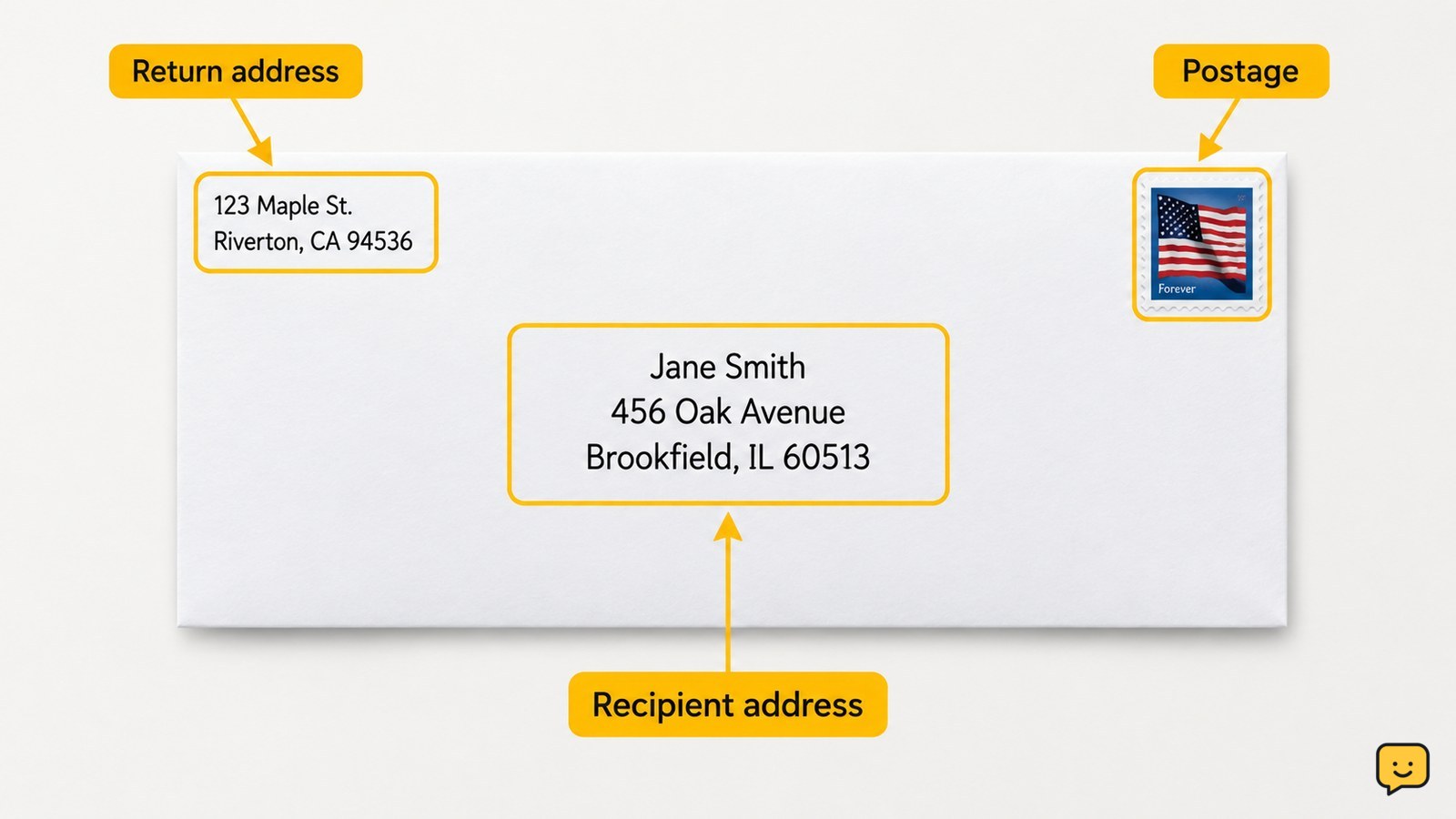
Annotated front of a standard envelope showing recipient address in the center, return address in the upper-left, and stamp in the upper-right
Writing & Communication

How to Address an Envelope: Mailing Basics

Write the recipient’s name and full mailing address in the center of the envelope’s front. Put your return address in the upper-left corner, then place the stamp in the upper-right corner. Keep the writing legible, leave clear space around the stamp and addresses, and check the address against your source before sealing or mailing.

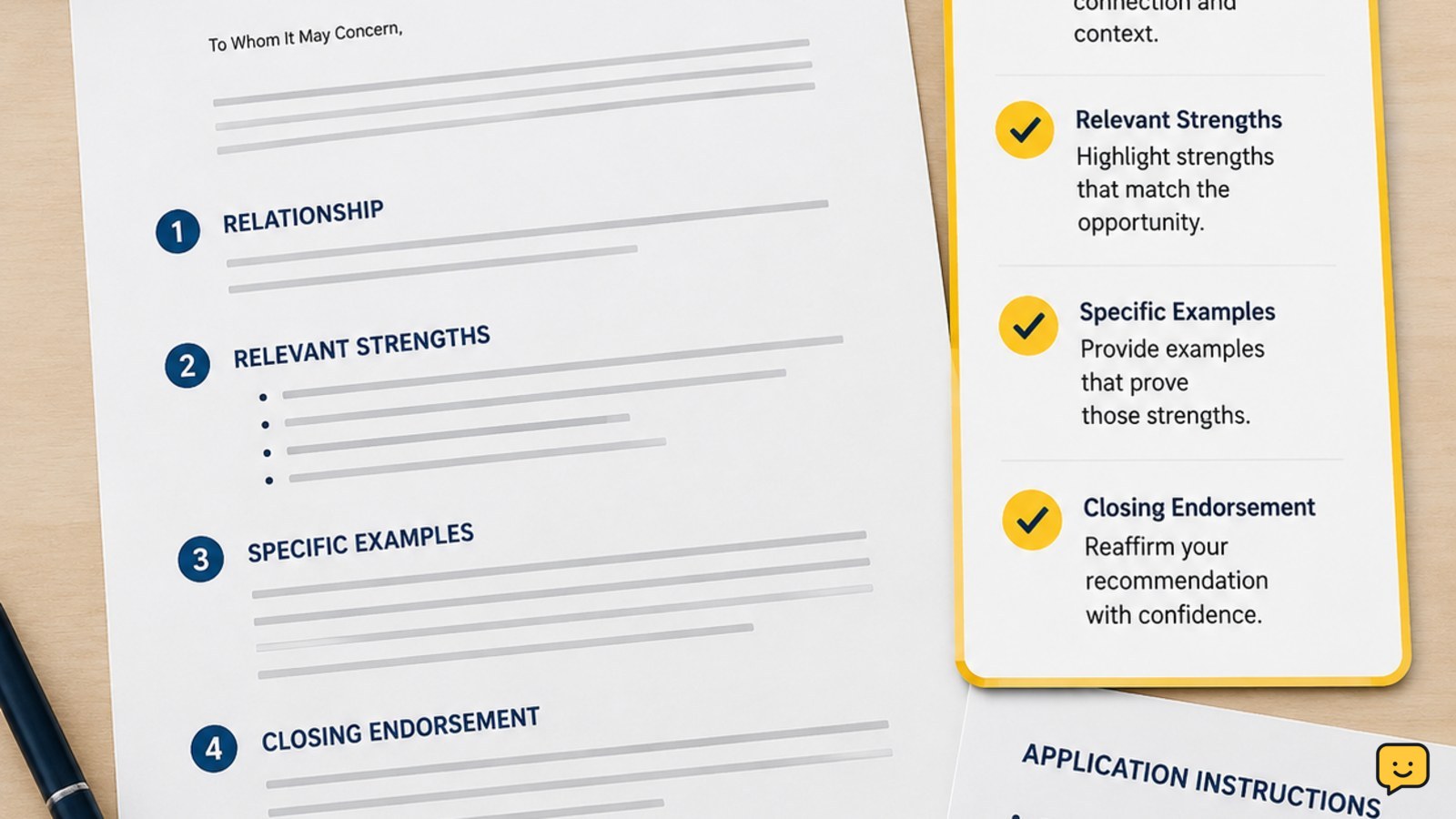
Recommendation letter draft beside an evidence checklist and application instructions
Writing & Communication

How to Write a Recommendation Letter: Key Steps

To write a recommendation letter, confirm what the recipient needs, collect two or three specific examples of the person’s work, and organize the letter around a clear endorsement. Introduce your relationship, explain the person’s relevant strengths, prove them with brief examples, and close with a confident recommendation and your contact information. Check the required format before sending.

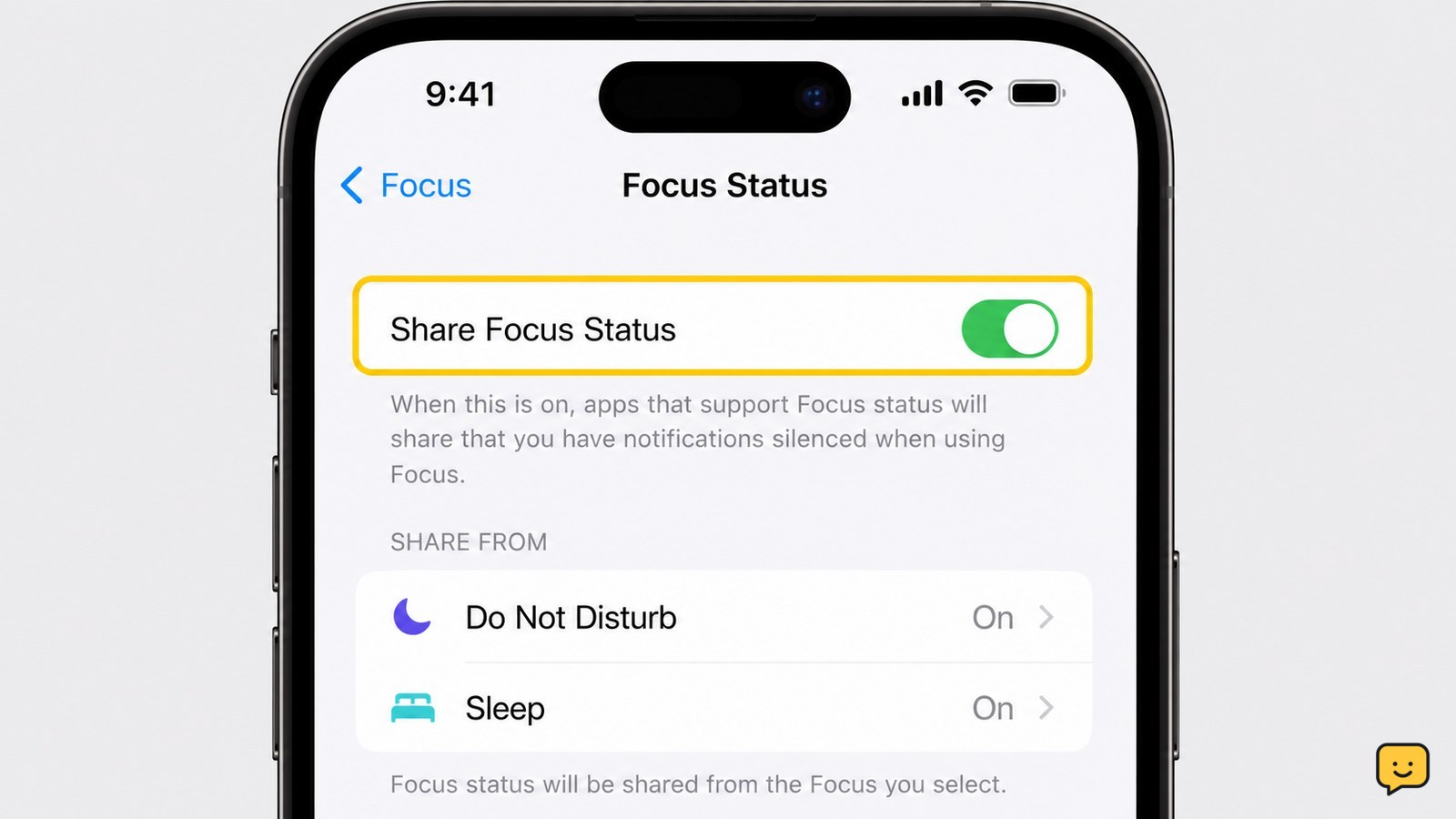
iPhone Focus Status settings screen with Share Focus Status control visible
Writing & Communication

What Does Share Focus Status Mean? iPhone Guide

Share Focus Status means your iPhone can tell people in compatible apps, especially Messages, that your notifications are currently silenced by a Focus such as Do Not Disturb, Work, or Study. It does not show your notifications, messages, location, or exact activity. Contacts may still be able to notify you for urgent matters.

Split scene showing a person in an online chat on one side and an in-person conversation on the other
Writing & Communication

What Does IRL Mean? In Texts and Work Chats

IRL means “in real life.” People usually write or say it as the letters I-R-L, especially in informal texts, direct messages, and online chats. It distinguishes an in-person or offline experience from something that happens online or in a digital space. In a work or learning message, treat IRL as casual shorthand and use “in person” for formal writing.

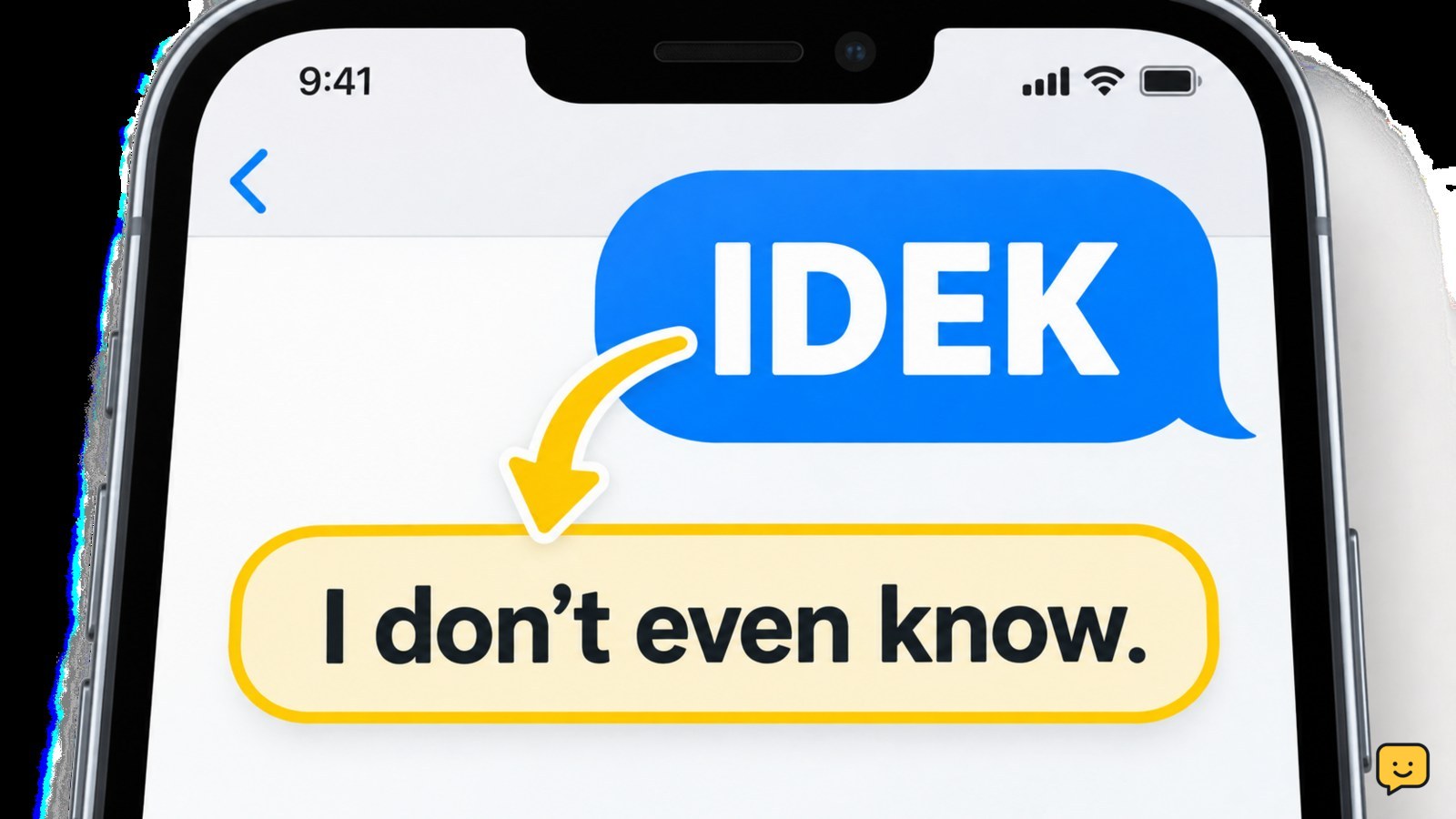
Instructional text-message graphic showing IDEK expanding to I do not even know
Writing & Communication

IDEK Meaning: How to Read It in Messages

IDEK means “I don’t even know.” People use it in texts, group chats, and social posts to show confusion, disbelief, or mild frustration. Read the message around it to judge the tone. It fits casual conversation, but spell out your meaning in work, school, or other formal communication.

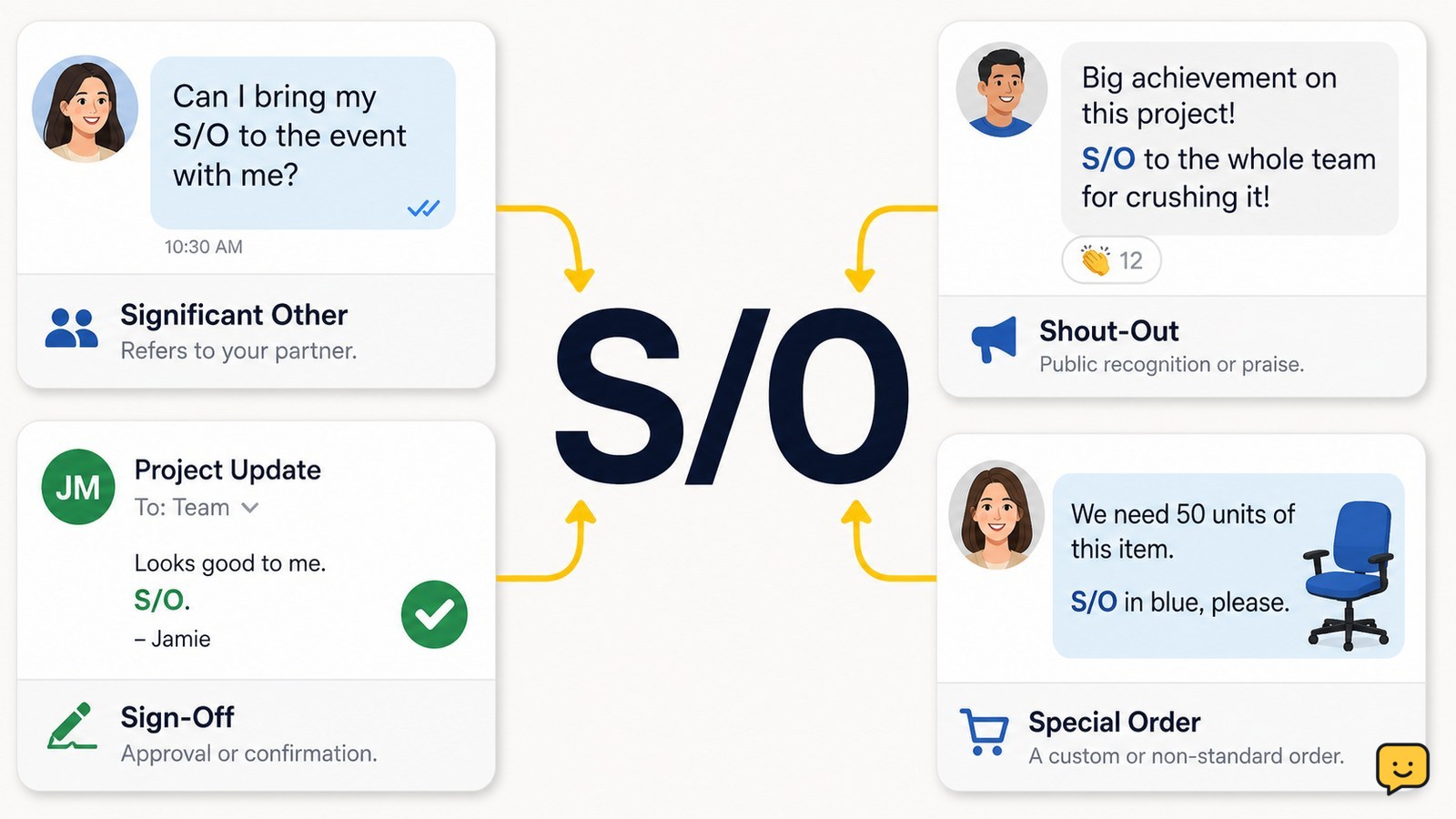
Four message examples showing the different meanings of S/O
Writing & Communication

What Does S/O Mean? Significant Other

S/O most commonly means “significant other,” referring to a spouse, partner, or other romantic life partner. In workplace or online messages, S/O may also mean “shout-out,” “sign-off,” or “special order.” Check the surrounding words, the sender, and the message purpose before choosing a meaning.

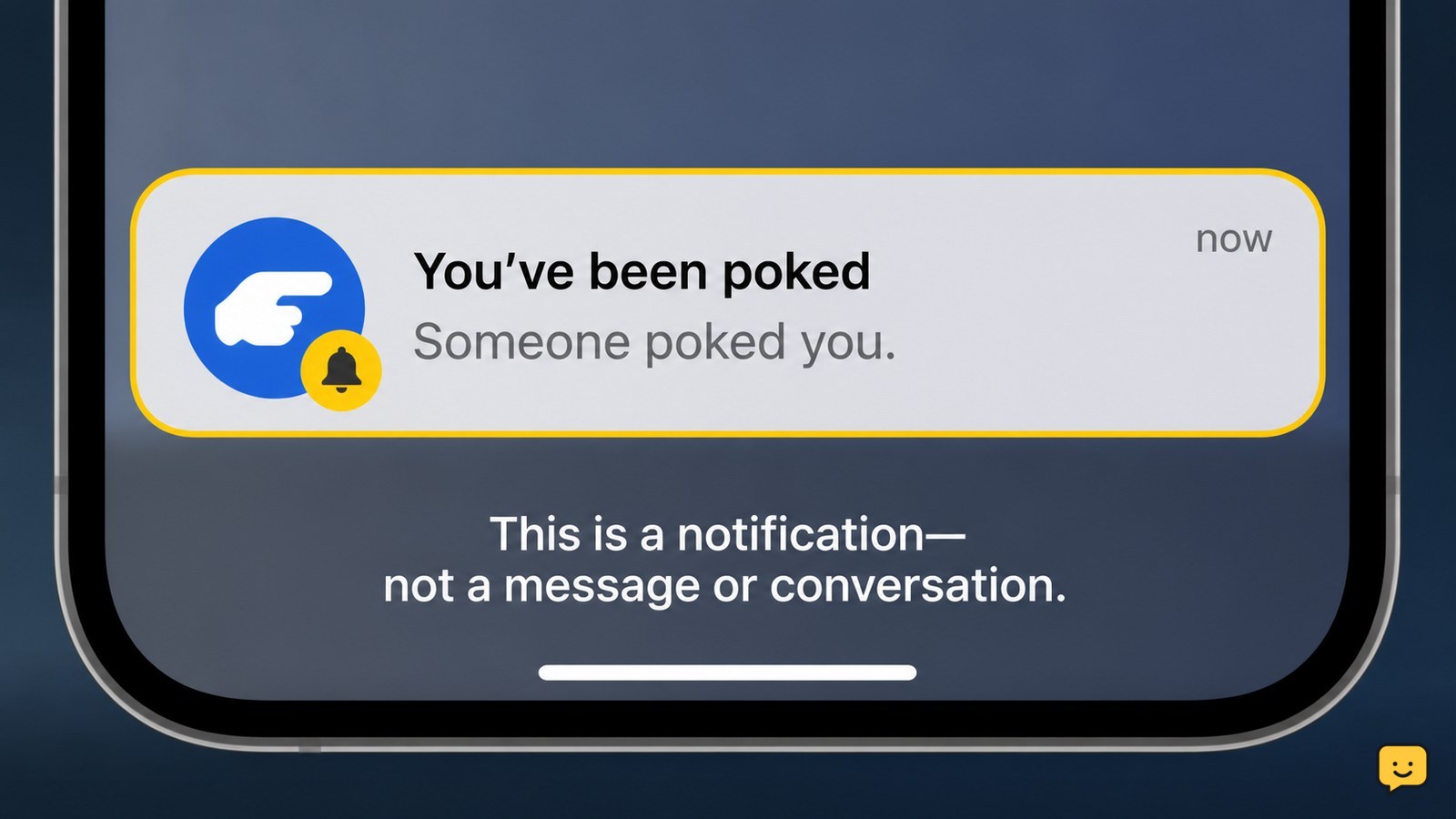
Illustration of a phone notification labeled as a Facebook poke with a highlighted alert indicator
Writing & Communication

When You Poke Someone on Facebook: What It Means

On Facebook, a poke is a lightweight alert: the person you poke receives a notification. It does not include a written message or carry one fixed meaning. Someone may use it as a casual hello, a prompt to interact, or a playful exchange. Only the sender can tell you what they intended.

HMU Meaning: How to Read and Use It in Messages
Writing & Communication

HMU Meaning: How to Read and Use It in Messages

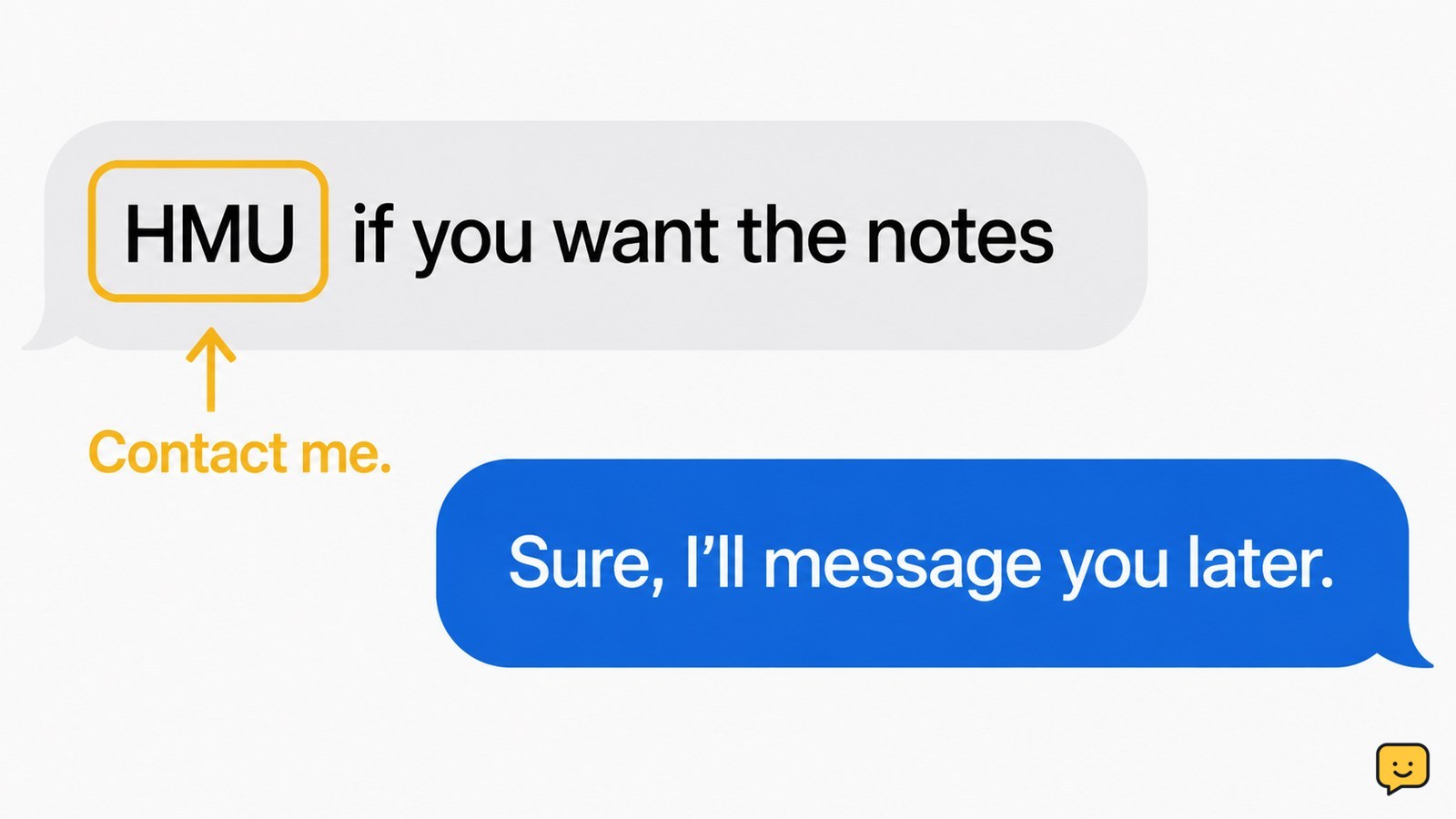
HMU means “hit me up.” In a text, chat, or social post, it is a casual invitation to contact the sender—usually by messaging, calling, or replying later. Read the surrounding sentence to confirm the timing and purpose. In formal work or school communication, use “contact me” or “message me” instead.