Skip to content
ShowU

Cooking Basics

Techniques, timing, preparation and everyday cooking guides.

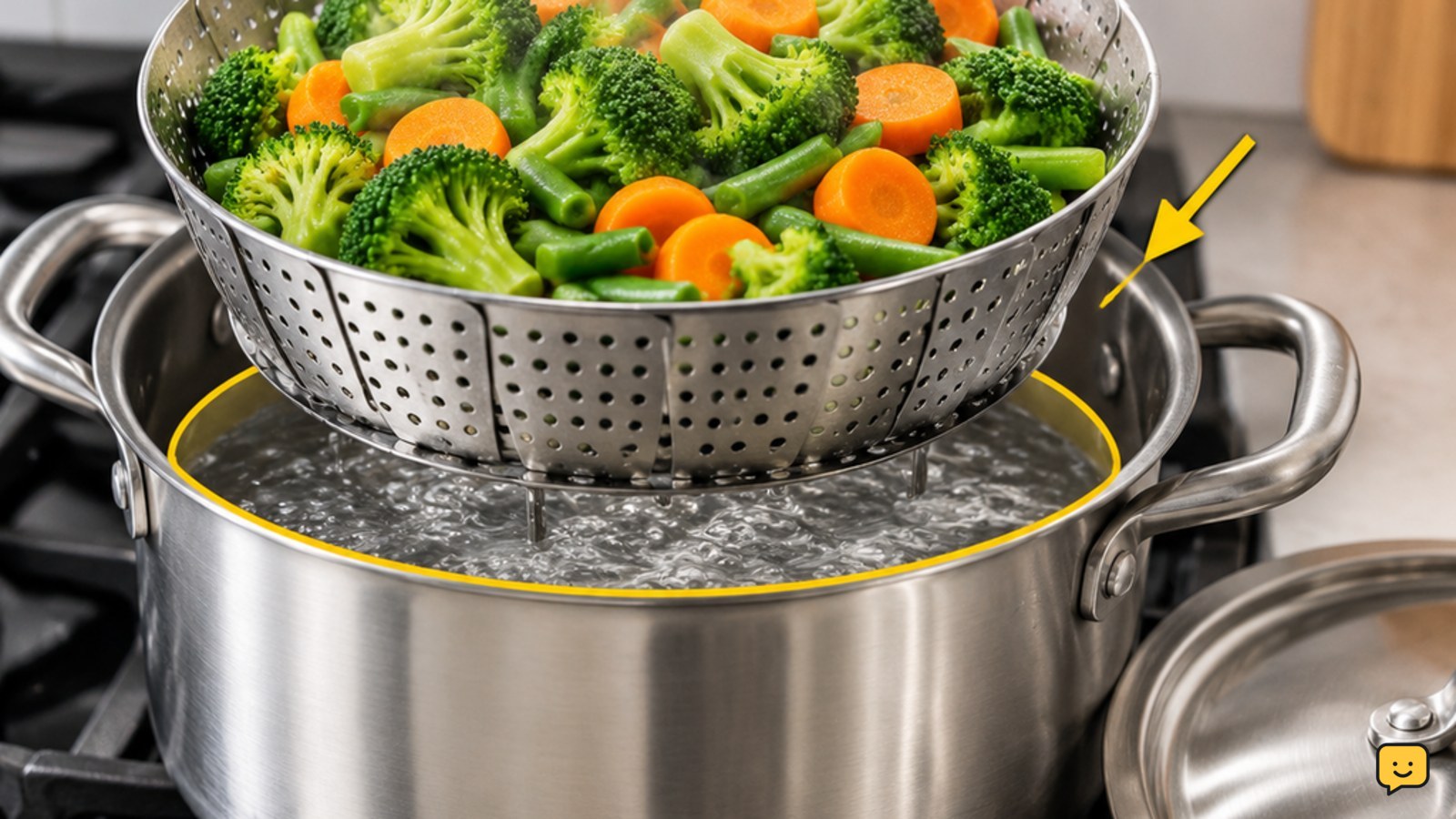
Mixed vegetables steaming in a basket above simmering water in a covered pot
Cooking Basics

How to Steam Vegetables: Even Results

To steam vegetables, add about 1 inch of water to a pot, place cut vegetables in a steamer basket above the water, cover, and bring the water to a steady simmer. Cook until the pieces are bright and tender-crisp, checking with a fork. Add water if needed, but stop cooking when the vegetables reach the texture you want.
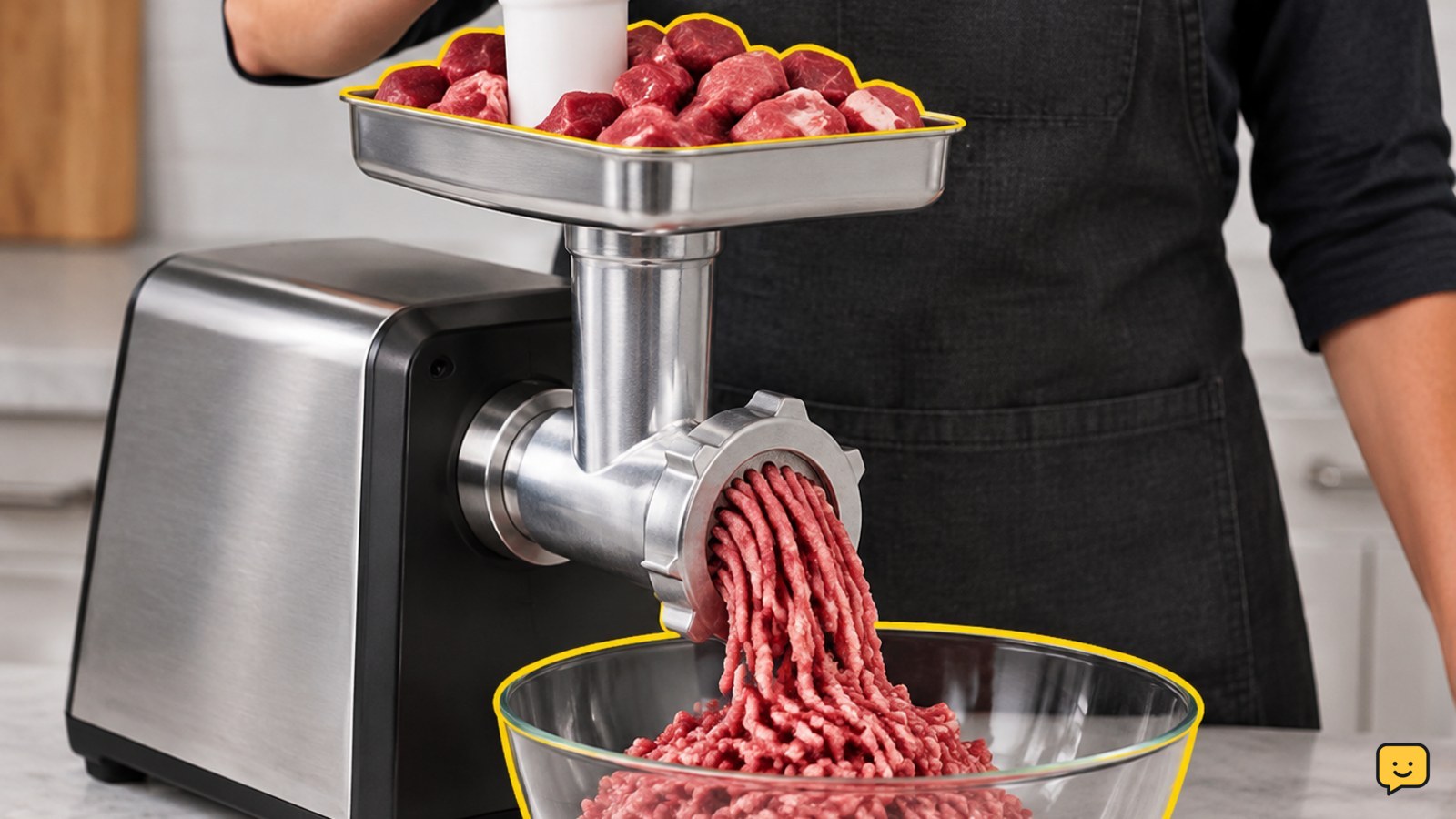
Assembled meat grinder feeding chilled cubed meat into a bowl
Cooking Basics

How to Use a Meat Grinder: Better Texture

To use a meat grinder, chill the meat and removable grinder parts until very cold, cut the meat into small cubes, assemble the correct blade and plate, and feed the cubes through the tube with the supplied pusher. Grind into a chilled bowl, check the texture, then unplug, disassemble, wash, dry, and refrigerate or cook the meat promptly.

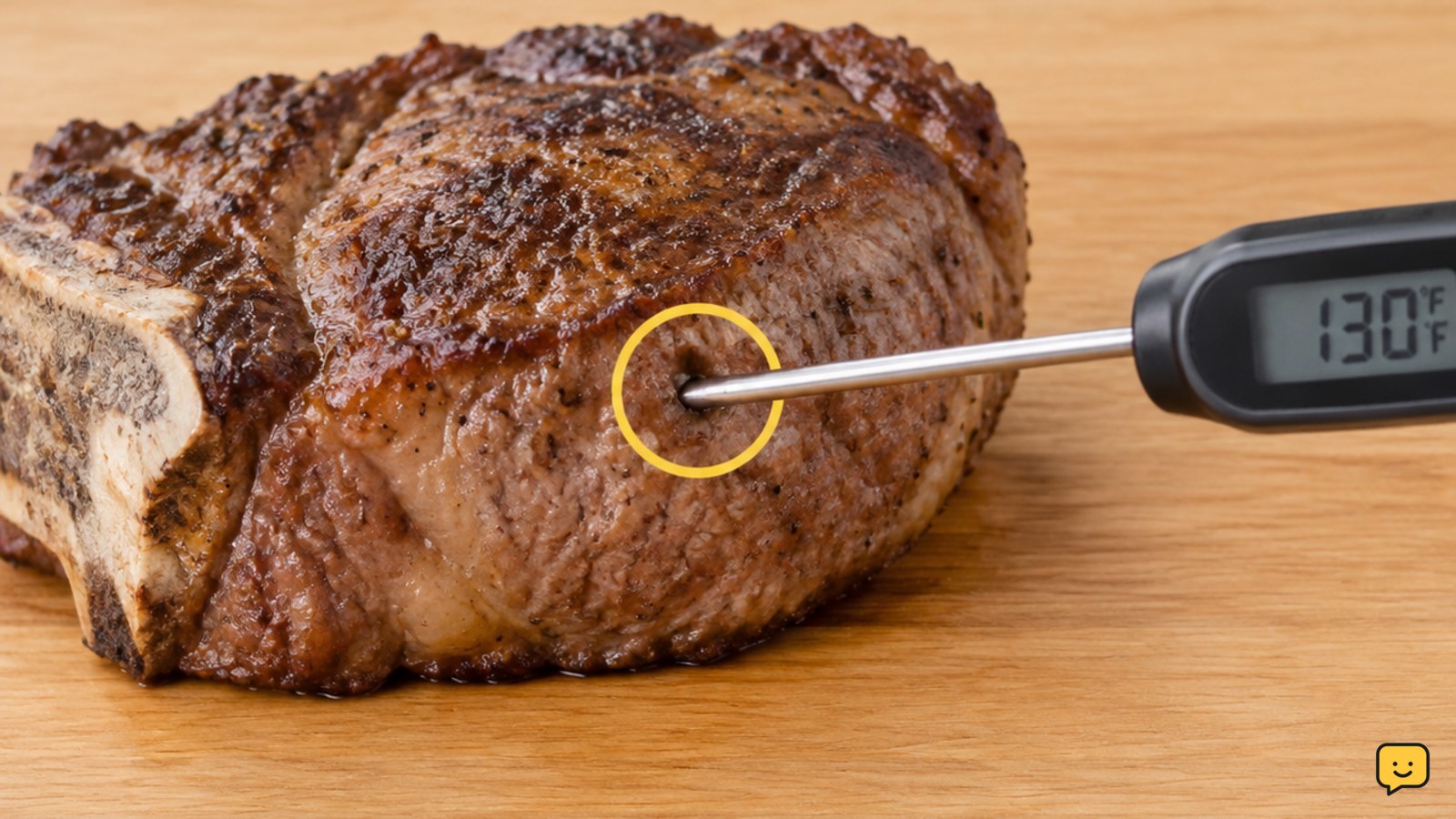
Instant-read meat thermometer inserted horizontally into the thickest part of a steak
Cooking Basics

How to Use a Meat Thermometer: Safe Checks

Insert the thermometer probe into the thickest part of the meat, aiming for the center and avoiding bone, fat, and gristle. Wait until the reading stabilizes, then compare it with the safe minimum for that food. Check more than one spot in large or uneven pieces, and wash and sanitize the probe after handling raw meat.

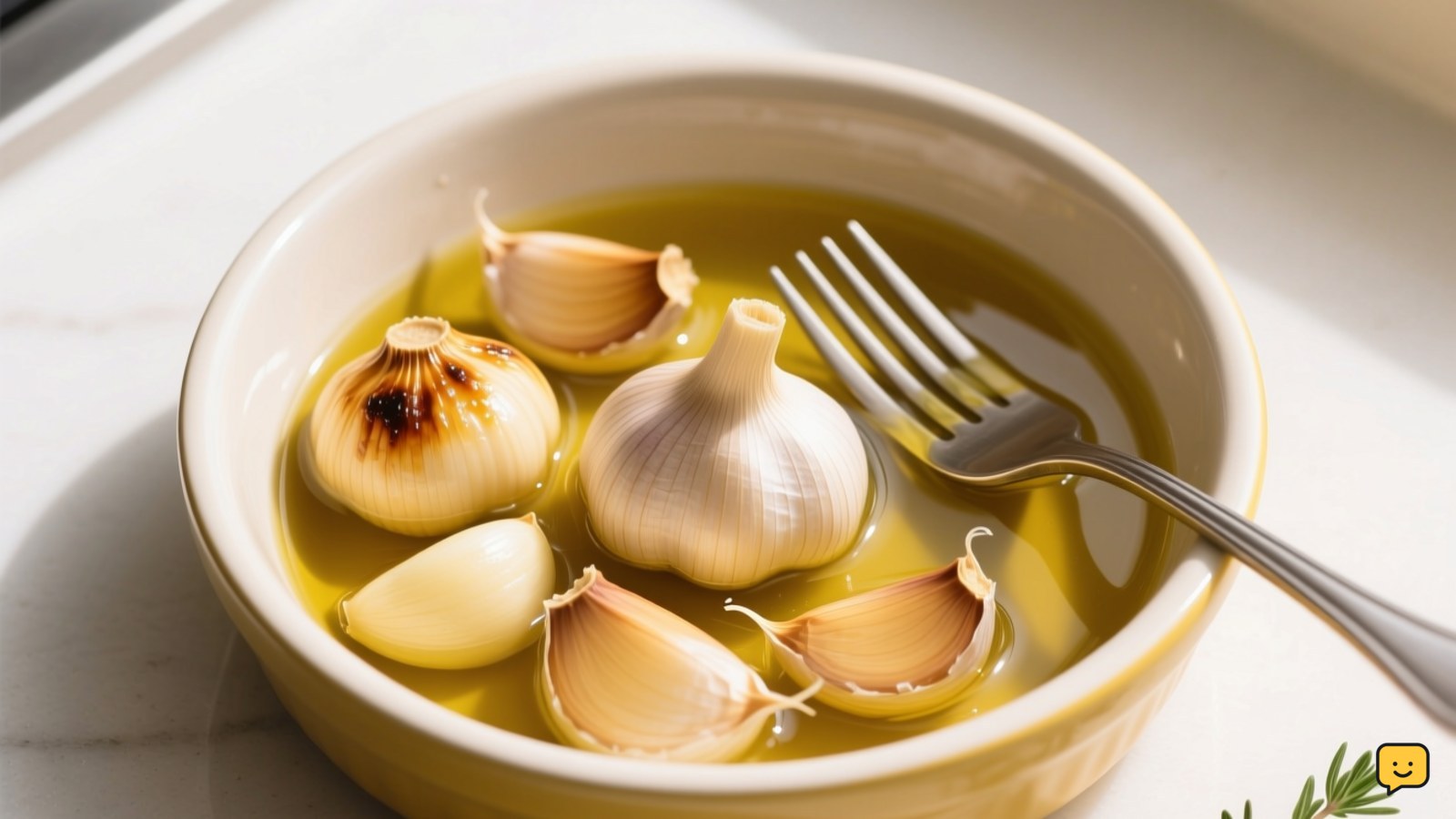
Soft golden garlic cloves submerged in olive oil in a small baking dish
Cooking Basics

How to Make Garlic Confit: Tender Cloves

To make garlic confit, peel enough garlic cloves to fill a small baking dish in one layer, cover them completely with olive oil, and add salt or herbs if desired. Cover and bake at 250°F for about 2 to 2½ hours, until the cloves are very tender and lightly golden. Cool, refrigerate promptly, and never keep garlic-in-oil at room temperature.

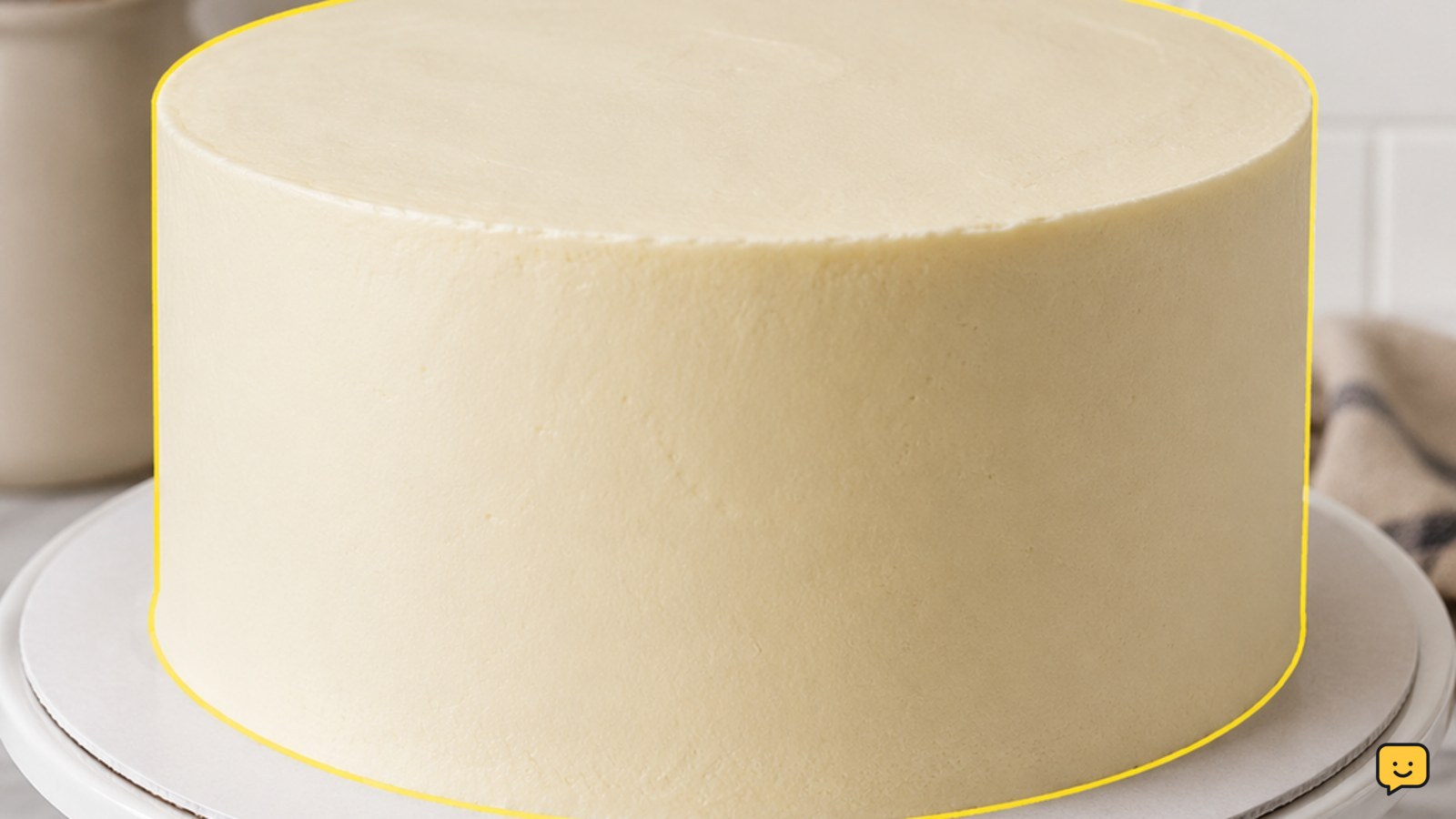
Layered cake covered with smooth buttercream frosting on a cake stand
Cooking Basics

How to Frost a Cake: Smooth Layers

To frost a cake, let the layers cool completely, level them if needed, and place one layer on a cake board or plate. Spread an even filling between layers, cover the cake with a thin crumb coat, then chill until firm. Add the final frosting layer and smooth the top and sides with an offset spatula.

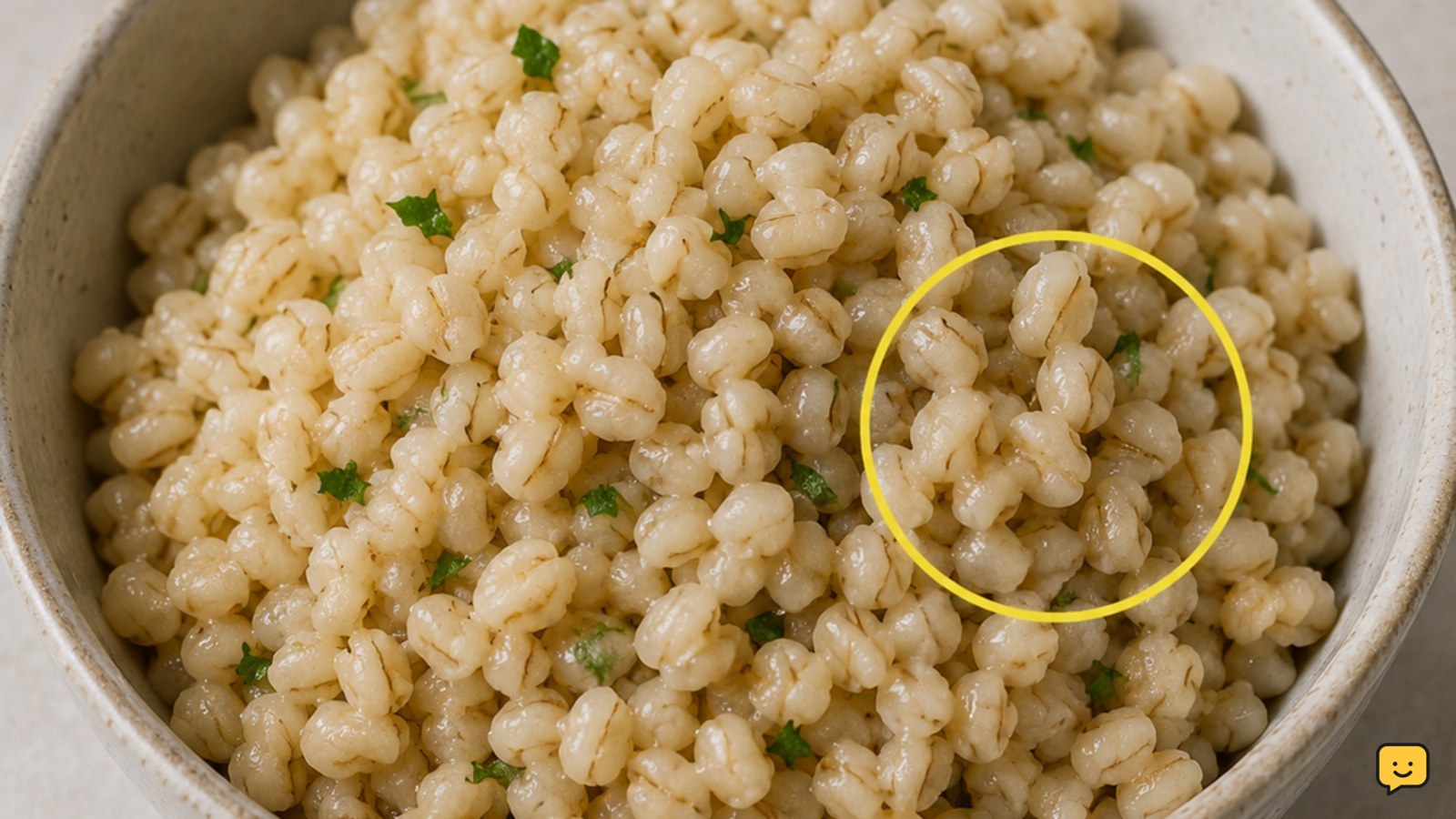
Bowl of cooked barley with plump chewy grains and herbs
Cooking Basics

How to Cook Barley: Tender, Chewy Grains

To cook barley, combine 1 cup rinsed barley with 3 cups water or broth. Bring it to a boil, reduce to a gentle simmer, and cook until the grains are tender but pleasantly chewy. Pearl barley usually takes 25 to 30 minutes. Drain excess liquid, rest briefly, then season and serve.

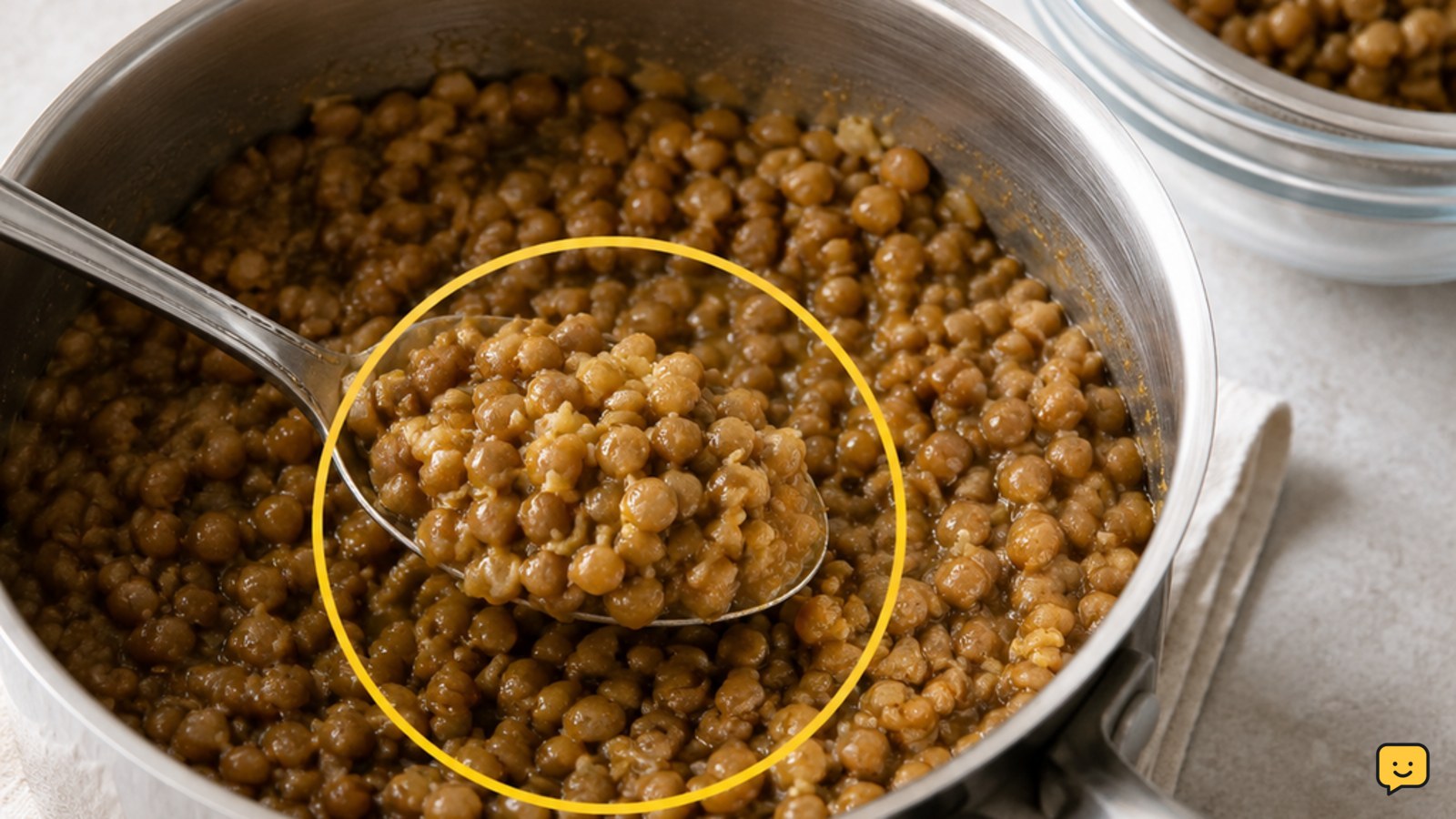
A saucepan of tender cooked lentils with a spoon and drained lentils nearby
Cooking Basics

How to Cook Lentils: Tender Every Time

Rinse 1 cup of dry lentils and remove any stones or shriveled pieces. Put them in a saucepan with enough water to cover them by about 1 inch. Bring the water to a boil, cover, reduce to a gentle simmer, and cook until tender. Start checking whole lentils at 15 minutes; split red lentils cook faster.

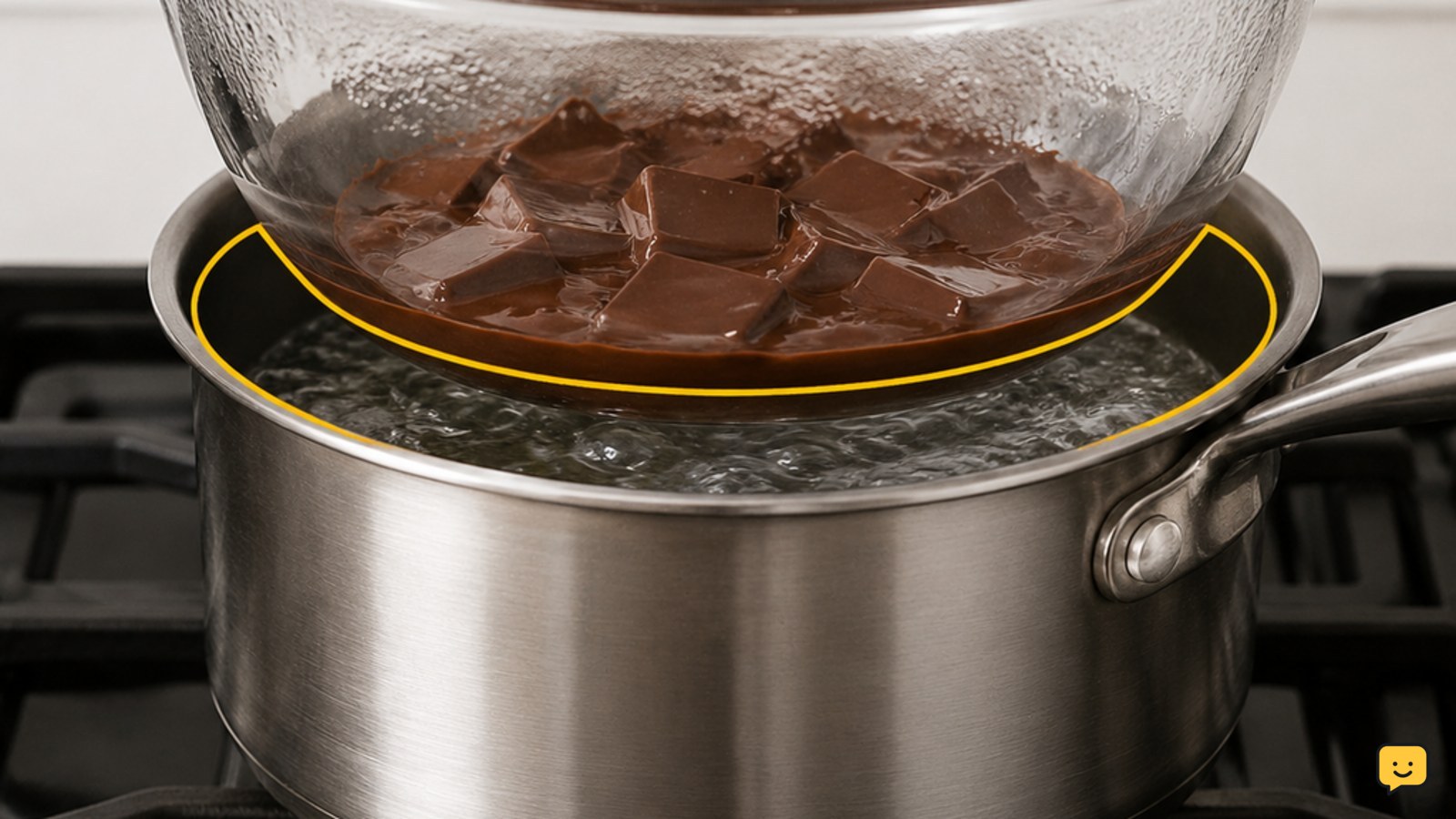
Heat-safe bowl resting above simmering water in a saucepan to form a double boiler
Cooking Basics

What Is a Double Boiler: Gentle Heat

A double boiler is a two-part cooking setup: a lower pot holds gently simmering water, while an upper bowl or pan holds the food. Steam from the water warms the upper vessel indirectly and more gently than direct burner heat. It is commonly used to melt chocolate or warm heat-sensitive mixtures without scorching them.

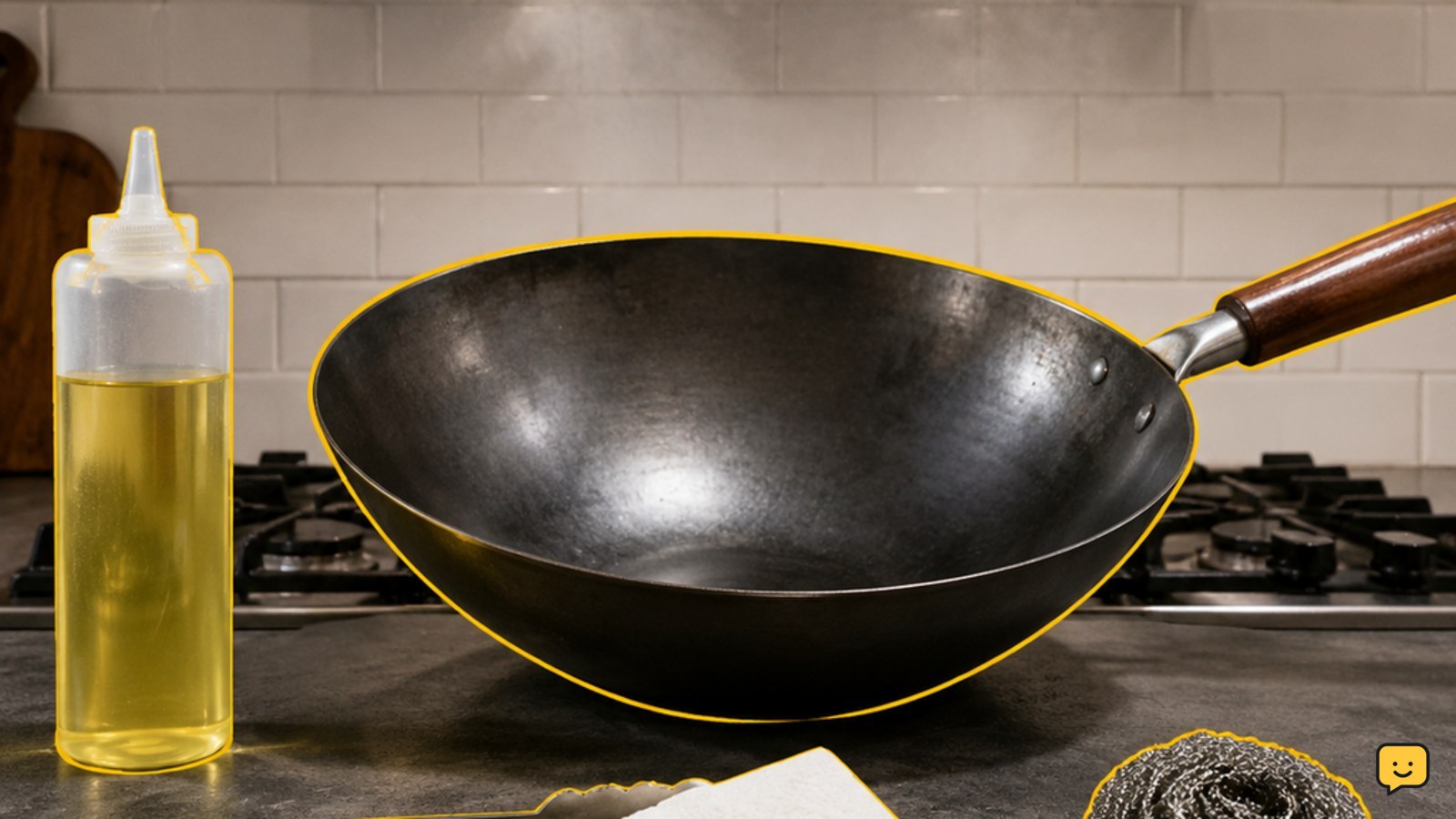
Carbon-steel wok beside oil, tongs, paper towels, and a scrub pad ready for seasoning
Cooking Basics

How to Season a Wok: Better Stir-Frying

To season a carbon-steel wok, scrub off the factory coating, rinse and dry it, heat it until completely dry, then wipe on a very thin layer of high-smoke-point oil. Heat until the oil smokes lightly, let the wok cool, and repeat the oil-and-heat cycle until the surface looks darker and feels smooth.

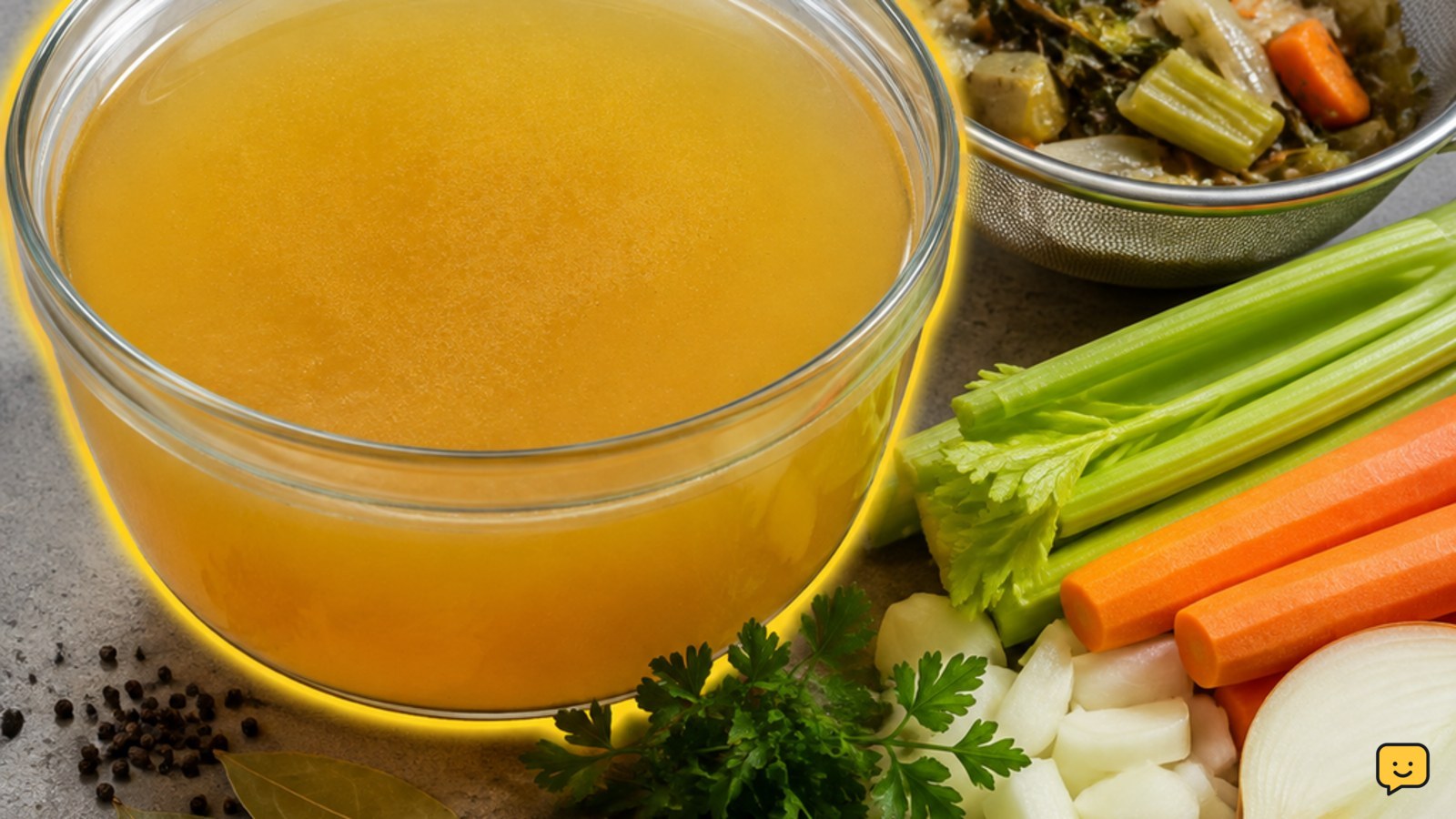
A bowl of homemade vegetable stock beside carrots, celery, onion, garlic, herbs, and a fine-mesh strainer
Cooking Basics

How to Make Vegetable Stock: Rich Flavor

To make vegetable stock, combine chopped onion, carrot, celery, garlic, herbs, peppercorns, and 10–12 cups of water in a large pot. Bring it to a boil, reduce to a gentle simmer, and cook for about 1 hour. Strain when the liquid smells savory and tastes well rounded, then cool and store.