Skip to content
ShowU

Camping & Outdoors

Camping equipment, outdoor setup and practical wilderness-safety guides.

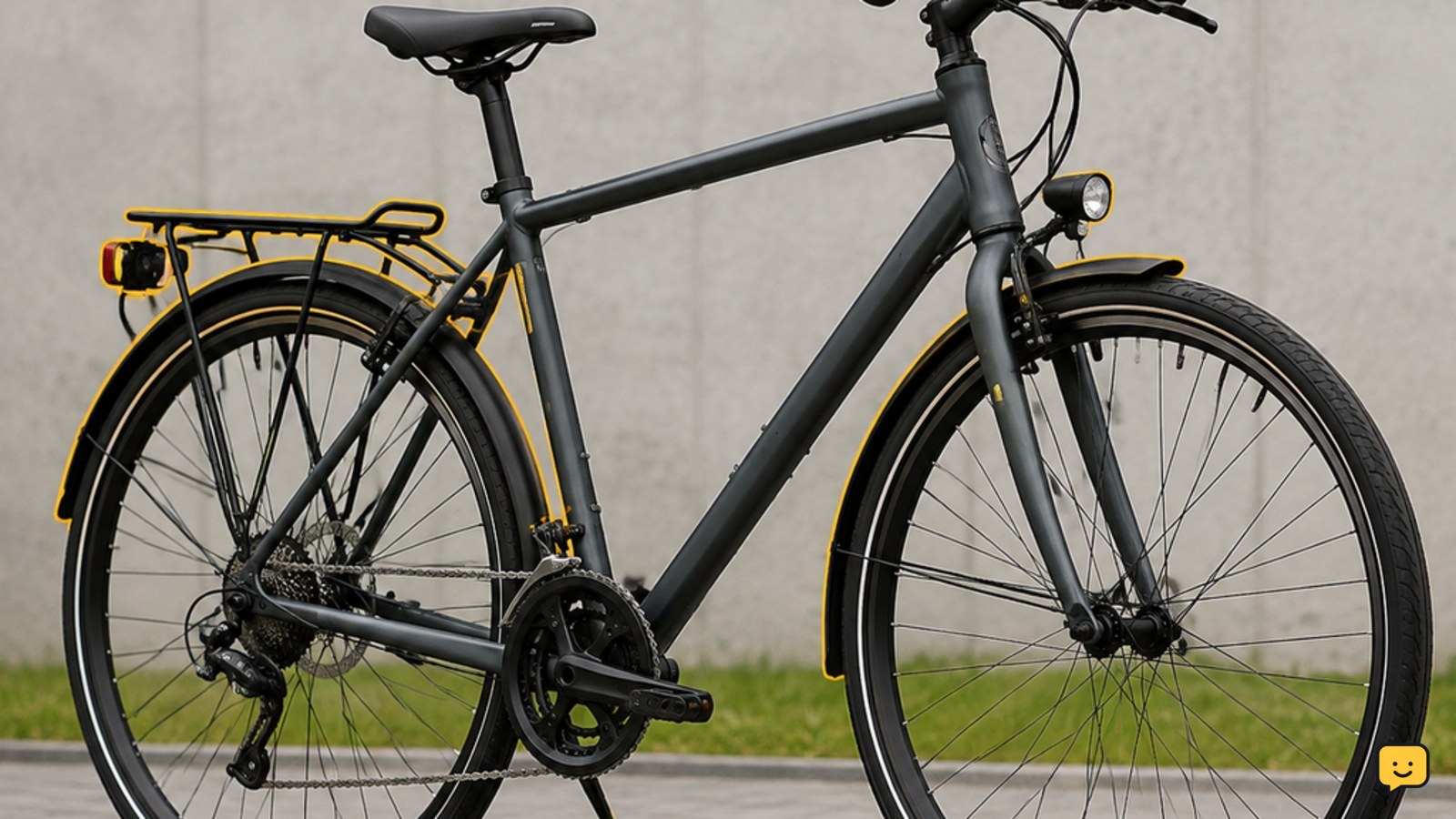
Side view of a practical commuter bicycle with flat handlebars, medium-width tires, rear rack, fenders and lights
Camping & Outdoors

What Is a Commuter Bike: Daily Riding

A commuter bike is a bicycle designed for regular trips such as riding to work, school, shops or public transport. It typically prioritizes a comfortable riding position, dependable components, practical gearing and compatibility with racks, fenders or lights. It is a use category rather than one strict frame design, so city bikes, hybrids and some flat-bar road bikes can all serve as commuters.

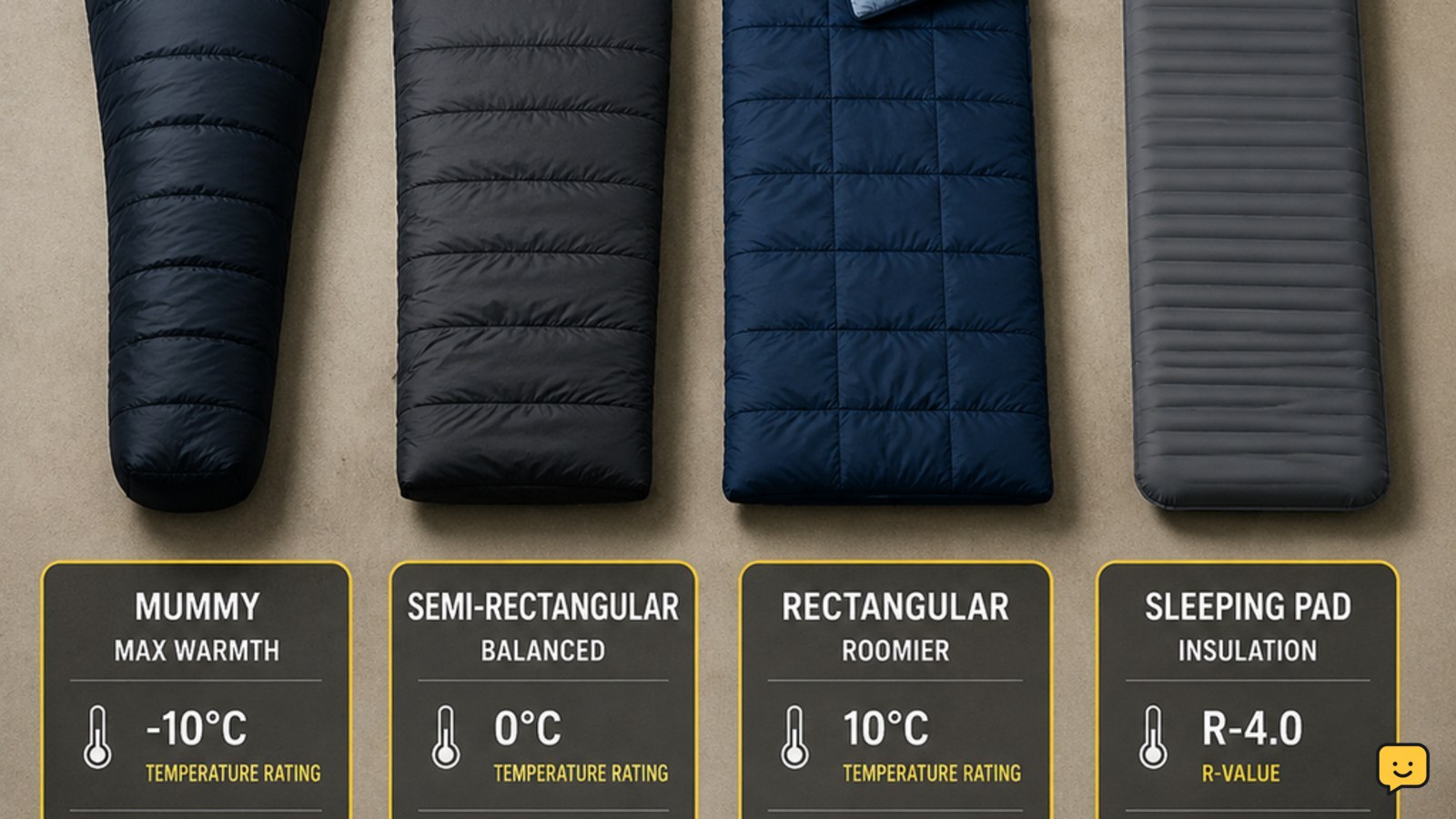
Three sleeping bags with different shapes and insulation weights arranged beside a sleeping pad and temperature-rating labels
Camping & Outdoors

How to Choose a Sleeping Bag: Match Warmth

Choose a sleeping bag for the coldest conditions you realistically expect, not the average daytime temperature. Compare its temperature rating, insulation, shape, fit, packed size and weight, then consider your sleeping pad and clothing as part of the same sleep system. If the forecast or your experience is uncertain, choose more warmth and verify the manufacturer’s rating and fit before buying.

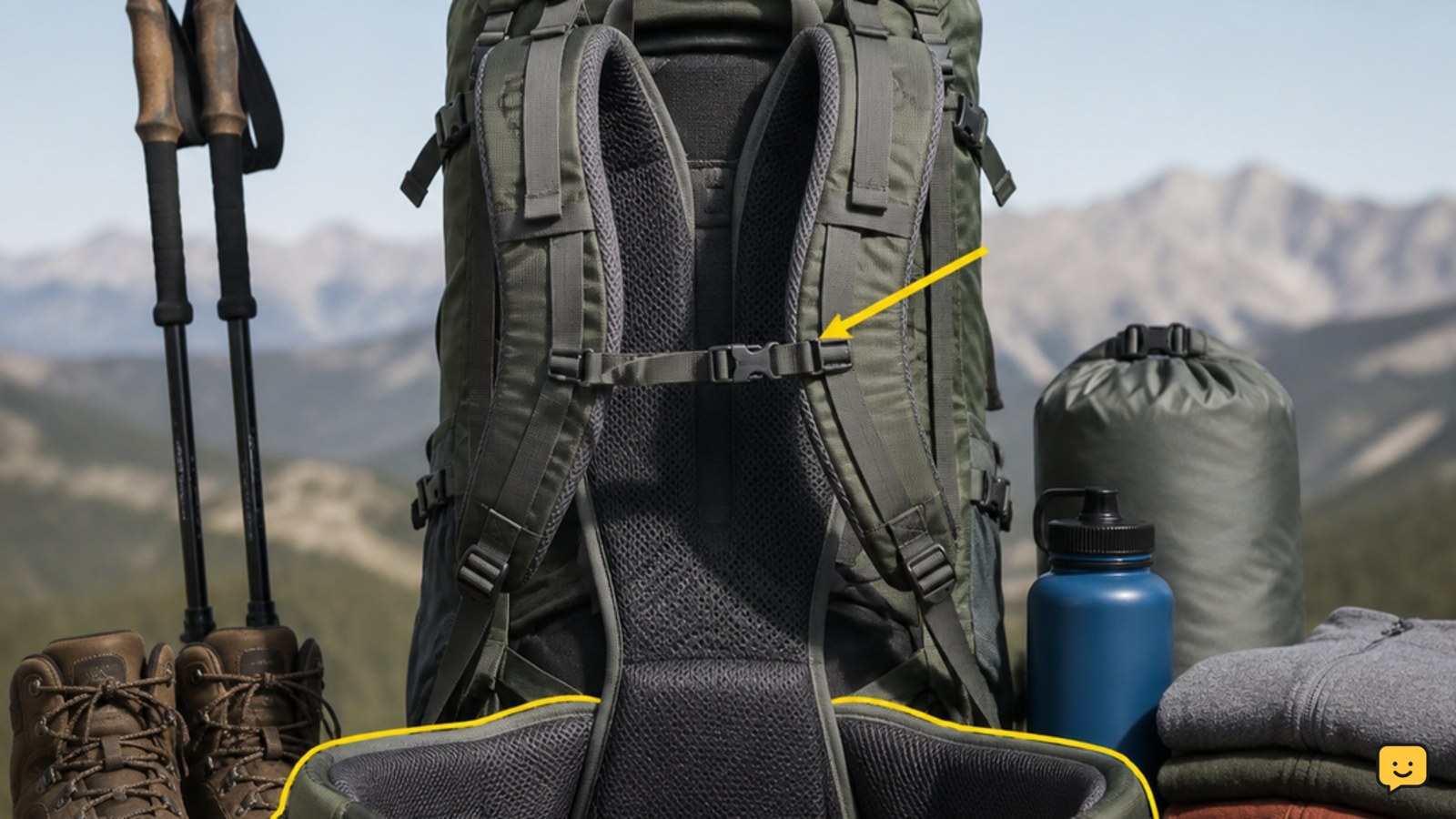
Outdoor backpack shown with a secure hip belt and adjusted shoulder straps beside packed hiking equipment
Camping & Outdoors

How to Choose a Backpack: Get the Fit Right

Choose a backpack in this order: decide where and how long you will use it, estimate the gear you must carry, select an appropriate capacity, measure your torso, then try the loaded pack. The right pack keeps most weight supported by the hips, leaves your shoulders comfortable, stays stable while walking and has no pressure points.

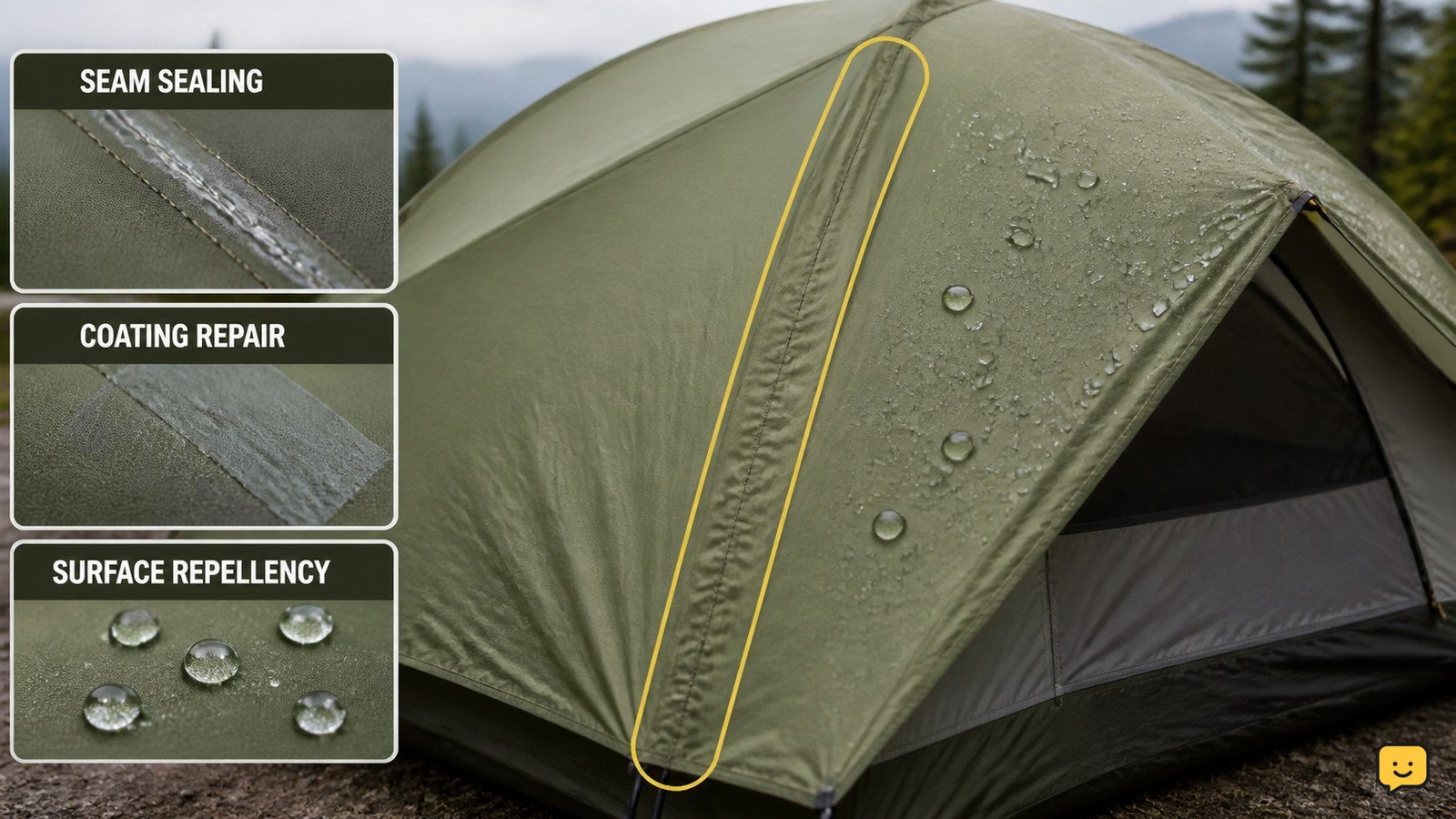
Set-up dome tent with rainfly, visible sealed seam detail and water beading on the exterior
Camping & Outdoors

How to Waterproof a Tent: Stop Leaks

To waterproof a tent, clean and fully dry it first, then treat the actual failure: seal leaking seams, renew a peeling or sticky urethane coating, and refresh the rainfly’s DWR when water no longer beads. Use products made for the tent fabric, follow the label, and test every repair before relying on the tent in rain.

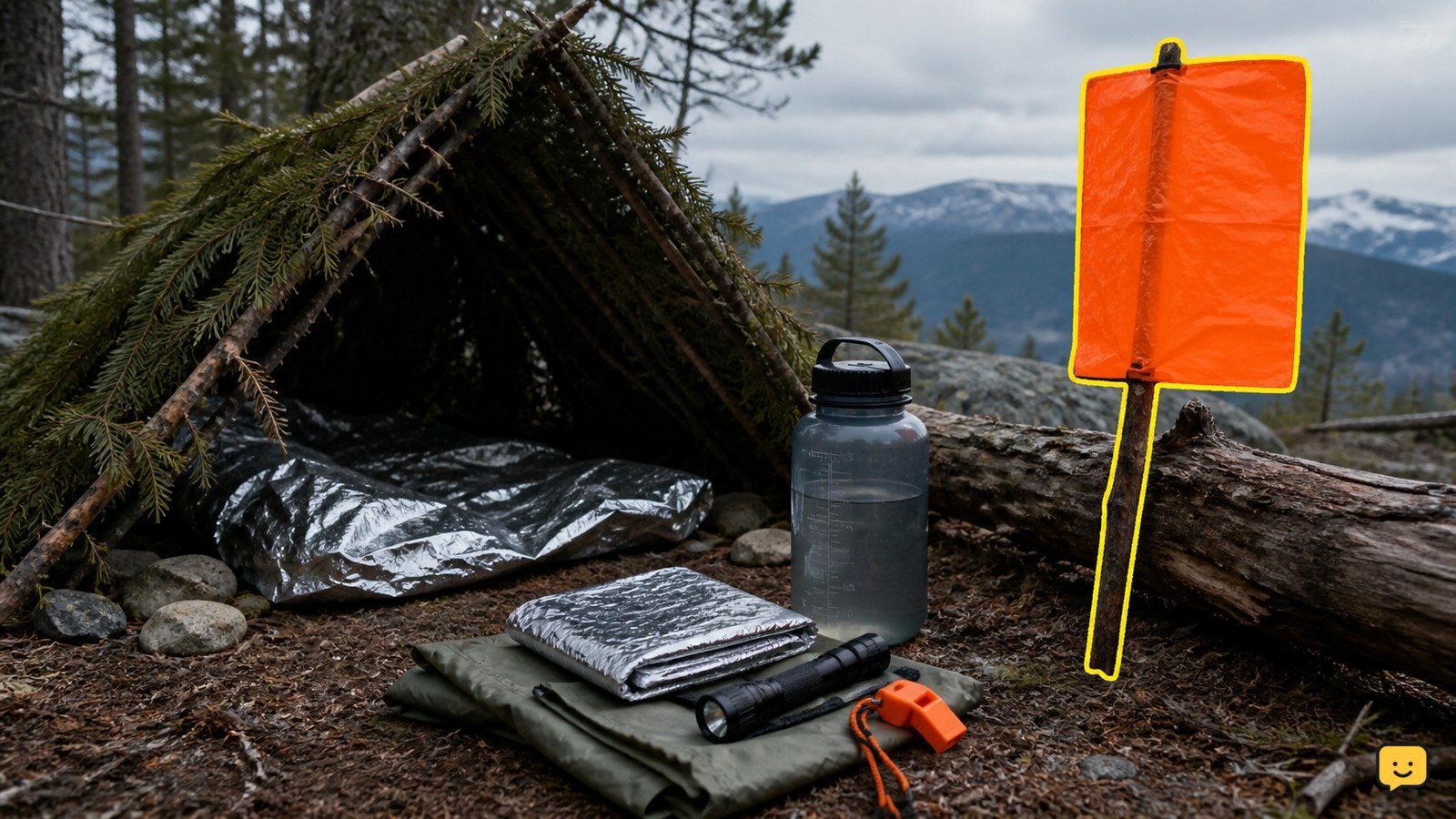
Wilderness survival gear arranged beside a sheltered waiting position with a visible signal marker
Camping & Outdoors

How to Survive in the Wild: Stay Safe

To survive in the wild, stay calm, stop unnecessary movement, assess injuries and supplies, then secure protection from weather and a safe water source. Add fire only when conditions and local rules allow, and make yourself easy to find with visible or audible signals. Leave your position only to escape an immediate hazard or reach clearly safer help.

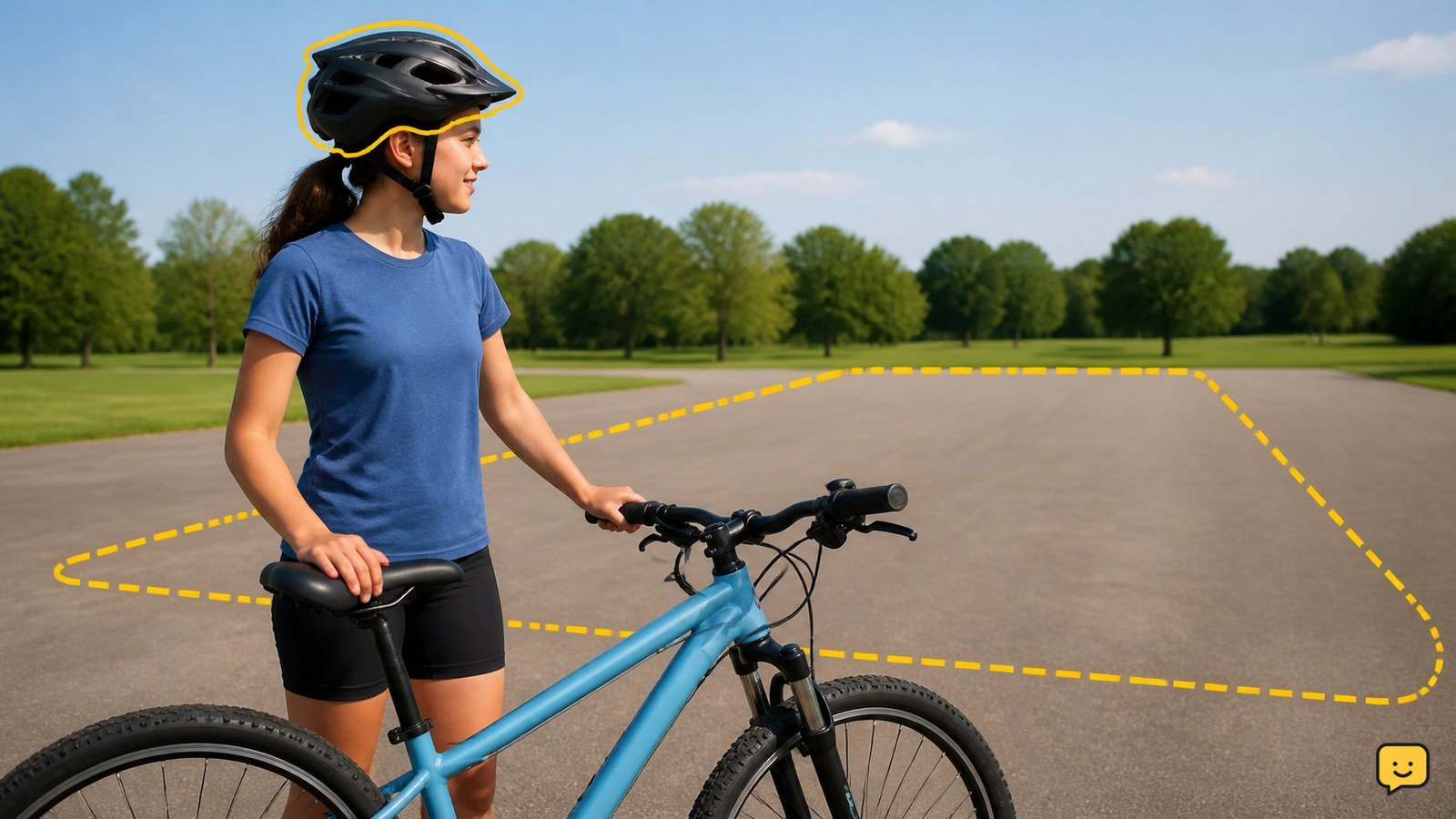
Beginner cyclist wearing a fitted helmet beside a correctly sized bicycle on smooth open pavement
Camping & Outdoors

How to Ride a Bike: Build Balance Control

To learn how to ride a bike, use a correctly sized bicycle and properly fitted helmet on smooth, flat pavement away from traffic. First practise pushing and gliding with both feet ready, then add pedaling, braking, steering and turns one skill at a time. Stop if control, equipment or surface conditions become unsafe.

How to Build a Campfire: Safe, Steady Heat
Camping & Outdoors

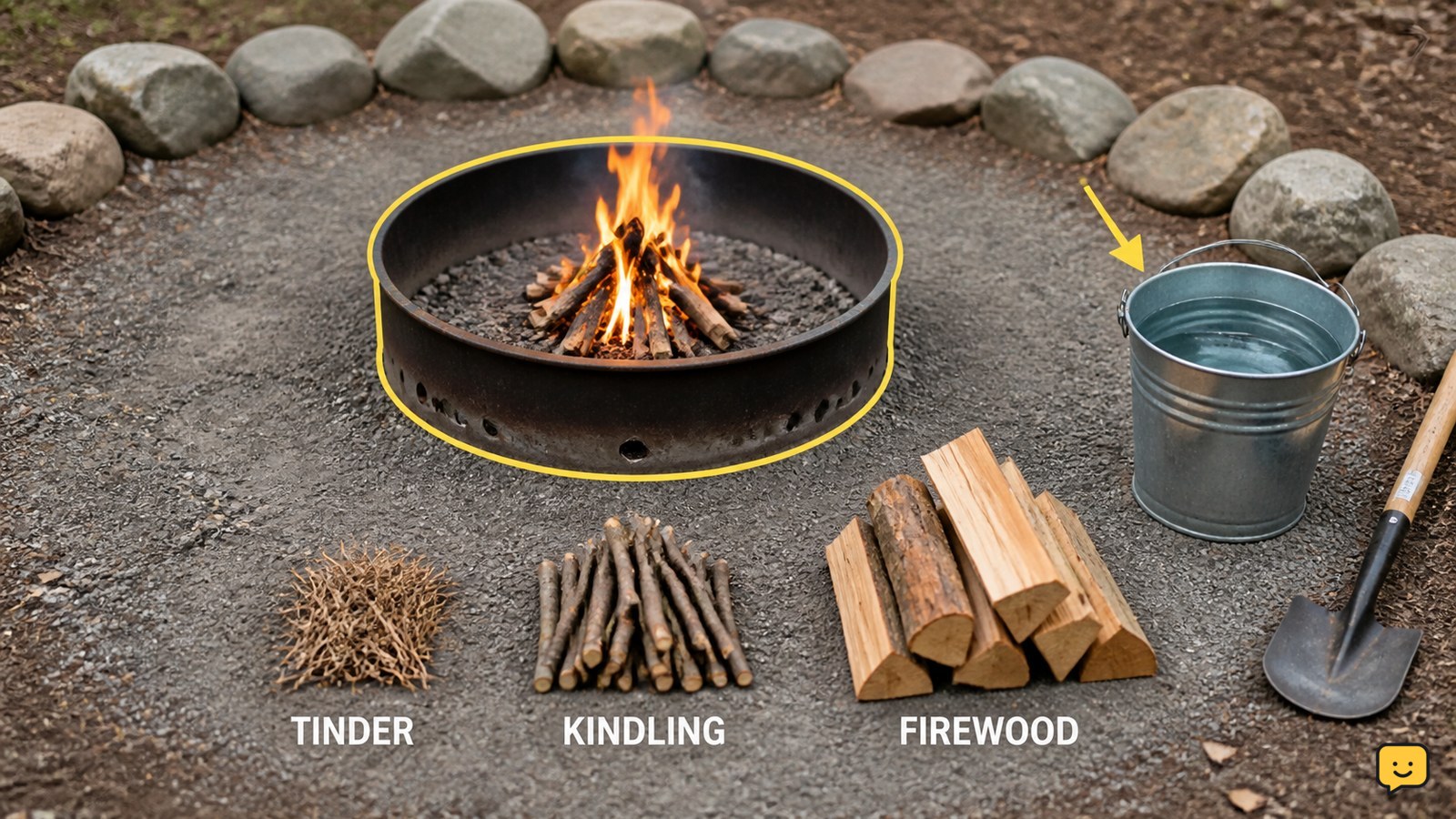
How to Build a Campfire: Safe, Steady Heat

To build a campfire, use an approved fire ring, clear the area, and gather dry tinder, kindling, and larger firewood. Place tinder in the center, arrange small sticks around it as a loose teepee or log cabin, light the tinder, then add larger pieces only after the kindling burns steadily. Keep water nearby and extinguish the fire until the ashes are cold.