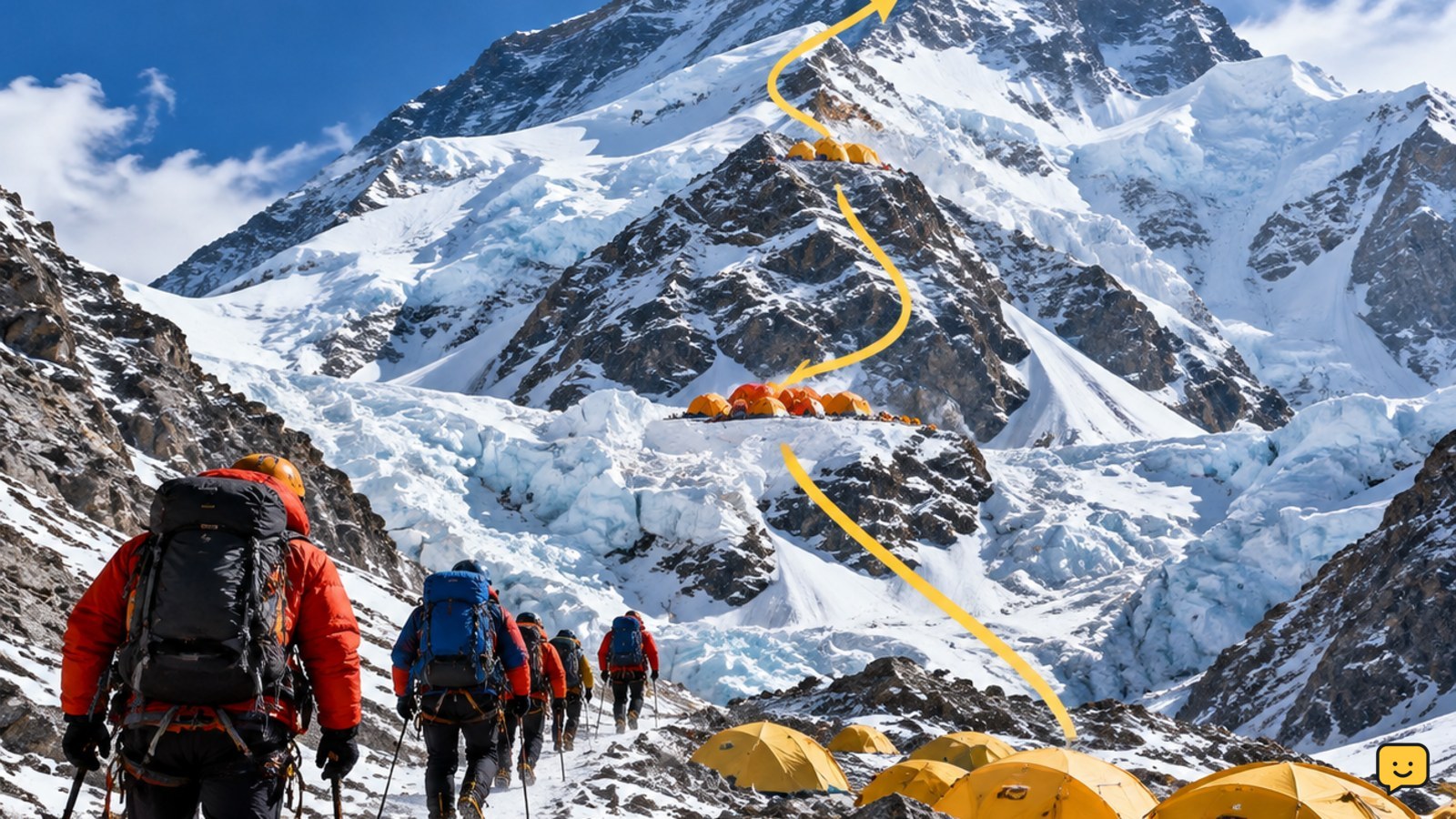
To survive in the wild, stay calm, stop unnecessary movement, assess injuries and supplies, then secure protection from weather and a safe water source. Add fire only when conditions and local rules allow, and make yourself easy to find with visible or audible signals. Leave your position only to escape an immediate hazard or reach clearly safer help.
For more help with this topic, use the Camping Outdoors guides.
Stay put and assess immediate hazards
Wilderness survival starts with a calm assessment, not a long walk. Stop, breathe slowly and identify immediate threats such as falling terrain, rising water, fire, lightning exposure, extreme cold or heat. The Twin Eagles Wilderness Survival Guide places maintaining a calm center and positive mental attitude first because panic encourages poor decisions.
- Check every person for responsiveness, breathing and serious bleeding.
- Apply direct pressure to severe bleeding with clean cloth or a dressing. Do not leave a serious injury unattended to search for supplies.
- Note the time, weather, daylight, terrain, clothing, food, water, shelter materials, tools and working communication devices.
- Keep the group together unless a trained rescue plan specifically requires otherwise.
Verify: you can state who is injured, what resources you have, where you last knew your location and what hazard must be avoided. If you cannot answer those questions, do not start traveling.
Choose a safe place for shelter
A wilderness shelter should reduce exposure while avoiding new hazards. Choose a visible, reasonably level place away from dead branches, rockfall, avalanche paths, dry streambeds, shorelines that can rise, and low ground where cold air or water can collect.
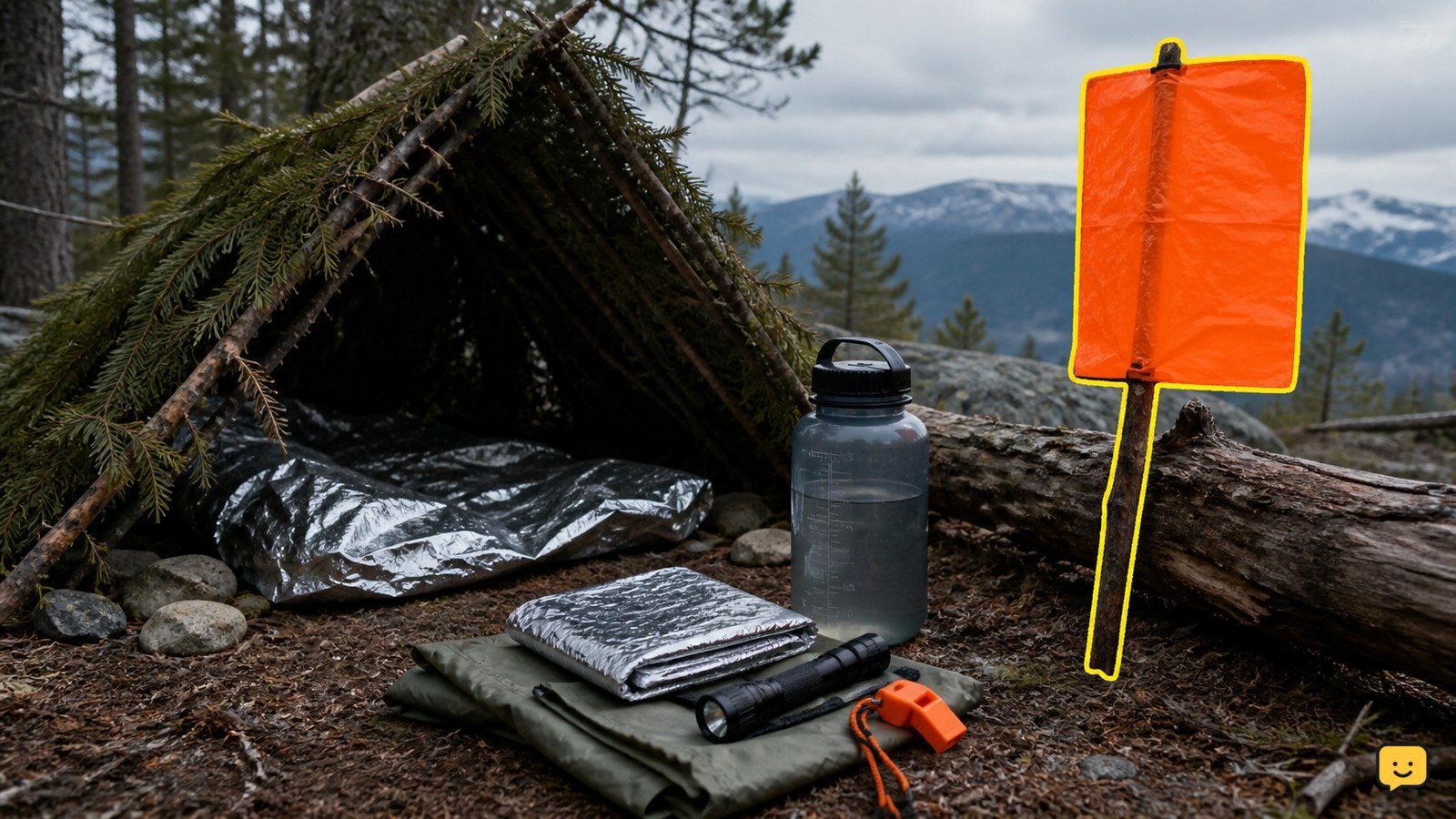
- Use clothing, a rain shell, bivy, tarp or emergency blanket before spending energy building a complicated structure.
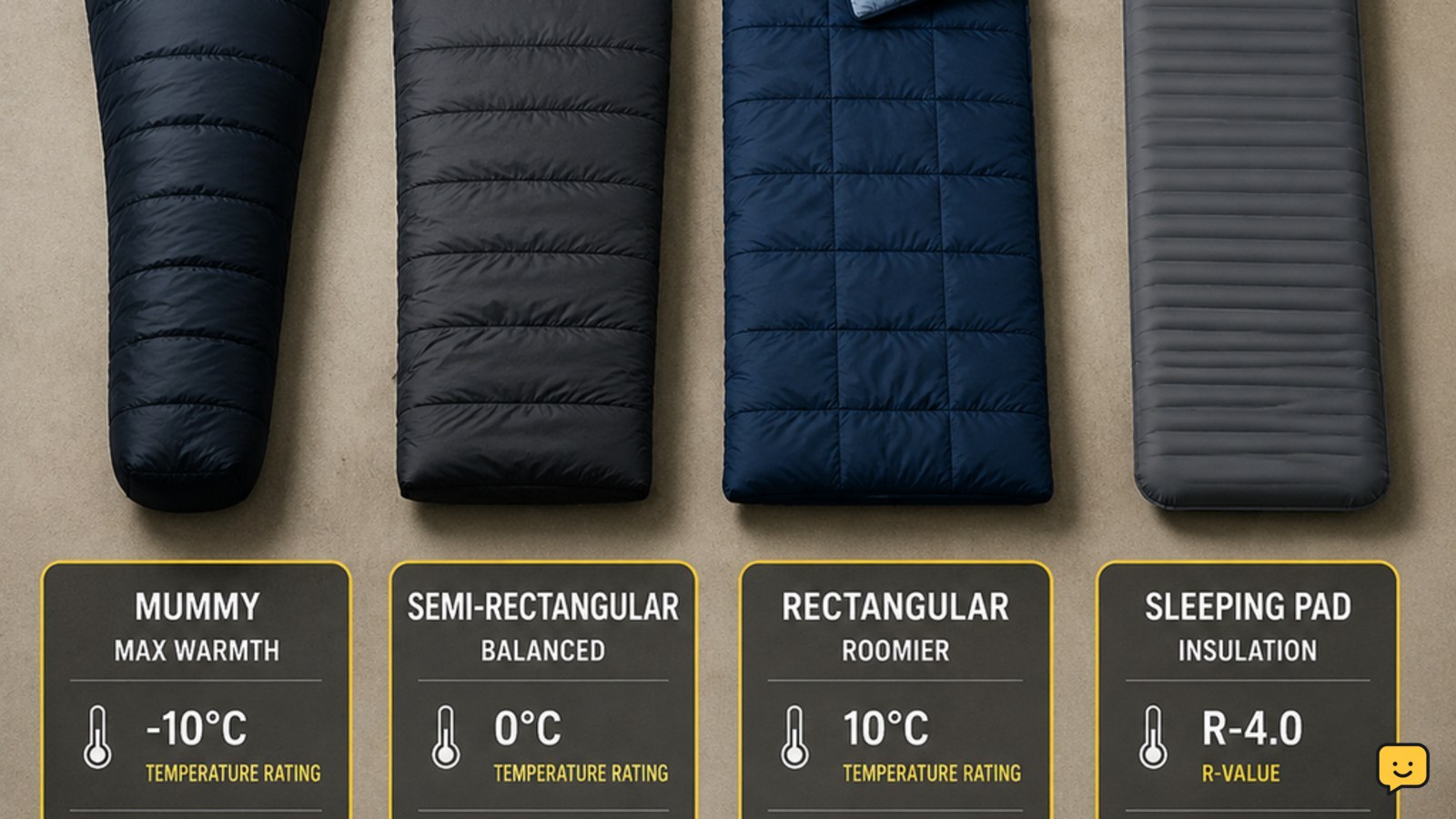
- Insulate yourself from the ground with a sleeping pad, pack, dry vegetation or spare clothing kept inside a protective layer.
- Block wind and precipitation while leaving enough ventilation to prevent condensation.
- Keep footwear, light, water and communication equipment within reach.
Verify: you can stay dry, reduce wind exposure and rest without lying directly on cold ground. If the site becomes wet, smoky, unstable or threatened by rising water, move to a safer location immediately, even after dark.
Secure water without creating a new risk
Water becomes the next practical priority after immediate danger and exposure. Take inventory first: carried water, containers, treatment tablets, a filter, a stove or a metal vessel. Pelican’s wilderness guidance lists taking inventory and finding a water source among its core survival actions.
- Use carried water first when it is safe and available.
- Look for water without descending steep slopes, entering flood channels or leaving a secure location for an uncertain source.
- Collect from the clearest available source and keep untreated water separate from treated water.
- Use your filter, treatment method or heat-based method exactly as its instructions require. If you cannot treat a questionable source, conserve known-safe water and signal for help rather than gambling on it.
Verify: treated water is in a clean container and you know which container is safe to drink. Do not assume clear water is safe. Stop searching if the route becomes hazardous or the source is contaminated by chemicals, fuel, sewage or a dead animal.
Use fire only when conditions allow
Fire can provide warmth, light and a signal, but it is optional when weather, fuel or local restrictions make it unsafe. Before building one, check the ground, wind, nearby vegetation and posted fire rules. ShowU’s safe campfire method explains how to prepare the site, arrange tinder and wood, feed the fire gradually and extinguish every coal.
- Place the fire on a nonflammable surface cleared of dry material, or use an existing legal fire ring.
- Gather tinder and small fuel before lighting so you do not leave a live fire unattended.
- Keep the fire small and controlled; avoid building it under branches, beside tents or where wind can carry embers.
- Keep water or suitable extinguishing material ready before lighting.
- When finished, drown, stir and check the site until no heat, smoke or glowing coal remains.
Verify: the fire stays within its cleared area and produces useful heat without sending sparks into vegetation. If wind rises, fuel is damp, a ban applies or you cannot monitor and extinguish it, do not light it.
For the fire layout and complete extinguishing check, use the safe campfire method before lighting anything outdoors.
Signal from a visible, defensible position
Signaling should make rescuers more likely to notice you without exhausting your supplies or exposing you to danger. Use a phone, satellite communicator, whistle, flashlight, bright clothing or a clearly visible ground marker. The Twin Eagles guide and Pelican’s survival guidance both identify signaling as a core part of getting help.
- Send your location, injury status, group size, last known route and intended shelter position when communication works.
- Stay near the position you report unless it becomes dangerous or you receive different instructions.
- Use repeated whistle blasts, light flashes or other agreed signals rather than constant noise or light.
- Place bright equipment or contrasting material where it can be seen from above or along a likely search route, but do not approach cliffs, roads, rivers or aircraft landing areas to improve visibility.
- Conserve phone power by lowering brightness, closing unnecessary apps and switching to low-power mode after sending the message.
Verify: you receive a sent or acknowledged status, or you have a clearly marked signal position that can be revisited safely. If no response arrives, remain sheltered, repeat signals at intervals and reassess weather, injuries and daylight before any movement.
Frequently asked questions
Should I keep moving if I am lost in the wilderness?
Usually, no. Stay near your last known safe position so rescuers can search a smaller area, unless that position faces immediate danger or you have a clearly verified route to help. Avoid traveling in darkness, severe weather, poor visibility or unfamiliar terrain. Mark any short, necessary movement and return before conditions deteriorate.
What should I prioritize first when stranded outdoors?
First escape immediate hazards and check for serious injuries. Then protect yourself from cold, heat, wind and rain, take inventory of water and equipment, and establish a safe place to wait. Communication and signaling should begin as soon as possible. Fire and food are secondary when they add risk or consume too much energy.
Is it safe to drink water from a stream in the wild?
Not necessarily. Clear water can still contain harmful organisms or contamination. Prefer carried water, then treat collected water with a working filter, approved treatment method or suitable heat-based method used according to its instructions. Avoid water near chemicals, fuel, sewage, dead animals or flood runoff.
When should I use a fire for wilderness survival?
Use one only when you need warmth or a signal, local rules allow it, and you can control and extinguish it completely. Do not light a fire during bans, high winds, extreme dryness, near flammable vegetation or when you lack water or another reliable way to put it out.