To keep plants alive, identify the plant’s light and water needs, place it where those needs match, and use soil and containers that drain freely. Check the soil before watering instead of following a fixed schedule. Water thoroughly when the plant needs it, remove dead growth, inspect for pests, and adjust care during heat, rain, frost, and winter dormancy.
For more help with this topic, use the Gardening guides.
Match light and location to the plant
Plants stay healthier when their location matches the light conditions listed for that species. Full-sun plants need several hours of direct light, while shade-tolerant plants can scorch or wilt in intense afternoon sun. Start with the label or a reliable nursery reference rather than guessing from leaf color alone.
- Observe the site at morning, midday, and afternoon. Note direct sun, reflected heat from walls, wind, and areas that remain damp after rain.
- Place the plant where its stated light preference is most closely met. Leave enough space for mature growth and airflow.
- Watch the leaves for two weeks. Pale, stretched growth can indicate insufficient light; bleached patches, crisp edges, or sudden midday collapse can indicate too much heat or sun.
If a container plant needs a new location, move it gradually toward stronger light when practical. A sudden change from shade to intense sun can stress leaves even when the final location is suitable.
Check soil moisture before watering
Watering plants by a calendar is less reliable than checking the soil and the plant’s needs. Swansons Nursery recommends watering before an absence but also suggests shade and self-watering equipment as ways to reduce drying during vacations; the same principle applies during hot, windy weather.
- Push a finger or wooden stick into the soil near the root zone, avoiding the stem. Feel several inches down rather than judging only the surface.
- Water when the depth appropriate for that plant is dry and the leaves or stems show normal firmness. Dry-loving plants should dry more deeply than moisture-loving plants.
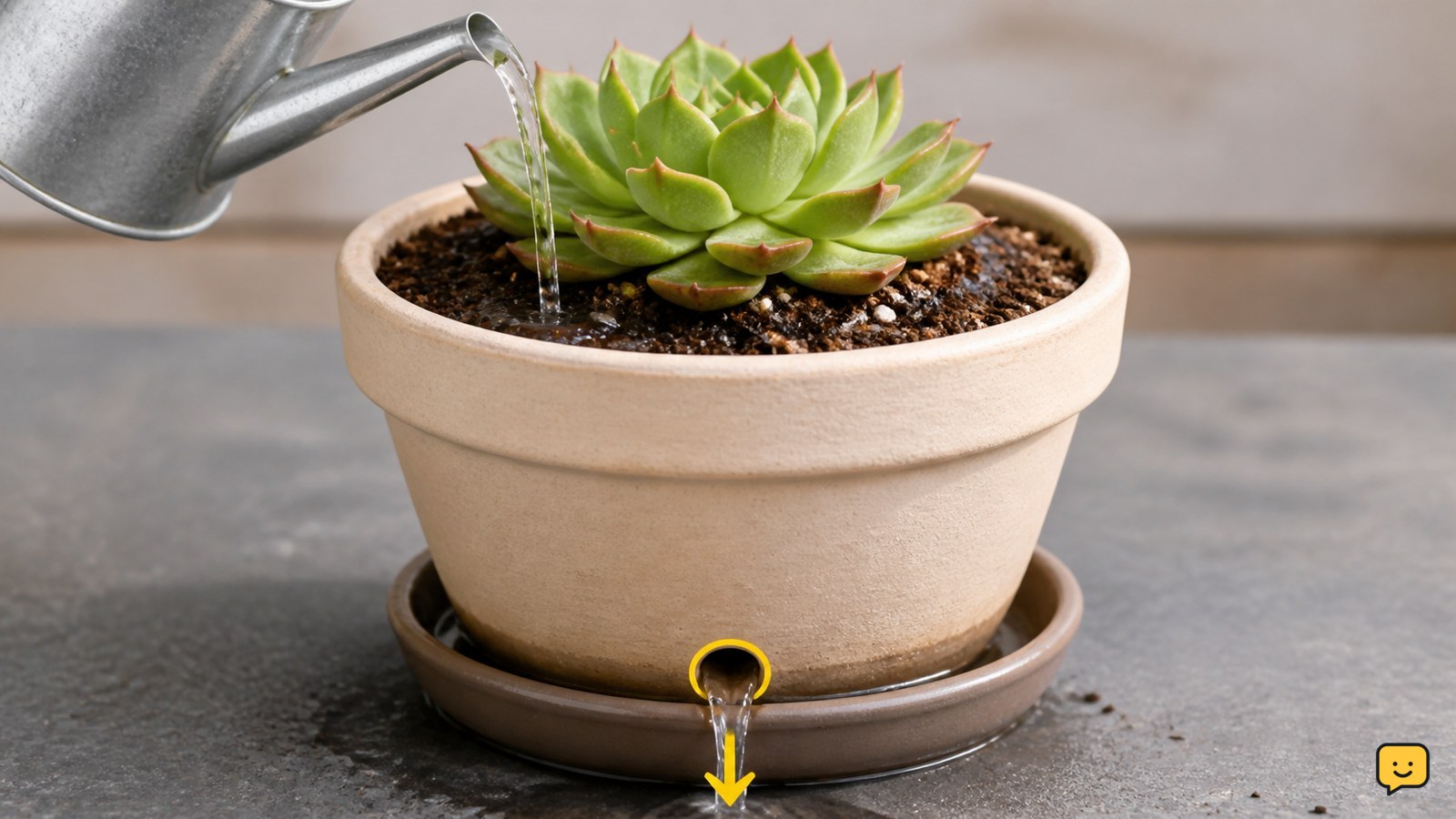
- Apply water slowly at the soil line until the root zone is wet. For containers, wait for drainage from the bottom, then empty standing water from a saucer.
- Recheck later the same day. If the soil is still powder-dry below the surface, repeat a slow soak rather than flooding it all at once.
The observable success check is evenly moist soil without a constantly wet surface, standing water, foul odor, or newly worsening wilt. Wilt in wet soil is a warning that more water may make the problem worse.
Fix drainage before adding more water
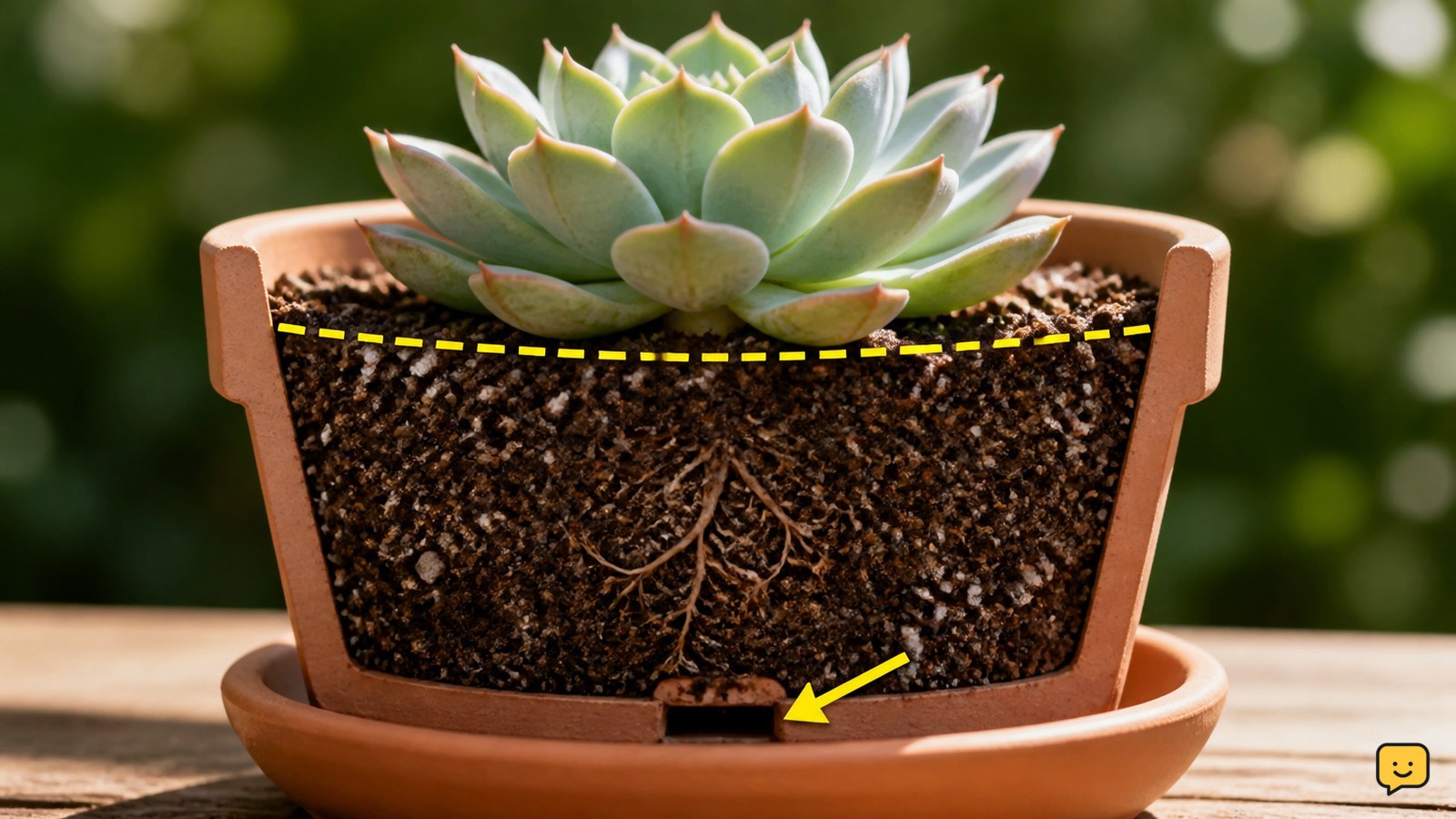
Drainage problems can kill plants even when the watering routine is careful. Containers need a real drainage hole, and garden beds need soil that allows excess water to move away from the root zone.
- Inspect the container hole and clear blocked roots or compacted debris from the outside. Do not seal the hole with a solid layer that prevents drainage.
- Check whether the pot sits in water after irrigation or rain. Raise it slightly on pot feet or move it to a surface where water can escape.
- For a garden plant, dig only enough to inspect the soil around the root zone. If it stays saturated for days, improve the bed structure or relocate plants that require drier conditions.
Use a well-drained growing medium suited to the plant. Succulents are a special case: ShowU’s soak-and-dry succulent routine explains why repeated watering of damp soil increases rot risk.
Do not repot a severely stressed plant repeatedly. First correct standing water, confirm the roots are not being chilled or overheated, and allow the plant to stabilize.
Use this soak-and-dry succulent routine when caring for plants that need fast drainage: soak-and-dry succulent routine.
Protect roots with suitable soil and mulch
Healthy roots need air, moisture, and physical support, so plants need soil that holds enough water without remaining waterlogged. Use the growing medium recommended for the plant rather than one universal mix for every species.
- Break up compacted soil gently around established plants without cutting into major roots. Add appropriate organic matter at the surface or during bed preparation according to the plant’s needs.
- Keep mulch on the soil rather than against stems or trunks. A clear gap reduces prolonged dampness at the plant crown.
- After heavy rain, check whether water is pooling. A healthy setup drains away instead of leaving the root zone submerged.
Do not bury a plant deeper than it was growing. A sunken crown or covered stem can stay wet and decline even when the leaves appear adequately watered.
Feed only after the plant is stable
Fertilizer supports active growth but cannot replace light, water, drainage, or healthy roots. Wait until a plant is growing normally before feeding, and follow the product label for the crop and application rate.
- Inspect new growth and the soil surface before feeding. Avoid fertilizer when the plant is wilted, newly transplanted, dormant, or sitting in saturated soil.
- Apply only the labeled amount. More fertilizer can damage roots and cause leaf-edge burn or a pale crust on the soil.
- Water according to the plant’s normal needs after applying a granular product, unless the label gives different instructions.
If symptoms worsen after feeding, stop fertilizer, flush a container only when it drains freely, and correct the underlying light or moisture problem. Do not use fertilizer as a rescue treatment for a collapsing plant.
Inspect leaves, stems, and roots each week
Weekly inspection catches stress before a plant is beyond recovery. Look at the undersides of leaves, new growth, stems, and the soil surface rather than checking only whether the plant is green.
- Compare new growth with older leaves. Persistent yellowing, sudden leaf drop, sticky residue, webbing, holes, or distorted shoots point to different problems and should not all be treated as thirst.
- Remove dead or badly damaged leaves with clean pruners. Cut back only to healthy tissue and avoid heavy pruning while the plant is heat-stressed.
- Isolate a container plant with active pests or spreading disease. Clean tools after cutting affected tissue and monitor nearby plants.
If the plant wilts in dry soil, water thoroughly and reassess. If it wilts in wet soil, stop watering, improve drainage, and inspect the roots only if the decline continues. Black, soft roots indicate a serious root problem; firm, pale roots are a better recovery sign.
Adjust care for heat, rain, frost, and absence
Seasonal weather changes how quickly plants lose water and how safely they can grow. Check plants more often during heat, wind, and active growth, and check less often when cool conditions slow drying or the plant is dormant.
- Before a hot spell, water dry soil thoroughly, add suitable mulch, and provide temporary shade for plants that cannot tolerate intense afternoon heat.
- After heavy rain, skip irrigation until the root zone has dried to the plant’s normal threshold. Confirm that containers are not standing in water.
- Before frost, follow the plant’s hardiness guidance and move portable containers to a protected location. Do not cover plants with plastic touching the leaves.
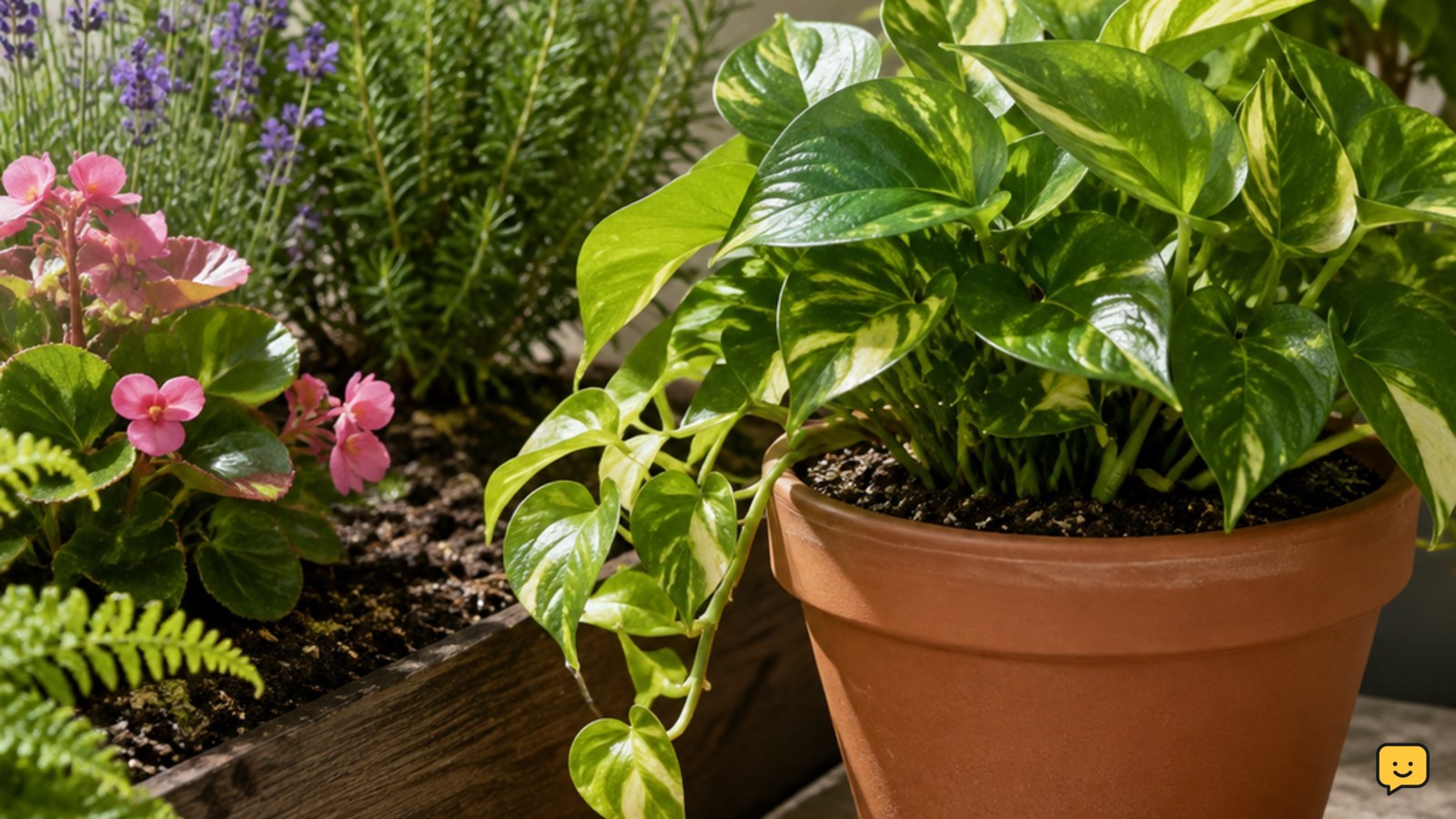
- Before leaving, group container plants according to similar light and water needs, move them away from drying wind, and use a tested self-watering device only if it delivers the correct amount without keeping soil saturated.
Verify care by checking soil moisture, leaf firmness, and drainage when you return. If leaves are limp but soil is wet, do not compensate with more water; investigate roots, temperature, and disease instead.
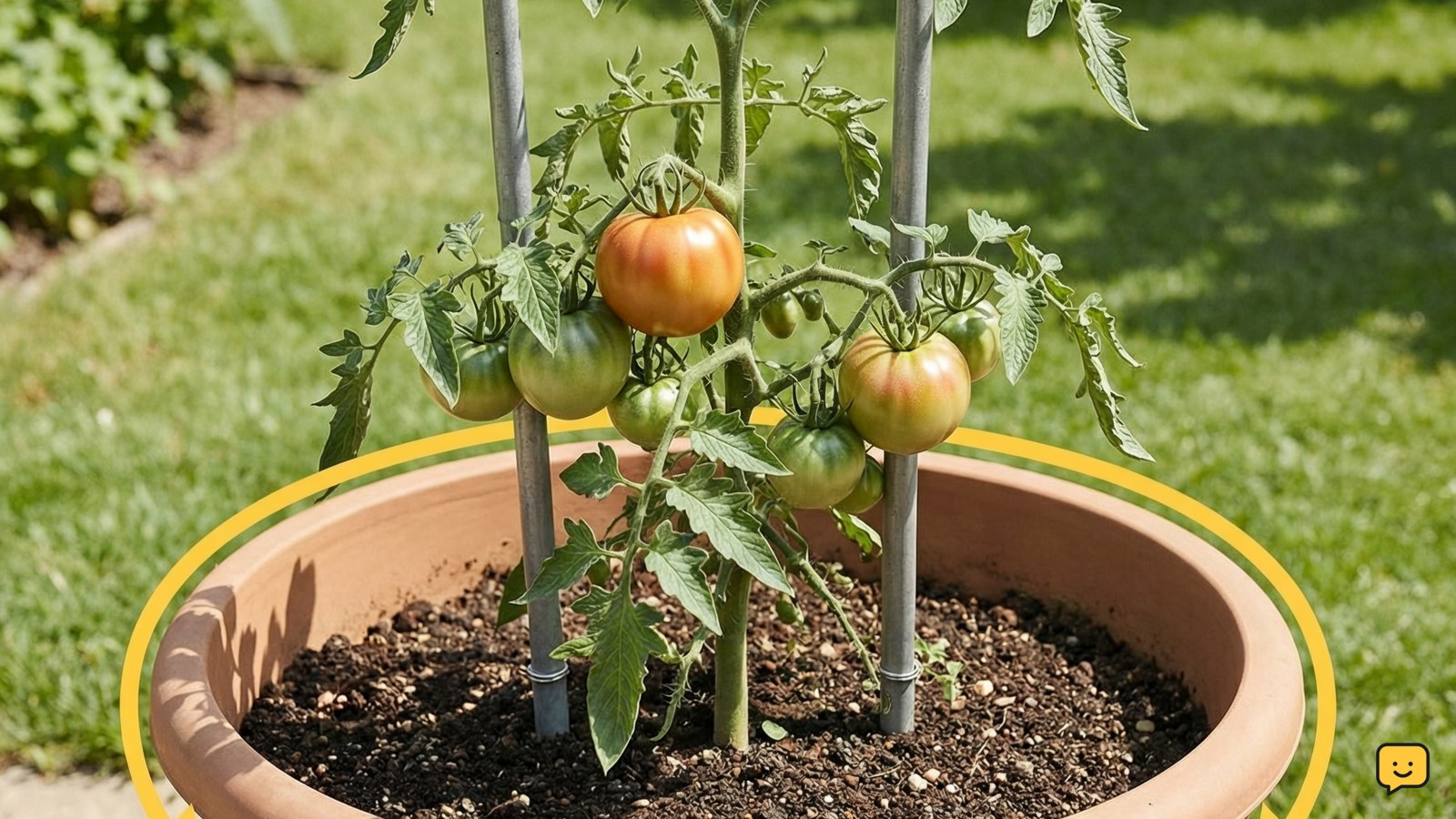
For outdoor tomatoes, check the safe tomato planting window before exposing young plants to cold nights: safe tomato planting window.
Frequently asked questions
How often should I water plants?
Water when the soil is dry at the depth that matters for the plant, not simply because a certain number of days has passed. Weather, pot size, soil, plant size, and season all change drying speed. Water slowly until the root zone is evenly moist and container water drains from the bottom. Wait before watering again if the soil remains wet.
How can I tell whether a plant is overwatered or underwatered?
Check the soil first. An underwatered plant usually has dry soil and limp or crisp leaves; a plant affected by excess water may wilt while the soil stays wet, develop yellowing leaves, or smell sour near the roots. Stop adding water to wet soil, improve drainage, and inspect roots only if the decline continues.
Can a dying plant be saved?
Sometimes. Move it to suitable light, remove dead tissue, and correct either dry soil or poor drainage. A plant with a living stem and firm roots has a better recovery chance than one with a fully brown, brittle stem or mostly black, mushy roots. Do not keep watering a plant that is already saturated.
Should I fertilize a stressed plant?
Usually no. Stabilize light, moisture, temperature, and drainage first. Fertilize only when the plant has resumed healthy growth, and use the product label’s rate for that plant. Stop if leaf edges burn, a salt crust appears, or symptoms worsen after feeding.