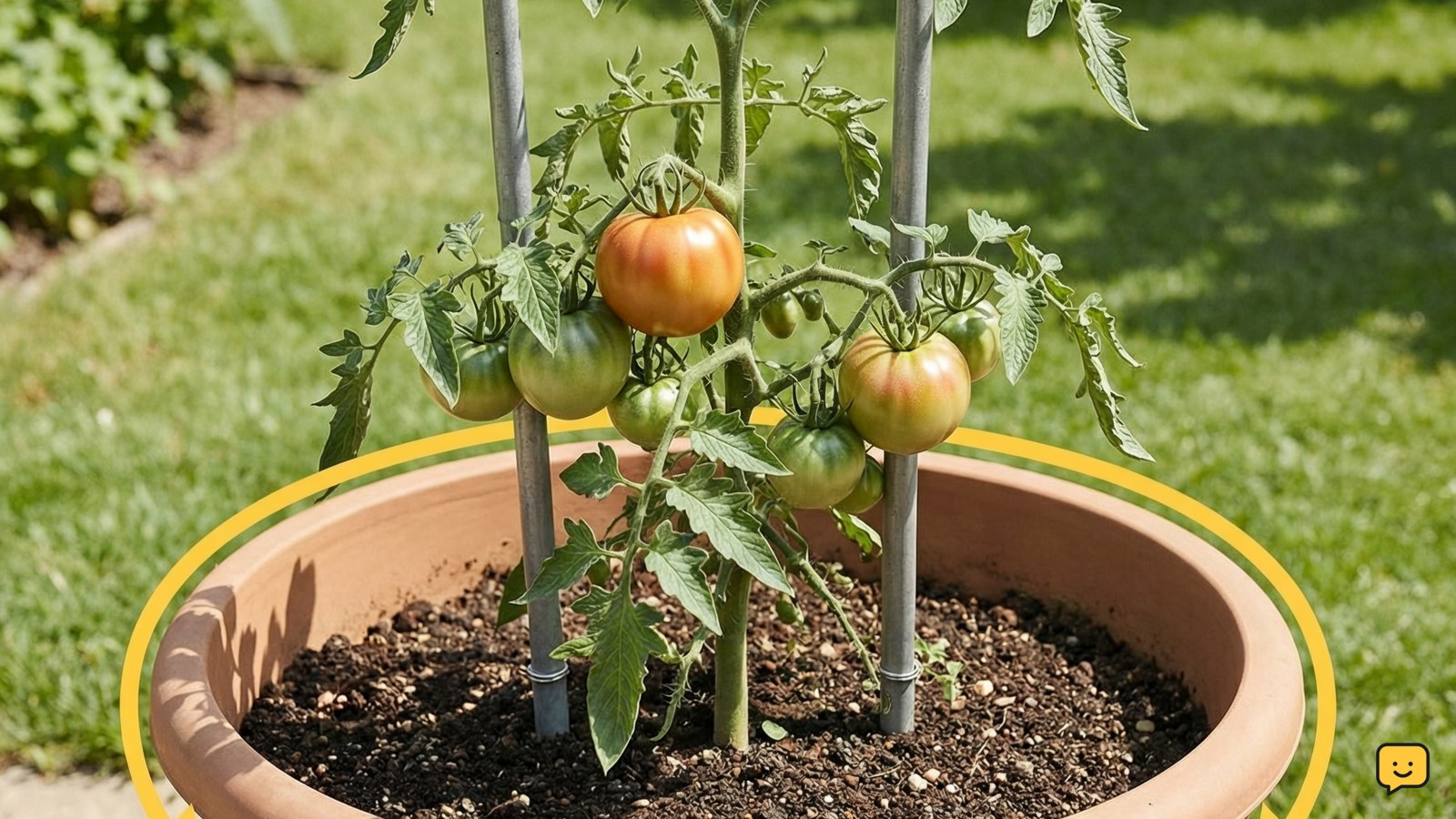
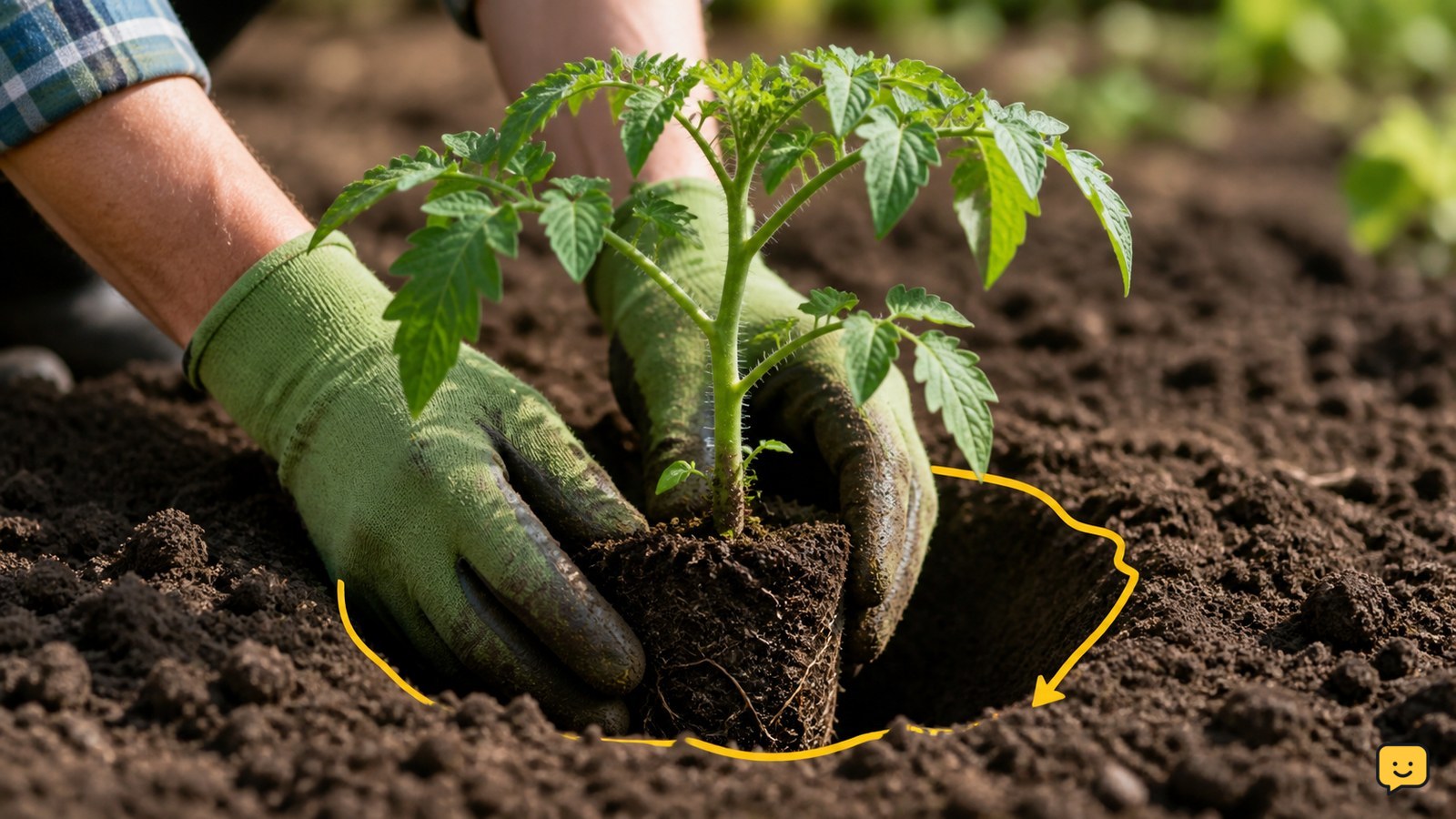
Plant tomatoes outdoors after your area’s last expected frost, once the soil has warmed and overnight temperatures are reliably mild. Bonnie Plants recommends late spring or early summer in most regions; warm zone 10 areas commonly grow tomatoes in fall and winter. If a late frost, cold nights, or saturated soil is forecast, wait.
Check your local frost window before planting
Your local last frost date is the starting point for deciding when tomato plants can move outdoors, but it is not a guarantee. Bonnie Plants advises planting tomatoes in late spring or early summer after the last frost in most areas.
Use the date as a planning marker, then check the forecast. A safe planting window begins when the expected last frost has passed and several nights are forecast to stay comfortably above freezing. In cooler regions, this may be late spring; in warm climates, the season may begin earlier or shift to fall.
- Write down your area’s average last spring frost date.
- Watch the forecast during the week before planting.
- Delay planting if a frost warning or unusually cold night appears.
Verify soil and overnight temperatures are warm enough
Tomatoes need warm growing conditions, so check the soil and nighttime temperatures instead of judging readiness by the calendar alone. The planting site should be workable rather than muddy, and the forecast should show a stable warm-up.
Dig a test hole in the morning. If the soil is cold, sticky, or holds standing water, wait and improve drainage before planting. If the bed is loose and drains normally, check the overnight forecast again. A protected container can be a safer alternative when the ground is still slow to warm.
Bonnie Plants describes tomatoes as warm-season plants and recommends late spring or early summer planting outside zone 10. That boundary matters: gardeners in hot climates may use a different seasonal schedule rather than waiting for a spring planting window.
Harden seedlings before moving them outside
Tomato seedlings are ready for outdoor planting only after they have adjusted to direct sun, wind, and outdoor temperature changes. A plant moved directly from a warm indoor space may wilt or develop leaf damage even when frost has passed.
- Place seedlings outdoors in a sheltered, shaded spot for a short period.
- Increase outdoor time gradually over several days, adding gentle morning sunlight before stronger afternoon exposure.
- Bring them inside or cover them if wind, heavy rain, or cold temperatures arrive.
- Plant when the leaves remain upright and the stems do not collapse after outdoor exposure.
If the plant wilts repeatedly, develops scorched patches, or looks chilled, return it to shelter and give it more time to recover before hardening off again.
Choose the planting date by climate
The right tomato planting date depends on your climate zone, elevation, and local weather pattern, so nearby gardens can have different safe dates.
- Cool or short-season areas: Wait until the frost risk has passed and use a sheltered bed, raised bed, or container if the soil warms slowly.
- Mild regions: Late spring is often suitable once the forecast is stable and the planting site drains well.
- Hot regions: The best season may be fall and winter rather than the hottest part of summer. Bonnie Plants identifies zone 10 as an exception to the typical late-spring schedule.
- Central Florida: Scotts Miracle-Gro lists early February for an early-summer crop and September for fall picking, showing why local regional guidance is more useful than a single nationwide date.
When your local guidance conflicts with a general calendar, follow the local frost and heat pattern. If you cannot identify a reliable window, use a container so the plant can be moved under cover.
Verify the plant and site on planting day
On planting day, a healthy tomato plant and a suitable site should pass a simple visual and physical check before you dig.
- Choose a spot with at least 6 to 8 hours of direct sunlight, the amount Bonnie Plants recommends for strong growth and flavor.
- Confirm the soil is loose enough to dig and does not remain waterlogged.
- Inspect stems and leaves for collapse, severe wilting, or obvious disease before planting.
- Set out support such as a cage, stake, or trellis so the plant does not sprawl onto wet soil as it grows.
- Water the plant after planting and monitor it through the first night.
Success looks like an upright plant the next morning, moist but not saturated soil, and no frost or cold-weather damage. If the plant droops badly or the forecast changes, provide shade or shelter and postpone additional planting.
What to do if tomatoes are planted too early
If tomatoes are already outdoors and a cold night is forecast, protect them immediately rather than leaving them exposed. Cover plants with a breathable frost cloth or move container plants into shelter; keep the covering from resting directly on delicate foliage when possible.
Remove the cover after temperatures rise and check for blackened leaves, collapsed stems, or widespread wilting. Minor damage may be observed while the plant recovers, but a plant with a collapsed main stem or extensive cold injury may not recover well. Do not fertilize a severely stressed plant until it is upright and producing healthy new growth.
If frost is still possible for several nights, replanting later is safer than repeatedly exposing tender seedlings.
Frequently asked questions
Can I plant tomatoes before the last frost date?
Usually, no. Tender tomato plants can be damaged by frost and cold nights, so wait until the expected frost window has passed. An earlier start is possible only in a protected greenhouse, cold frame, or movable container where you can control exposure and provide shelter.
What month is best for planting tomatoes?
The best month varies by location. In many cooler and temperate regions, tomatoes are planted in May or June after the last frost. Warm climates may plant earlier in spring or use fall and winter as the main growing season. Use local frost dates and the current forecast instead of a fixed month.
Can I plant tomatoes in summer?
Yes, if your local nights are still warm enough and the variety has time to mature before extreme heat or the next frost. In very hot areas, summer heat can reduce flowering and fruit set, so fall may be a better planting season.
Should I use a raised bed if the soil is cold or wet?
A raised bed can help when the ground drains slowly or warms late, provided it is filled with well-draining soil and placed in full sun. It does not remove frost risk, so still wait for a suitable forecast before planting.
For more help with this topic, use the Gardening guides.