To learn how to swim, start in shallow, supervised water with a qualified instructor or capable swimming partner. Practise floating, putting your face in the water, exhaling, kicking and returning to a standing position. Then combine those skills into a simple front crawl or backstroke. Stay close to safety equipment and do not practise alone or in water over your ability.
Choose water where you can stop safely
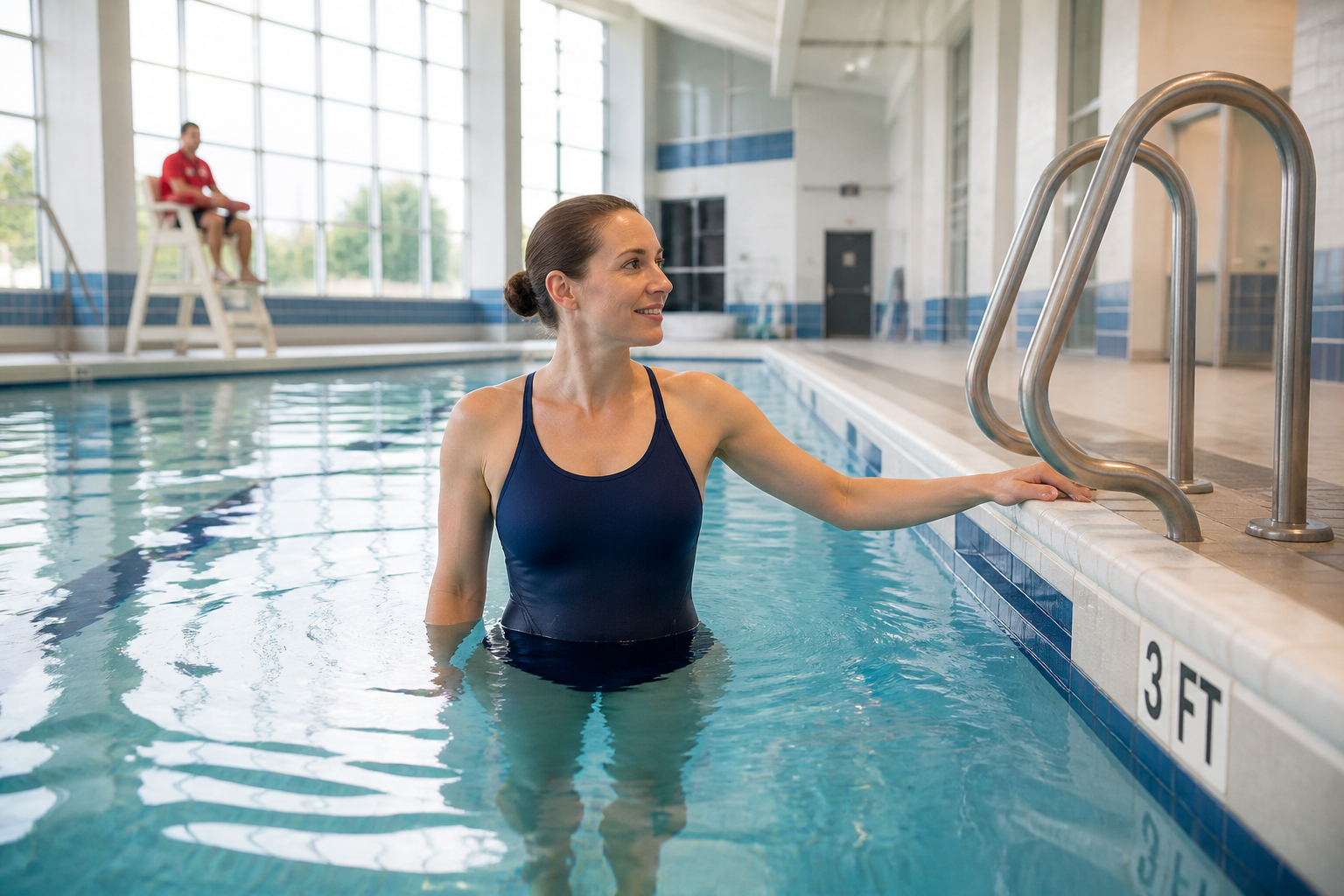
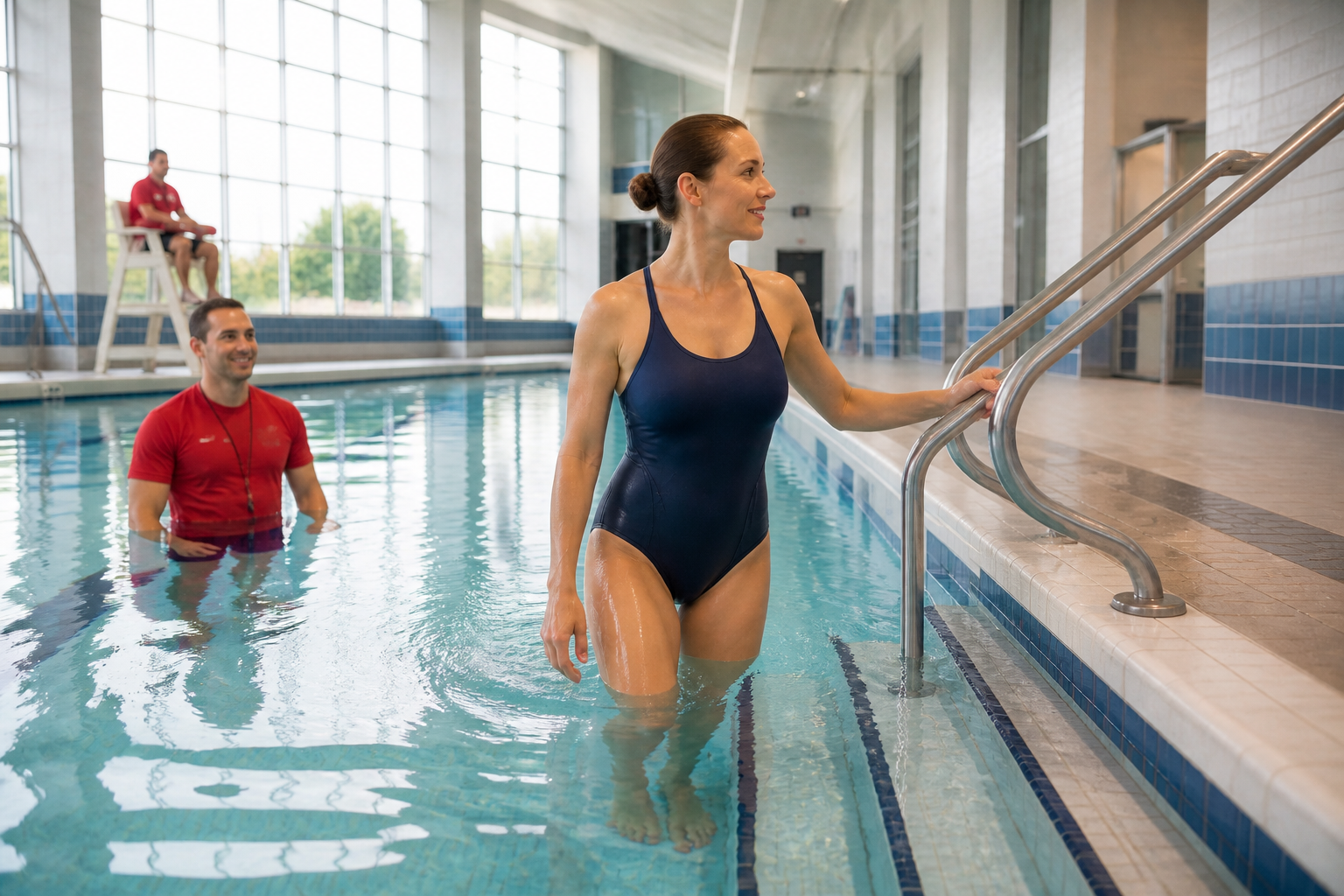
Beginner swimming practice should happen in shallow, supervised water where you can stand and reach a wall or exit. A pool with a lifeguard is usually easier to control than a lake, river or ocean because the depth, current and visibility are more predictable.
- Enter using the steps or ladder; do not jump into unfamiliar water.
- Walk to water around waist-to-chest depth, depending on your height and confidence.
- Locate the nearest wall, ladder and shallow exit before starting.
- Tell the supervising adult which skills you will practise and agree on a stop signal.
U.S. Masters Swimming describes swimming as a skill built from equipment choices, stroke technique and progressive practice. For a complete beginner, the first useful check is not distance: it is whether you can remain calm, breathe and get back to a safe place.
Verify: Before moving on, stand comfortably, hold the wall, and return to the steps without rushing. If you cannot do that, stay at the wall and arrange formal instruction rather than practising farther out.
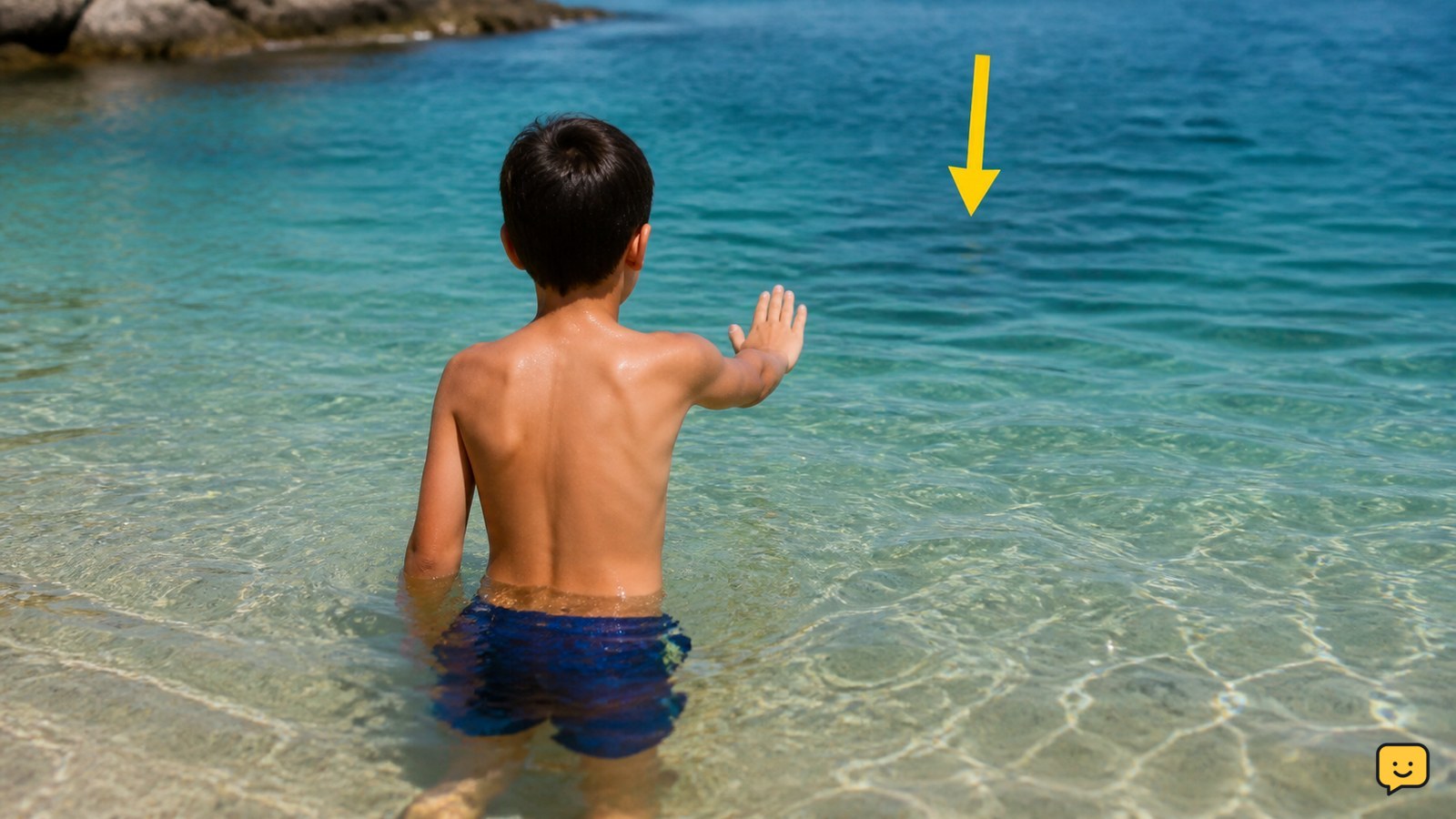
Practise floating and controlled breathing
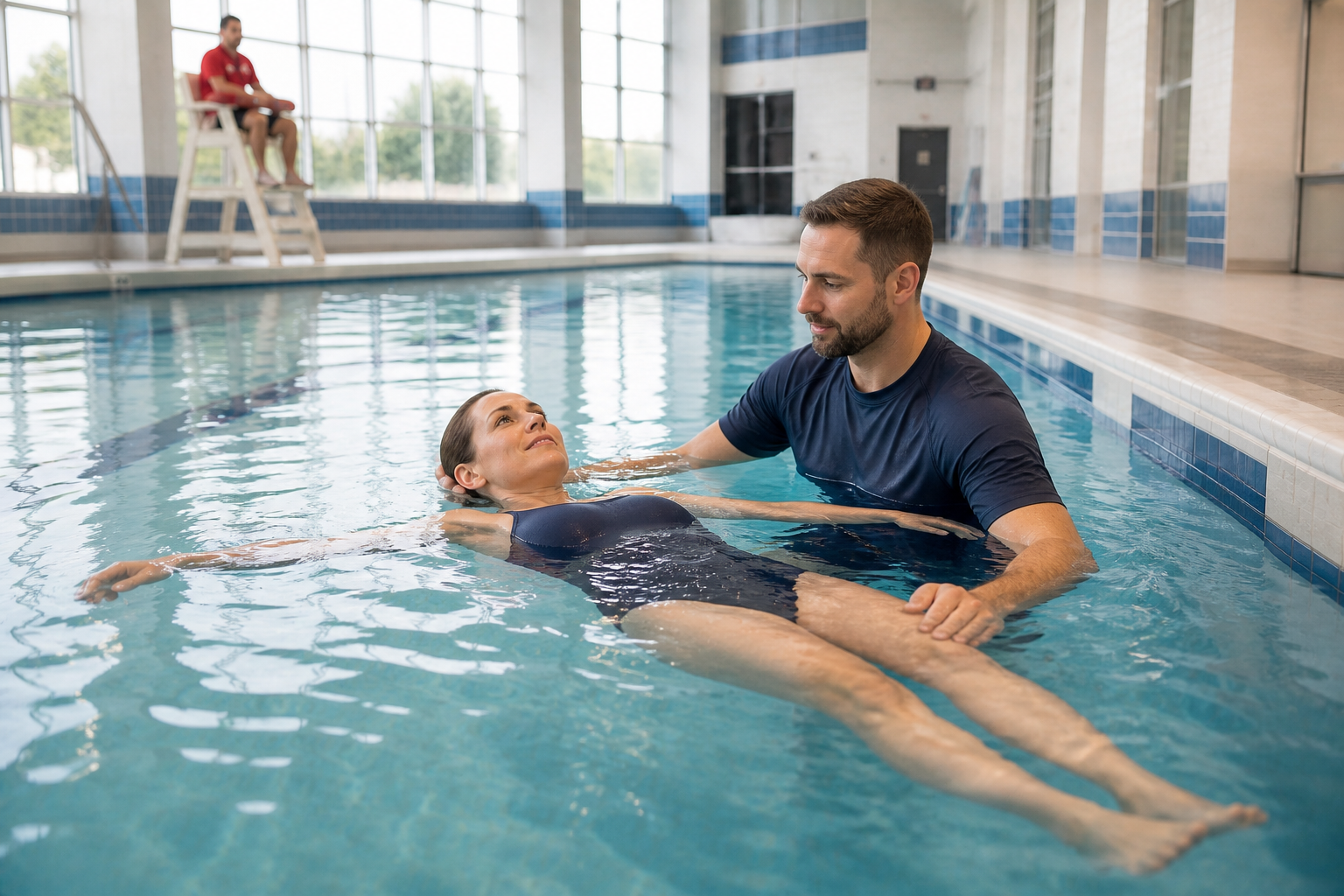
Swimming starts with water comfort: float with support, exhale into the water and lift your face only when you need to breathe. These actions reduce the tendency to fight the water or hold your breath until you panic.
- Hold the pool wall or a qualified instructor’s hands while taking a normal breath.
- Put your mouth, nose and cheeks in the water, then exhale gently through your nose or mouth.
- Lift your head, inhale, and repeat several times without rushing.
- With support nearby, lie on your back with your ears in the water and your face above it.
- Relax your neck, spread your arms slightly and let your body settle instead of forcing it flat.
A back float is a practical recovery position because it lets you keep your face above the water while calling for help or moving toward the wall. WikiHow’s beginner swimming instructions also place back floating, flutter kicking and treading water among the early skills.
Verify: You should be able to exhale in the water, inhale after lifting or turning your face, and return to a standing position with support close by. If your legs sink or you feel unstable, use the wall and an instructor’s support; do not add distance yet.
Add a relaxed flutter kick
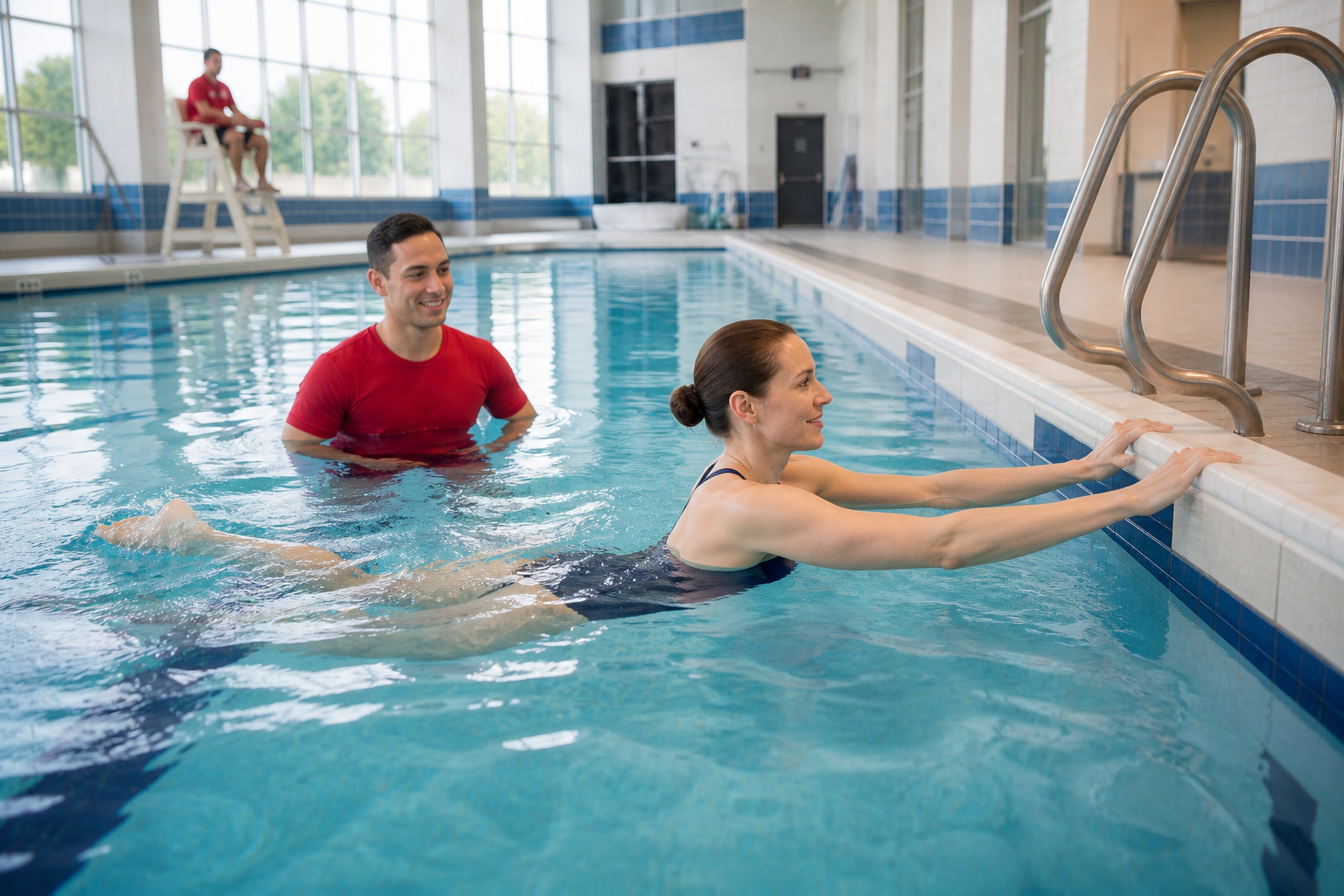
A beginner flutter kick comes from alternating small leg movements while the legs stay fairly straight and relaxed; the motion should help you stay balanced rather than exhaust you.
- Face the wall and hold it with both hands.
- Extend your body behind you while keeping your head neutral and your hips near the surface.
- Kick alternately from the hips with small, steady movements.
- Keep your ankles loose and avoid bending your knees sharply or bicycling.
- Pause before you become tired, then stand or hold the wall.
Next, hold a kickboard only if your instructor or supervising swimmer considers it appropriate. A board can help you focus on the legs, but it is not a flotation rescue device and should not be used to practise beyond your ability.
Verify: Your kick should create a small amount of continuous water movement while you remain able to stop and stand. If large splashes replace forward control, make the kick smaller and slower. If you cannot keep your face clear, return to wall-supported kicking.
Combine breathing, kicking and one simple stroke
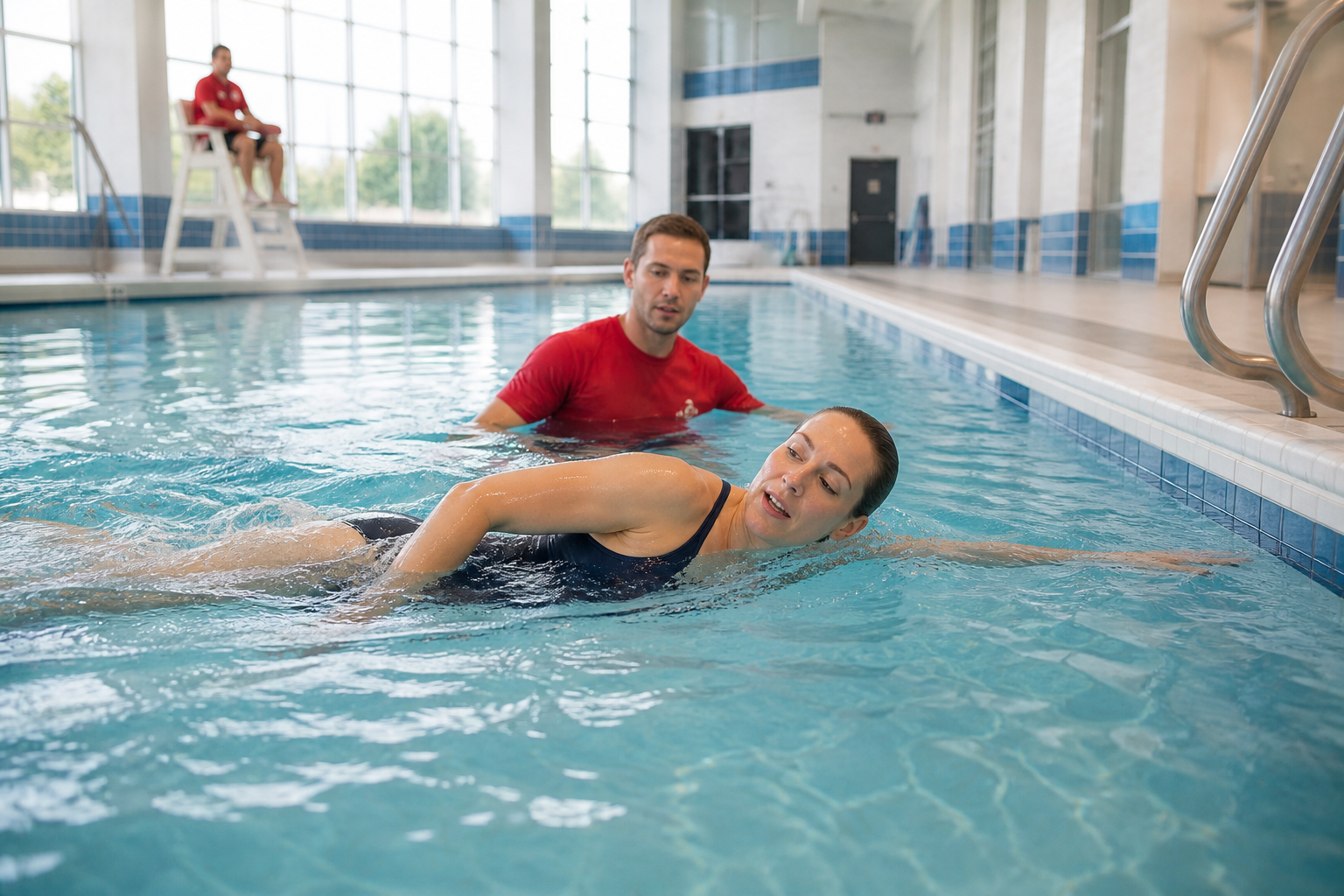
Once floating, breathing and kicking feel controlled, combine them over a short distance with a simple front crawl or backstroke pattern. U.S. Masters Swimming presents stroke technique as a foundation for developing swimming, while beginner demonstrations commonly break freestyle into body position, kicking, arm movement and breathing.
- Start within easy reach of the wall and push off gently, or begin while holding a kickboard under supervision.
- Keep your body long and use the relaxed flutter kick from the previous drill.
- For a basic front crawl, move one arm forward at a time, pull the water back, and recover the other arm over the surface.
- Turn your head to the side to breathe rather than lifting it sharply, then return your face to the water.
- For a backstroke alternative, stay on your back, keep your face above the water, flutter kick and move your arms alternately in a controlled pattern.
- Swim only to a point where you can stop, stand or reach the wall.
Do not try to perfect speed or a full-length lap at this stage. Smooth breathing and the ability to stop are more useful than forceful strokes.
Verify: A successful short attempt has three observable results: you keep your face clear when breathing, your kick continues without frantic splashing, and you can stop at the wall or roll onto your back. If breathing breaks down, stop the stroke and practise side breathing or supported floating again.
Check your recovery skills before deeper water
Before progressing, a beginner swimmer should be able to recover from an uncomfortable position without relying on a toy or another swimmer to hold them up. This is a readiness check, not a substitute for a formal swim assessment.
- From a supported front float, turn onto your back while keeping your breathing controlled.
- From a back float, move your arms and legs gently toward the wall or call for assistance.
- Practise a safe exit using the pool ladder or steps instead of pulling yourself over an unstable edge.
- Repeat a short swim, stop, float or stand, and exit while you still have energy.
Progress to greater depth only with qualified instruction and supervision. Natural water adds hazards that pool practice does not reproduce, including currents, cold, changing depth, waves and limited visibility. A person who can swim a short pool distance may still be unprepared for open water.
Use this decision rule: If you cannot float, breathe, stop and exit consistently, remain in the shallow supervised area. If you want independent swimming, learn from a qualified instructor rather than trying to teach yourself in deep water.
Frequently asked questions
What is the first swimming skill to learn?
The first skill is controlled water entry and recovery: know where the wall or exit is, put your face in the water, exhale, float with support and return to standing. These skills help you stay calm and stop safely before you learn a full stroke.
Which swimming stroke is easiest for a beginner?
There is no single easiest stroke for everyone. A backstroke variation can feel manageable because your face stays above the water, while a basic front crawl builds useful breathing and kicking skills. Start with the stroke that lets you remain calm and stop close to safety.
Can I learn to swim in a lake or ocean?
You can practise open-water swimming only after learning basic control in a supervised pool and receiving suitable instruction. Lakes and oceans may have currents, waves, cold water, sudden depth changes and poor visibility. Never learn alone or enter water conditions beyond your training.
Do swimming aids teach you how to swim?
Swimming aids can support a specific drill, such as practising a kick, but they do not replace instruction or recovery skills. Do not treat a kickboard, inflatable ring or other aid as a rescue device. Practise removing dependence on the aid under close supervision.
For more help with this topic, use the Sports Recreation guides.