A Chevy P0300 code means the engine computer detected random or multiple-cylinder misfires, not one confirmed bad part. First record all stored and pending codes, then inspect ignition parts, air leaks, fuel delivery, wiring, and engine compression in a logical order. If the check-engine light flashes, stop driving except to reach a safe place and arrange diagnosis.
For more help with this topic, use the Maintenance Repair guides.
Confirm what the Chevy P0300 code actually reports
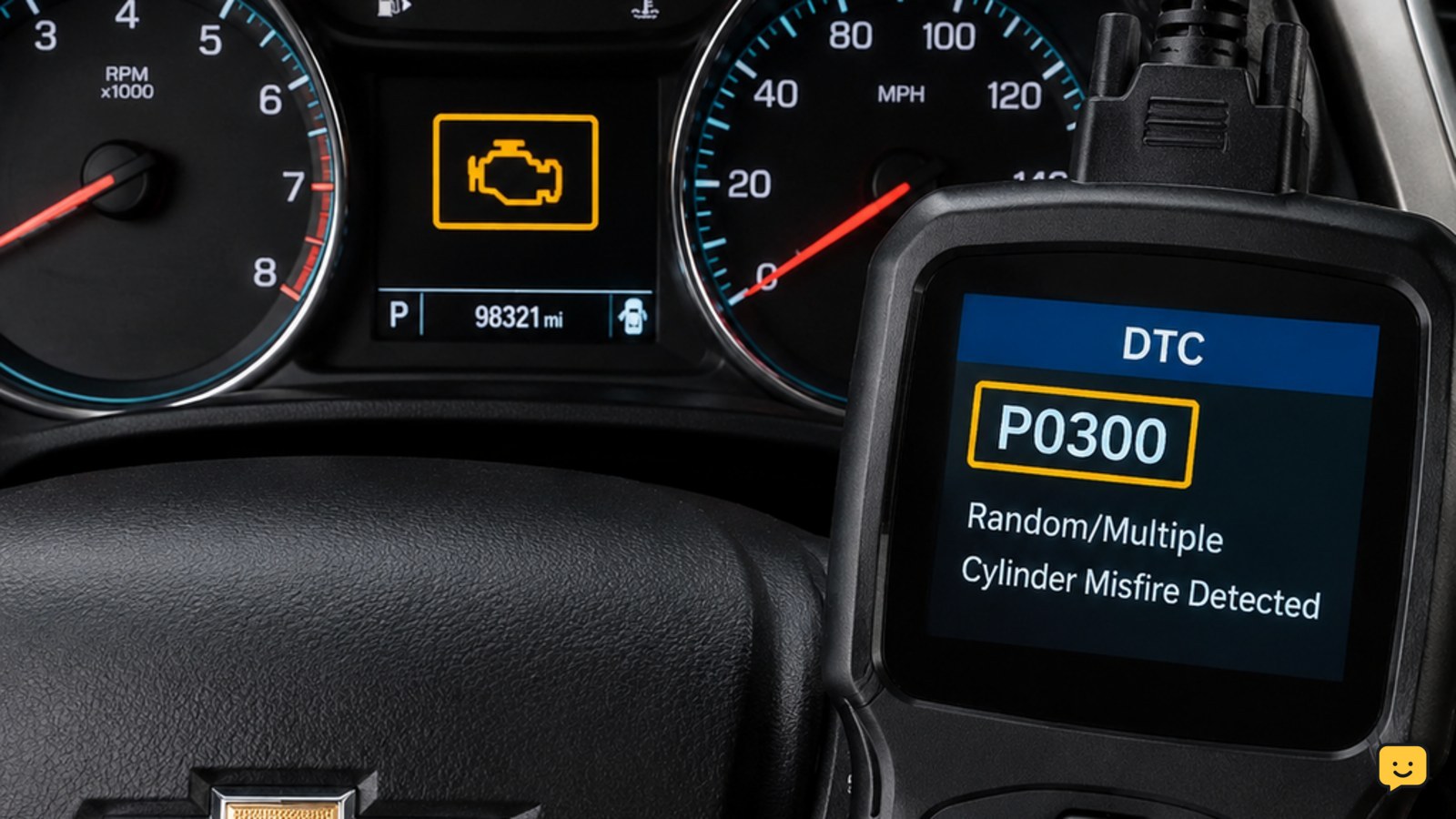
The Chevy P0300 code reports a random or multiple-cylinder misfire, meaning combustion is not occurring consistently in one or more cylinders. The code does not identify a single failed spark plug, coil, injector, or sensor. Vdiagtool describes P0300 as multiple-cylinder misfires, while CarBuzz identifies random misfire causes that include damaged components and carbon tracking.
Record every code before clearing anything. A P0301 through P0308 code points toward a specific cylinder, while P0300 alone leaves several systems in play. Note whether the engine is rough at idle, under acceleration, during cold starts, or only under load. Those observations help separate an ignition problem from an air, fuel, wiring, or mechanical fault.
If the light is steady and the engine runs normally, limit driving and diagnose soon. A flashing light or severe shaking is a stop condition because continued misfire can damage the catalytic converter.
Read scan data before replacing Chevy parts
A scan tool provides the most useful first checkpoint for a Chevy P0300 because stored, pending, and freeze-frame data show when the engine computer detected the fault. Record engine speed, coolant temperature, load, and vehicle speed when those values are available.
Clear the code only after recording the information. Then perform a short, controlled check only if the light is not flashing and the engine is operating safely. If P0300 returns immediately at idle, inspect idle-related air leaks and ignition operation first. If it returns during acceleration or uphill load, ignition strength, fuel delivery, and compression become more important possibilities.
Do not treat a code-clear as a repair. If the code returns, the fault is still present or the original condition has recurred. A model-specific Chevrolet service manual should control connector locations, test values, cylinder numbering, and component-removal procedures.
Inspect ignition parts and wiring for visible faults
Chevy ignition components are a practical first inspection because worn or damaged plugs, coils, boots, and related wiring can allow one or more cylinders to misfire. With the engine off and cool, check for loose coil connectors, damaged insulation, oil or coolant around plug wells, cracked boots, carbon tracking, and incorrectly seated electrical connectors.
If the scan tool identifies a cylinder-specific code along with P0300, a qualified technician may compare that cylinder’s ignition component with a matching cylinder using the vehicle’s service procedure. A fault that follows the component supports that component as a cause; a fault that stays with the cylinder points toward wiring, fuel delivery, compression, or another cylinder-specific issue. Do not swap parts indiscriminately or ignore model-specific coil and plug requirements.
If no visible defect appears, continue with air and fuel checks rather than assuming the ignition system is good. A component can fail under heat or load without showing external damage.
Check for air leaks, fuel problems, and mechanical causes
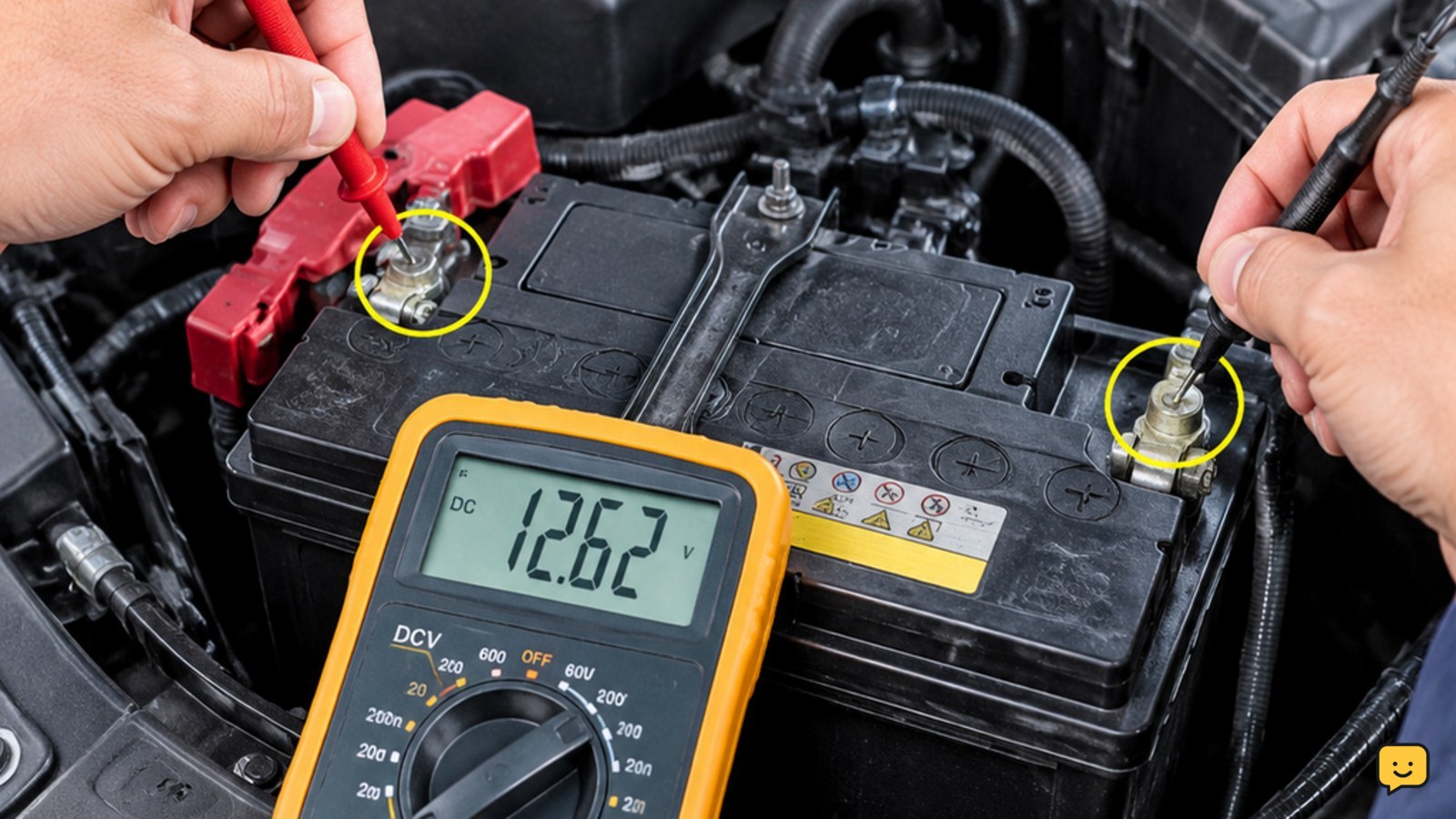
A Chevy P0300 that remains after ignition inspection can result from unmetered air, inadequate fuel delivery, injector trouble, wiring faults, or low compression. Look for split intake tubing, disconnected vacuum hoses, loose clamps, and damaged connectors. Do not spray flammable chemicals around a running engine to search for leaks.
Compare the engine’s behavior with the scan data. A rough idle with a suspected intake leak differs from a misfire that appears mainly under load. Fuel-pressure testing, injector testing, compression testing, and leak-down testing require the correct equipment and model-specific specifications. If you cannot verify the required pressure, resistance, compression, or timing value from reliable Chevrolet service information, stop before substituting a guess.
Carbon tracking is one possible misfire cause identified by CarBuzz, but it is not proof that a particular part should be replaced. Confirm the affected cylinder and inspect the related plug, boot, coil, injector circuit, and mechanical condition in sequence.
Verify the repair and handle a returning P0300
A Chevy P0300 repair is verified only when the engine runs smoothly, the warning light stays off during the conditions that triggered the fault, and a follow-up scan shows no returning current or pending misfire codes. Recheck connectors, routed wiring, intake hoses, and any component disturbed during inspection.
Use the same type of operating condition shown in the freeze-frame data, but do not deliberately drive hard or continue if the light flashes. If the code returns immediately, stop replacing parts and obtain a cylinder-balance, fuel-pressure, compression, or scan-data diagnosis as appropriate. If it returns only after warming up or under load, tell the technician that exact pattern; it can be more useful than the code alone.
If the vehicle has additional codes, diagnose them together. A low-voltage, sensor, fuel, or timing-related code may explain the misfire and should not be treated as unrelated without testing.
Frequently asked questions
Can I drive a Chevy with a P0300 code?
Only cautiously if the light is steady, the engine is smooth, and no other critical warning is present. Keep the trip short and arrange diagnosis. Do not continue driving with a flashing check-engine light, severe shaking, major power loss, overheating, or a raw-fuel smell.
Does P0300 mean the spark plugs are bad?
No. Spark plugs are one possible cause, but P0300 can also involve coils, boots, intake leaks, fuel delivery, wiring, carbon tracking, timing, or engine compression. Inspect and test the affected system instead of replacing plugs or coils solely because the code appeared.
Why does P0300 return after the code is cleared?
Clearing the code removes the stored warning but does not correct the misfire. The fault may return when the same engine speed, temperature, load, or operating condition occurs. Record freeze-frame data first, then check the system that matches when the code reappears.
Can a vacuum leak cause P0300 on a Chevy?
Yes, an intake or vacuum leak can create an air-fuel condition that contributes to random misfires, especially at idle. Inspect hoses, intake tubing, clamps, and connectors for damage or disconnection. Use proper leak-testing equipment rather than spraying flammable substances around a running engine.