Skip to content
ShowU

Food & Cooking

Practical cooking, drink preparation, ingredient handling and food storage guides.

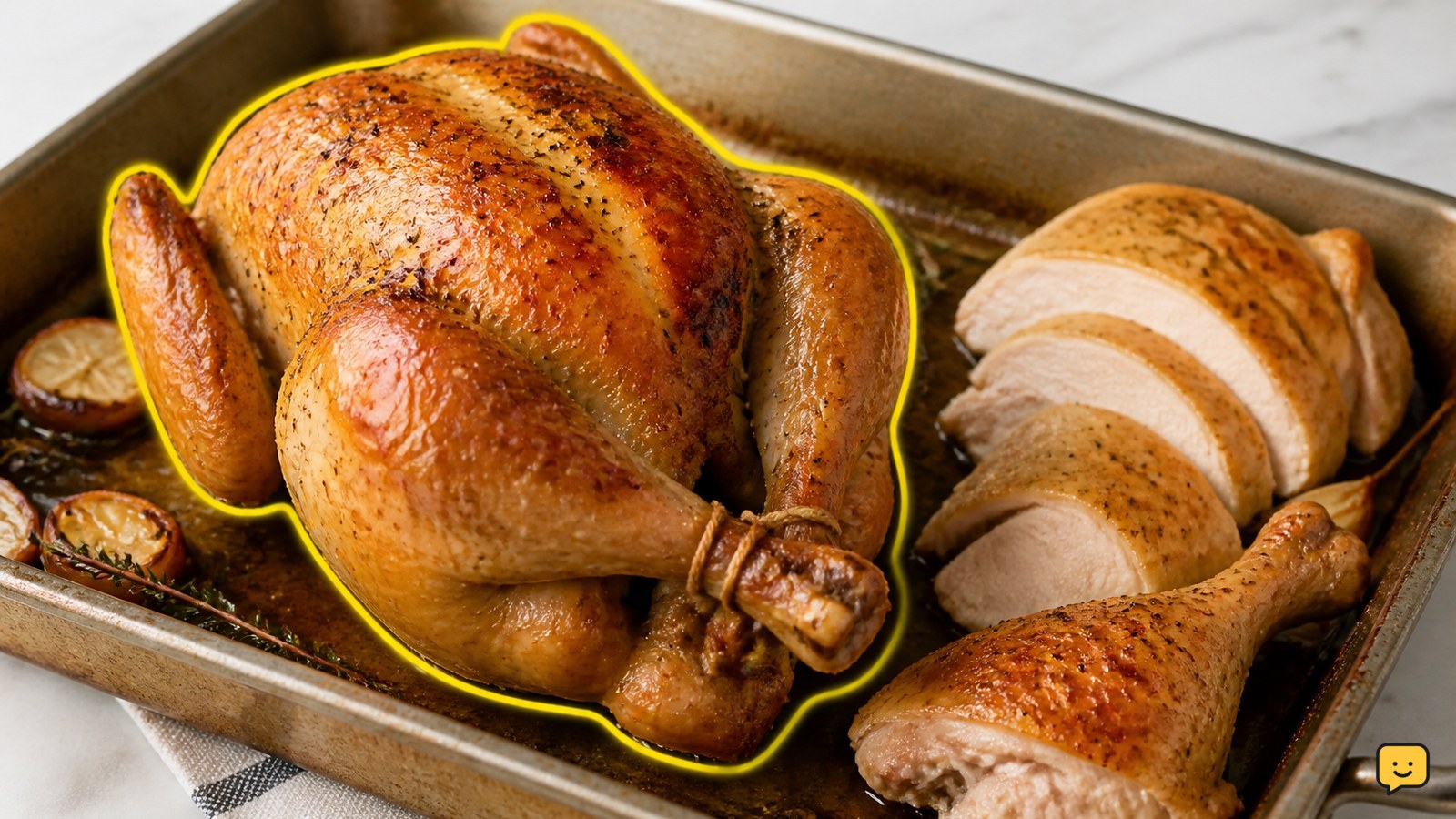
Golden whole roasted chicken resting in a roasting pan beside carved breast and leg pieces
Cooking Basics

How to Make Whole Chicken in Oven: Juicy Roast

To make a whole chicken in the oven, pat a 3- to 5-pound bird dry, season it, and roast it breast-side up at 425°F for 20 minutes, then 375°F until the thickest breast and thigh reach 165°F. Rest 15 minutes before carving. Use a thermometer—not color or juices—to decide when it is done.
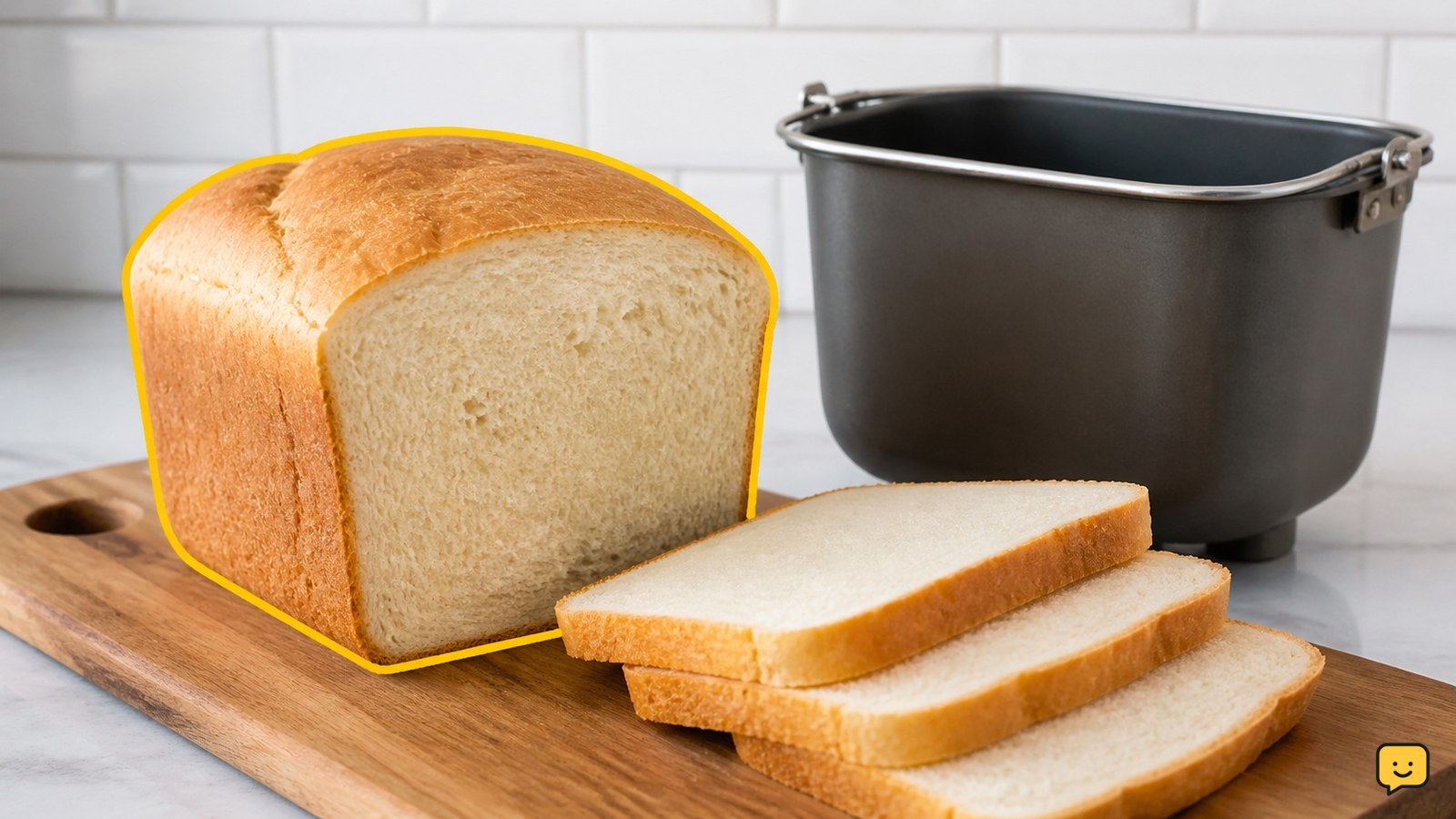
Sliced gluten-free sandwich bread beside a bread maker pan
Cooking Basics

Gluten Free Bread for Bread Maker Recipe: Soft Loaf

Use a bread maker’s gluten-free cycle with gluten-free all-purpose flour, warm milk or water, eggs, oil, vinegar, sugar, salt, and instant yeast. Add ingredients in the order your manual specifies, scrape the pan during the first mix, and expect a thick batter rather than elastic dough. Cool the baked loaf completely before slicing so the crumb can set.

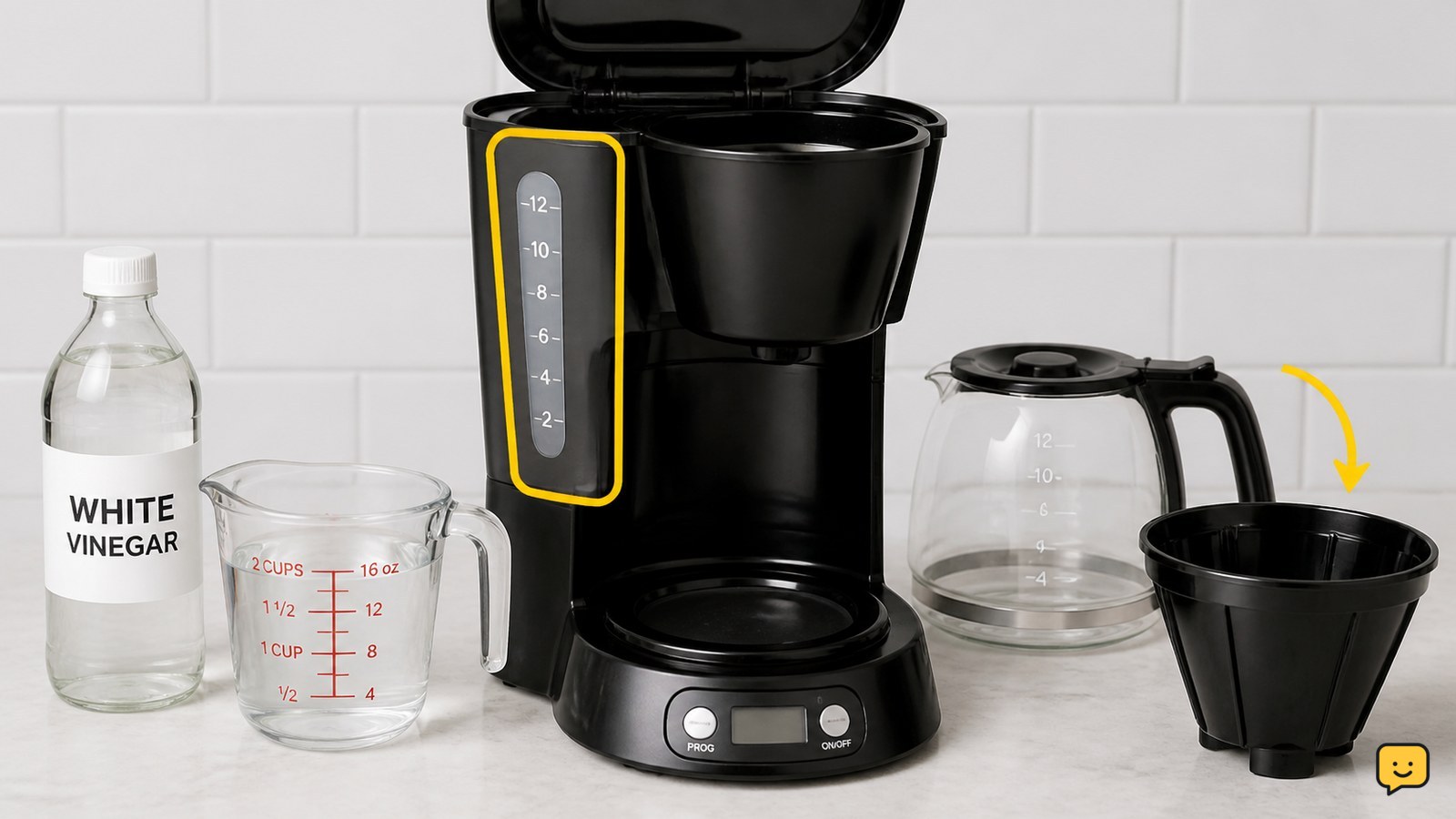
White vinegar and water beside an empty standard drip coffee maker ready for cleaning
Cooking Basics

How to Clean a Coffee Maker with White Vinegar

To clean a standard drip coffee maker with white vinegar, empty the grounds and carafe, wash removable parts, and fill the reservoir with equal parts white vinegar and water. Run a full brew cycle, discard the solution, then run fresh water through the machine until the vinegar smell and taste are gone.

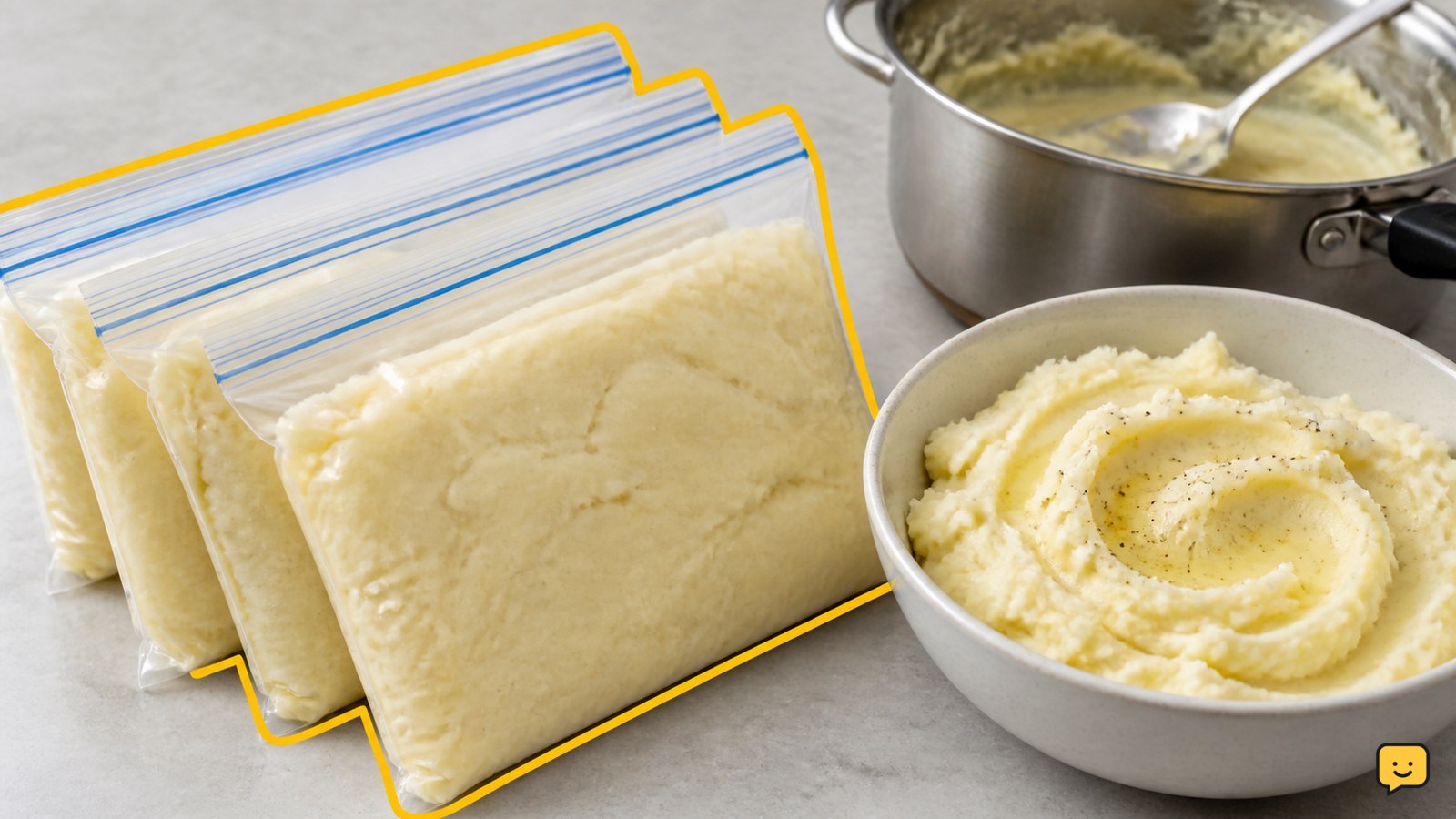
Portioned mashed potatoes in freezer bags beside a reheated bowl
Food Storage

Can You Freeze Mashed Potatoes: Best Uses

Yes. Mashed potatoes freeze well enough for leftovers and make-ahead portions, although thawing can change their texture. Divide them into small portions, pack them airtight in freezer-safe bags or containers, thaw in the refrigerator, and reheat gently. Stir in a little butter, cream, or milk only if the potatoes turn dry or stiff.

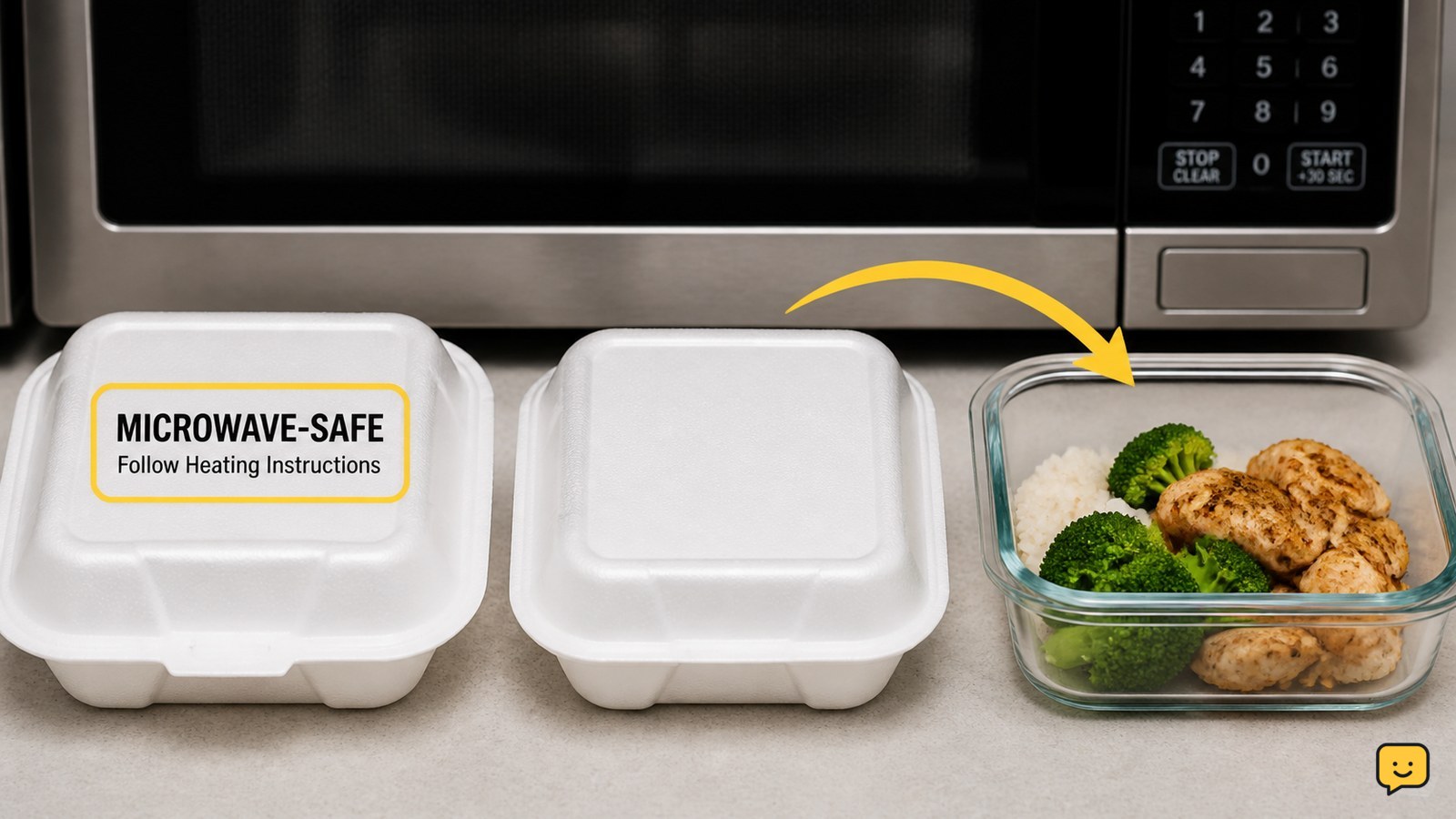
Labeled and unmarked foam food containers beside a microwave-safe glass dish
Cooking Basics

Can You Microwave Styrofoam: Check the Label

You can microwave Styrofoam only when the container is clearly labeled microwave-safe. If there is no label, treat it as unsuitable and move the food to a microwave-safe glass or ceramic dish. Stop immediately if the foam softens, warps, melts, smokes, or develops an unusual odor; do not eat food contaminated by melted foam.

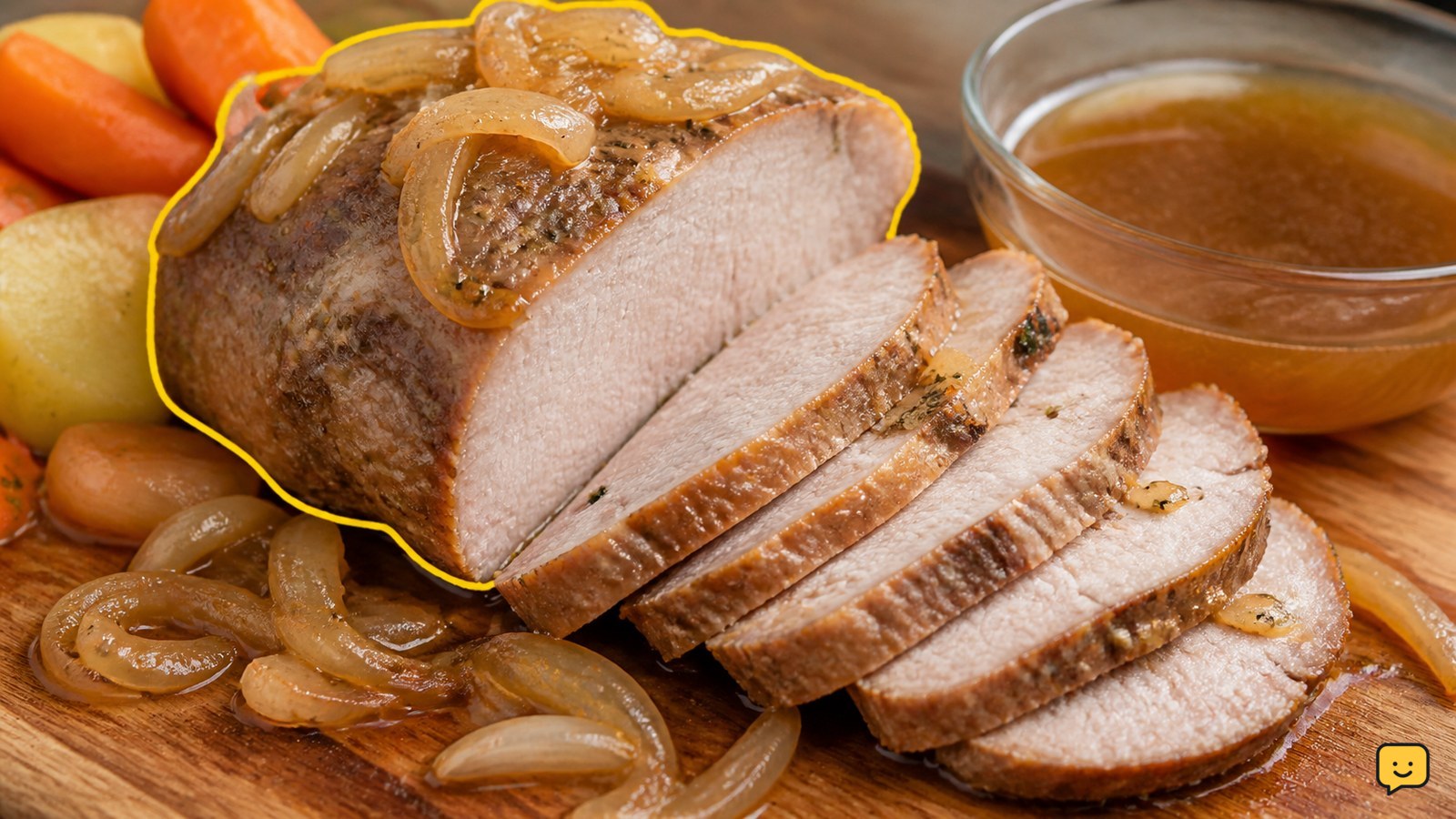
Sliced slow cooker pork roast with onions and cooking juices
Cooking Basics

How to Make Slow Cooker Pork Roast: Tender Meat

To make slow cooker pork roast, season a 3- to 4-pound pork shoulder or loin, place it over sliced onions, add about 1 cup of broth around the meat, cover, and cook on low for 7 to 9 hours. Check the thickest part with a thermometer, then rest the roast before slicing or shredding.

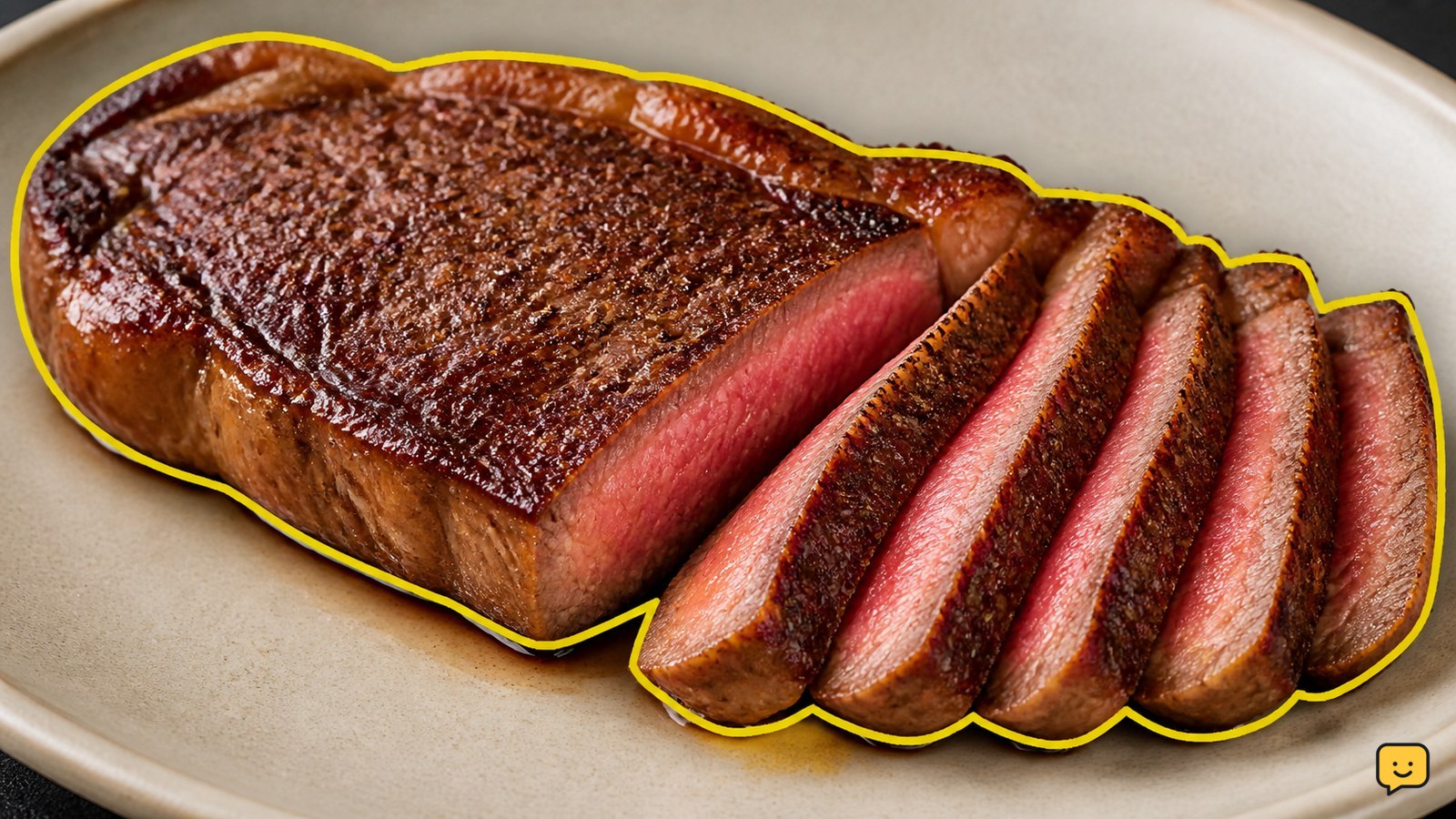
Sliced New York strip steak with a browned seared crust on a plate
Cooking Basics

How to Cook a New York Strip: Juicy Sear

Pat the New York strip dry, season it, and sear it in a very hot oven-safe skillet until browned on both sides. Move the skillet to a 350°F oven to finish cooking, then check the thickest part with a thermometer. Snake River Farms lists 120°F for medium-rare, followed by a short rest before slicing.

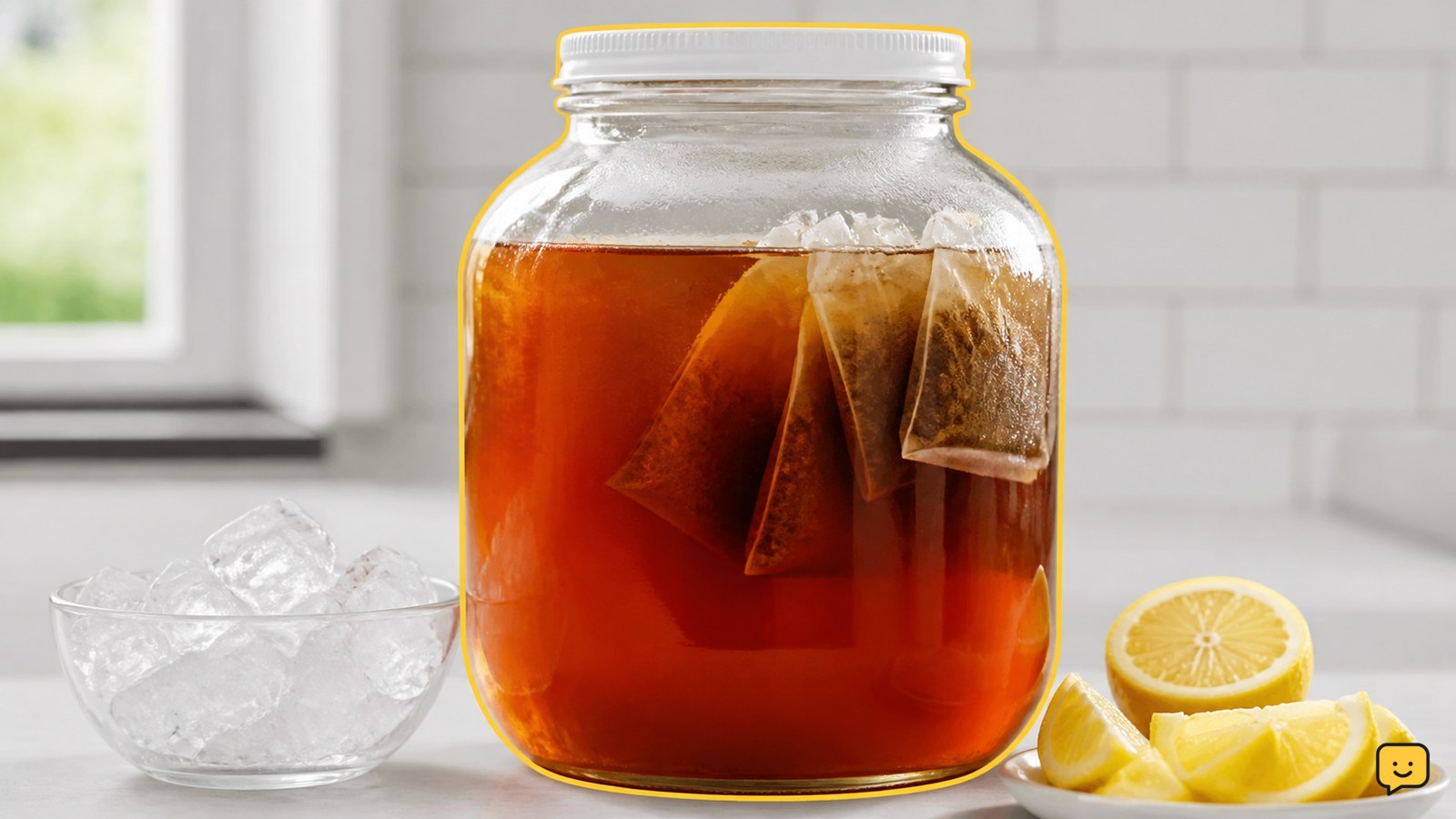
Glass jar of amber sun tea with ice and lemon on a kitchen counter
Drinks

How to Make Sun Tea: Chill It Promptly

To make sun tea, place 6 to 8 tea bags in a clean, covered 1-gallon glass jar filled with cool water. Set it in direct sunlight for about 3 to 4 hours, then remove the bags, refrigerate the tea promptly, and serve over ice. Stop if the jar cracks, leaks, or the tea develops an unusual odor or appearance.

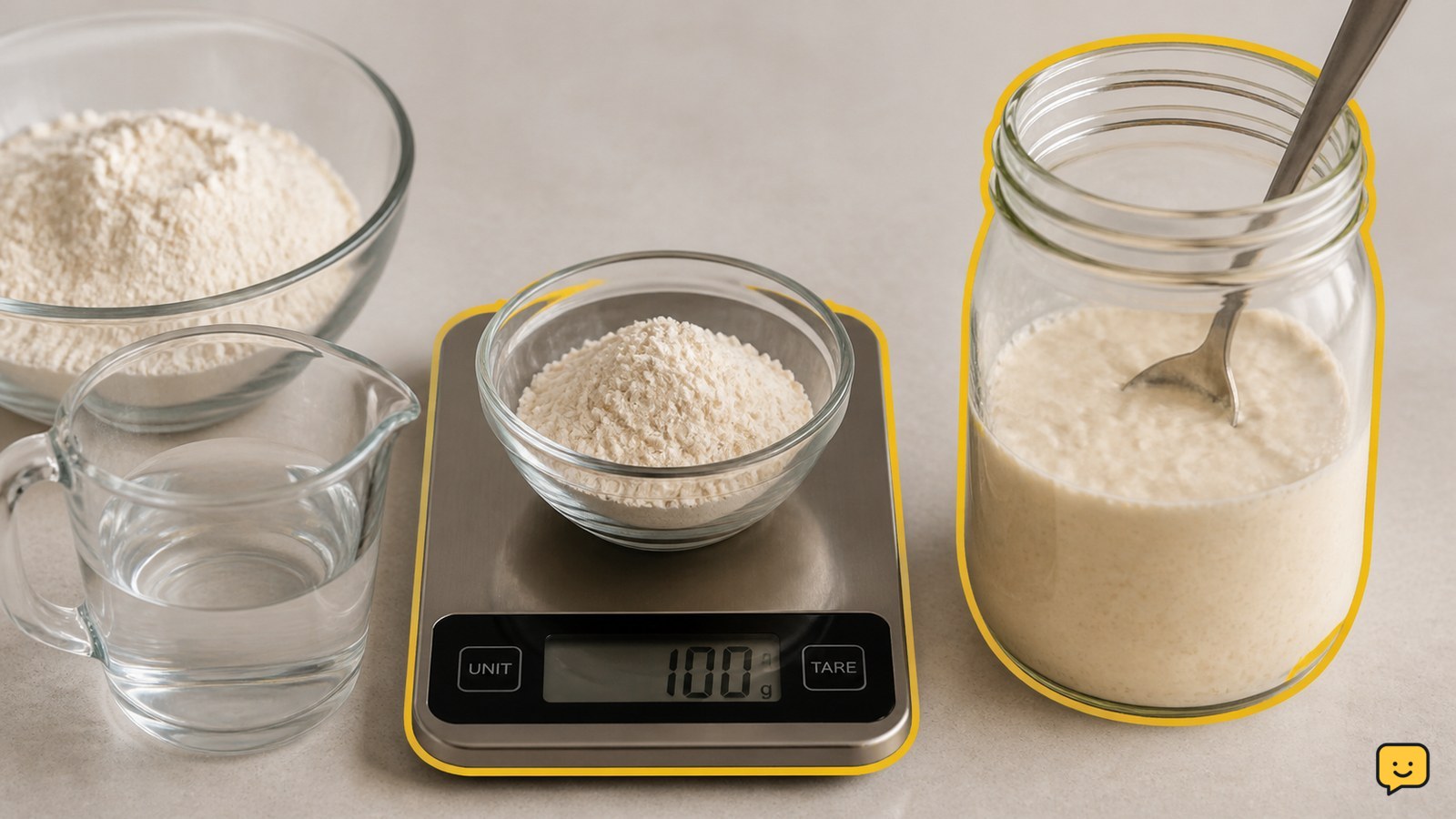
Glass jar of sourdough starter beside flour, water, and a kitchen scale
Cooking Basics

How to Make a Sourdough Starter Recipe

To make a sourdough starter, mix 50 grams of flour with 50 grams of water in a clean jar. Keep it loosely covered at room temperature, then discard part and feed it with equal weights of flour and water each day. It is ready when bubbly, pleasantly sour, and reliably doubles after feeding.

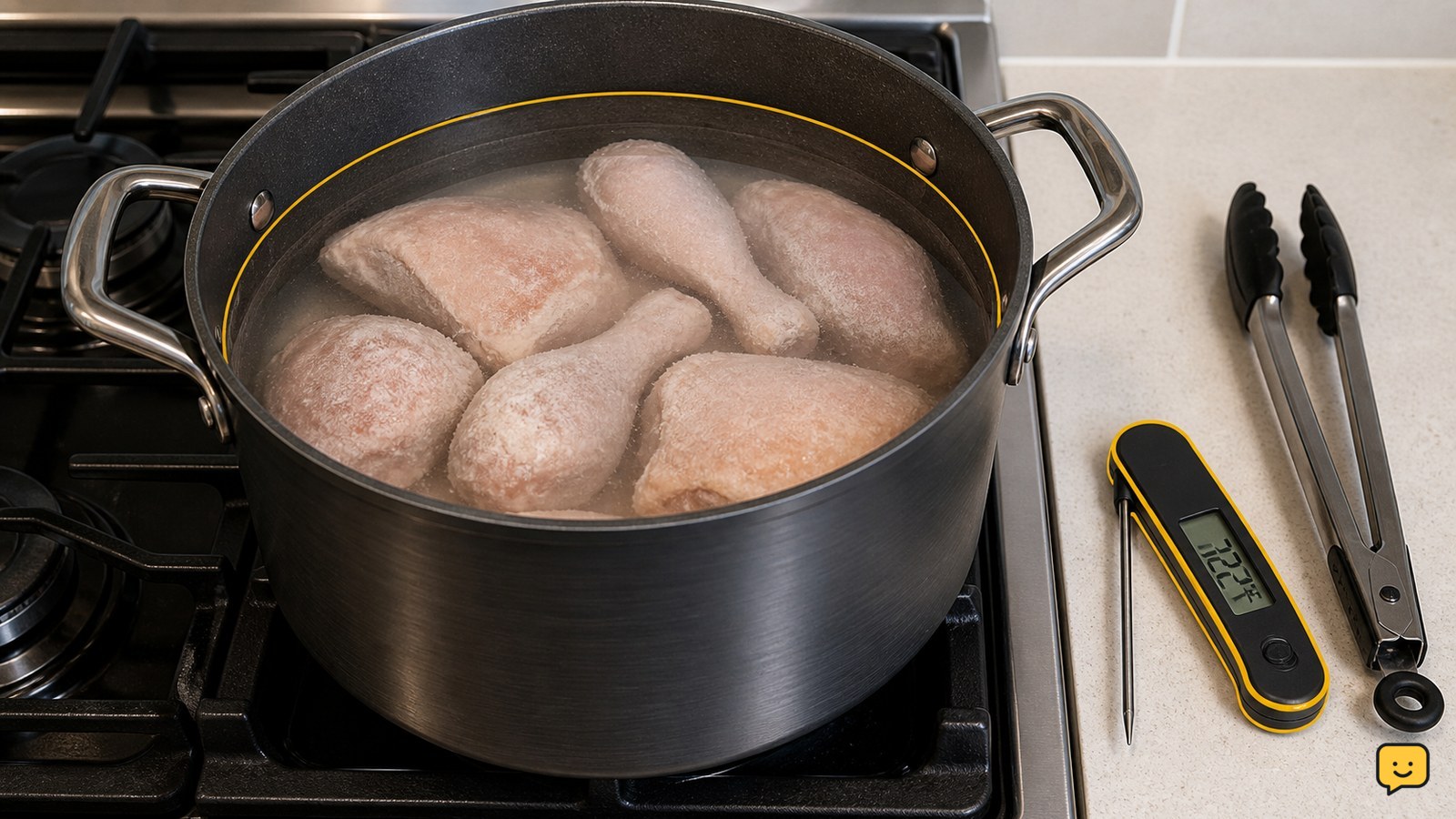
Frozen chicken pieces simmering in a deep pot of water with a food thermometer nearby
Cooking Basics

Can You Boil Frozen Chicken: Safe Method

Yes, you can boil frozen chicken safely if it cooks all the way through. Place individual frozen pieces in a pot, cover them with water, bring the water to a boil, then reduce to a steady simmer. Separate pieces as they loosen and do not serve until the thickest part reaches 165°F (74°C).