Skip to content
ShowU

Maintenance & Repair

Diagnose common car maintenance and repair problems with practical guides for warning lights, fluids, tires, brakes, batteries, starting and everyday vehicle care.

Why Is My Car Making a Clicking Noise When Turning?
Maintenance & Repair

Why Is My Car Making a Clicking Noise When Turning?

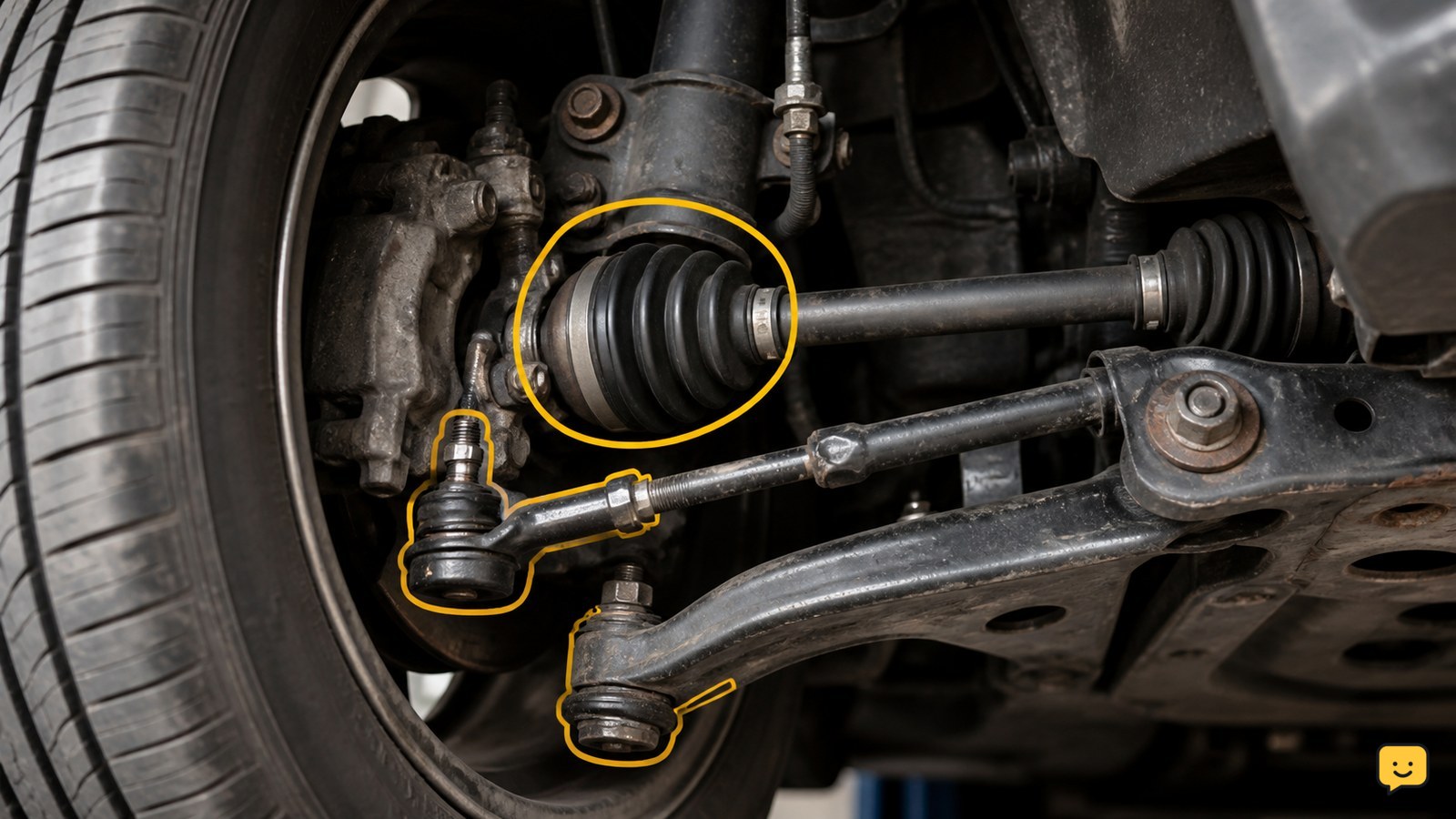
A repeated clicking or popping noise while turning commonly points to a worn CV joint or axle component, especially when the sound gets faster with vehicle speed and louder on tight turns. Tie-rod ends, ball joints, steering-rack bushings, tires, or loose hardware can create similar noises. Stop driving if steering changes, vibration, tire damage, or a warning sign appears.
How Do I Reset the Oil Life Light in My Car?
Maintenance & Repair

How Do I Reset the Oil Life Light in My Car?

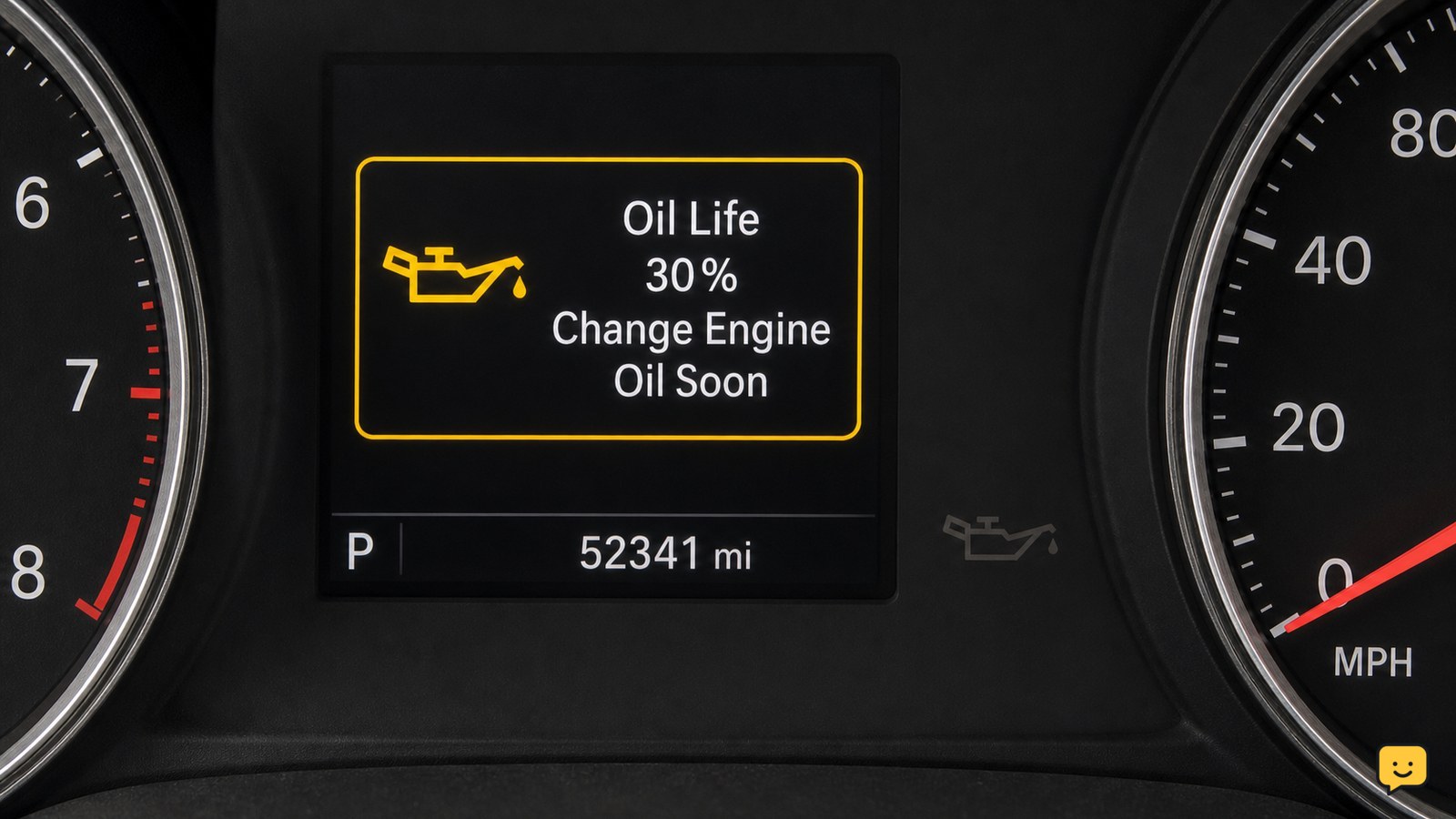
Reset the oil life light only after the correct oil and filter service. Turn the ignition on without starting the engine, open the vehicle or maintenance menu, choose Oil Life or Oil Life Reset, then confirm or hold OK. If your car has no menu option, follow the model-specific pedal or dashboard-button sequence in the owner’s manual.

What Does the Tire Pressure Light Mean on My Car?
Maintenance & Repair

What Does the Tire Pressure Light Mean on My Car?

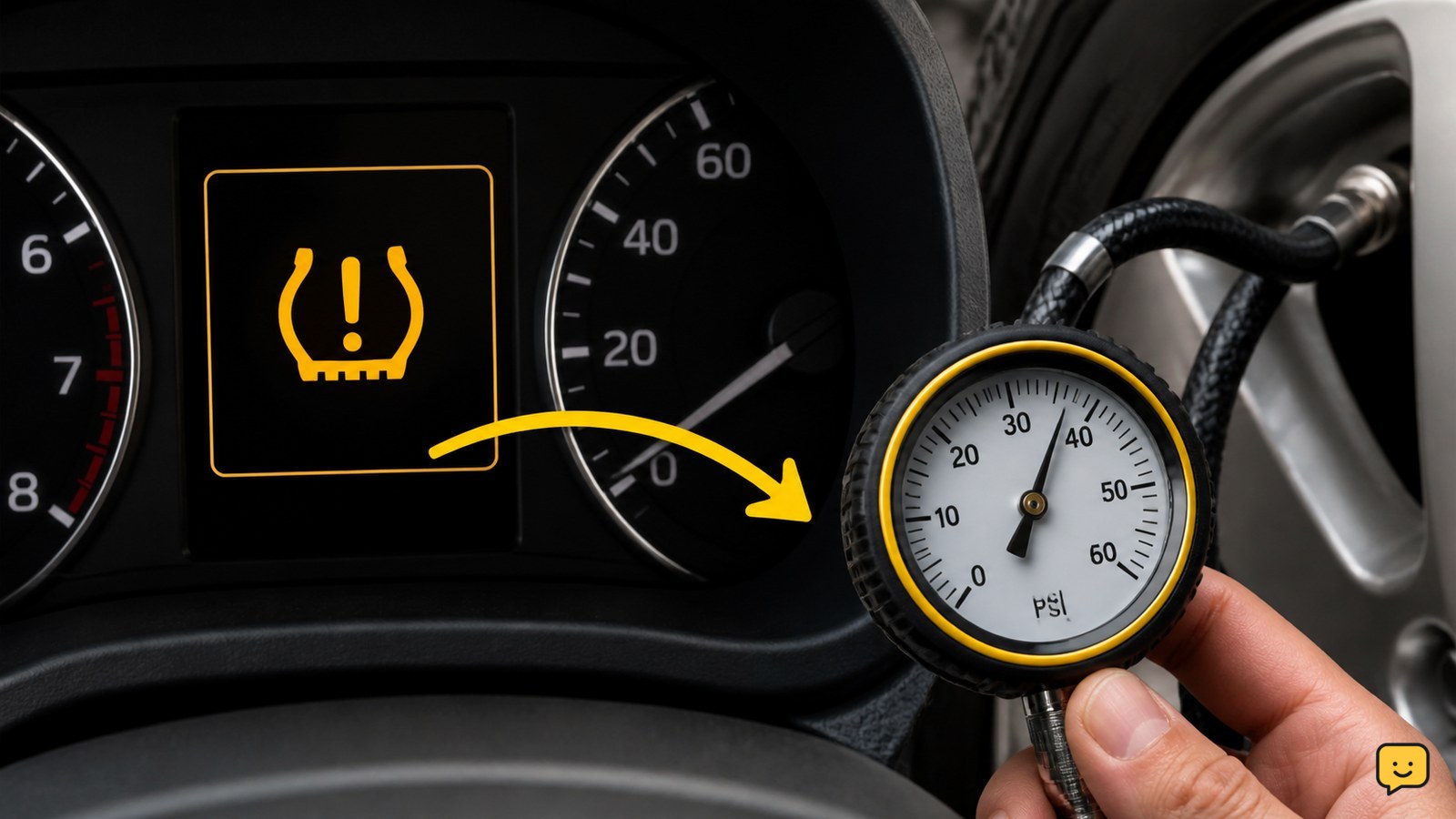
The tire pressure light usually means one or more tires are underinflated. Slow down, avoid hard cornering, and check all four tires with a gauge when they are cold. Inflate them to the pressure on the driver’s doorjamb label, not the number on the tire sidewall. Stop driving if a tire is flat, damaged, losing pressure quickly, or the car handles abnormally.

Check Engine Light On: What to Do Before Driving
Maintenance & Repair

Check Engine Light On: What to Do Before Driving

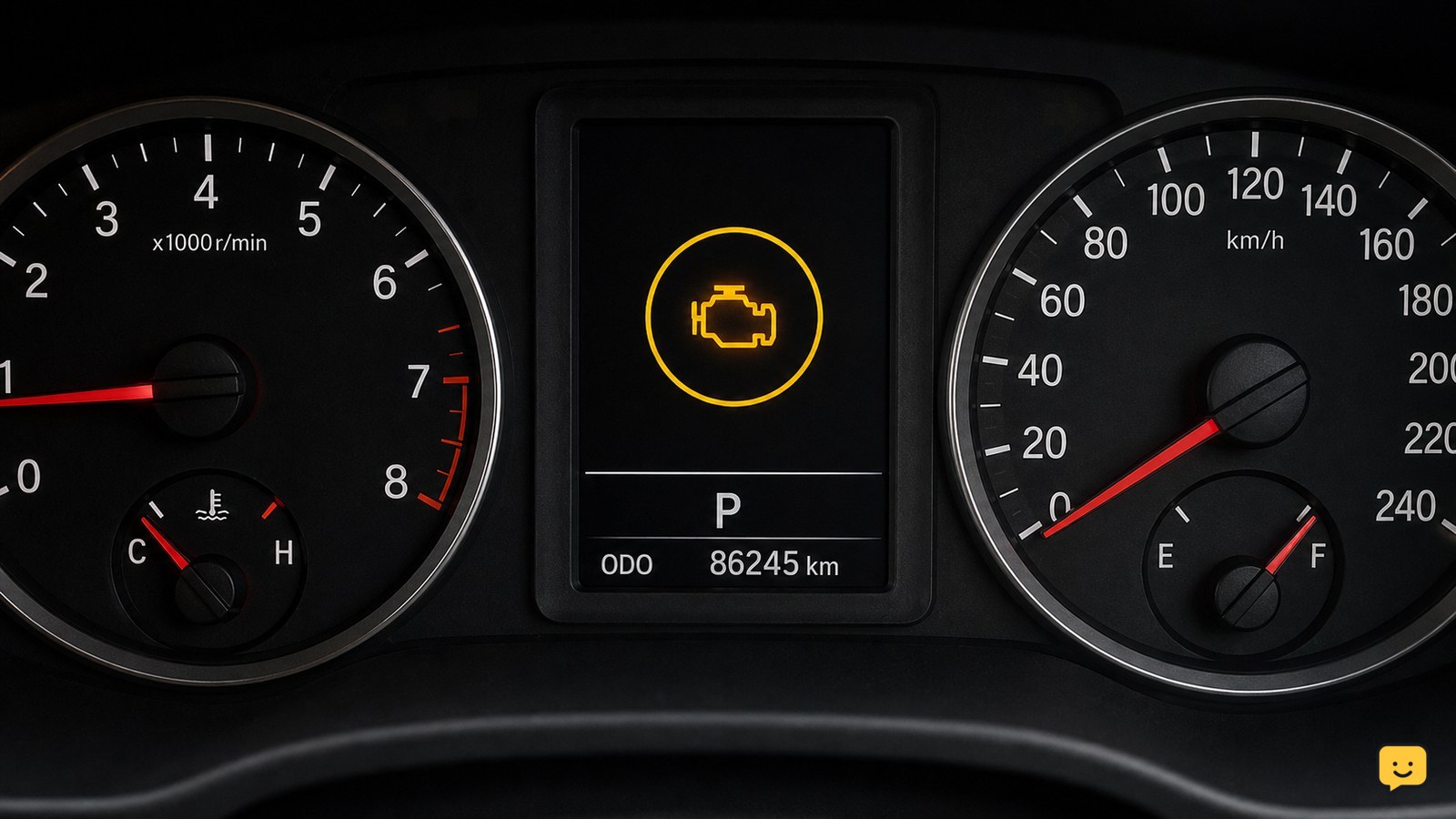
Before driving, check whether the check-engine light is steady or flashing, then look for rough running, power loss, smoke, unusual odors, overheating, or other warning lights. A flashing light or serious symptom means stop and arrange assistance. If the light is steady and the car feels normal, check the gas cap, review recent maintenance, and arrange a diagnostic scan soon.

Steering Wheel Shakes While Driving: Find the Cause
Maintenance & Repair

Steering Wheel Shakes While Driving: Find the Cause

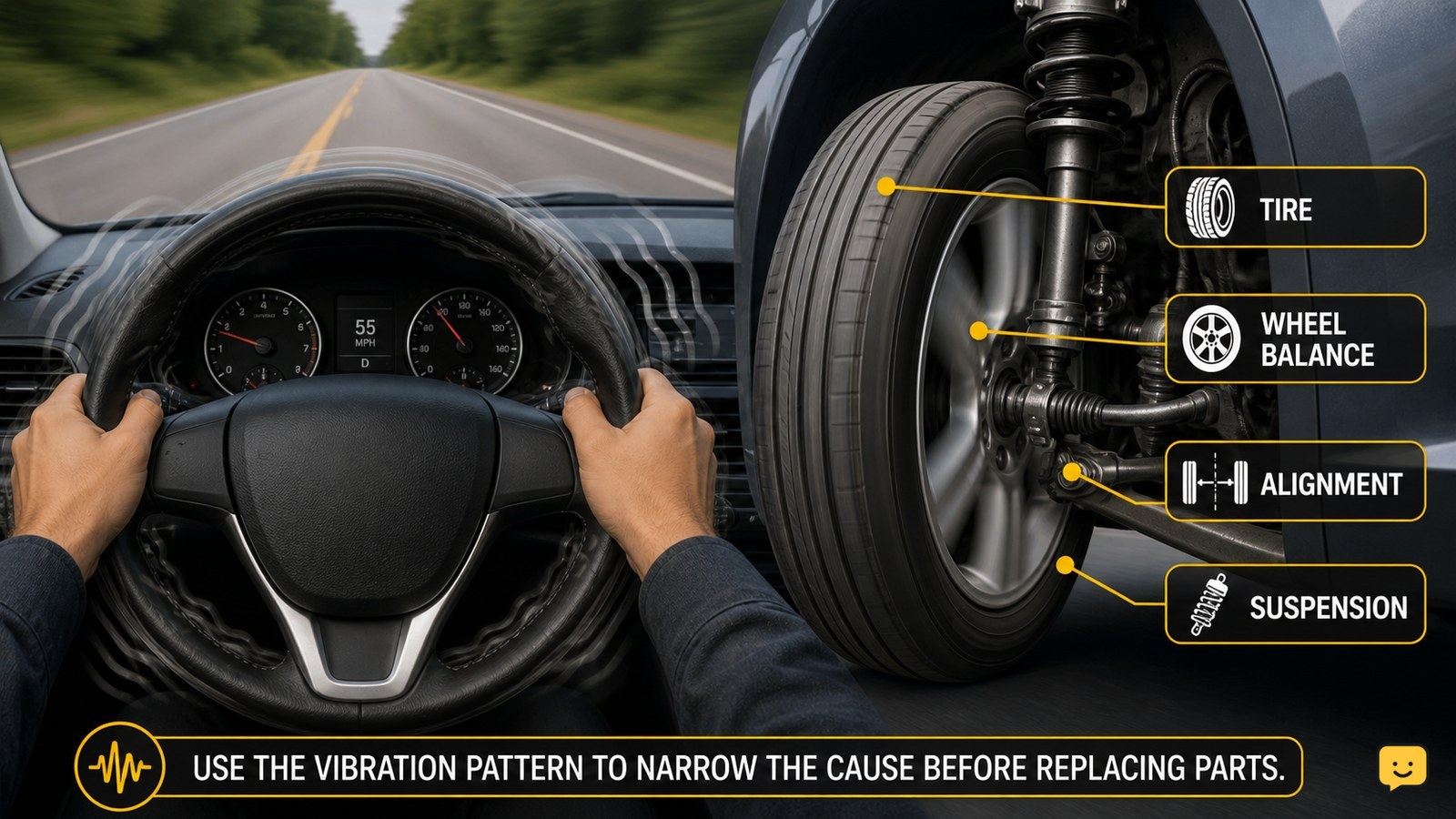
To find why your steering wheel shakes while driving, note when it happens: at a certain speed usually points to a tire or wheel-balance problem, while pulling or uneven tread suggests alignment. Vibration over bumps points more toward suspension. If the shake is sudden, severe, worsening, or paired with a loose wheel, damaged tire, noise, or warning light, stop driving and arrange a professional inspection.

Car Brakes Squeaking When Stopping: Unsafe?
Maintenance & Repair

Car Brakes Squeaking When Stopping: Unsafe?

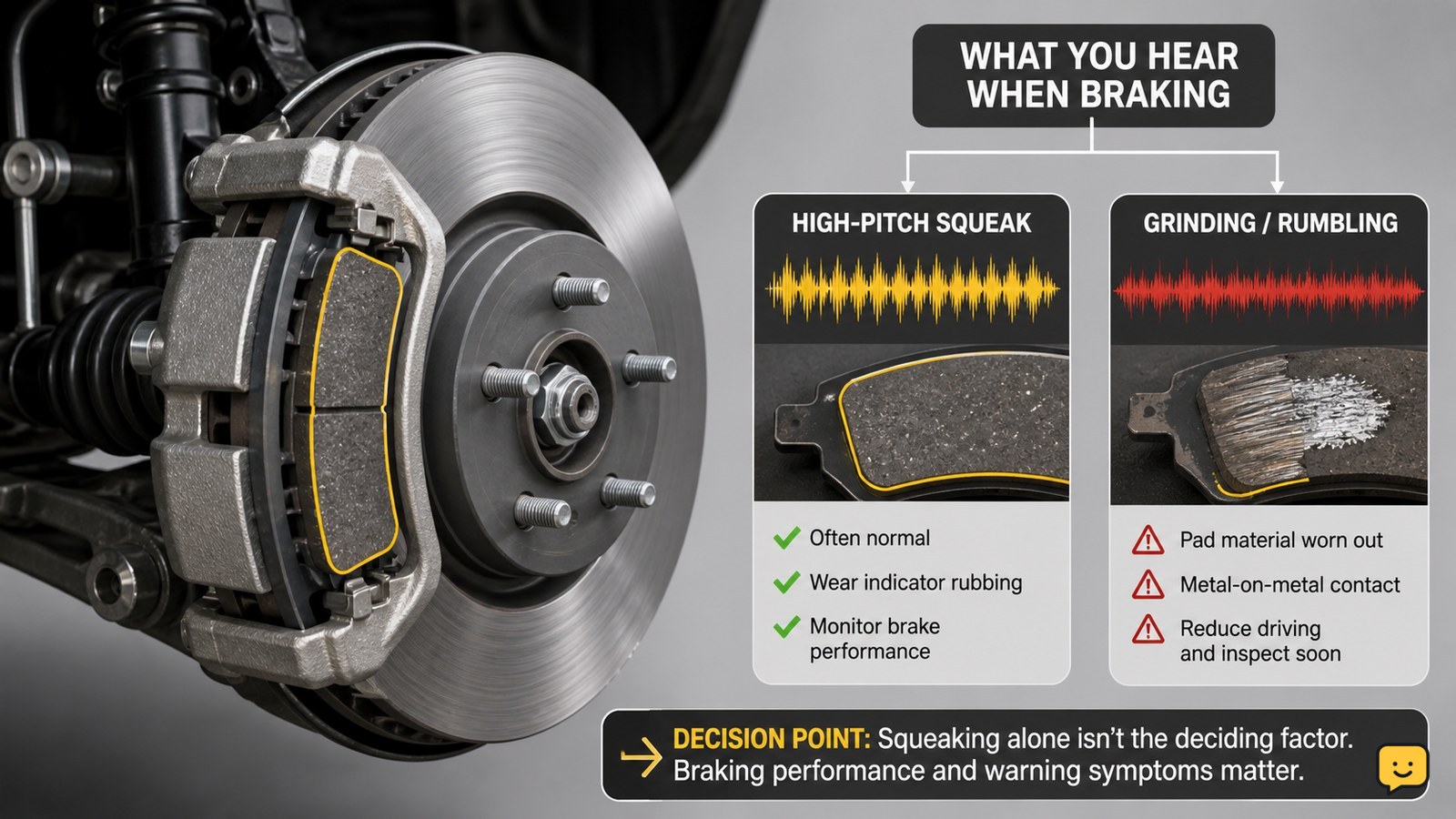
Squeaking alone does not prove that car brakes are unsafe, but persistent or worsening noise needs inspection. Stop driving and arrange recovery if the sound becomes grinding, the car stops less effectively, the brake pedal feels abnormal, the vehicle pulls, strong vibration appears, or a brake warning light comes on. A quiet test does not confirm the brakes are safe.

Car Battery Keeps Dying Overnight: Find the Cause
Maintenance & Repair

Car Battery Keeps Dying Overnight: Find the Cause

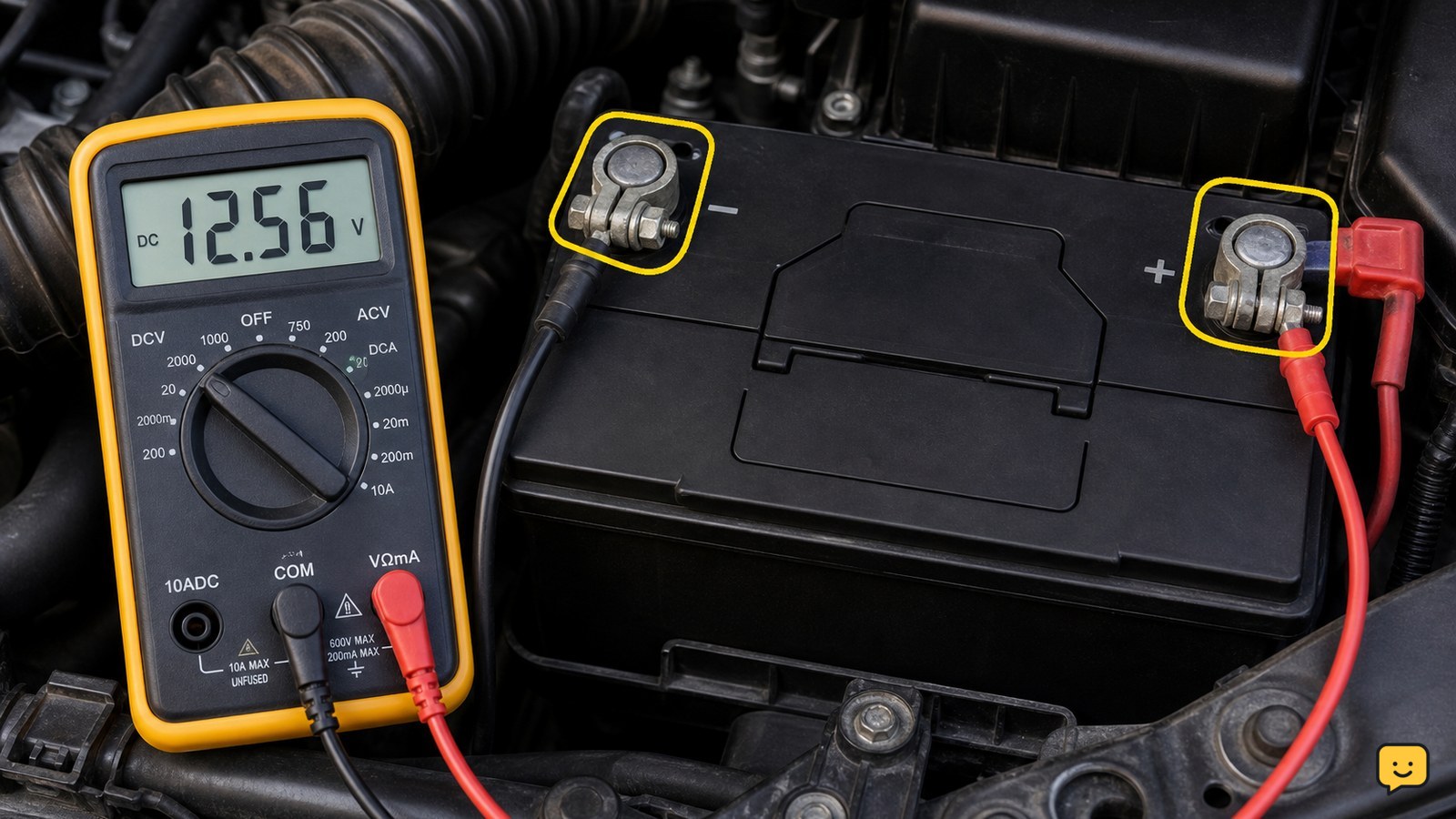
A car battery that keeps dying overnight is usually suffering from a weak battery, an undercharging alternator, or a key-off electrical draw. Fully charge and test the battery first, then check charging output and measure current draw after the vehicle goes to sleep. Remove accessories and isolate the responsible fuse before replacing parts.

How Often Should You Change Engine Oil: Mileage Guide
Maintenance & Repair

How Often Should You Change Engine Oil: Mileage Guide

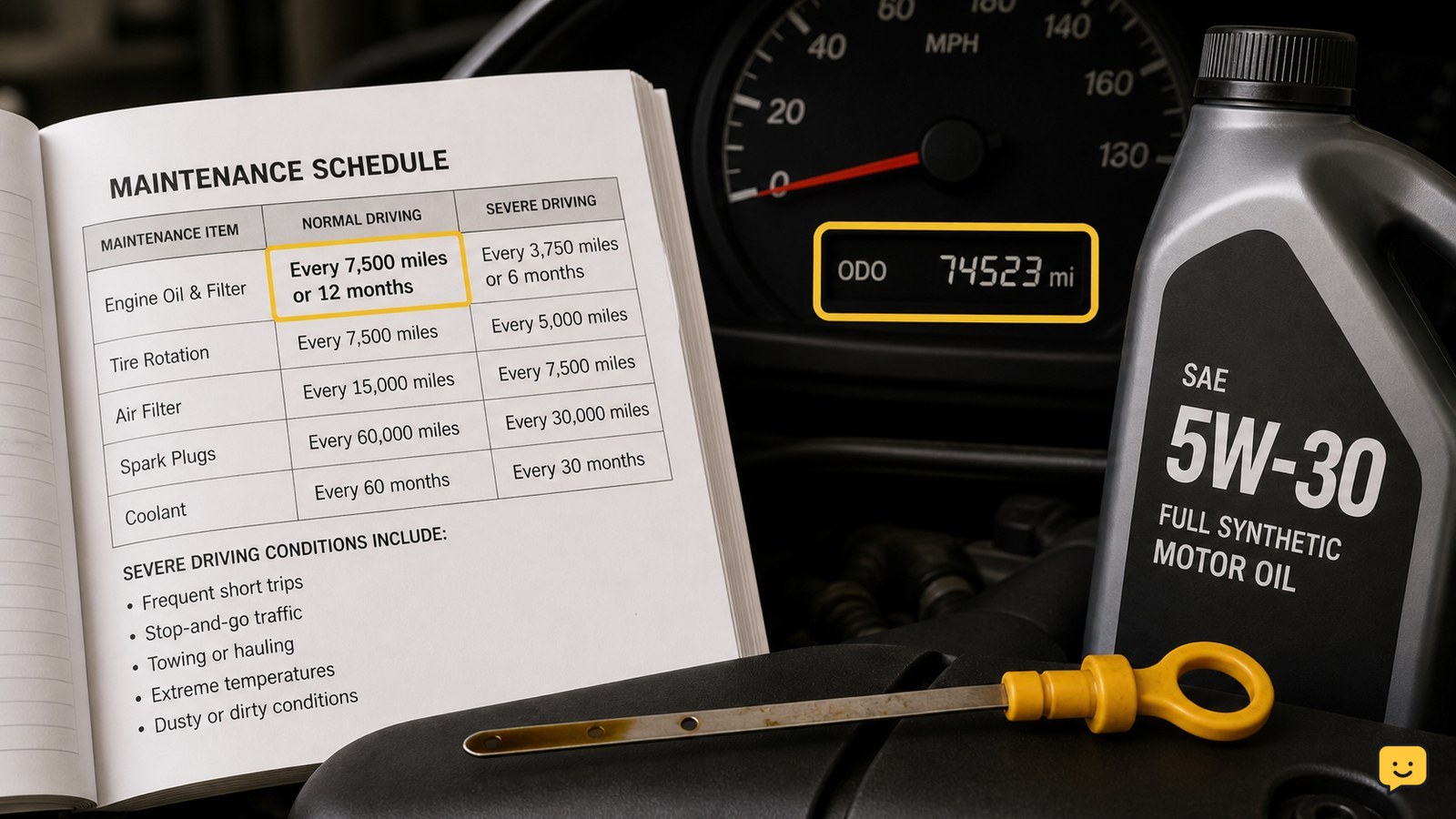
For most modern cars, change engine oil at the mileage or time limit listed in the owner’s manual, whichever comes first. A common range is 5,000 to 7,500 miles, according to AAA and Walser, but severe driving may require a shorter interval. Use the specified oil grade and never treat an oil-pressure warning as a routine service reminder.

How to Fix Car Windshield Wipers Leaving Streaks
Maintenance & Repair

How to Fix Car Windshield Wipers Leaving Streaks

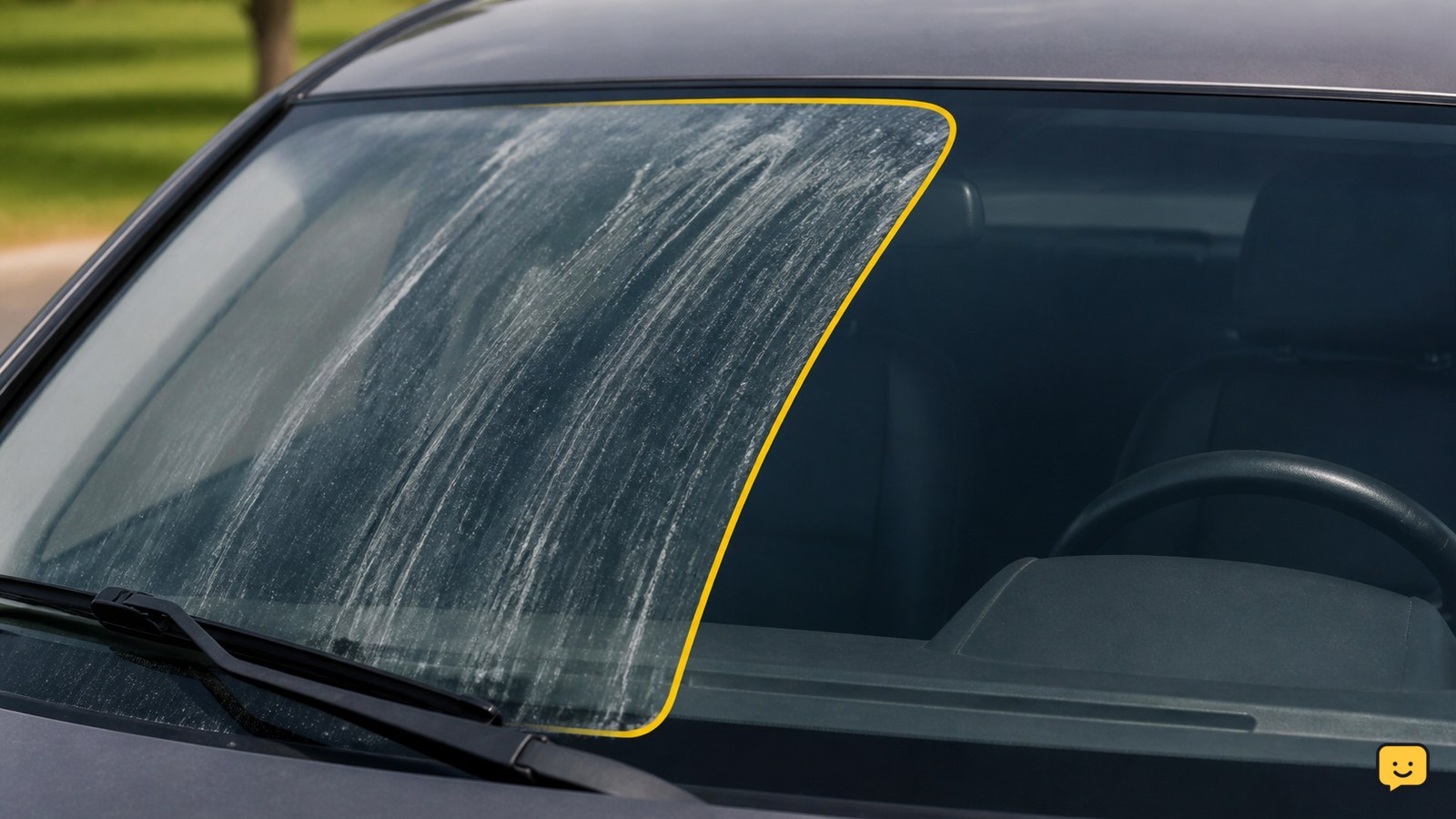
To fix streaky windshield wipers, park safely, lift each arm, and clean the rubber edge and windshield with a lint-free cloth and automotive glass cleaner. Recheck the blade for cracks, splits, warping, or embedded grit, and make sure the washer reservoir has suitable fluid. Replace a damaged or still-streaky blade after cleaning; do not rely on it in poor visibility.