Yes, dogs can have a small amount of plain, food-grade olive oil occasionally, but it is high in fat and offers no established need in a complete dog diet. Do not give seasoned oil, oil with garlic or onion, or olives with pits. After a larger accidental ingestion, or if vomiting, diarrhea, pain, lethargy, or breathing trouble appears, contact a veterinarian.
For more help with this topic, use the Everyday Pet Care guides.
Check whether the oil is plain and unseasoned
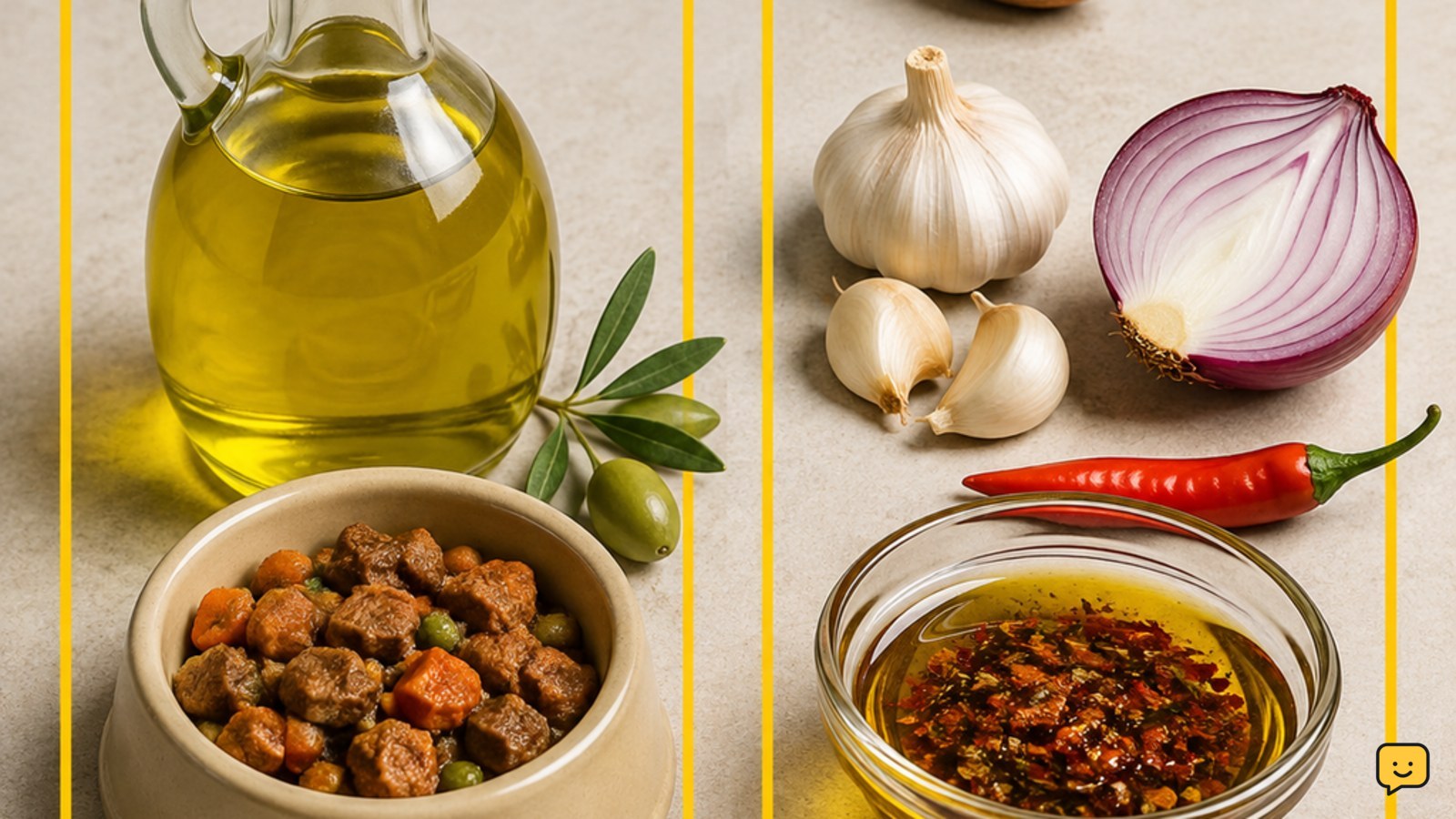
Plain olive oil is the only form that may be considered as an occasional food addition for a healthy dog. Extra-virgin and regular olive oil are both concentrated fats; there is no established veterinary requirement to add either one to a complete and balanced diet.
Read the ingredient list before sharing oil from a bottle, marinade, dipping dish, or prepared food. Garlic and onion can harm dogs, while chili, spice blends, and rich sauces may cause digestive problems. The American Society for the Prevention of Cruelty to Animals (ASPCA) lists onion and garlic among foods that can be dangerous to pets.
If the oil is plain and your dog only licked a small trace, remove access and monitor. If the product contains several additives or the amount is unknown, keep the label and call your veterinarian for product-specific advice.
Offer plain olive oil only as a minor treat
Plain olive oil should remain an occasional taste, not a substitute for normal food or a daily health remedy. Because oil is calorie-dense and fatty, repeated or generous portions can contribute to loose stool, vomiting, unwanted weight gain, or other fat-related digestive concerns.
For a healthy dog, the safest preparation is to mix a very small amount into otherwise suitable, plain food rather than offering a bowl of oil. Do not use it to encourage a dog to eat when the dog is already unwell. Dogs with a history of pancreatitis, ongoing digestive disease, obesity, or a veterinarian-prescribed low-fat diet should be checked with their veterinarian before receiving added oil.
For another example of safer preparation principles, compare the plain-food guidance in safe forms of sweet potato.
For another example of safer preparation principles, compare the plain-food guidance in safe forms of sweet potato.
Keep olive pits, seeds, and rich recipes away
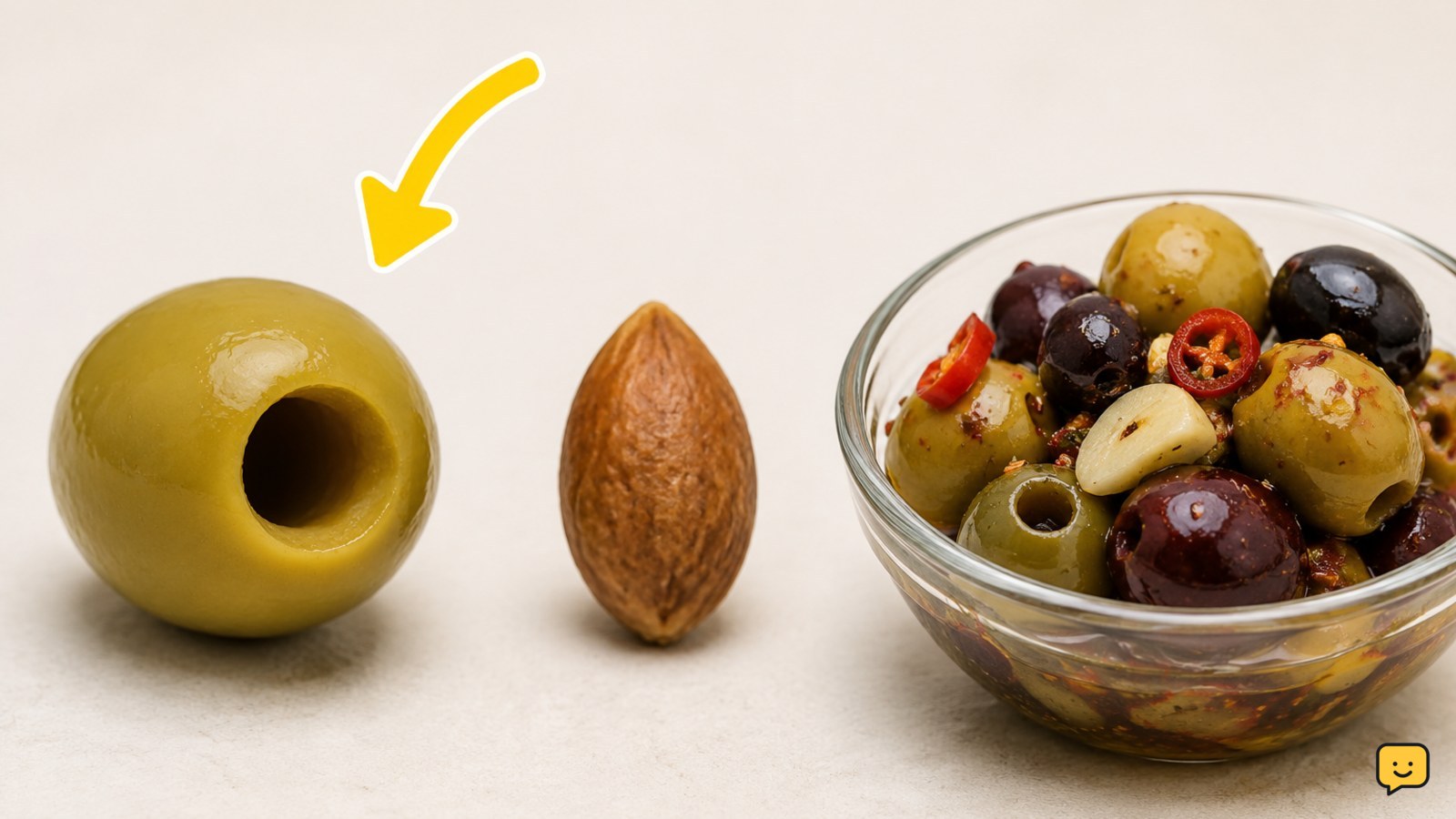
Olive oil itself has no pit, seed, or rind, but olives served with the oil can introduce separate hazards. Remove olive pits before a dog can reach the food. A pit may be a choking hazard or may contribute to an intestinal blockage if swallowed.
Avoid olives and oil from tapenades, antipasto, pizza, salads, marinades, or sauces when they contain garlic, onion, heavy salt, chili, alcohol, or other seasonings. Do not give a dog the rind or hard parts of an olive as a chew. Plain, pitted olive flesh is different from olive oil, but it can still be salty or seasoned in prepared foods.
Use the same preparation check with other produce: dogs can eat plain prepared watermelon only after seeds and rind are removed.
Use the same preparation check with other produce: dogs can eat plain prepared watermelon only after seeds and rind are removed.
Monitor for digestive or obstruction warning signs
After a small amount of plain oil, monitor your dog for changes in appetite, energy, stool, and comfort. Mild digestive upset can include vomiting or diarrhea, but you cannot determine the cause safely from symptoms alone.
Contact a veterinarian if symptoms are repeated, persistent, worsening, or accompanied by abdominal pain, unusual lethargy, refusal to eat, weakness, or dehydration concerns. These signs are especially important after a large amount of fat or a dog with previous pancreatic or digestive problems. The Merck Veterinary Manual describes high-fat dietary exposure as a possible risk factor considered in canine pancreatitis, but an article cannot determine whether a particular dog has that condition.
If a pit or another hard object was swallowed, watch for choking, repeated vomiting, abdominal discomfort, inability to keep water down, or worsening weakness. Do not wait for symptoms when breathing is impaired, your dog collapses, or severe pain is apparent.
Call the right professional after accidental ingestion
Call your veterinarian after a large ingestion, an uncertain amount, any ingestion by a dog with relevant medical restrictions, or any new symptom. Give the product name, ingredient list, estimated amount, time of ingestion, and your dog’s weight and current signs.
Use an animal poison-control service when the oil was flavored with a potentially toxic ingredient, the recipe contained several unknown ingredients, or your veterinarian directs you to do so. The ASPCA Animal Poison Control Center and Pet Poison Helpline provide case-specific guidance; fees or availability may vary by service and location.
Do not induce vomiting, give medication, administer a home antidote, or delay emergency care while trying to calculate a safe amount. If there is breathing difficulty, collapse, severe weakness, repeated vomiting, or marked abdominal pain, go to an emergency veterinary clinic immediately. For a known raisin or grape exposure, use the more urgent guidance in what to do after raisin ingestion.
Frequently asked questions
Can dogs have extra-virgin olive oil?
Yes, a small occasional amount of plain extra-virgin olive oil is generally the same type of food consideration as regular olive oil. It is still high in fat and is not required in a complete diet. Avoid flavored versions and ask a veterinarian first if your dog has pancreatitis history, digestive disease, obesity, or a low-fat diet.
What happens if a dog drinks olive oil?
A dog that drinks more than a small taste may develop vomiting, diarrhea, appetite loss, or abdominal discomfort because olive oil is concentrated fat. Remove access, save the bottle or recipe information, and contact a veterinarian for guidance. Do not induce vomiting or give a home remedy.
Can dogs eat olives in olive oil?
Only plain, pitted, unseasoned olive flesh should be considered, and even then it is not necessary as a regular treat. Avoid olives packed with garlic, onion, chili, alcohol, or heavy salt. A swallowed pit, a large amount, or any concerning symptom warrants veterinary advice.
Should I call poison control for plain olive oil?
Usually, a tiny lick of plain olive oil does not require poison-control contact if the dog remains well. Call your veterinarian for a large or uncertain amount, symptoms, or a dog with dietary restrictions. Contact an animal poison service promptly when the product includes potentially toxic additives or unknown ingredients.