To fix a car AC blowing warm air, first confirm the climate controls are set to maximum cooling and check the cabin air filter for blockage. Inspect the radiator area for heavy debris and look for loose or damaged AC wiring. If airflow is strong but stays warm, a refrigerant leak or another system fault may require professional diagnosis and repair.
Confirm the symptom before checking parts
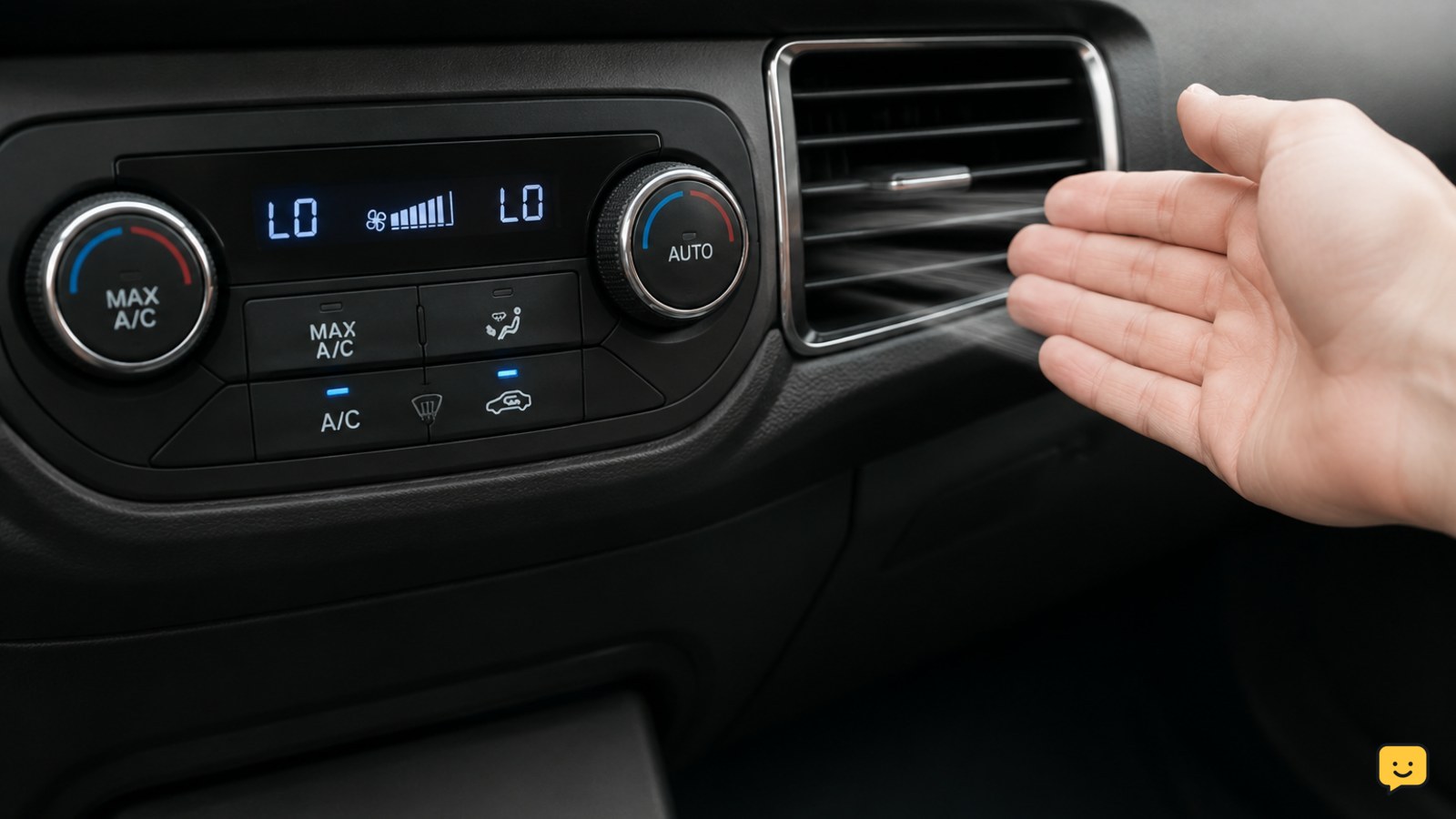
Start the engine and set the climate system to its coldest setting. Select the highest blower speed, use the front vents, and make sure the system is not set to heat or a mode that changes airflow away from the cabin.
Notice whether the problem is weak airflow, strong airflow that feels warm, or cooling that comes and goes. Strong airflow with no cooling points toward an AC-system problem. Weak airflow makes the cabin air filter and airflow path more important first checks.
After a short test, switch the AC off before opening the hood or inspecting the cabin filter. This simple confirmation prevents you from diagnosing a control setting as a mechanical fault.
Check the cabin air filter
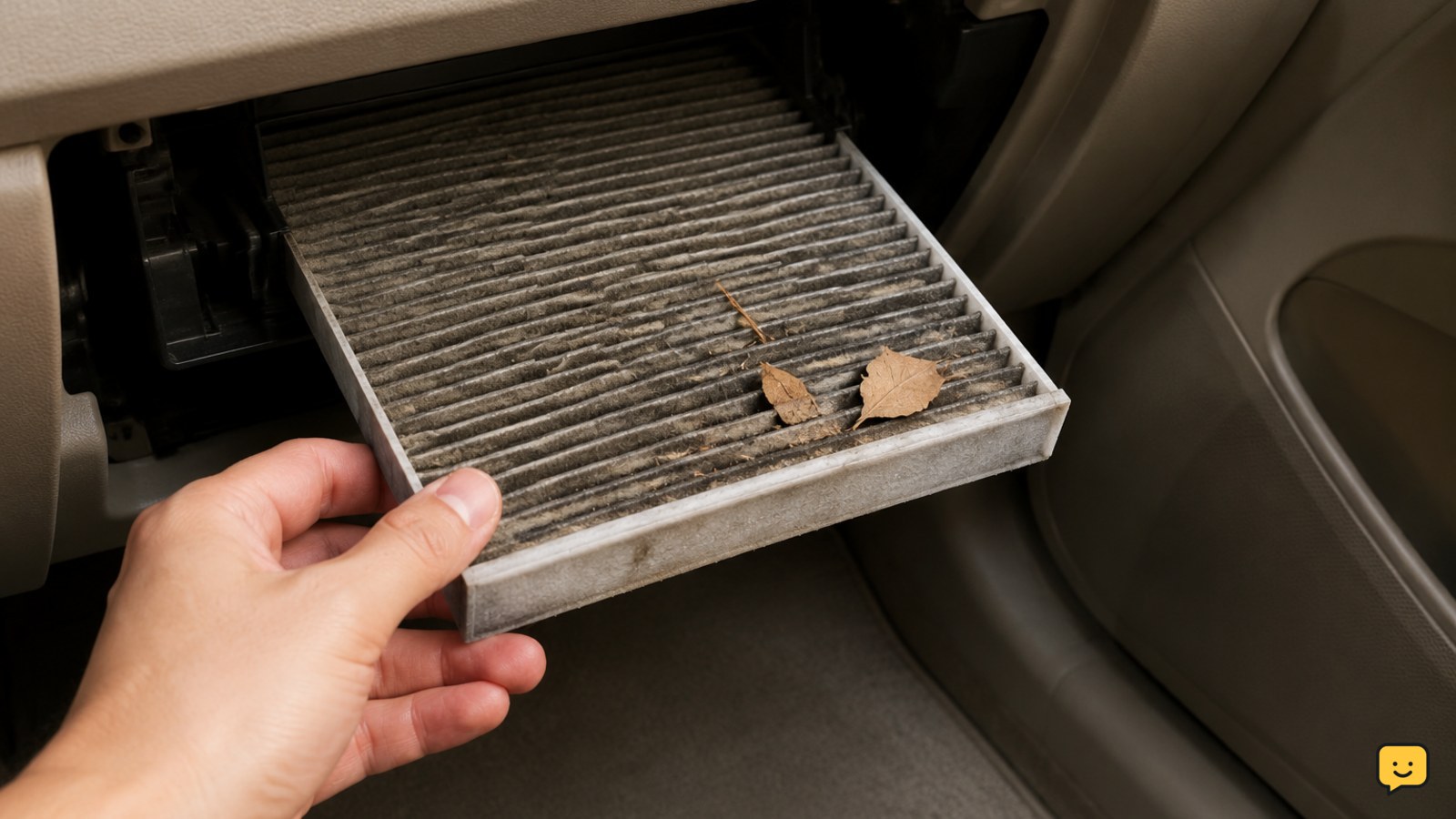
A dirty or clogged cabin air filter can restrict airflow through the climate system. Locate the filter using the owner manual; common access points vary by vehicle and may include behind the glove compartment or in the cowl area.
Remove the filter only as described in the manual. If it is packed with dust, leaves, or other debris, replace it with the correct filter for the vehicle. Do not force the filter housing or install a filter that does not fit its frame and airflow direction.
Reassemble the cover, restart the vehicle, and test the AC again. If airflow improves but the air remains warm, the filter was not the only problem. If airflow remains weak, check for additional blockage or arrange a climate-system inspection.
Inspect the radiator area for blockage
With the engine off and cool, look through the front grille and around the radiator area for leaves, dirt, or other debris blocking airflow. A heavily obstructed radiator area can affect the vehicle climate system and should be addressed carefully.
Remove loose debris by hand without bending fins or pushing dirt deeper into the cooling stack. Do not work near a cooling fan that could start automatically, and do not use high-pressure water against delicate fins or electrical parts.
Test the AC after the area is clear. If the air is still warm, move to the wiring inspection rather than repeatedly running the system without finding the cause.
Look for obvious AC wiring problems
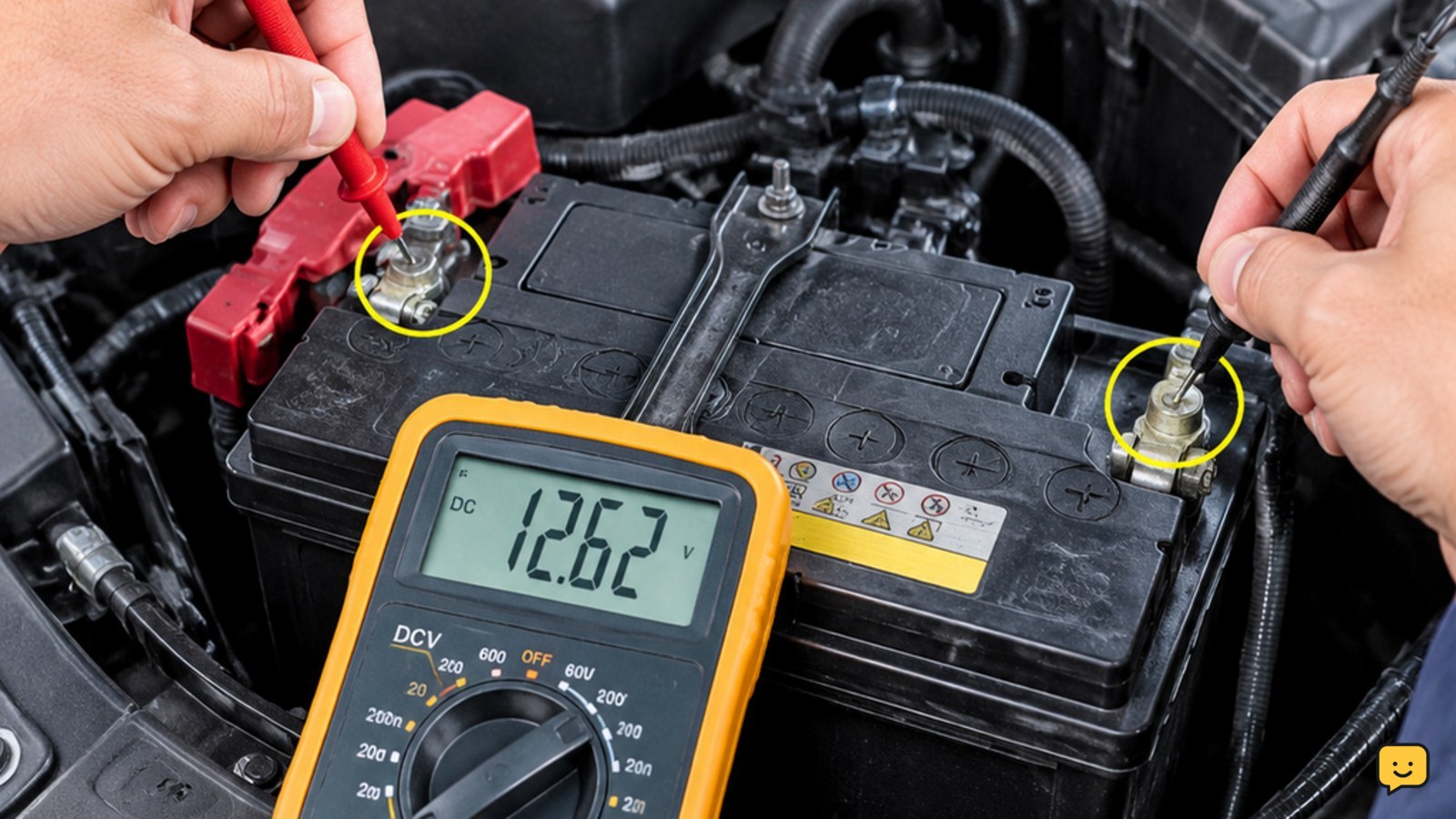
Inspect visible wiring connections around the AC system for loose plugs, damaged insulation, corrosion, or signs of heat. Compare each accessible connection with the owner manual or service information for your model; component locations differ substantially between vehicles.
Do not pull on wires, bridge a connector, or replace a fuse with a higher-rated one. If a connection is loose, damaged, or melted, stop and have the electrical fault diagnosed before operating the AC again.
If the wiring looks intact but the system still blows warm air, the fault may be inside the refrigerant or compressor circuit and is not a safe guess-and-replace repair.
Consider a refrigerant leak or low charge
A refrigerant leak is a common reason a car AC blows warm air. The system may need the leak located and repaired before it can be charged correctly. Adding refrigerant without finding the leak can leave the underlying fault unresolved.
Do not release refrigerant into the air or open AC lines. Proper service may require recovery, leak testing, repair, evacuation, and recharging with the correct refrigerant and amount for the vehicle.
Book an AC technician if the airflow is strong but never becomes cold, if cooling has gradually weakened, or if the system works briefly and then returns to warm air. Give the technician the results of your filter, debris, and wiring checks.
Verify the repair and decide what to do next
After replacing a blocked cabin filter or clearing safe, loose debris, run the AC again with the controls set to maximum cooling. Confirm that airflow is unobstructed and that the vents produce noticeably cooler air than before.
A successful basic check should produce a clear improvement without burning smells, unusual electrical sounds, visible leaks, or repeated cycling problems. If the air remains warm, do not keep adding parts or refrigerant without a diagnosis.
Keep the service record, filter part number, and symptoms available for the next technician. A professional can then focus on refrigerant leaks, wiring, compressor operation, or other model-specific faults rather than repeating the initial checks.
Frequently asked questions
Why is my car AC blowing warm air but the airflow is strong?
Strong airflow that stays warm usually means the blower and vents are moving air, but the AC is not cooling it. A refrigerant leak, low refrigerant level, wiring fault, or another AC-system problem may be responsible. Check the cabin filter and visible wiring first, then arrange professional diagnosis if the air remains warm.
Can a dirty cabin air filter make car AC blow warm air?
A dirty cabin air filter can restrict airflow and make the AC seem ineffective. It is more likely to cause weak airflow than completely warm air, so replacing it may improve ventilation without fixing an AC cooling fault. Use the vehicle manual to locate and replace the filter correctly.
Should I add refrigerant when my car AC blows warm air?
Do not add refrigerant as a first guess. Warm air may result from a leak or another fault, and adding refrigerant without testing can leave the leak unrepaired. AC refrigerant work should be handled with the correct equipment and vehicle-specific refrigerant procedure by a qualified technician.
What should I do if my car AC works briefly and then blows warm air?
Stop treating it as a simple setting problem and arrange an AC inspection. Intermittent cooling can indicate a leak, wiring issue, or another fault that needs testing. Record when the cooling stops, whether airflow changes, and whether any warning smell, noise, or visible damage appears.
Browse more Maintenance & Repair guides for help with this topic.