Yes, dogs can eat plain pumpkin seeds in small treat portions, with or without their shells, according to PetMD. Serve only clean, unseasoned seeds and avoid salted, spiced, oily, coated or mixed snack products. Pumpkin rind and large amounts of stringy pumpkin material are not appropriate treats. Contact a veterinarian or animal poison service after unknown, heavily seasoned or unusually large ingestion, or if symptoms appear.
For more help with this topic, use the Everyday Pet Care guides.
Choose plain, unseasoned pumpkin seeds
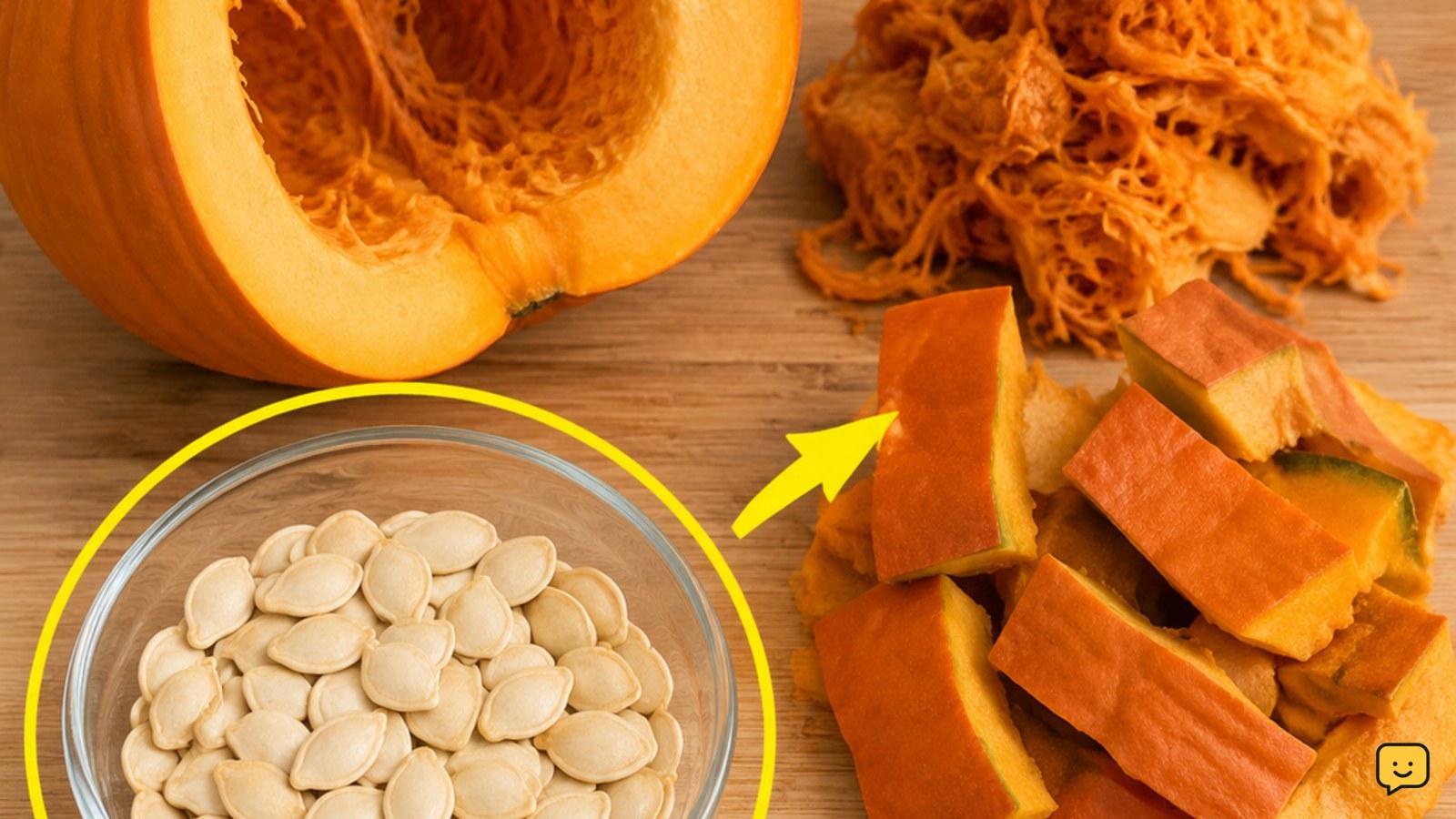
Plain pumpkin seeds are the form dogs may eat safely as an occasional treat. PetMD states that dogs can eat pumpkin seeds with or without their shells, and notes that the seeds provide minerals including zinc, magnesium and copper.
Choose seeds that are clean and free from salt, sugar, spice, oil, chocolate, garlic, onion, flavor coatings and other recipe ingredients. A plain seed is easier to assess than a prepared snack product, and treats should remain a small part of the dog’s usual balanced diet.
Separate seeds from rind and pumpkin scraps
Pumpkin seeds are edible, but pumpkin rind is a different part and should not be offered as a dog treat. Remove the hard outer pumpkin skin, stem and any non-seed debris before preparing the seeds.
Do not hand over a whole pumpkin, a large clump of stringy pulp or scraps containing hard pieces. These materials are harder to portion and chew, and accidental ingestion is more difficult to assess. When preparation is uncertain, discard the scraps rather than serving them.
Prepare the seeds without added ingredients
Clean, plain pumpkin seeds are the safest preparation. Separate them from the pumpkin fibers, rinse away residue and let them dry. They may be offered plain; if you roast them, use no salt, oil, sugar or seasoning and let them cool completely before offering any.
Do not give salted roasted seeds, pumpkin-spice mixes, trail mix, candy-coated seeds or seeds baked into rich recipes. The risk in these products comes from the added ingredients and the amount eaten, not simply from the pumpkin seed itself. PetMD’s pumpkin guidance also distinguishes plain pumpkin from recipe foods such as pumpkin pie, which can contain unsuitable ingredients.
Keep the treat context reasonable
Pumpkin seeds should be an occasional treat, not a meal, supplement or home remedy. Avoid choosing an individualized amount from a generic chart because a dog’s size, chewing ability, health conditions and total daily treats differ.
Start with a very small portion only if your veterinarian has not restricted treats, then watch for digestive upset. If loose stool, vomiting, discomfort or refusal to eat follows, stop offering the seeds and contact your veterinarian for advice. For a similar plain-food safety check, see this guide to {link}.
For another plain-food treat comparison, see our guide to plain sweet potato safety.
Check the label after accidental ingestion
After a dog eats pumpkin seeds unexpectedly, identify the form, ingredients, approximate amount and time eaten. Plain seeds are a different exposure from salted seeds, seasoned snack mixes or a recipe containing several additives.
Call a veterinarian or animal poison service for an unknown product, a large or unusually rapid ingestion, or any concerning ingredient. Have the package or recipe ready. Do not wait for symptoms when the ingredients are uncertain, and do not attempt to make your dog vomit or give a home treatment unless a professional gives that instruction.
For broader food-ingestion guidance involving another high-risk ingredient, review what to do if a dog eats {link}.
Ingredient-specific risks can differ sharply, as this raisin ingestion guidance explains: raisin ingestion guidance.
Watch for warning signs that need veterinary help
Vomiting, repeated diarrhea, marked abdominal pain or swelling, weakness, unusual sleepiness, choking, trouble breathing, tremors, seizures or collapse require professional guidance. These signs do not identify one specific cause, so do not try to diagnose the problem from an article.
Stop access to the food, keep the packaging and contact a veterinarian. Seek emergency care immediately for breathing difficulty, collapse, seizures, severe weakness or a rapidly worsening condition. If your dog appears well but the amount or ingredients are unknown, call rather than waiting for signs.
Frequently asked questions
Can dogs eat pumpkin seeds with the shells?
Yes, PetMD says dogs can eat pumpkin seeds with or without their shells. Plain, clean seeds are the relevant form. Avoid offering a large amount or a whole pumpkin with hard scraps attached, and stop if your dog has trouble chewing or develops digestive symptoms.
Are salted pumpkin seeds safe for dogs?
No, salted or seasoned pumpkin seeds are not a good choice for dogs. Added salt, oil, spices and flavor coatings make the product harder to assess and may cause problems depending on the ingredients and amount eaten. Call a veterinarian or animal poison service if your dog ate an unknown or heavily seasoned product.
Can dogs eat pumpkin seed shells or pumpkin rind?
Pumpkin seed shells are different from pumpkin rind. PetMD reports that pumpkin seeds may be eaten with or without their shells, but pumpkin rind is not an appropriate treat. Remove the pumpkin’s hard outer skin, stem and debris before separating and preparing the seeds.
What should I do if my dog eats a lot of pumpkin seeds?
Call your veterinarian for advice if your dog ate an unusually large amount, especially if the amount or preparation is unknown. Keep the package or recipe nearby and note when it happened. Do not induce vomiting, give medication or use a home antidote unless a veterinary professional directs you.