
A car that shakes while braking often has uneven or heat-affected brake rotors, but rotors are not the only possibility. Worn or dirty pads, a sticking caliper, unbalanced or worn tires, poor alignment, and suspension faults can also create vibration. Note when the shake happens, where you feel it, and whether braking performance has changed.
What brake shake usually means
Shaking during braking means a rotating wheel, tire, brake, or suspension component is not operating evenly. Uneven brake rotors are a common explanation, particularly when the vibration begins only after you press the brake pedal.
However, several other faults can feel similar. Published guidance also identifies worn or dirty brake pads, sticking calipers, worn or unbalanced tires, incorrect alignment, and suspension problems as possible causes.
Do not replace rotors based on vibration alone. The timing, location, and severity of the shake help determine which system should be inspected first.
First, decide whether the car is safe to move
- Check braking performance. With the car parked, press the brake pedal. A major change in pedal travel or firmness requires professional inspection before driving.
- Look around each wheel. Check for a visibly damaged tire, an unusually low tire, fluid on the ground, smoke, or loose-looking wheel hardware.
- Consider the last drive. Grinding, strong pulling, a burning smell, or reduced braking power means you should stop and arrange recovery.
If braking remains predictable and the vibration is mild, a short drive on a quiet, low-speed route may help you describe the symptom. Stop immediately if it worsens.
Use the timing of the vibration to narrow it down
- Notice whether it happens without braking. Vibration while cruising shifts attention toward tire wear, tire balance, wheel condition, alignment, or suspension components.
- Apply the brakes gently. A shake that starts with brake application and fades when you release the pedal makes a brake-related problem more likely.
- Compare low and moderate speeds. Record whether the shake appears only at a particular speed or becomes stronger as speed increases.
- Identify where you feel it. Note whether the movement is strongest in the steering wheel, brake pedal, seat, or entire body of the car.
These observations are clues, not a final diagnosis. More than one problem can exist at the same time.
Signs that point toward uneven brake rotors or pads
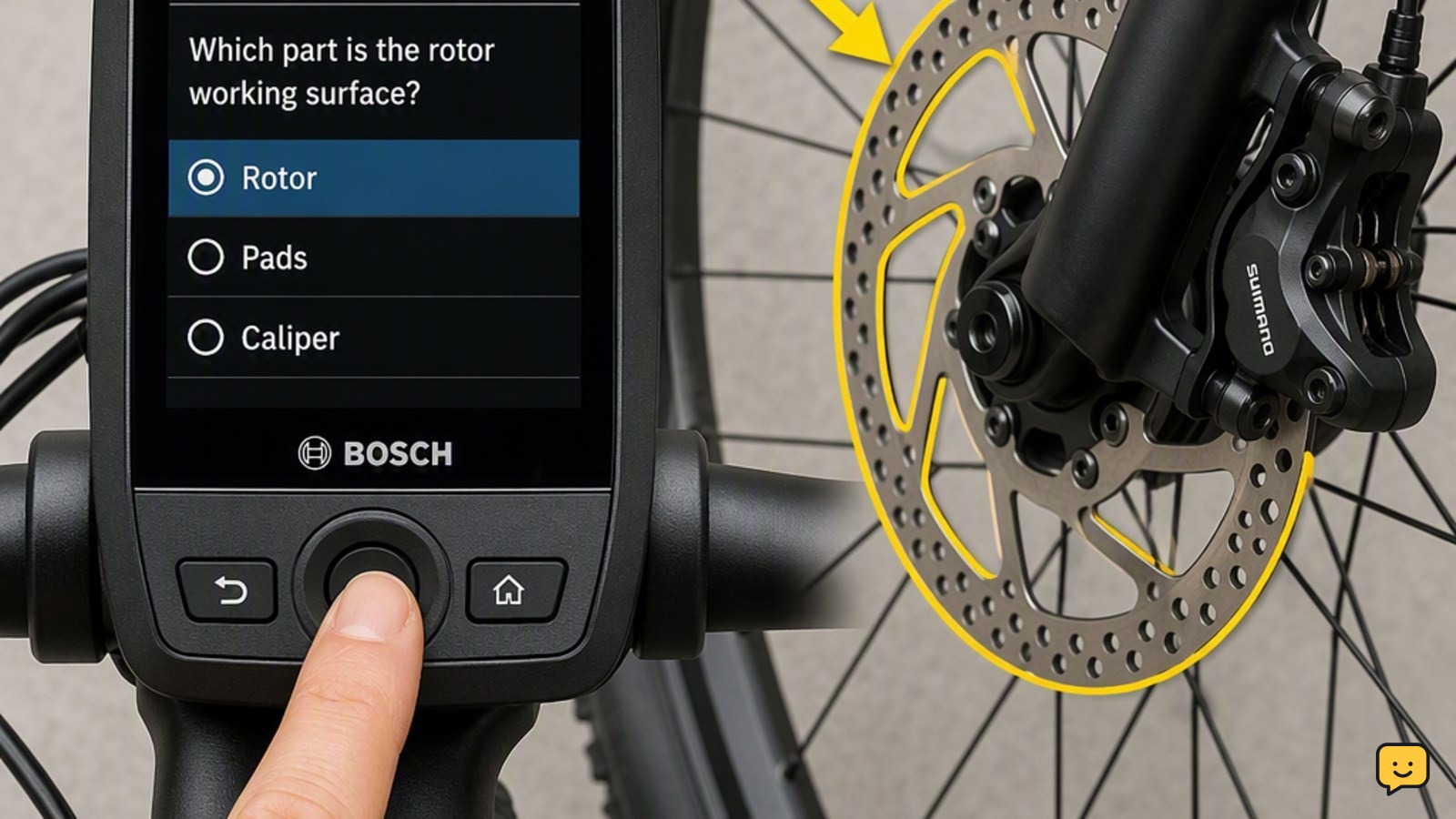
Brake rotors turn with the wheels, and the pads clamp against them to slow the car. If a rotor’s working surface or thickness becomes uneven, braking force may rise and fall as the wheel rotates. That variation can be felt as a repeating vibration.
Rotor or pad trouble is more likely when the car is smooth during normal cruising but shakes consistently when the brakes are applied. Worn, dirty, or glazed pads may also produce uneven braking and should be inspected with the rotors rather than treated as a separate afterthought.
A visual glance cannot confirm that a rotor is within specification. A repair shop may need to measure rotor thickness and variation while also checking pad wear and surface condition.
How tire, alignment, and suspension problems differ
Worn or unbalanced tires can make a vehicle shake even when the brakes are not being used. Braking may make that existing vibration more noticeable because vehicle weight shifts forward.
- Check tire pressure. Adjust each cold tire to the vehicle manufacturer’s specification, not the maximum pressure printed on the tire.
- Inspect the tread and sidewalls. Look for uneven wear, exposed material, bulges, cuts, or obvious deformation. Stop driving if structural damage is visible.
- Recall recent impacts. A pothole or curb strike may affect wheel condition, alignment, or suspension parts.
- Watch for vibration while cruising. If the car shakes at a repeatable road speed without braking, request a tire-balance, wheel, alignment, and suspension inspection.
Alignment can contribute to uneven tire wear, but alignment service alone will not correct a damaged tire, unbalanced wheel, loose suspension component, or uneven brake rotor.
When a sticking brake caliper is possible
A sticking caliper or caliper slide can prevent a brake pad from applying or releasing normally. This can create uneven braking and vibration, and it may cause the vehicle to pull.
Do not touch a wheel, rotor, or caliper immediately after driving; brake parts can be hot enough to cause burns. Smoke, a strong burning smell, severe pulling, or rapidly worsening braking behavior is a stop-driving condition.
A technician can compare pad wear, inspect the caliper slides and piston operation, and determine whether the brake is releasing correctly. Replacing rotors without correcting a sticking caliper can allow the problem to return.
What to ask a repair shop to inspect
Give the technician a precise description: the speed at which the shake begins, whether it occurs without braking, where you feel it, and whether the car pulls or makes noise.
- Measure the brake rotors and inspect their working surfaces.
- Check brake-pad wear and condition on both sides of each rotor.
- Inspect calipers, slides, and related brake hardware for restricted movement.
- Check tire pressure, tread wear, balance, and wheel condition.
- Inspect alignment and suspension components if the vibration also occurs while cruising or the tires show uneven wear.
If the first proposed repair addresses only the rotors, ask what measurements or inspection findings support that diagnosis.
Verify the repair before considering the problem solved
- Start at low speed. Confirm that the brake pedal and stopping response feel normal.
- Repeat the original conditions carefully. On a safe road, check the speed and braking pressure that previously caused the vibration.
- Check for remaining symptoms. Steering-wheel shake, pedal pulsation, pulling, noise, or vibration while cruising means further diagnosis is needed.
If new rotors or pads do not eliminate the shake, stop replacing brake parts by assumption. The next checks should cover caliper operation, tire balance and condition, wheels, alignment, and suspension.
Frequently asked questions
Can I keep driving if my car shakes when braking?
Only a mild vibration with otherwise normal braking may allow a short, cautious trip to a repair shop. Stop driving if braking power drops, the car pulls sharply, the shake becomes severe, or you notice grinding, smoke, fluid leakage, a burning smell, or a red brake warning light.
Does shaking when braking always mean warped rotors?
No. Uneven or heat-affected rotors are common causes, but worn pads, a sticking caliper, worn or unbalanced tires, poor alignment, wheel problems, and suspension faults can produce similar vibration. A rotor diagnosis should be supported by inspection and measurement.
Why does my steering wheel shake only when braking?
A brake or wheel problem near the front of the vehicle may be transmitting vibration through the steering system. Uneven rotors are one possibility, but front tire wear, wheel balance, caliper operation, alignment, and suspension condition should also be checked.
Can unbalanced tires make a car shake when braking?
Yes. Unbalanced or worn tires can create vibration that is present while cruising and becomes more noticeable during braking. If the shake occurs at a repeatable road speed even without using the brakes, check the tires, wheel balance, alignment, and suspension before assuming the rotors are responsible.
Will replacing brake pads stop the shaking?
Not necessarily. New pads will not correct an uneven rotor, sticking caliper, damaged tire, unbalanced wheel, alignment problem, or worn suspension component. The pads, rotors, and calipers should be inspected together, followed by tire and suspension checks if the cause remains unclear.
Browse more Maintenance & Repair guides for help with this topic.