Yes, dogs can usually eat plain, cooked Brussels sprouts in a small treat portion. Steam or boil them without salt, butter, oil, onion, garlic, or other seasoning, then cut them into manageable pieces. Raw sprouts may be harder to digest and can be a choking risk, especially for small dogs. Contact a veterinarian for concerning symptoms or unsafe ingredients.
For more help with this topic, use the Everyday Pet Care guides.
Choose plain, cooked Brussels sprouts
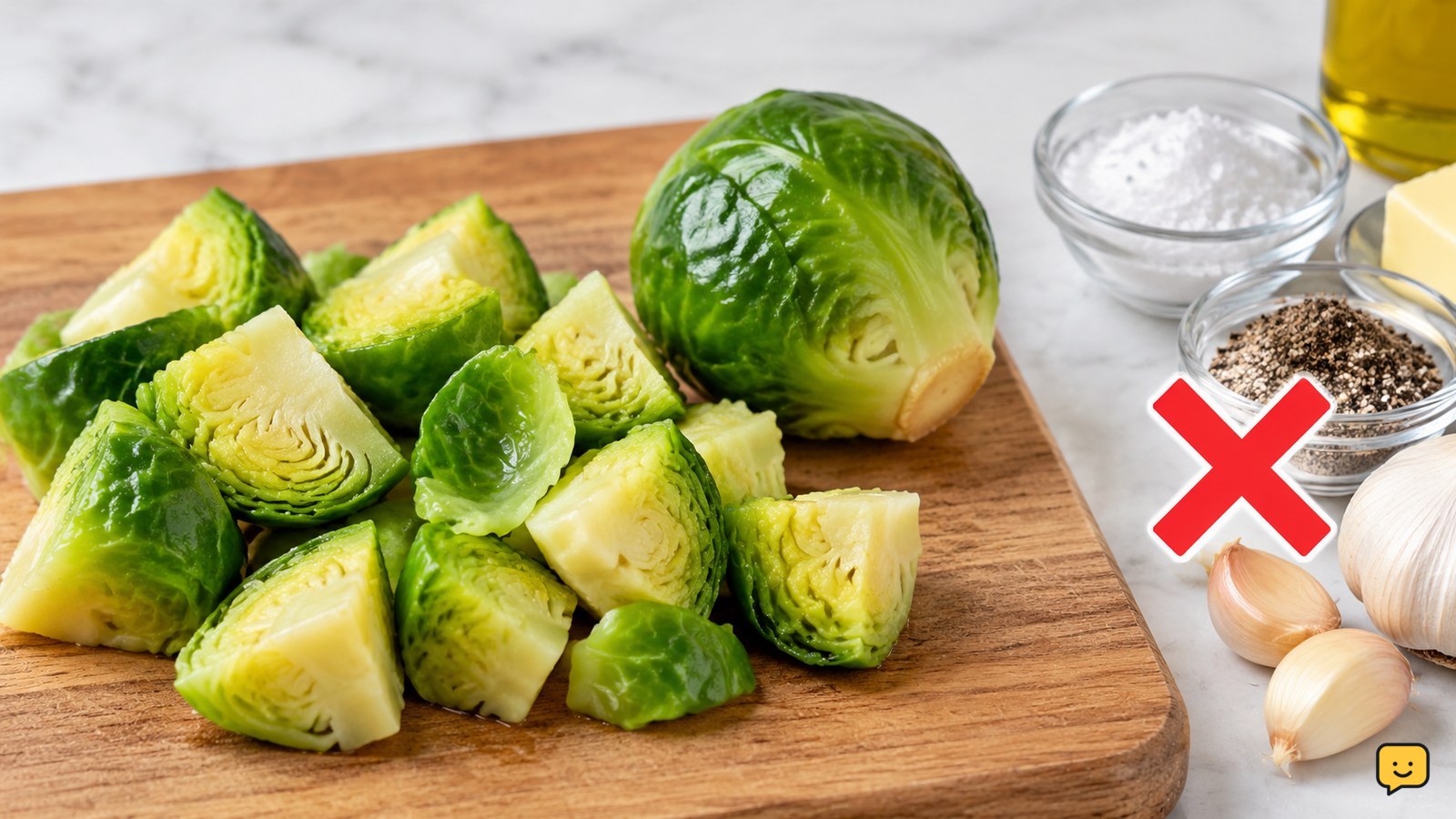
Plain, cooked Brussels sprouts are generally the safest form for dogs. Steam or boil them until tender, let them cool, and offer only a small treat portion alongside the dog’s normal complete diet. The supplied canine-safety evidence identifies small, cooked, unseasoned portions as appropriate, while noting that raw sprouts can be harder to digest and may pose a choking risk for smaller dogs.
Cut the cooled sprout into bite-size pieces rather than handing over a large whole vegetable. This does not make a sprout suitable for every dog: a dog with a prescribed diet, a history of digestive disease, or food sensitivities should be checked with its veterinarian before receiving new treats.
For a closely related preparation guide, see safe forms of sweet potatoes. It explains the same plain-food principle for another common dog treat.
For a closely related preparation guide, see safe forms of sweet potatoes. It explains the same plain-food principle for another common dog treat.
Remove unsafe ingredients before sharing
Brussels sprouts do not have pits, fruit seeds, or a tough edible rind that must be removed. Trim the hard stem end, discard spoiled leaves, and remove loose outer leaves if they are wilted or dirty. The main safety issue is usually what was added to the vegetable, not the sprout itself.
Do not share sprouts cooked with onion, garlic, leek, or chives. These allium ingredients can be harmful to dogs, including when they appear in seasoning blends, sauces, stuffing, casseroles, or broth. Avoid bacon, pan drippings, heavy butter, creamy sauces, and heavily salted preparations as well. If you cannot verify the ingredients, do not offer the dish.
Pickled Brussels sprouts, brined vegetables, and restaurant side dishes are poor choices because their salt, vinegar, spices, and mixed ingredients are difficult to assess. The guidance on pickles and brine ingredients is useful when a dog has eaten a preserved vegetable instead of a plain one.
The guidance on pickles and brine ingredients is useful when a dog has eaten a preserved vegetable instead of a plain one.
Check the form and serving context
Cooked, unseasoned pieces are preferable to raw whole sprouts because cooking softens the vegetable and cutting reduces the size of each bite. Raw Brussels sprouts are not automatically poisonous, but they may be more difficult to digest and can be a choking hazard, particularly for puppies, small dogs, or dogs that swallow food quickly.
Keep the vegetable an occasional treat rather than a replacement for balanced dog food. There is no single suitable portion for every dog, so avoid using a human serving as a target. A first taste should be especially small, followed by observation for digestive changes. If your dog develops loose stool, vomiting, marked gas, abdominal discomfort, or refuses food, stop offering the sprouts and contact your veterinarian for advice.
Success means the dog eats a plain, cooled piece without choking or developing concerning digestive signs. If the dog gulps the piece, coughs, repeatedly retches, or cannot swallow normally, stop feeding and seek veterinary help rather than offering more water or food to push it down.
Respond to accidental ingestion
What to do after accidental ingestion depends on what was eaten, how much is known about it, and whether symptoms are present. Write down the food’s ingredients, the approximate amount, and when it was eaten. Keep the package, recipe, or restaurant description available for the veterinarian or poison service.
If your dog ate one or more plain sprouts and is acting normally, monitor closely and contact your regular veterinarian if digestive symptoms appear or persist. Do not assume a seasoned dish is harmless: onion and garlic may be hidden in powders, stock, gravy, stuffing, or spice mixes.
Call a veterinarian or animal poison service promptly for any known onion or garlic exposure, an unknown prepared dish, a large amount of rich food, or symptoms such as repeated vomiting, severe diarrhea, painful or swollen abdomen, extreme weakness, pale gums, tremors, collapse, breathing difficulty, or seizures. Choking and breathing problems are emergencies. The ASPCA Animal Poison Control Center and Pet Poison Helpline can help assess a possible poisoning; follow their instructions and do not attempt a home treatment.
Frequently asked questions
Can dogs eat raw Brussels sprouts?
Dogs can sometimes eat a small raw piece, but cooked sprouts are the safer choice. Raw pieces are firmer, may be harder to digest, and can create a choking risk, especially for small dogs or fast eaters. Cut any offered piece carefully and stop if your dog coughs, gags, or struggles to swallow.
Can dogs eat Brussels sprouts cooked with butter?
It is better not to share Brussels sprouts cooked with butter, bacon fat, cream, or rich sauces. These additions can upset the digestive system and make the portion much fattier than intended. Set aside an unseasoned portion before cooking with added ingredients, or choose a plain piece from the start.
What if my dog ate Brussels sprouts with onion or garlic?
Call your veterinarian or an animal poison service promptly for guidance. Onion and garlic can be present in fresh, cooked, powdered, or mixed-seasoning forms, so identify the recipe and amount if possible. Do not induce vomiting or give a home antidote unless a veterinary professional directs you.
Can Brussels sprouts make dogs sick?
Yes, even plain Brussels sprouts can cause digestive upset in some dogs, particularly after a larger-than-usual portion. Watch for vomiting, diarrhea, unusual gas, abdominal discomfort, or loss of appetite. More serious signs, including weakness, pale gums, collapse, breathing trouble, or seizures, require urgent veterinary attention.