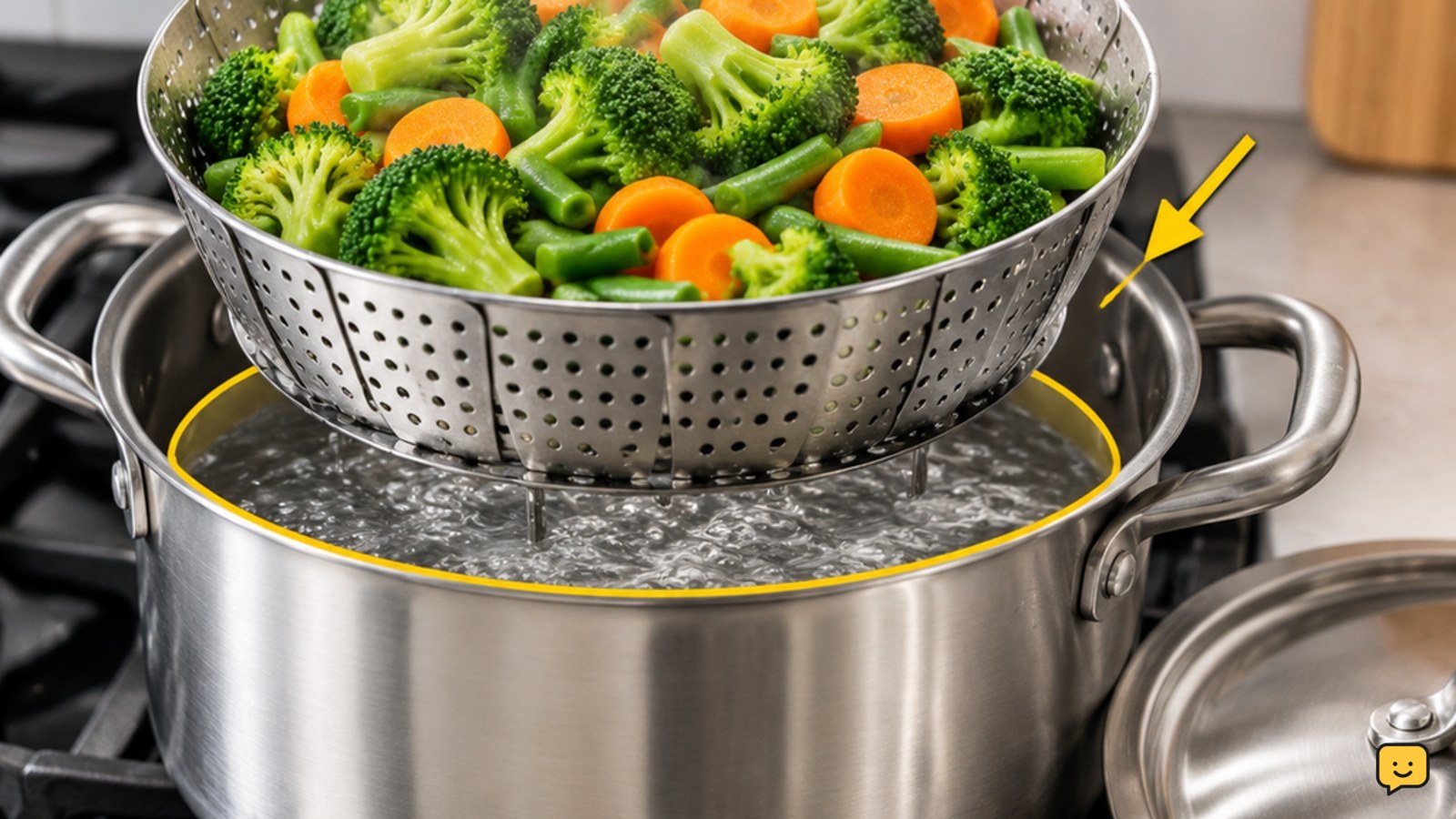
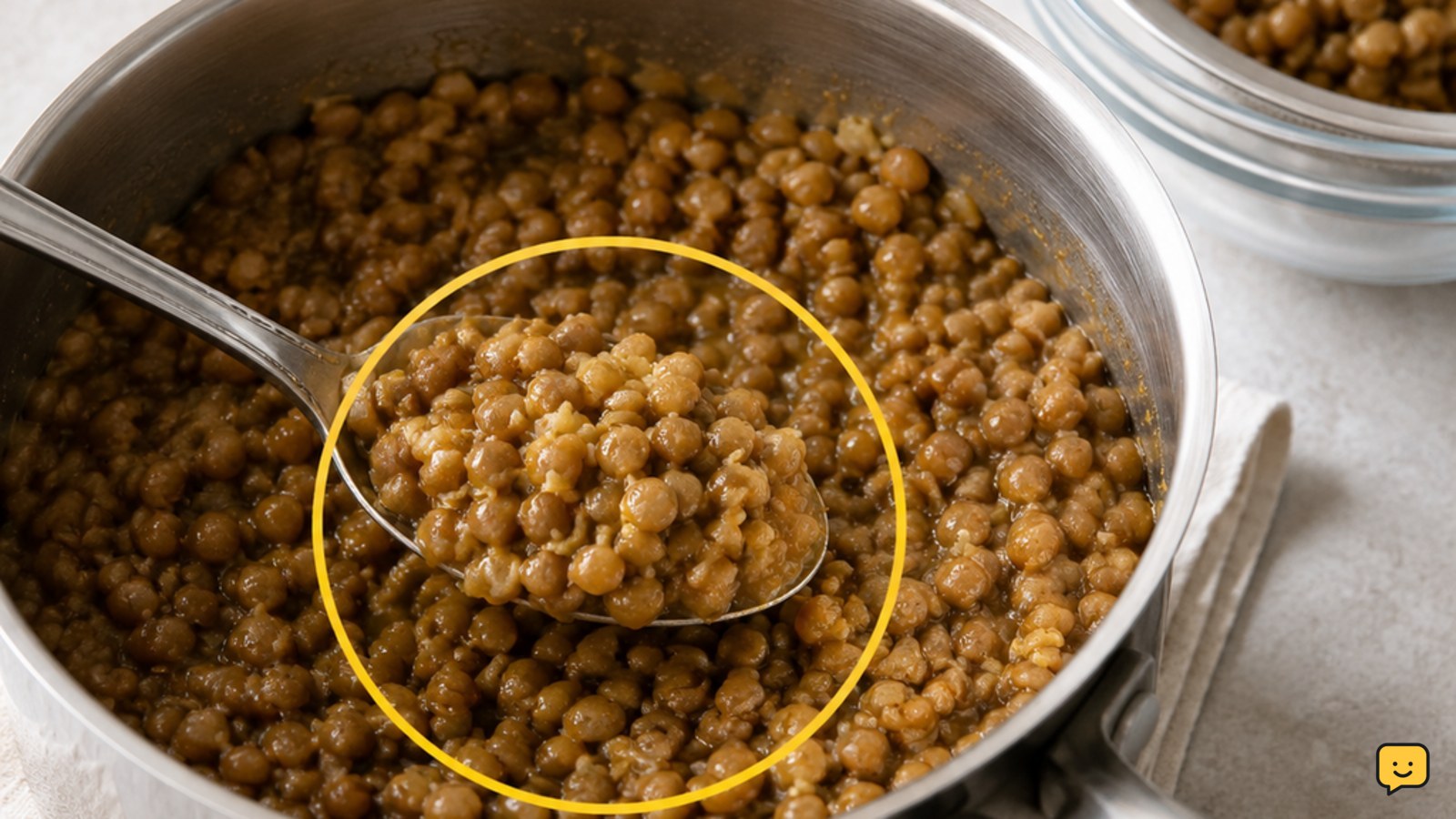
Rinse 1 cup of dry lentils and remove any stones or shriveled pieces. Put them in a saucepan with enough water to cover them by about 1 inch. Bring the water to a boil, cover, reduce to a gentle simmer, and cook until tender. Start checking whole lentils at 15 minutes; split red lentils cook faster.
For more help with this topic, use the Cooking Basics guides.
Choose the lentil texture your dish needs
Green, brown, and black lentils are the practical choice when you want distinct, tender lentils for salads, bowls, or side dishes. Red split lentils break down more readily, so use them when you want a thick soup, dal, or smooth puree.
The variety changes the cooking time more than the basic method does. Lentils.org gives whole lentils a typical cooking time of 15 to 20 minutes, while split red lentils generally need less time. Treat the clock as a starting point and use the texture check below as the deciding test.
Rinse and cover the lentils with water
Rinsing dry lentils removes loose dust and lets you inspect the batch before cooking. Measure the lentils into a fine-mesh strainer, rinse under cool water, and remove stones, bits of plant material, or lentils that look badly shriveled.
Transfer the rinsed lentils to a saucepan and add enough water to cover them by about 1 inch. This amount gives the lentils room to absorb water without leaving the pot dry too quickly. You can use broth instead of water for a more savory result, but choose a low-salt broth if you plan to season heavily later.
Do not add acidic ingredients such as tomatoes, lemon juice, or vinegar at this stage if tender lentils are the priority. Add them after cooking so acidity does not slow the softening process.
Bring the lentils to a boil, then simmer
Bring the lentils and water to a full boil over medium-high heat. Once the surface is actively bubbling, cover the saucepan tightly, reduce the heat, and maintain a gentle simmer. Lentils.org recommends this covered, reduced-heat method for cooking whole lentils.
- Stir once after the heat is reduced so lentils do not settle in one layer.
- Keep the lid on while the lentils simmer, lifting it only to check the liquid level or test a lentil.
- Start testing whole lentils at 15 minutes. Check split red lentils earlier because they can soften quickly.
- Add a little hot water if the liquid is nearly gone while the centers are still firm.
A gentle simmer should produce small, steady bubbles. If the water is surging violently, reduce the heat; vigorous boiling can split the skins and make the outside soft before the center is ready.
Verify tenderness before draining
Cooked lentils should be tender when pressed or bitten, with no hard or chalky center. Whole lentils should hold their shape unless your recipe calls for a softer texture. Red split lentils are ready when they have mostly dissolved into a thick, creamy mixture.
Taste two or three lentils from different parts of the saucepan. If one is tender but another is still firm, continue simmering and test again in two to three minutes. A single early taste can miss uneven cooking.
When the lentils are tender, drain them if excess water remains. Let them steam in the colander for a minute, then season with salt, pepper, olive oil, herbs, or an acidic ingredient. Seasoning after the texture check makes it easier to adjust the final flavor without adding ingredients that may delay cooking.
Fix firm, watery, or overcooked lentils
If lentils remain firm after the expected time, keep them at a gentle simmer with enough hot water to cover the bottom of the pan. Older lentils or a low simmer may require extra cooking time, so continue testing rather than relying on a fixed minute count.
If the lentils are tender but watery, drain them well. For soup or dal, keep the liquid and simmer uncovered until the consistency suits the recipe. For a salad or grain bowl, drain thoroughly and spread the lentils briefly on a plate so excess moisture can escape.
If the lentils are already breaking apart, stop cooking. Use them in soup, dal, a spread, or a mashed filling instead of trying to restore their shape. If only the bottom has scorched, transfer the unstuck upper portion to a clean pan without scraping the base.
Use canned lentils or store cooked portions
Canned lentils are already cooked, so they need rinsing and heating rather than a full simmer. Drain them, rinse away excess canning liquid, and warm them in a saucepan or add them directly to a dish near the end of cooking. Stop heating when they are hot and tender; prolonged simmering can make them collapse.
Cool leftover cooked lentils promptly and refrigerate them in a shallow covered container. Label the container with the date and use the lentils within the period recommended by your refrigerator and food-safety guidance. Reheat only the portion you plan to eat, adding a splash of water or broth if it has thickened.
Frequently asked questions
Do lentils need to be soaked before cooking?
No, ordinary lentils usually do not need soaking. Rinse and sort them first, then simmer them in water. Soaking can change the cooking time and texture, so follow the package instructions if they specify a soaking step.
How much water do lentils need?
Use enough water to cover the dry lentils by about 1 inch in the saucepan. Keep extra hot water nearby and add it if the liquid disappears before the lentils become tender. Drain any remaining water after cooking.
Why are my lentils still hard after cooking?
Hard lentils usually need more simmering time, especially if they are older or the pot was kept below a steady simmer. Add hot water if needed, keep the pan covered, and test again every few minutes. Acidic ingredients added early can also slow softening.
Can I cook lentils in broth instead of water?
Yes, broth can add savory flavor. Use a low-salt broth if possible, then taste before adding more salt. The same boil, cover, gentle simmer, and tenderness check apply.
How do I stop cooked lentils from becoming mushy?
Start checking them at the early end of the suggested cooking time and stop as soon as they are tender. Drain them promptly, especially for green, brown, or black lentils that you want to keep whole. Choose red split lentils when a soft texture is desirable.