Your car may smell like gas because the fuel cap is loose, fuel has spilled, or gasoline vapor is escaping from the tank, lines, injectors, or evaporative-emissions system. A brief smell after refueling can clear, but a strong or continuing odor is a fire hazard. Park outside, switch the engine off, avoid flames, and arrange an inspection.
Browse more Maintenance & Repair guides
Check whether the fuel cap explains the odor
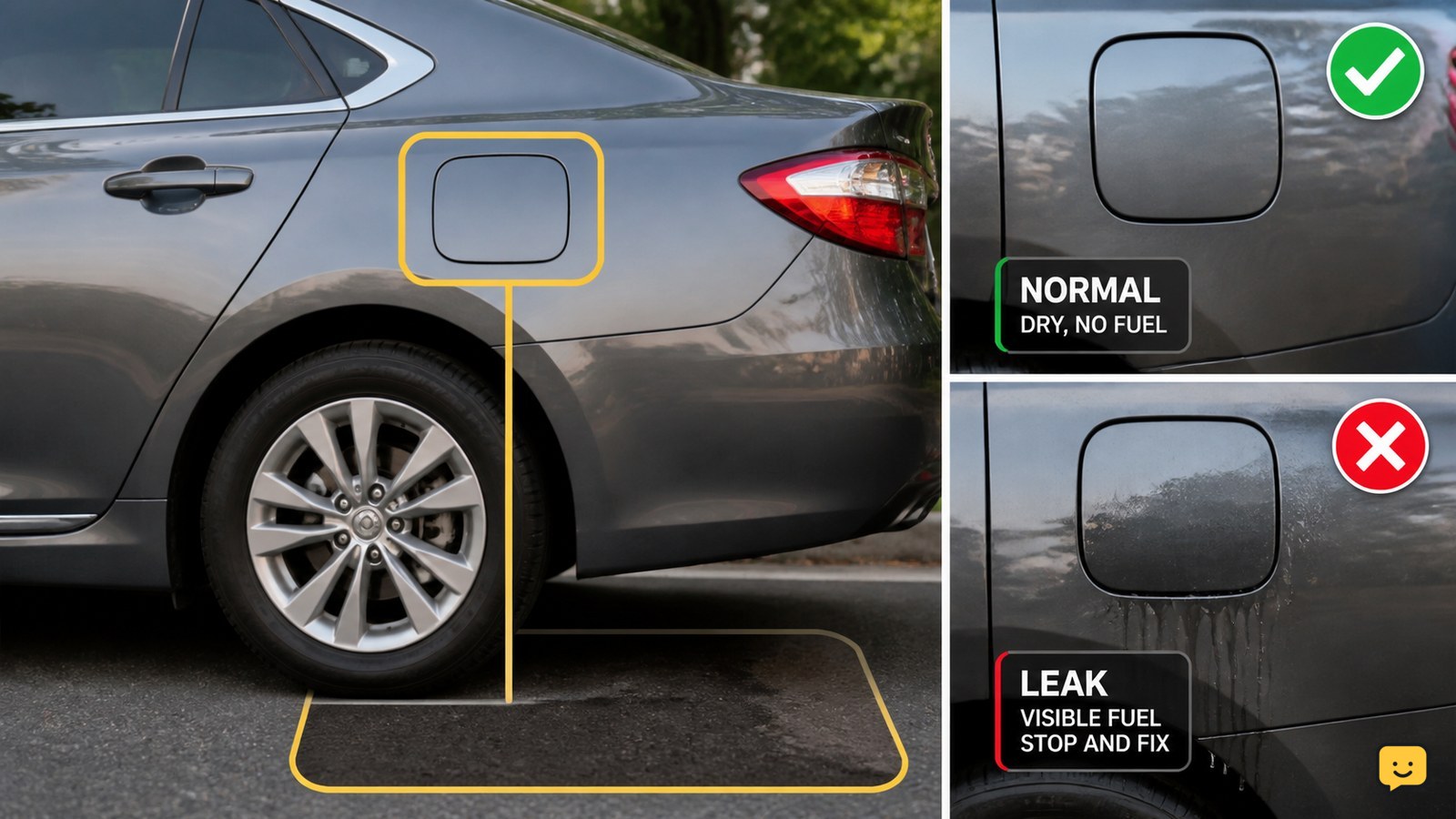
A loose or poorly sealed fuel cap is the simplest cause of a gasoline smell after refueling. With the vehicle parked outside and the engine off, inspect the cap and the area around the filler neck without opening any fuel-system parts.
- Remove the cap only if there is no visible fuel, smoke, or strong vapor.
- Check that the cap seal is not cracked, flattened, missing, or contaminated with dirt.
- Refit the cap until it reaches the vehicle’s normal locking or clicking position. Some vehicles use a capless filler instead; close its flap fully and do not insert tools into it.
- Look for spilled fuel around the filler door and wipe only a small exterior spill with an appropriate absorbent material. Keep the material away from ignition sources and dispose of it according to local rules.
Success means the cap or filler door is fully closed and no fresh fuel is visible. If the odor remains strong, returns on the next drive, or appears inside the cabin, the cap is not a sufficient explanation.
Separate a brief refueling smell from a fuel leak
A brief odor immediately after filling the tank can result from spilled gasoline or displaced vapor, while a continuing smell suggests fuel or vapor is escaping from another component. Check the ground around the parked vehicle from a standing position.
| Observable clue | Likely direction | Safest next action |
|---|---|---|
| Odor starts at the fuel door after filling and fades outdoors | Spill, loose cap, or filler-seal issue | Clean the exterior spill, secure the cap, and monitor without driving if the smell persists |
| Fresh wet spot, drip, or rainbow-like fuel mark | Possible tank, line, or connection leak | Do not start the car; arrange a tow or qualified inspection |
| Smell is strongest near the engine bay | Possible injector, fuel rail, hose, or connection problem | Keep the engine off and do not reach into the bay |
| Smell enters through the vents or remains in the cabin | Vapor may be entering from the engine bay, tank area, or exhaust path | Ventilate from a safe distance and arrange diagnosis before driving |
This table narrows the source but cannot confirm a failed component. Fuel can travel along panels or underbody parts, so the strongest smell is not always the leak location.
Look for recent work, refueling, or fuel-system symptoms
Recent refueling, bodywork, fuel-system service, or an unusually difficult fill can explain when the smell began and helps a technician choose the first inspection point. Record when the odor appears: after filling, during startup, while idling, during turns, or after parking.
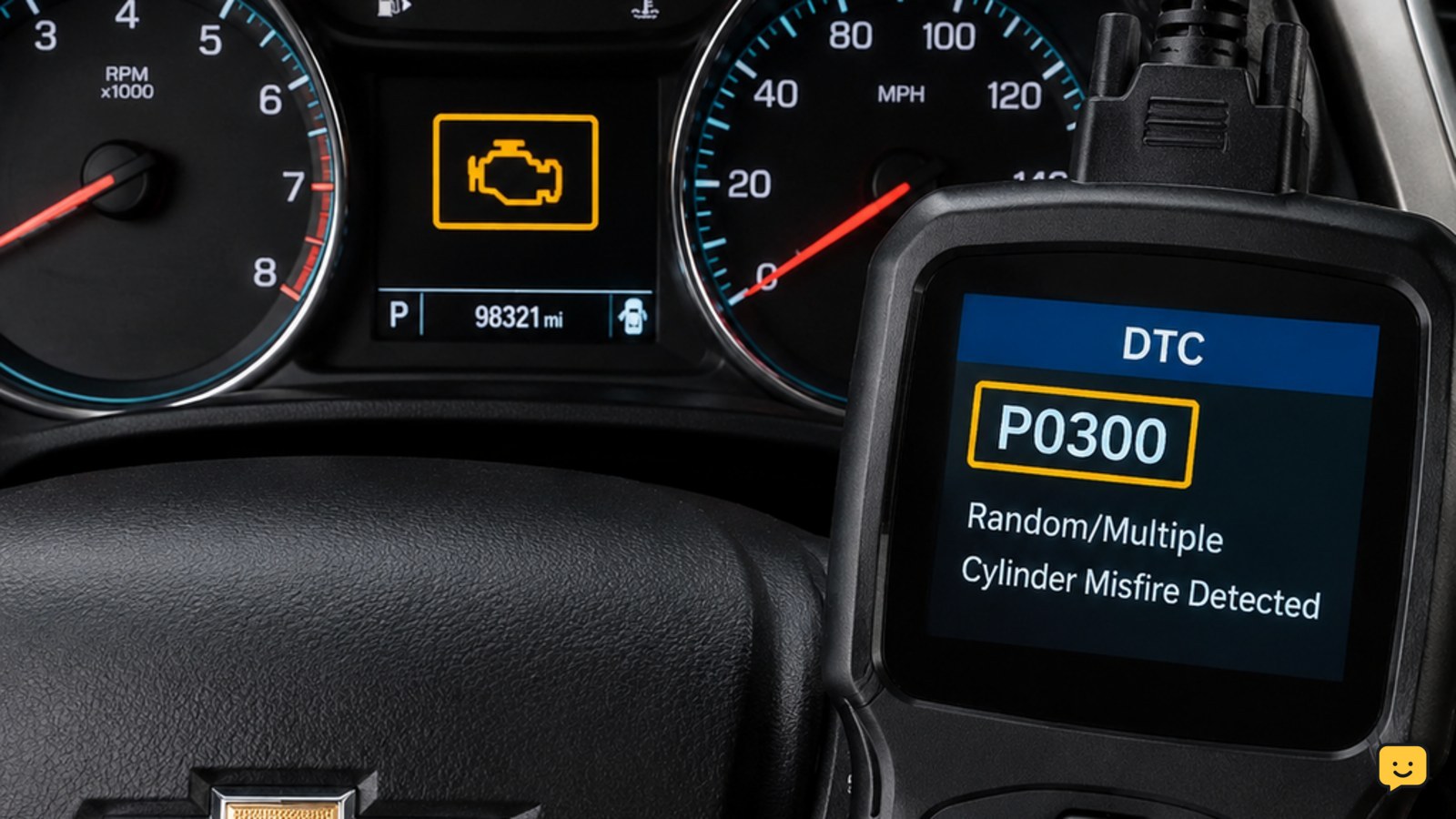
Do not remove engine covers or fuel hoses to investigate. Instead, check for safe external clues such as a fuel warning light, a check-engine light, rough running, hard starting, reduced power, or an odor that changes with engine temperature. A loose cap or evaporative-emissions fault may trigger a warning, but the absence of a warning light does not rule out a leak.
If the smell began immediately after a repair, do not assume it is normal. Contact the shop and describe the exact timing. If the vehicle was recently filled, confirm that the correct fuel was used; do not drive if the wrong fuel may have been added unless the vehicle manufacturer or a qualified service provider gives specific instructions.
Decide whether the car can be moved
A car with a persistent gasoline smell should not be driven until a leak has been ruled out. A short move may be reasonable only when the smell was clearly caused by a small exterior spill, the spill is cleaned, there is no wet fuel or vapor, no warning symptom is present, and the odor has fully cleared outdoors.
Do not drive if the smell is strong, returns after the cap is secured, comes from inside the cabin or engine bay, or is accompanied by rough running, hard starting, visible fuel, smoke, or a warning light. Keep the vehicle outside, leave doors or windows open only when safe, and call roadside assistance or a repair shop for towing guidance.
Verify the repair before normal driving
The gasoline odor is resolved only when no fresh fuel or vapor is visible, the smell does not return after the vehicle sits and starts normally, and the repairer has confirmed the fuel or vapor system is secure. Do not use air freshener to mask the odor.
- After the suspected repair, inspect the parking area for new wet spots without touching them.
- Check the fuel cap or capless filler closure once more.
- Start the vehicle outdoors only if the technician has said it is safe to do so.
- Observe for returning odor, rough running, warning lights, or unusual starting behavior.
If any symptom returns, switch the engine off, move away from the vehicle, and request further diagnosis rather than repeatedly restarting it.
Frequently asked questions
Is it safe to drive when my car smells like gas?
Usually not if the smell is strong, persistent, or comes from the cabin or engine bay. Visible fuel, dripping, smoke, rough running, or a returning odor means switch the vehicle off, keep it away from ignition sources, and arrange a tow or professional inspection.
Can a loose gas cap cause a gasoline smell?
Yes. A loose, damaged, or poorly sealed cap can allow fuel vapor to escape, especially after refueling. Secure it only when there is no visible leak or strong vapor. If the odor continues after the cap is properly closed, do not assume the cap is the only problem.
Why does my car smell like gas but have no visible leak?
Gasoline vapor may escape from a filler seal, fuel-line connection, injector, tank, or evaporative-emissions component without forming a puddle. Vapor can also collect inside the cabin or underbody areas. A missing puddle does not make a persistent odor safe; have the fuel and vapor systems inspected.
Why does the gas smell enter through the car vents?
An odor through the vents can indicate vapor near the engine bay or an underbody area being drawn into the ventilation intake. Turn the engine off, move outside, and avoid driving until the source is identified, especially if the smell is strong or causes irritation.
What should I do if I spilled gasoline while filling up?
Stop refueling, keep cigarettes, flames, and sparks away, and let a small exterior spill evaporate only in a safe, open area while following local disposal guidance for contaminated materials. Do not start the car if fuel reached a hot engine, exhaust, tire, or the ground in a significant amount.