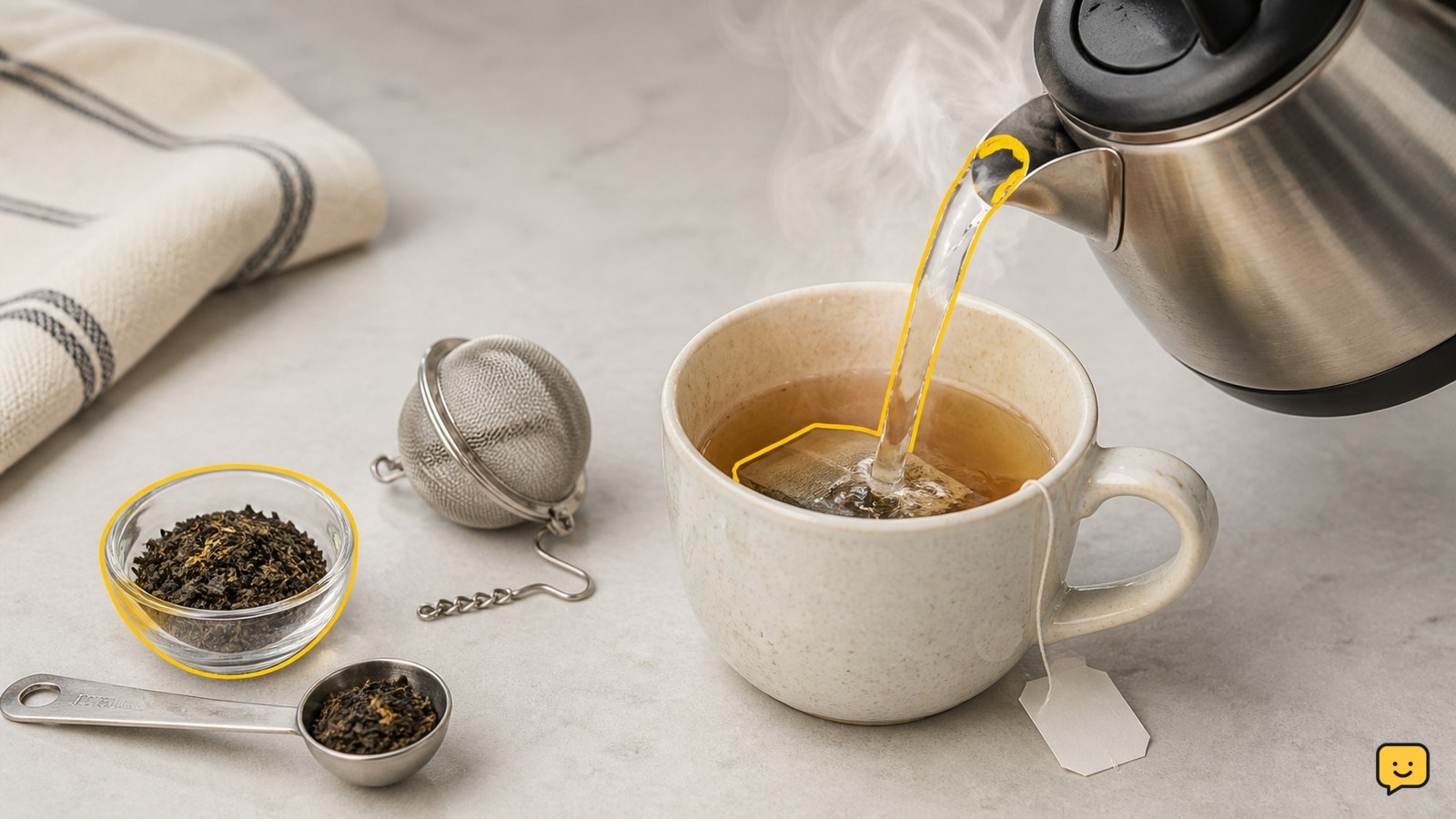
To make tea, heat fresh water, place one tea bag or about 1 teaspoon of loose tea in a cup, pour in the water, and steep according to the tea type. Use boiling water for black and herbal tea; cooler water suits green tea. Remove or strain the tea when the flavor is developed, then serve.
For more help with this topic, use the Drinks guides.
Choose a tea and measure the water
Choose black, green, oolong, white, herbal or flavored tea based on the taste and caffeine level you want. For a starting ratio, use one tea bag or about 1 teaspoon of loose tea for each 6 ounces of water; Twinings gives the same one-bag-per-cup and 1-teaspoon-per-6-ounce guidance.
Use more tea for a stronger cup rather than steeping far beyond the recommended time. Extra steeping can make some teas taste harsh or bitter.
Heat the water to the right temperature
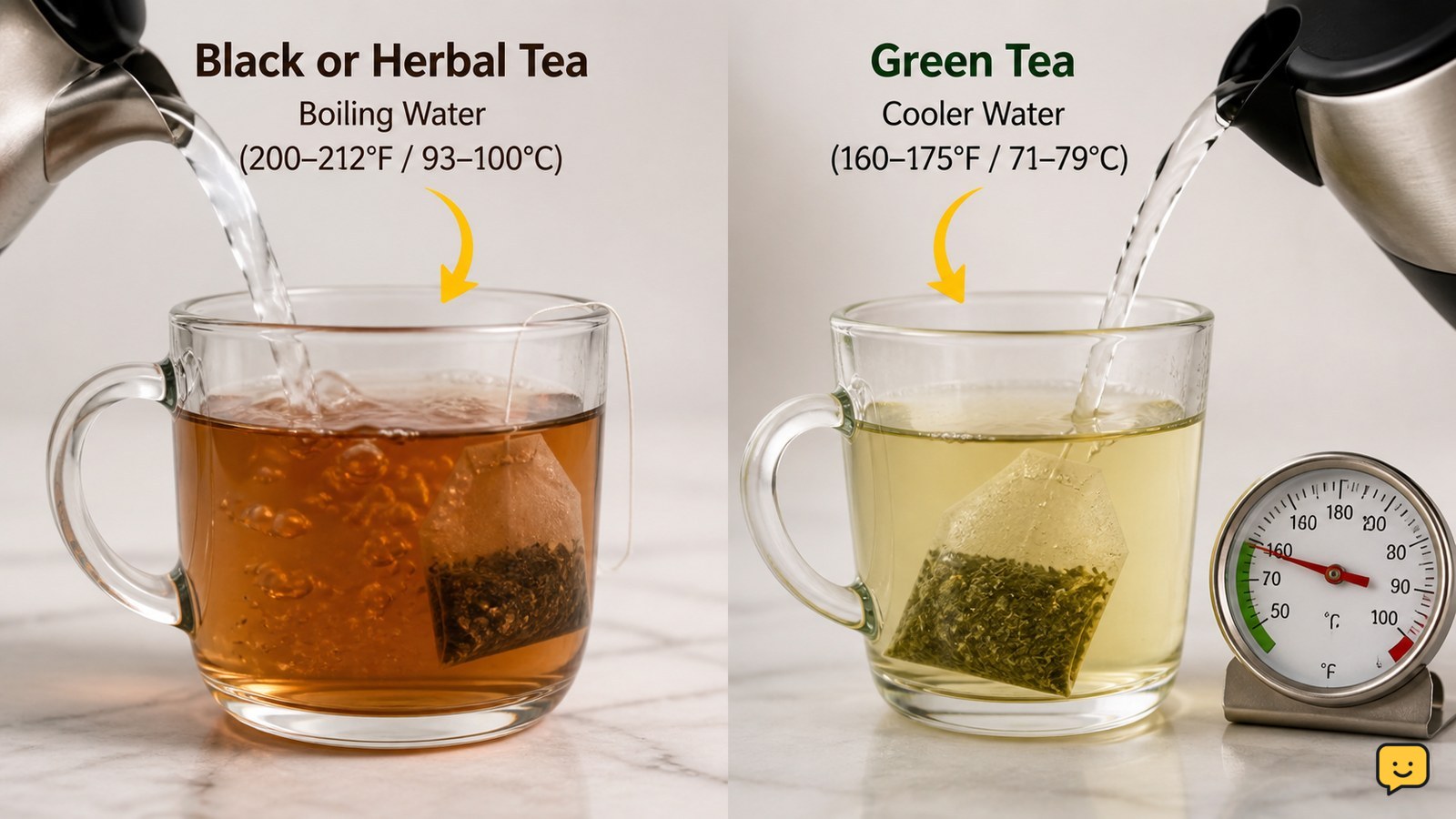
Heat fresh, cold drinking water in a kettle or saucepan. Bring the water to a full boil for black tea and most herbal infusions unless the package says otherwise.
Green tea needs cooler water to reduce bitterness. Alton Brown specifies about 180°F for green tea and about 200°F for oolong tea. If you do not have a thermometer, let freshly boiled water stand briefly before pouring it over green tea.
Do not keep boiling water after it has reached the needed temperature. Turn off the heat and move the vessel carefully to a stable surface.
Steep the tea without overextracting it
Place the tea bag in the cup, or add loose tea to a teapot, infuser or French press. Pour the heated water over the tea so the leaves or bag are fully submerged.
- Steep green tea for about 2 to 3 minutes.
- Steep oolong tea for about 4 to 7 minutes.
- For black, white and herbal tea, use the time printed on the package because blends and leaf sizes vary.
Learning Herbs recommends covering herbal tea while it steeps to help retain the infusion’s heat and aroma. A covered teapot or mug works for this method.
Success check: the liquid should have a clear tea color and a noticeable aroma. Taste a small sip before adding milk, sugar or lemon. If it is weak, steep a little longer or use more tea next time. If it is bitter, shorten the steep or lower the water temperature.
Remove the bag or strain the loose leaves
Remove the tea bag when the flavor is developed. For loose tea, lift out the infuser or pour the tea through a strainer into a cup.
A French press can also separate loose leaves from the brewed tea. Alton Brown uses one so the leaves have room to expand and can be pressed down before pouring.
Do not squeeze a tea bag aggressively unless you prefer a stronger, more astringent taste. Leaving tea in the water after it reaches the desired flavor is the most common reason a cup becomes too strong.
Adjust and serve the cup
Add milk to black tea, or sweeten with sugar or honey after tasting. Lemon works well in many black and herbal teas, but add it gradually because acidity can change the flavor quickly.
If the tea is too strong, dilute it with hot water. If it is too weak, brew a fresh, stronger cup rather than repeatedly reheating the same leaves. Serve immediately for the clearest aroma and flavor.
Make iced or herbal tea when hot tea is not the goal
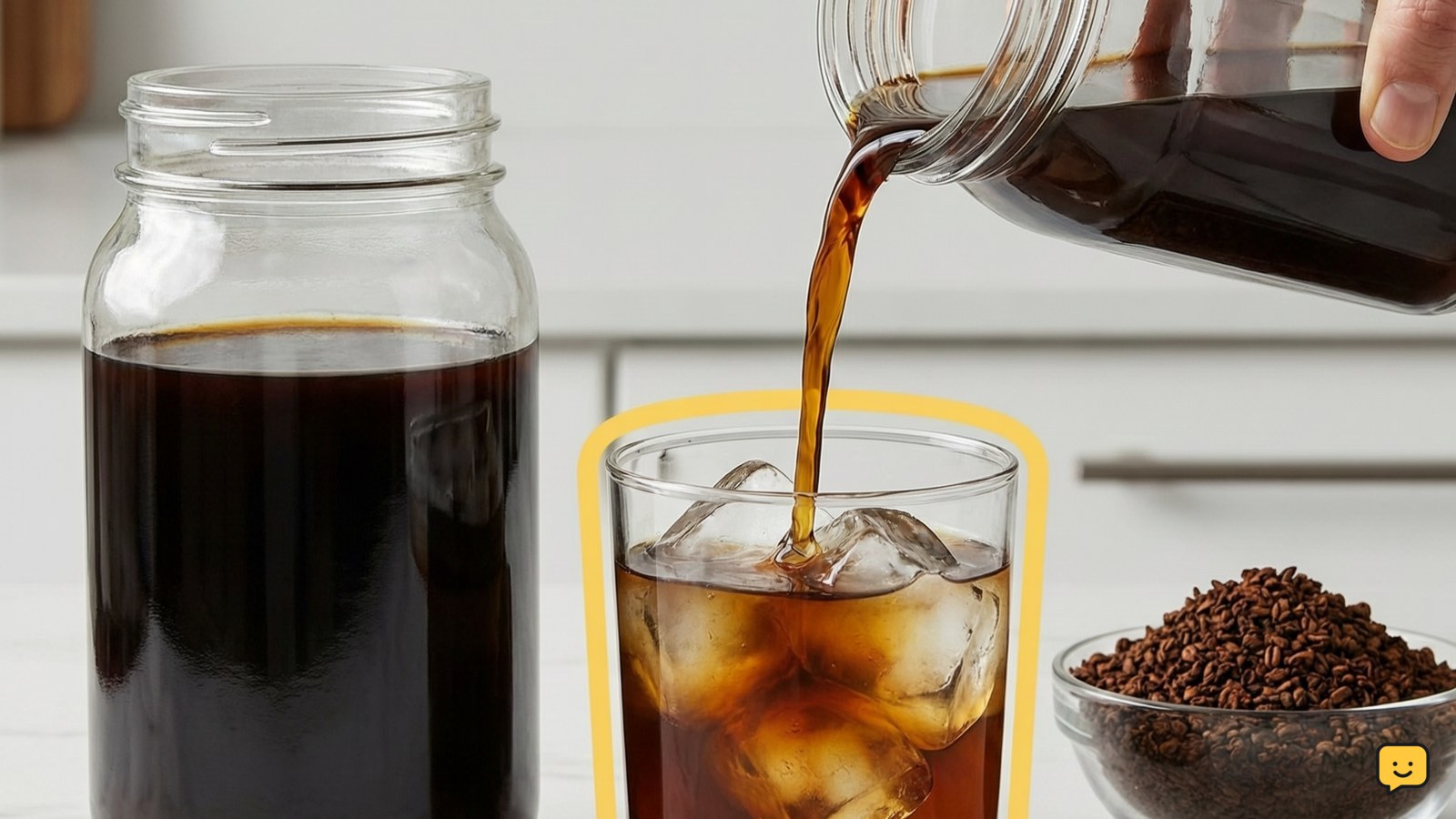
Use a separate cold-brew or sun-tea method when you want chilled tea instead of pouring hot tea over ice. For a covered jar, cool-water steeping method with prompt chilling, follow this guide to make sun tea safely.
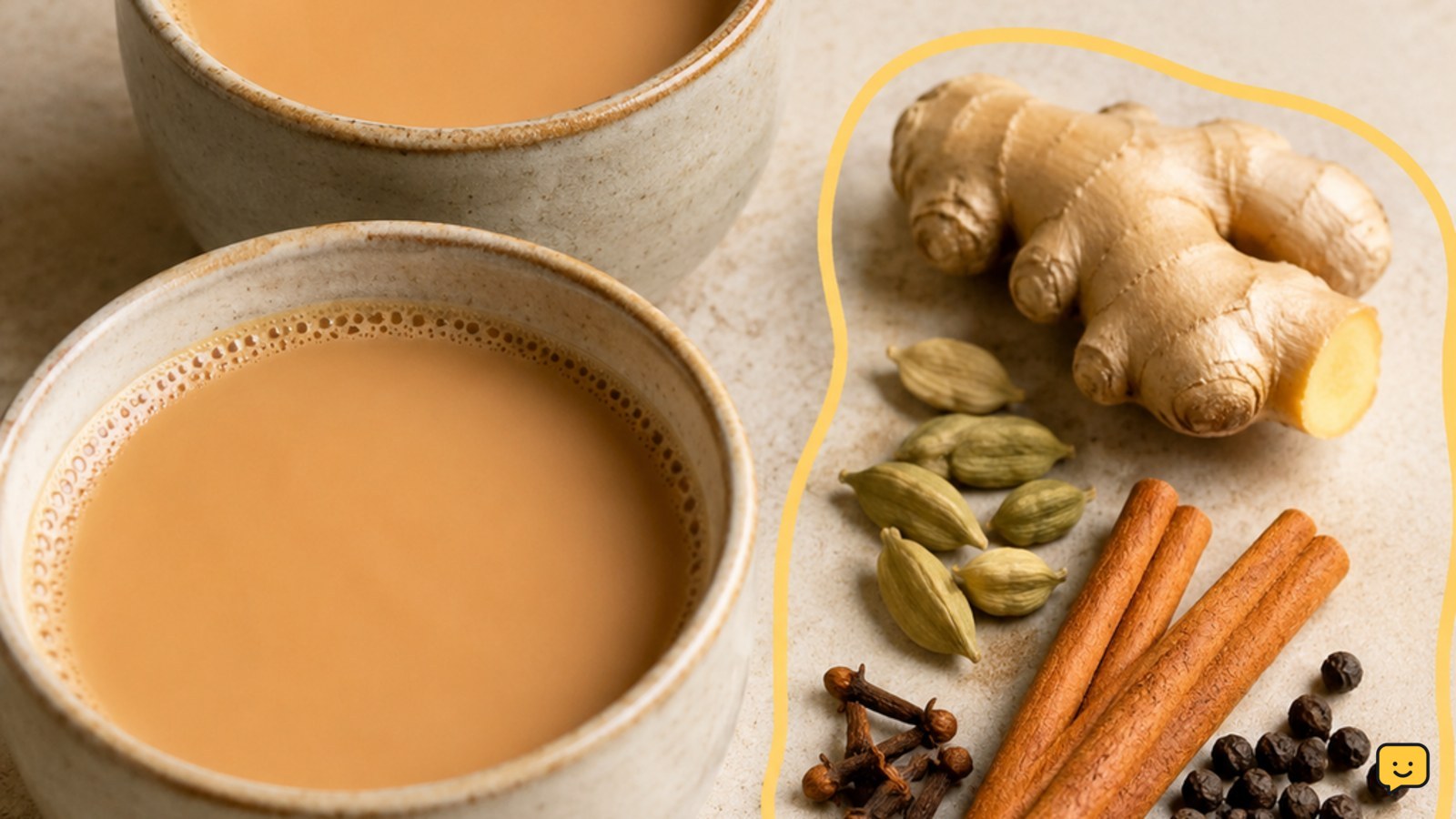
For a caffeine-free herbal option, dried flowers and roots need different preparation. Root pieces generally benefit from longer heating, while delicate flowers can be steeped more gently. Use the instructions in this guide to make dandelion tea when that is the ingredient you have.
For a covered jar, cool-water steeping method with prompt chilling, follow this guide to make sun tea safely.
Fix tea that tastes weak, bitter or cloudy
| What you notice | Likely cause | Next action |
|---|---|---|
| Weak color and little aroma | Too little tea, too much water or too short a steep | Use the recommended ratio, then add a small amount of steeping time. |
| Bitter, dry or puckering taste | Water too hot or tea steeped too long | Lower the temperature for green tea or remove the tea earlier. |
| Flat flavor | Stale tea or water that has been repeatedly boiled | Use fresh drinking water and tea stored in a sealed, dry container. |
| Floating particles | Loose leaves escaping the infuser | Use a finer strainer or pour the tea through a second strainer. |
If the tea smells stale, musty or chemical rather than like the tea blend, stop and discard it. Brewing changes cannot correct spoiled ingredients or contaminated water.
Frequently asked questions
How much tea should I use for one cup?
Use one tea bag or about 1 teaspoon of loose tea for roughly 6 ounces of water. Increase the amount when you want stronger flavor, but keep the steeping time within the tea’s package recommendation to limit bitterness.
Can you make tea without a kettle?
Yes. Heat the water in a saucepan until it reaches the needed temperature, then carefully pour it over the tea. Turn off the heat before moving the pan, and use a heat-safe cup or teapot.
Why does green tea taste bitter?
Green tea often becomes bitter when the water is too hot or the leaves steep too long. Try water around 180°F and a 2- to 3-minute steep, then adjust gradually according to the tea’s package directions.
Is loose-leaf tea better than tea bags?
Neither is automatically better. Loose leaves can provide more room to expand and allow precise measurement, while tea bags are faster and easier to portion. Freshness, water quality and correct steeping usually affect the result more than the format.