To unclog a toilet, stop flushing and close the water supply valve if the bowl is rising. Use a flange plunger with enough water to cover the rubber cup, then make steady push-pull strokes while keeping the seal tight. When the water drains, test with a small flush. Stop and call a plumber if an object is lodged, multiple drains are affected, or plunging fails.
For more help with this topic, use the Plumbing Fixtures guides.
Prevent an overflow before clearing the drain
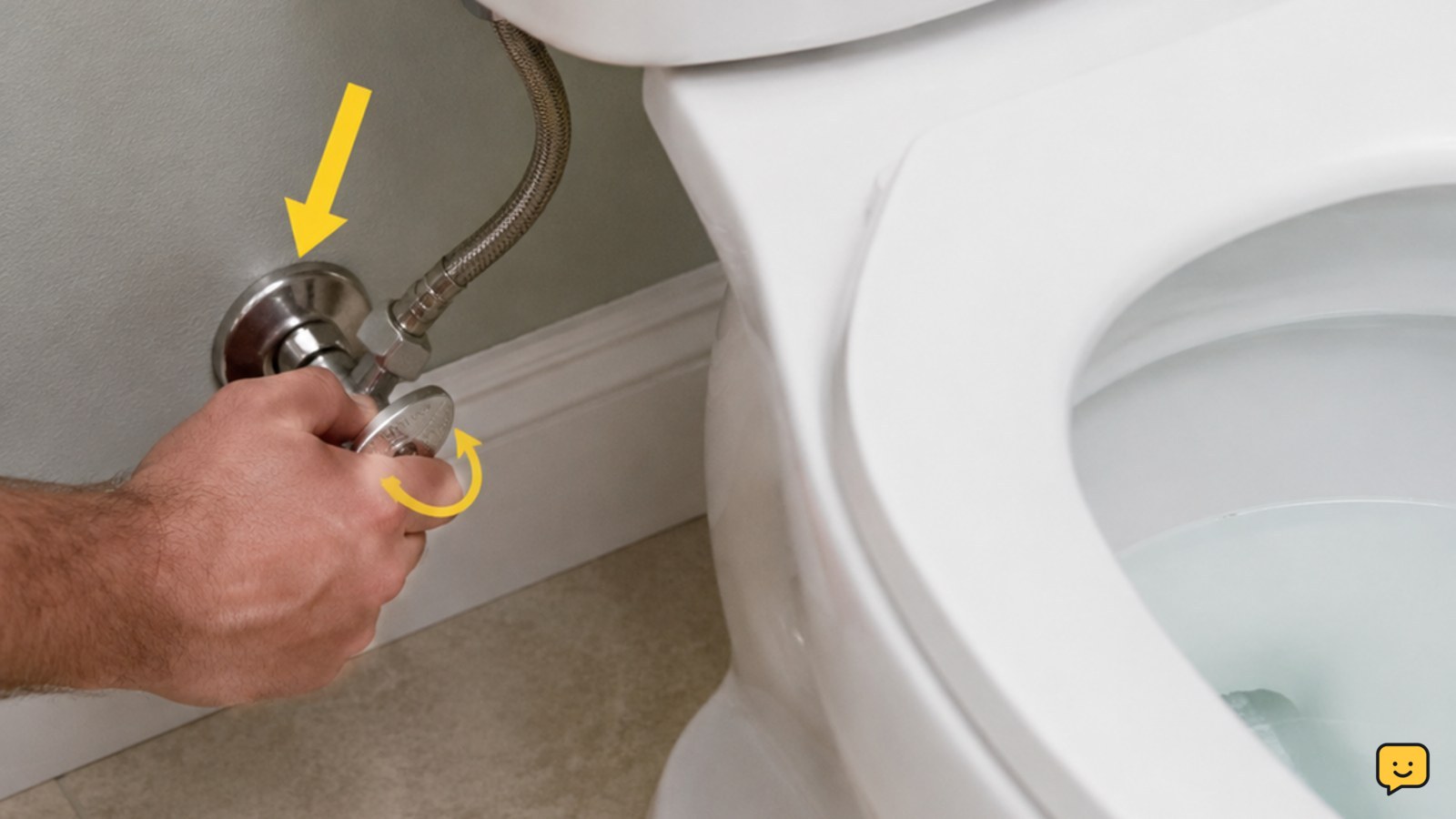
A rising toilet bowl needs water control before unclogging. Do not press the flush handle again. Turn the shutoff valve clockwise until it stops, or lift the tank lid and raise the float or close the flapper temporarily if the valve is inaccessible. Keep towels around the base and wait for the bowl level to settle.
Once the water is below the rim, identify the likely situation. A single toilet that drains slowly usually has a local blockage in the bowl or trap. If sinks, tubs, or other toilets also back up, stop working on this fixture and arrange professional drain service instead.
Seal the toilet drain with a flange plunger
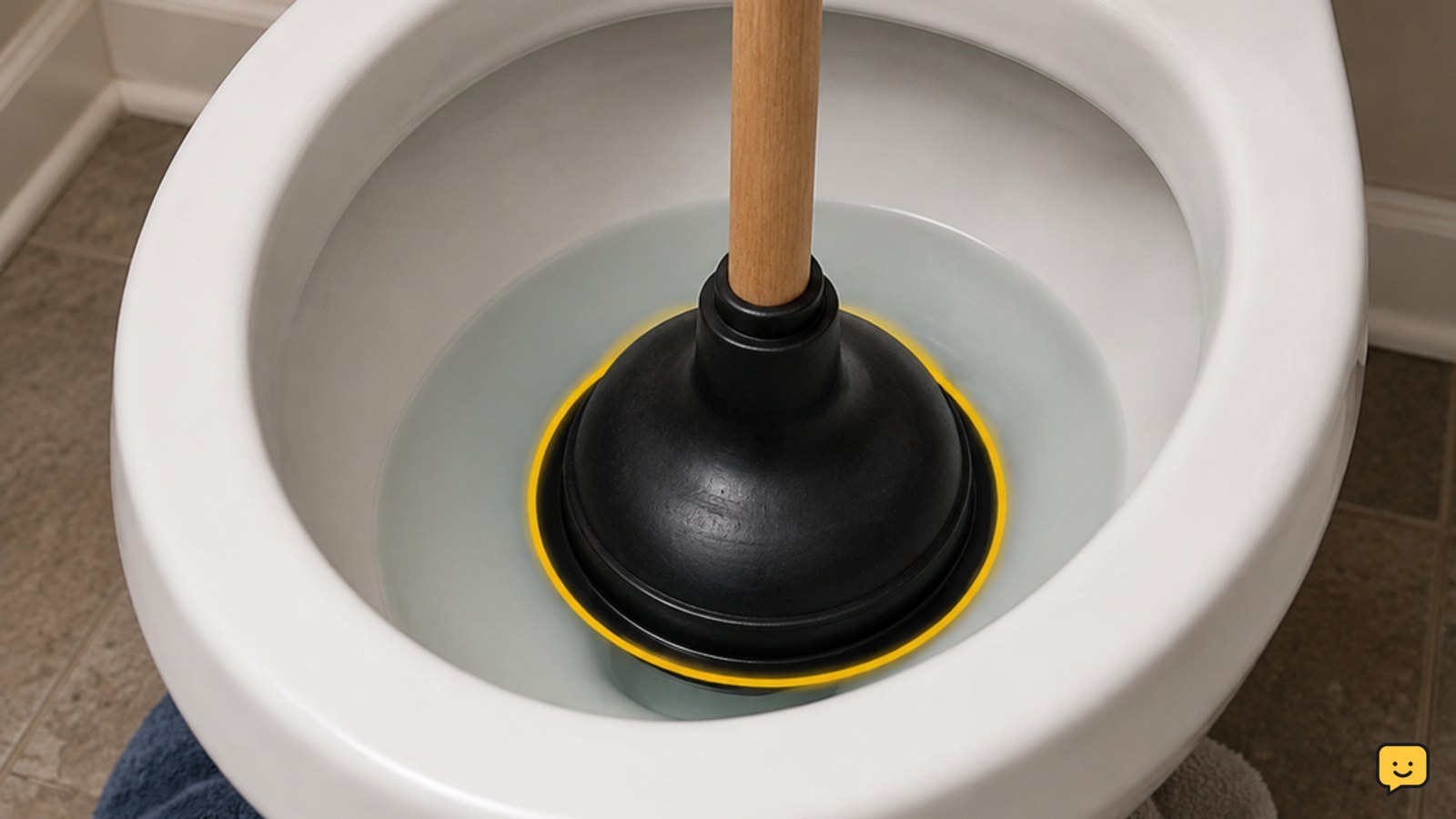
A flange plunger is the first choice for a typical toilet-paper or waste clog because its rubber flange fits into the toilet outlet. Make sure the bowl contains enough water to cover the plunger cup; add a small amount if necessary, but do not add water when the bowl is already high.
- Set the flange into the drain opening and hold the handle upright.
- Push down slowly at first to remove trapped air without splashing.
- Pull up firmly, then continue controlled push-pull strokes while keeping the seal against the bowl.
- After 10 to 15 strokes, lift the plunger slightly and watch the water. A sudden drop indicates that the obstruction has moved.
- Repeat the cycle several times if the level is falling, but stop if the bowl rises or water escapes around the base.
The American Standard toilet guide describes plunging as a primary method and also lists baking soda, vinegar, and hot water as an alternative. The observable success check is not a bubbling sound: it is water moving down and remaining at its normal level.
Verify the drain before flushing fully
A clear toilet trap should accept water without rising. Remove the plunger and pour about 1 litre of water into the bowl slowly. If the level rises quickly, close the shutoff valve again and continue clearing the blockage rather than flushing.
If the water drains normally, perform one test flush while watching the bowl. The water should rise briefly, then fall promptly to its usual level. Do not repeat full flushes until this test succeeds. Clean and disinfect the plunger and surrounding floor after the blockage is cleared.
Use soap and hot water for a soft clog
Dish soap and hot, nonboiling water can help a soft paper or waste blockage move through the trap when you do not have a plunger or need a gentler first attempt. Toilet Seats recommends adding roughly a quarter cup of liquid soap close to the drain, followed by hot water that is not boiling.
- Add a small amount of liquid dish soap to the bowl, aiming near the drain opening.
- Wait several minutes so the soap can lubricate the blockage.
- Add hot, not boiling, water slowly from a container. Do not pour from a height, and leave room below the rim.
- Wait for the water level to fall, then test with a small amount of water before attempting a flush.
Do not use boiling water, which can damage some toilet materials through thermal shock. If the bowl rises, stop adding water and close the supply valve.
Try an auger only when plunging fails
A toilet auger is the next practical option when the drain remains blocked after careful plunging, provided you have one designed for toilets. Feed the protected cable into the bowl outlet and turn its handle according to the tool instructions. Retract it slowly if it meets resistance; do not force a suspected solid object deeper into the trap.
This method does not apply when the obstruction is visible and can be removed by hand with gloves, or when the toilet base is leaking. It also is not a substitute for professional service when several fixtures are affected. If the auger cannot pass or the toilet still will not drain, stop and call a plumber.
Avoid methods that can worsen the blockage
Do not keep panic-flushing a full or slow-draining bowl. Repeated flushing can send more water into an already blocked fixture. Do not combine chemical drain cleaners with plunging or other cleaners; splashing caustic liquid can injure you and damage plumbing components. Avoid wire hangers and rigid tools that can scratch the bowl or push an object farther into the trap.
Baking soda and vinegar are sometimes suggested for soft clogs, and American Standard lists that combination with a five-minute wait before adding hot, nonboiling water. Treat it as an optional low-force attempt, not a replacement for a flange plunger or auger. Stop if the water level does not improve.
Call a plumber when the drain problem is not local
Professional help is the right next step when the toilet remains blocked after a few careful plunging cycles and a suitable auger attempt, when water leaks at the base, or when more than one drain backs up. A repeated clog can also indicate a deeper line restriction or an object that should not be pushed farther into the plumbing.
Before the plumber arrives, leave the shutoff valve closed, keep the toilet unused, and note what happened immediately before the blockage. Do not dismantle the toilet or continue adding water when the bowl cannot drain.
Frequently asked questions
Can I unclog a toilet without a plunger?
Yes. For a soft paper or waste clog, add a small amount of dish soap, wait several minutes, and add hot but not boiling water slowly. Test with a small pour of water before flushing. If the bowl rises or the water does not move, stop and use a toilet auger or call a plumber.
Should I use boiling water to clear a toilet clog?
No. Use hot water that is not boiling. Add it slowly and leave space below the rim so the bowl does not overflow. Boiling water can damage some toilet materials, and hot water will not reliably clear a solid object or a deep drain blockage.
How do I know the toilet clog is gone?
Pour a small amount of water into the bowl first. The level should fall without rising sharply. Then open the shutoff valve if it was closed and perform one test flush while watching the bowl. A successful result is a brief rise followed by a prompt return to the normal level.
What should I do if plunging does not work?
Stop if the bowl rises, water leaks at the base, or the plunger cannot maintain a seal. For a toilet that still drains slowly but has no leak, try a toilet auger designed for the fixture. Call a plumber if the auger fails, an object may be lodged, or other drains are backing up.