To clean slate tiles, sweep or vacuum away grit, then mop with warm water and a small amount of mild dish soap or a pH-neutral slate cleaner. Use a soft-bristled brush for textured areas, wring the mop nearly dry, rinse away cleaner residue and dry the tiles. Do not use vinegar, acidic products, abrasive powders or steam.
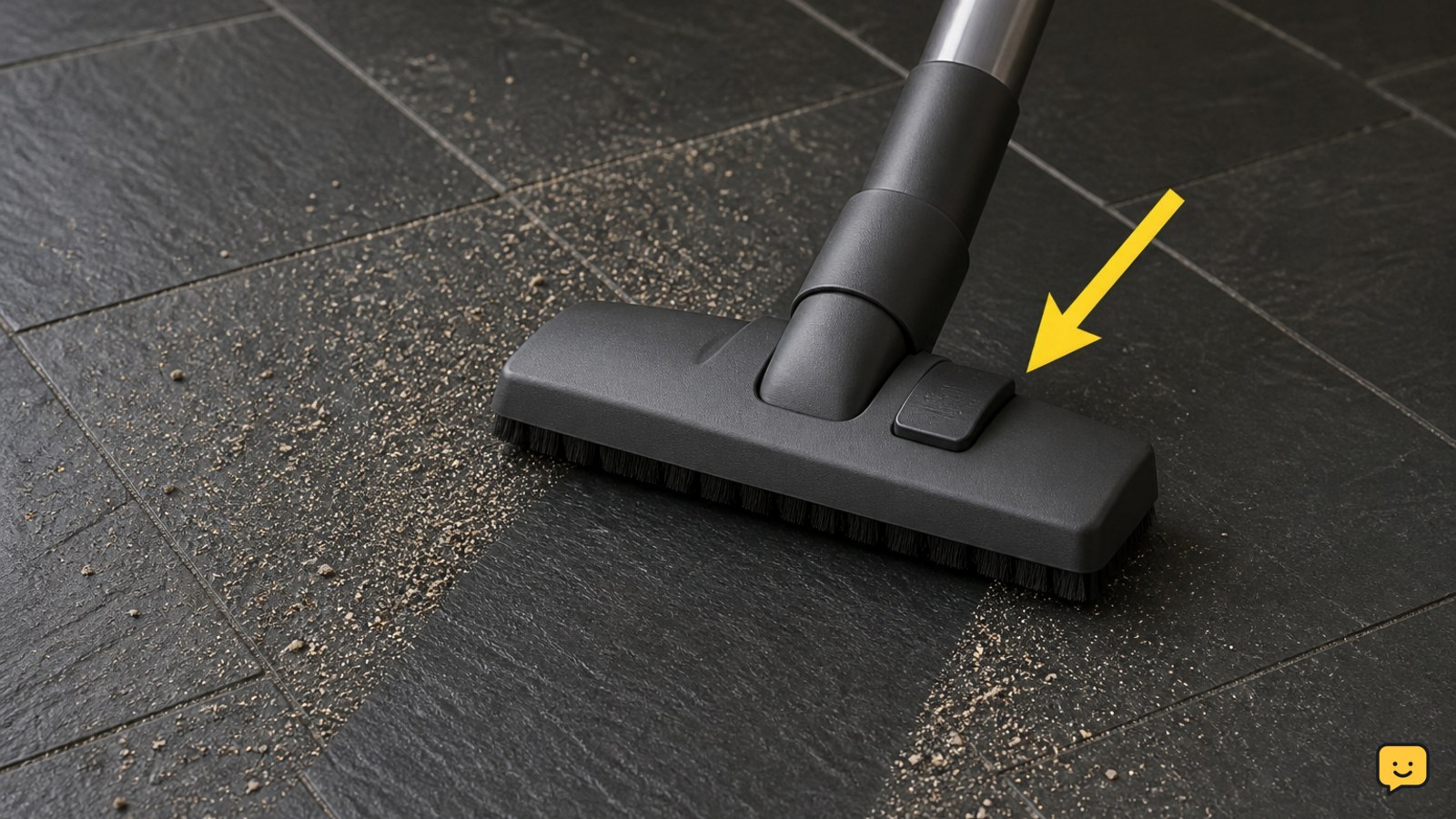
Remove grit without scratching the slate
Slate tiles should be dry-cleaned first because sand and loose grit can act like abrasive particles under a mop.
- Pick up loose debris by hand or use a soft broom.
- Vacuum with a hard-floor setting and a clean, non-abrasive attachment. Avoid a rotating brush that may catch rough edges.
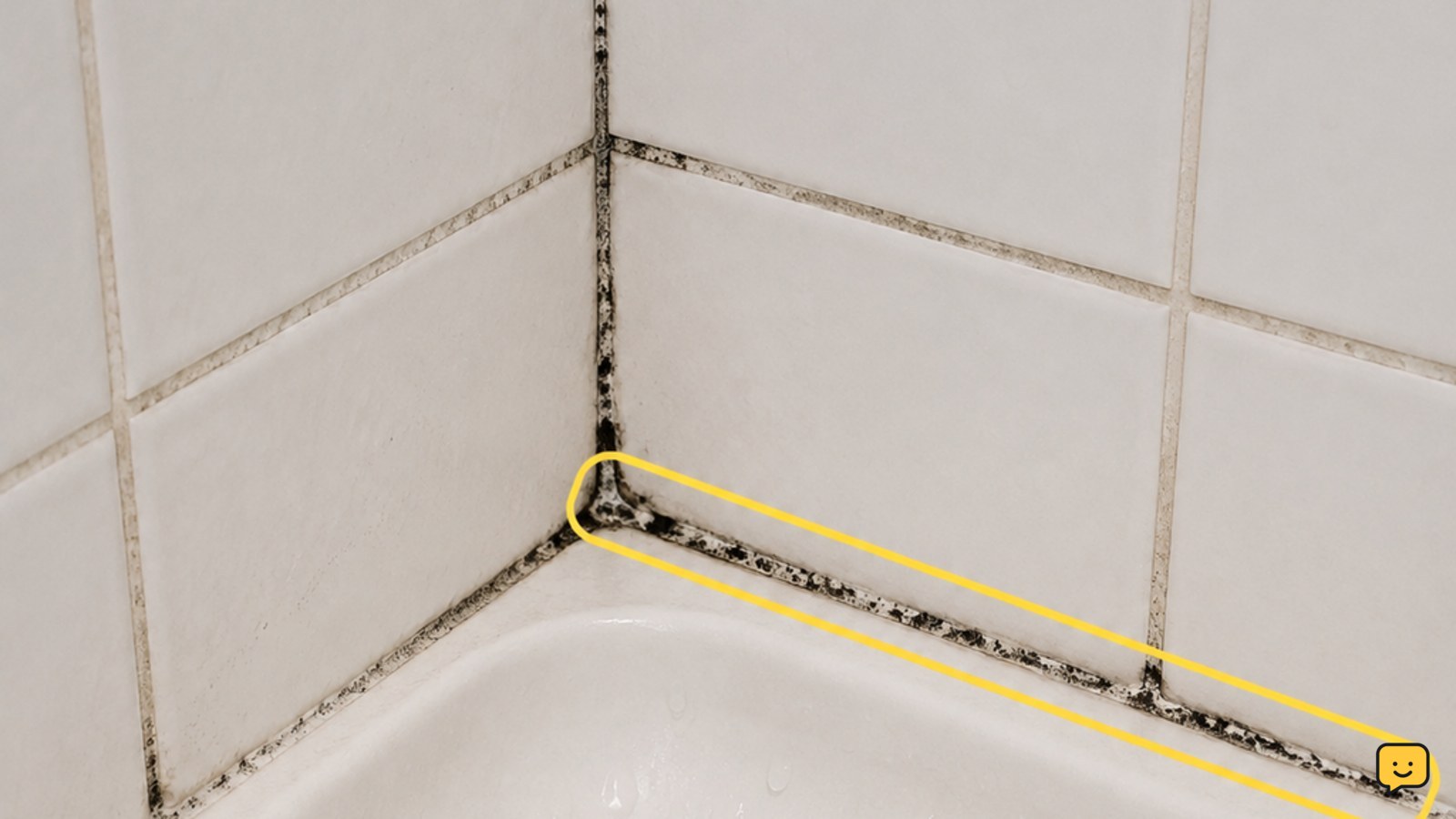
- Pay extra attention to grout lines, thresholds and textured sections where grit collects.
Check: run a clean, dry microfiber cloth over the tile. If it picks up visible grit, repeat this step before adding water.
Choose a slate-safe cleaning solution
Slate tiles can be cleaned with warm water and a small amount of mild dish soap, or with a labeled pH-neutral cleaner made for natural stone.
For a soap solution, use only enough mild dish soap to loosen household soil; Southern Home and Hospitality lists about 1/4 cup of mild dish soap per gallon of warm water as an example. A stone-specific cleaner is the safer choice when you are unsure about the tile’s finish or sealer. Follow the product label rather than making the mixture stronger.
Do not use vinegar, lemon, acidic bathroom cleaner, bleach mixtures, abrasive powder or harsh degreaser. Eufy’s slate-floor guidance warns that acidic or abrasive cleaners can damage the stone or strip its sealer. Never mix cleaning products.
Wash slate tiles with a nearly dry mop
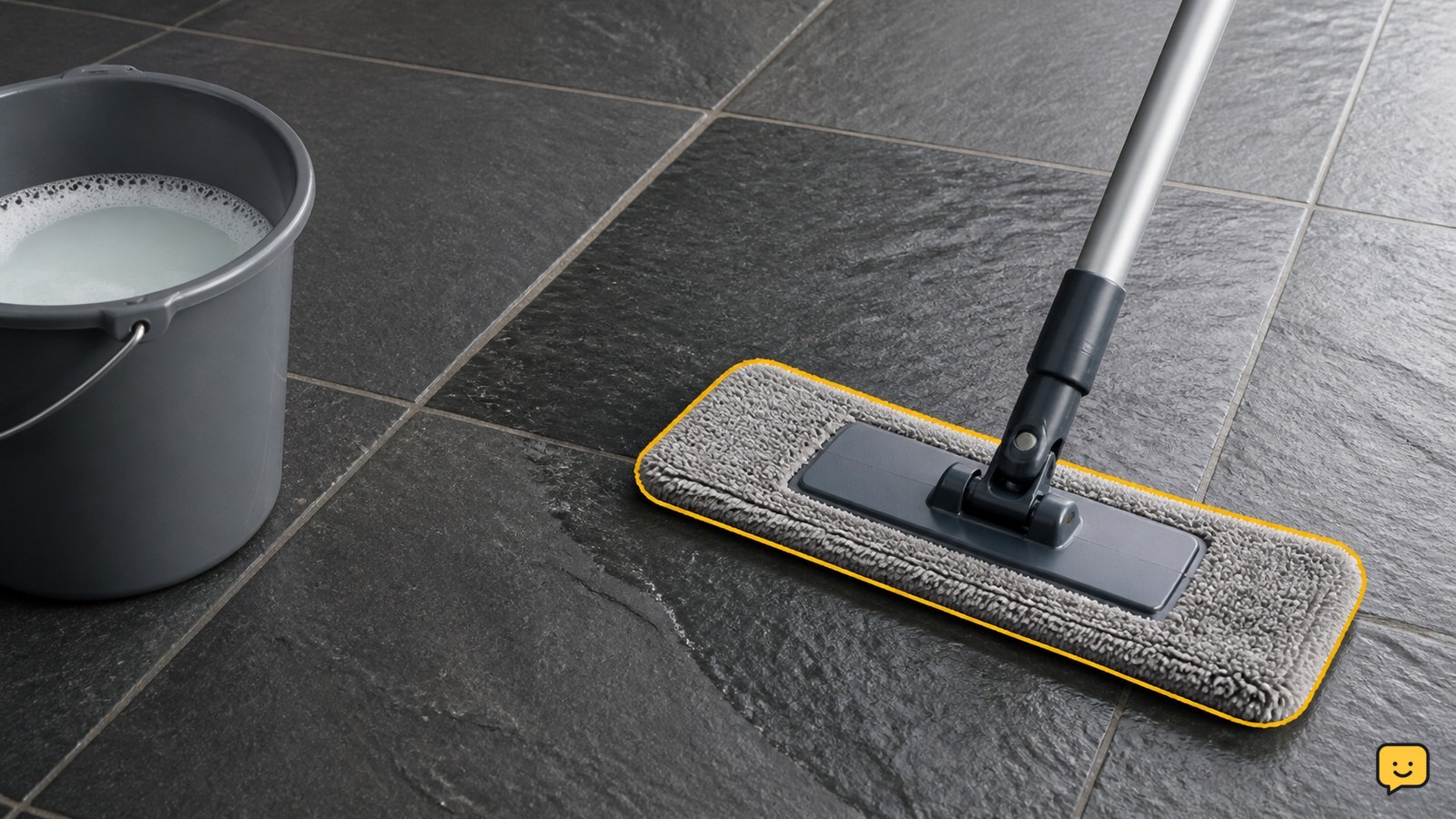
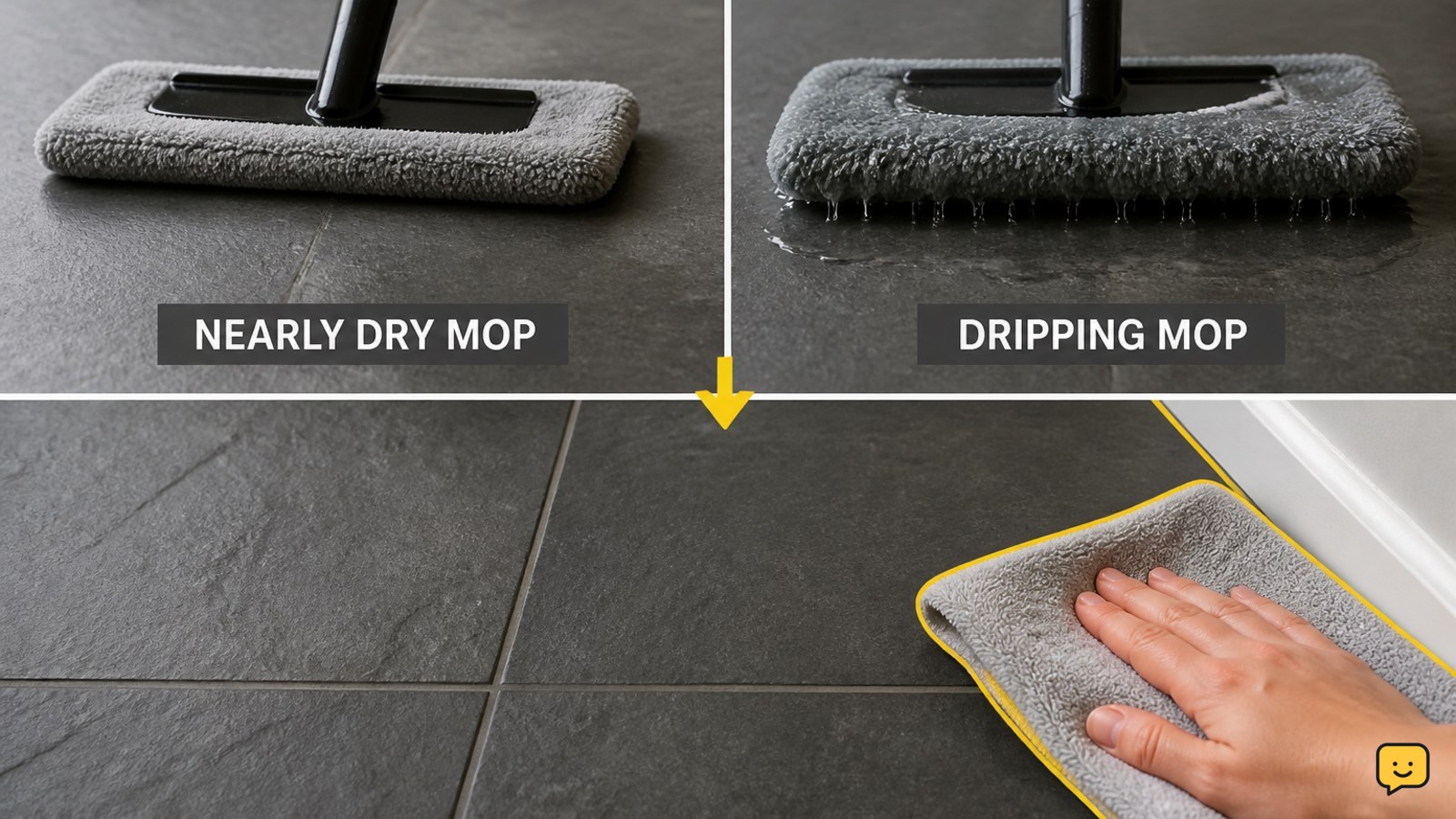
Slate tiles should be washed with a soft, wrung-out mop or microfiber cloth so the surface is cleaned without being saturated.
- Dip the mop into the cleaning solution, then wring it until it is damp rather than dripping.
- Clean a small section at a time, following the tile texture instead of pushing dirty water across the whole floor.
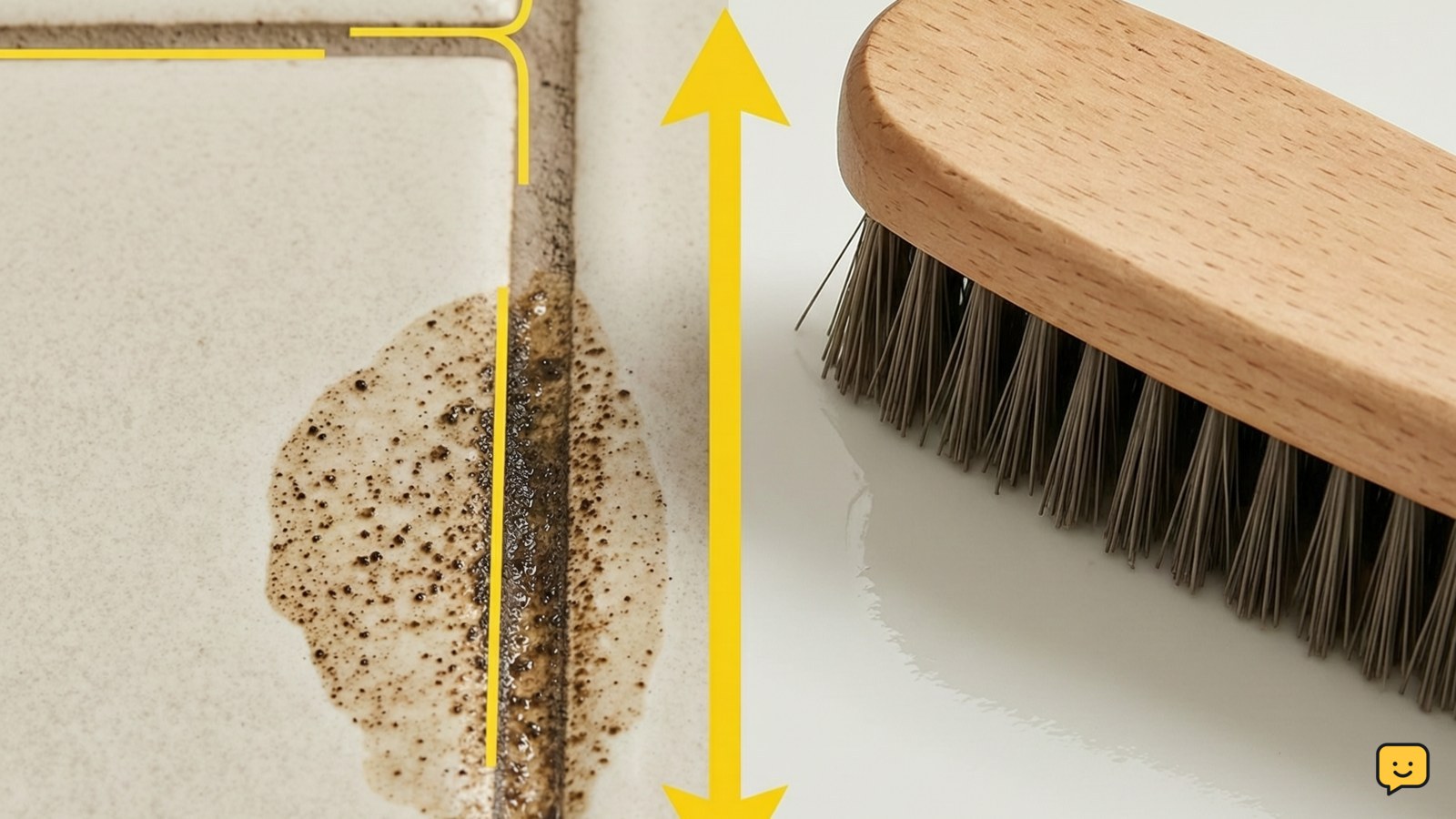
- Use a soft nylon brush on textured slate or dirty grout. Apply light pressure and stop if flakes or grit come loose from the tile.
- Refresh the solution when it becomes visibly dirty.
Check: clean slate should look evenly damp, with loosened soil removed from the texture. A cloudy film after drying usually means too much soap or insufficient rinsing.
Rinse residue and dry the surface completely
Slate tiles need a light clean-water rinse because leftover soap can form a dull, sticky film.
- Empty and rinse the mop or cloth.
- Use a second bucket of clean warm water, or rinse the cleaned area with a barely damp microfiber mop.
- Do not flood the floor or leave standing water around grout, cracks, door thresholds or tile edges.
- Wipe the surface with a dry microfiber cloth or towel and improve airflow until it is fully dry.
Verify: after drying, the tiles should feel clean rather than tacky, show no cloudy streaks and have no damp patches at the edges. If residue remains, repeat the clean-water rinse rather than adding more detergent.
Handle stains and sealer checks cautiously
Slate tile stains should be treated according to the spill, but gentle cleaning is the stopping point for an unknown or deep mark.
Blot fresh spills instead of rubbing them outward. Remove surface residue with the slate-safe solution, then rinse and dry the area. Do not scrape with metal tools or apply an acidic stain remover. If the mark remains, its cause may be absorbed into the stone, grout or sealer and needs a product-specific treatment.
After the tiles are clean and completely dry, check the sealer only if the manufacturer’s instructions permit it. Eufy notes that slate floors may need resealing at intervals commonly ranging from one to three years, depending on traffic, and that water beading can indicate an intact sealer. A tile that quickly darkens where a small amount of water is applied may need professional or manufacturer-approved sealing advice. Never seal over damp, dirty or damaged slate.
Prevent new dirt between cleanings
Slate tiles stay cleaner when dry grit and tracked moisture are removed before they reach the textured surface.
- Sweep or vacuum high-traffic areas regularly.
- Place absorbent mats at exterior entrances, but check that their backing will not stain or scratch the slate.
- Wipe spills promptly with a soft cloth.
- Use only a damp, nearly dry mop for routine washing.
Steam cleaning is not a suitable substitute for this method. Eufy’s guidance cautions that steam can damage the sealer and may contribute to flaking or peeling over repeated use.
Frequently asked questions
Can you clean slate tiles with vinegar?
No. Avoid vinegar on slate tiles because it is acidic and may react with the stone or damage its sealer. Use warm water with a small amount of mild dish soap, or choose a pH-neutral cleaner labeled for natural stone. Test any product on a hidden area first and stop if the tile changes color, sheen or texture.
Is dish soap safe for slate tiles?
A small amount of mild dish soap diluted in warm water can be used for routine cleaning, provided the slate’s care instructions do not prohibit it. Use a nearly dry mop, rinse with clean water and dry the tiles. Too much soap can leave a cloudy or sticky film, so increase rinsing rather than detergent.
Can you steam-clean slate tiles?
Steam cleaning is not recommended for slate tiles. Heat and moisture may damage the sealer, force water into joints or contribute to flaking on vulnerable surfaces. Use dry debris removal followed by a lightly damp microfiber mop or cloth. If the slate is already flaking, stop cleaning and arrange a professional assessment.
How do you clean rough or textured slate tiles?
Clean rough slate by vacuuming or sweeping carefully first, then using a soft nylon brush with diluted mild soap or a pH-neutral stone cleaner. Work in small sections and keep the mop nearly dry. A soft brush can reach the texture without the damage risk of abrasive pads. Stop if flakes, powder or chips come loose.
For more help with this topic, use the Cleaning Stain Removal guides.