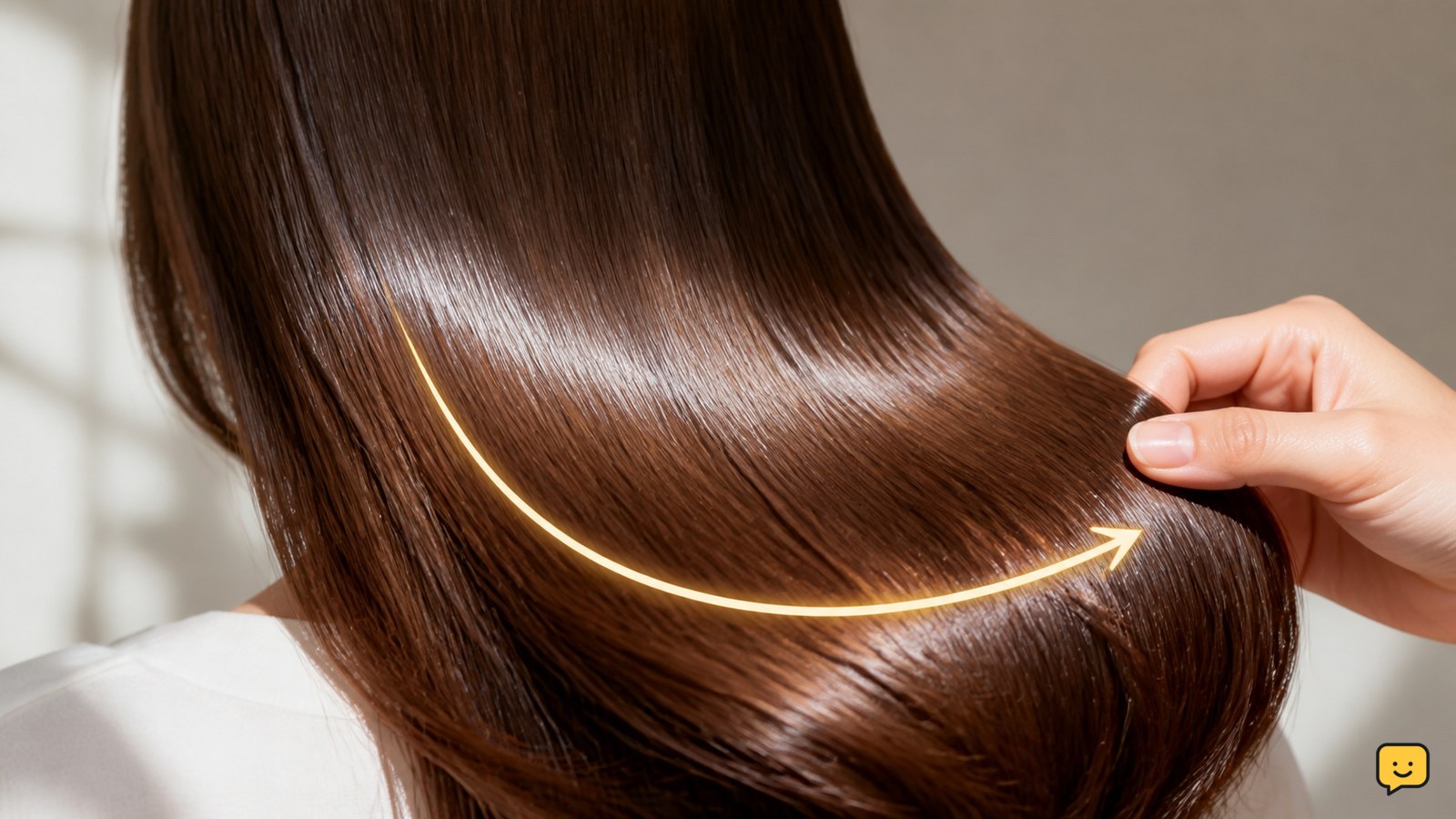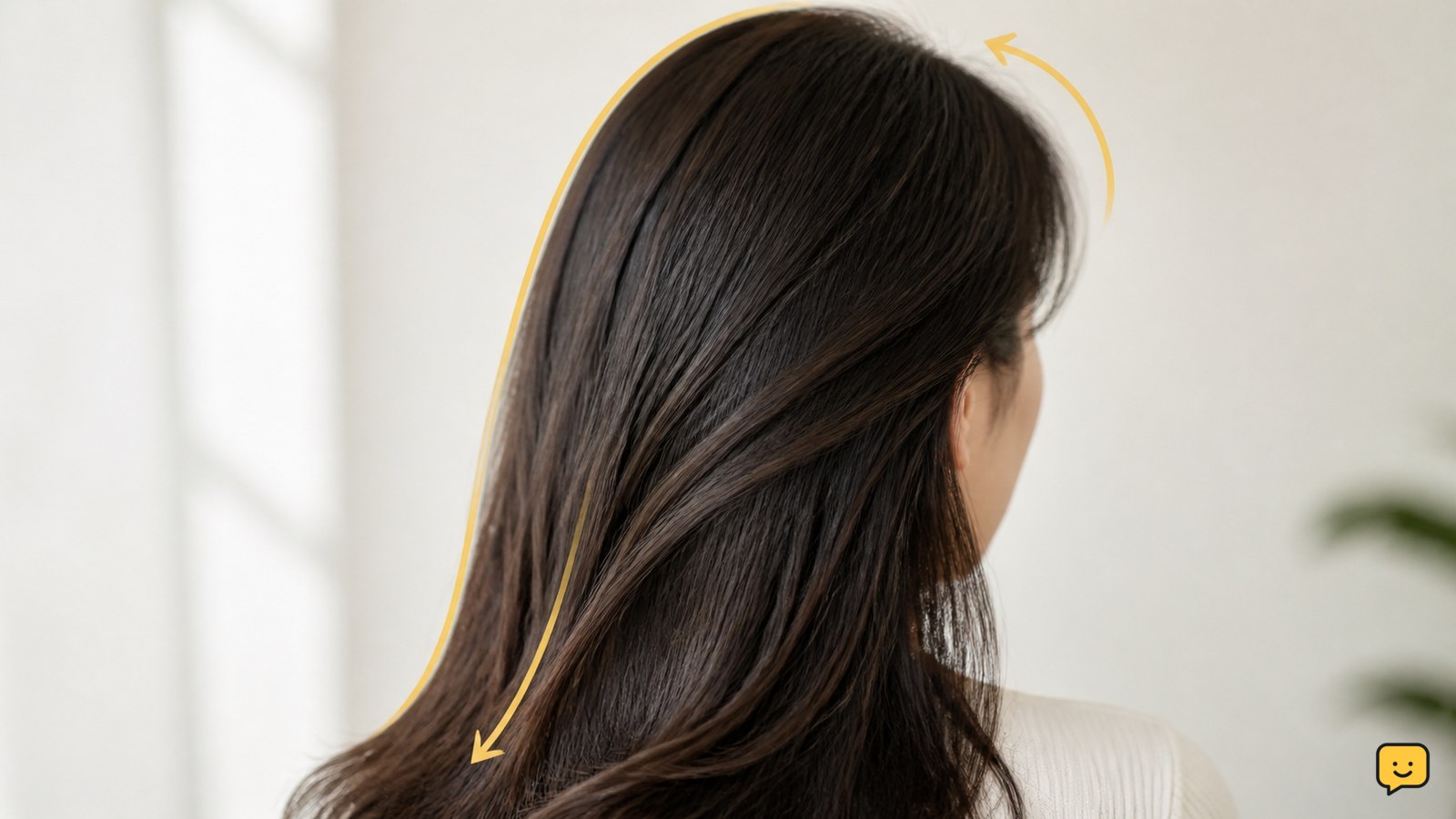
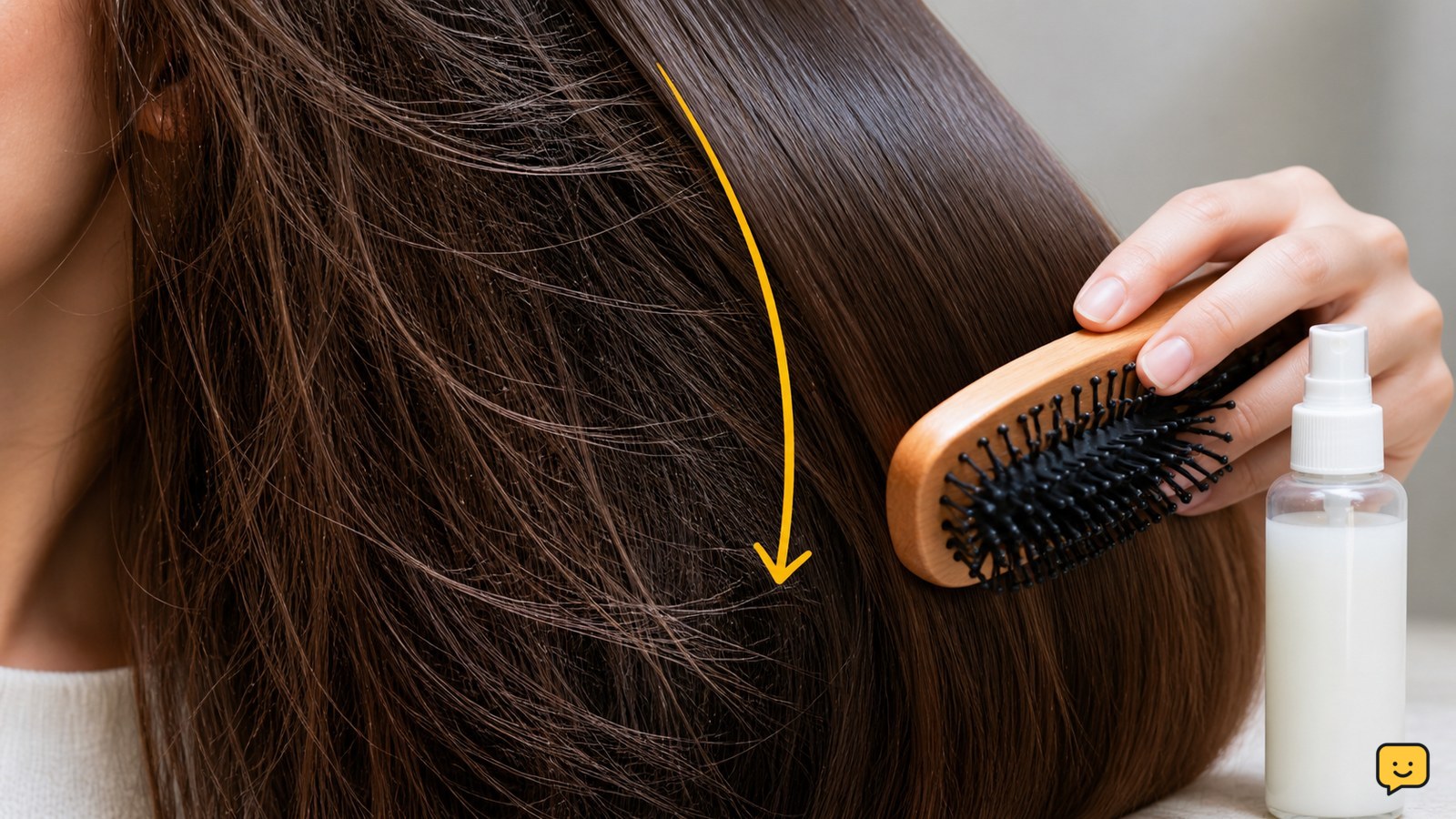
To get rid of static in hair, lightly mist or apply a small amount of leave-in conditioner, smoothing cream or hair spray, then brush gently with a wide-tooth or anti-static brush. Add moisture during dry weather, reduce rubbing from hats and synthetic fabrics, and avoid over-drying your hair. Stop using any product that causes itching, burning or a rash.
Smooth static immediately with light moisture
Light moisture is the fastest first step for static-charged hair because dry strands are more likely to lift and separate. Apply a pea-sized amount of leave-in conditioner or smoothing cream to your palms, rub them together, and lightly skim over the mid-lengths and ends.
- Start with dry or almost-dry hair.
- Keep the product away from the roots unless the label specifically allows scalp application.
- Use a clean brush or wide-tooth comb to distribute it gently.
Pantene recommends moisture-focused hair products for winter static. The result should be fewer floating strands and a smoother surface, not wet-looking or oily hair. If flyaways remain, wait a minute before adding more; a second tiny amount is safer than applying a large layer at once.
Choose a hair-safe tool or finishing product
A suitable brush, comb or finishing product can reduce the friction that makes static visible. Use a wide-tooth comb or an anti-static brush and make slow strokes from the lengths toward the ends. Avoid repeatedly brushing the same area, which can create more friction and disturb the style.
For a polished finish, spray a small amount of hairspray onto the brush rather than soaking the hair. Allure lists leave-in cream and hairspray among practical options for staticky hair, while a small amount of dry shampoo or texturizing spray may help some styles hold together. These products are alternatives, not a checklist: choose the one that matches your hair.
- Fine or straight hair: choose a light leave-in mist or a very small amount of spray.
- Thick, coarse or dry hair: try a leave-in cream or smoothing lotion.
- Curly or textured hair: smooth with a compatible leave-in conditioner and avoid dry brushing.
Verify the choice by checking whether the hair lies flatter without losing its natural movement. If it looks limp or feels coated, wash or brush out the excess instead of adding another product.
Reduce dry-air and friction triggers
Dry indoor air and repeated rubbing from hats, scarves, pillows and synthetic fabrics can bring static back after styling. During cold or dry weather, use a humidifier in the room where you spend the most time, following the appliance’s cleaning instructions. Pantene identifies winter conditions as a common setting for hair static.
Reduce friction with a smoother pillowcase or a loose hair wrap made from a hair-friendly fabric. When removing a hat, lift it away instead of dragging it across the hair. You can also change your part or move the hair to the opposite side; Pantene lists changing the part as a simple way to alter the pattern of flyaways.
If static appears mainly after wearing one hat, scarf or sweater, compare it with another fabric. The comparison helps identify friction as the trigger. Keep the item that causes the problem from rubbing directly against freshly styled hair, or add a smooth barrier between the fabric and your hair.
Prevent static during washing and drying
Gentler washing and drying can help prevent the dryness that makes static more noticeable. Use conditioner on the lengths, rinse thoroughly, and blot with a towel instead of rubbing the hair vigorously. If you use a blow-dryer, avoid leaving high heat on one section for too long and use a heat-protective product that is labeled for your hair type.
Urban Betty identifies creams, lotions and heat protectant as options that may reduce static. These are styling suggestions rather than universal rules, so check how your hair responds. Hair should feel clean and flexible after drying, without a brittle or straw-like texture.
If static starts after a new shampoo, conditioner or styling product, return to the previous routine for a few washes. A simple change back can show whether the new product is increasing dryness or leaving residue.
Verify the result and adjust if static returns
Static is reduced successfully when flyaways settle after gentle brushing, the hair no longer clings strongly to clothing, and the finish stays flexible rather than sticky. Check the result after putting on your usual hat or sweater because friction may reveal a remaining trigger.
- If the hair is still lifting, add a small amount of moisture or spray the brush lightly with hairspray.
- If the hair is greasy or flat, remove excess product and switch to a lighter mist next time.
- If brushing makes the problem worse, stop brushing dry curls or fragile ends and use a leave-in product to smooth with your fingers instead.
- If static returns only in one room or season, focus on humidity and fabric changes rather than increasing product.
A laundry dryer sheet is sometimes suggested as a quick hack, but it is not made as a hair-care product. Prefer products labeled for hair, and do not rub household laundry products directly on the scalp or hair if they cause irritation.
Frequently asked questions
Why does hair get static in winter?
Winter air is often drier, and indoor heating can reduce humidity further. Hats, scarves and synthetic fabrics also create friction as they move against the hair. Adding light moisture, reducing rubbing and changing the fabric touching the hair can help limit the effect.
Can hairspray help remove static from hair?
Yes, a small amount of hairspray can help hold flyaways in place. Spray it onto a brush and pass the brush lightly over the surface instead of saturating the hair. Stop if the finish becomes stiff, sticky or irritating.
Is a dryer sheet safe to use on hair?
A dryer sheet is a household laundry product, not a hair-care product. Although it is sometimes suggested for static, a hair-labeled leave-in conditioner, smoothing cream or hairspray is a more suitable choice. Avoid rubbing a dryer sheet directly on the scalp or hair, especially if you have sensitive skin.
How can I prevent static overnight?
Reduce overnight friction by using a smoother pillowcase or a loose, hair-friendly wrap. Apply only a small amount of leave-in product to dry ends if needed. If hair is fine or oily, skip extra product and focus on reducing rubbing instead.
What should I do if every product makes my scalp itch?
Stop using the product that causes itching and rinse it out with your normal hair-washing routine. Avoid testing several new products at once. If irritation persists, spreads or includes swelling or a rash, seek medical advice rather than continuing to experiment.
For more help with this topic, use the Grooming Personal Care guides.