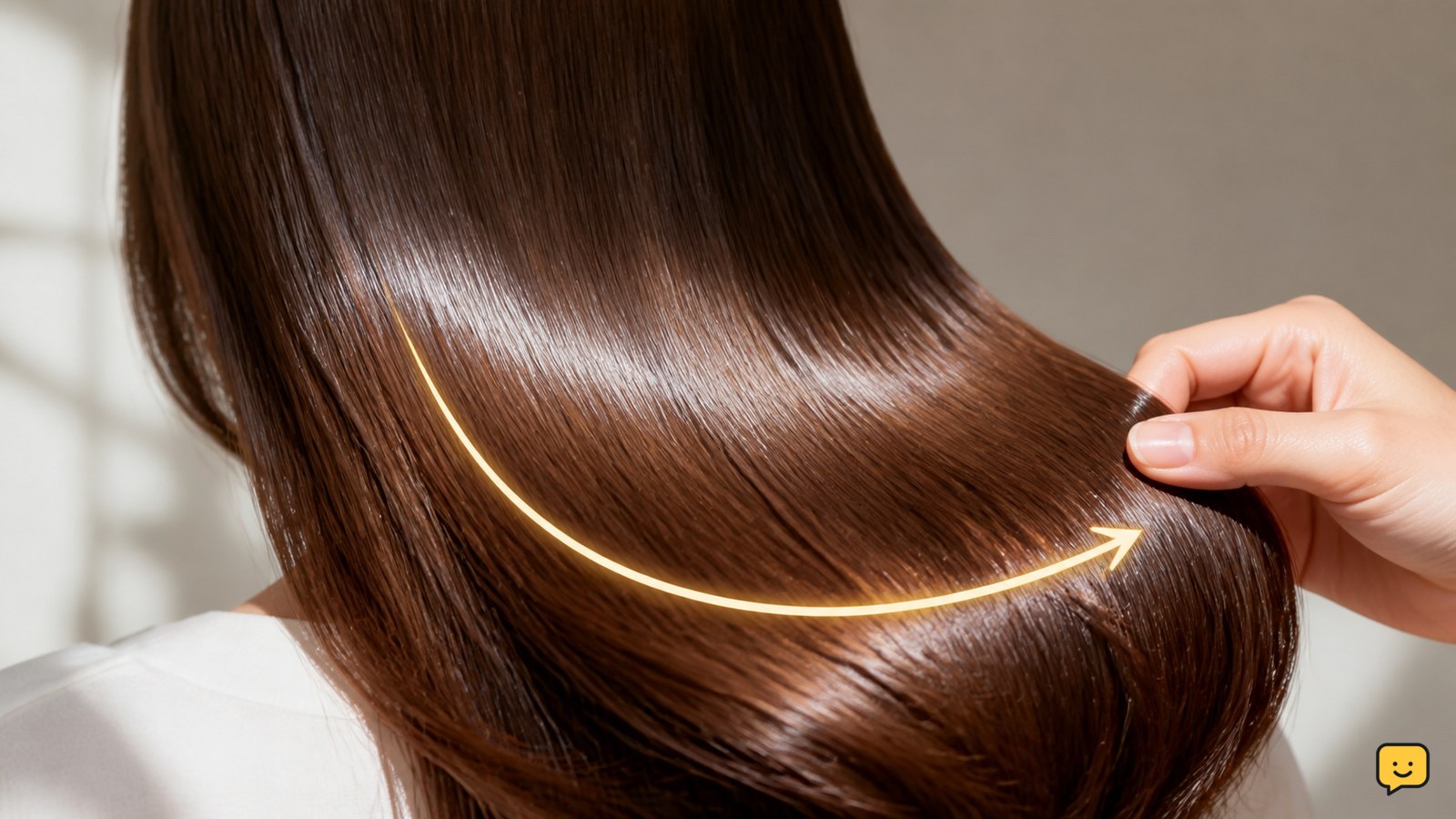
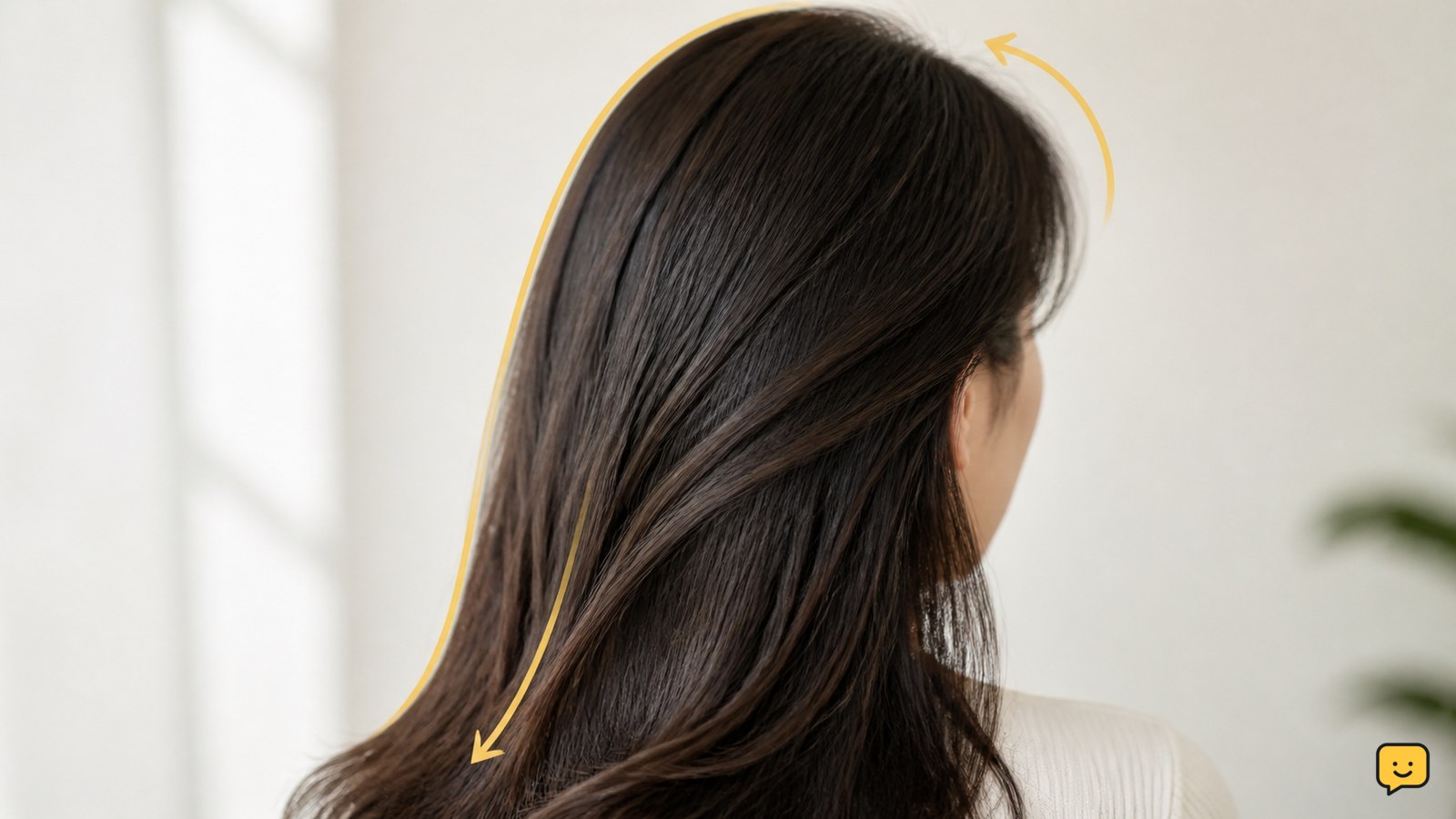
To get thicker-looking hair, focus first on preventing breakage: handle wet hair gently, limit damaging heat and tight styles, and use a suitable conditioning or protein treatment. Eat a varied diet with adequate protein, and treat sudden or persistent shedding as a reason to see a healthcare professional. Scalp massage may help, but evidence remains limited.
Check whether you need more fullness or help with shedding
Thicker hair can mean fuller-looking strands, less visible scalp or fewer broken hairs; it does not always mean growing more follicles. Compare your current part, hairline and ponytail to a photo taken in the same light. If the change is sudden, patchy or continuing, treat it as a health concern rather than a styling problem and arrange a professional assessment.
Hair care is most useful when the main issue is breakage. Look for short snapped hairs, split ends and roughness through the lengths. If you are seeing noticeably more hair coming out from the root, home care may not explain or correct the cause.
Reduce breakage during washing, drying and styling
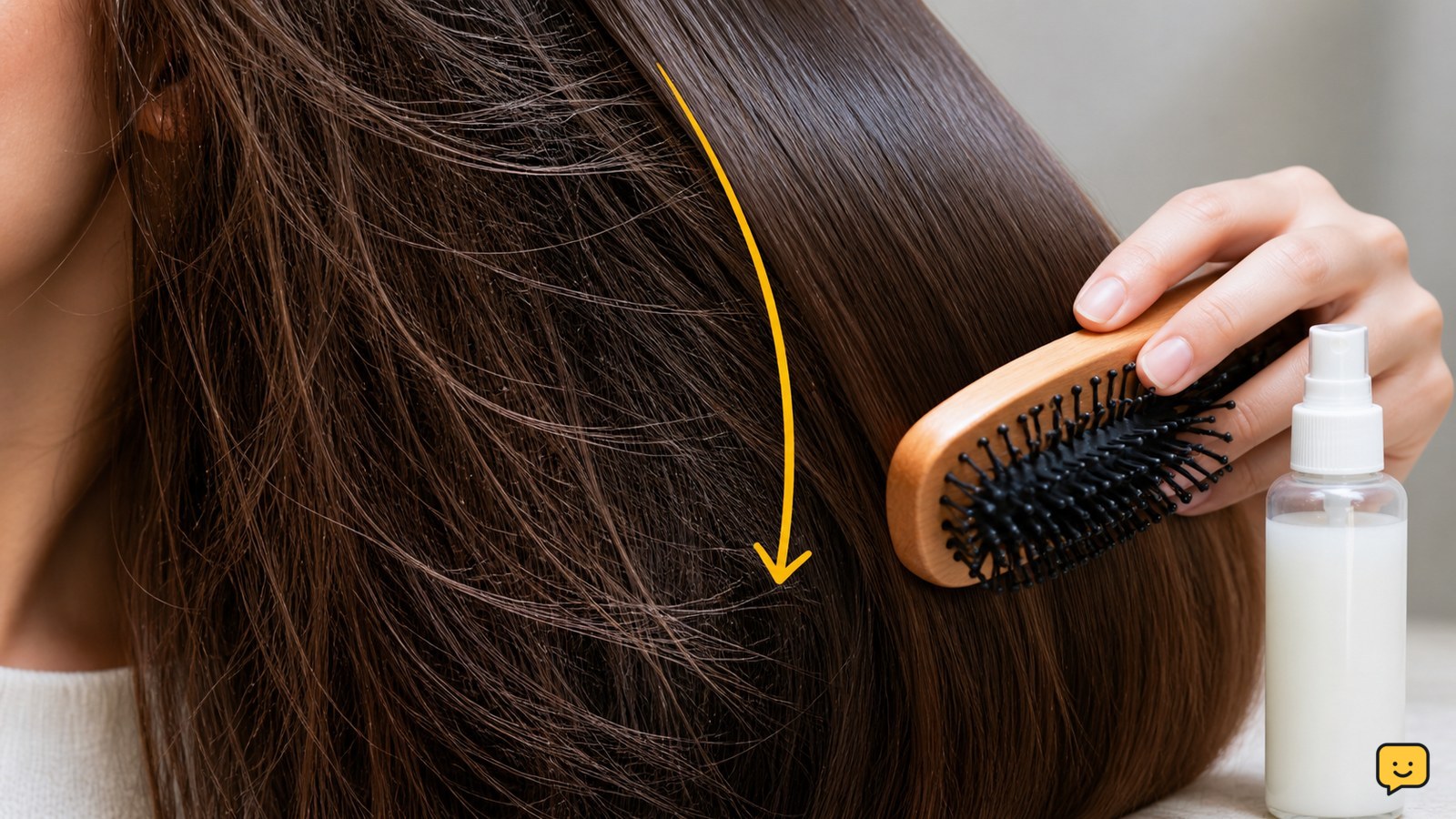
Gentle handling helps hair look denser by preserving the strands you already have. Wash according to how oily or dirty your scalp becomes, apply conditioner through the lengths, and detangle from the ends upward with a wide-tooth comb or similarly gentle tool.
- Blot wet hair instead of rubbing it vigorously with a towel.
- Wait until hair is partly dry before brushing when practical; Evo Hair identifies brushing wet hair as a habit that can make hair look less full.
- Keep hot tools at the lowest effective setting and avoid repeatedly heating the same section.
- Rotate tight ponytails, buns, braids and extensions with looser styles. Stop a style that causes scalp tenderness or pulling.
- Trim or protect visibly split ends so they do not continue splitting up the shaft.
After several weeks, a useful check is less snapping on your brush, fewer split ends and smoother-looking lengths. If hair becomes brittle despite gentler care, stop chemical or heat treatments and ask a stylist or clinician to help identify the cause.
Use conditioning or protein care without overloading the hair
A suitable conditioning treatment can make thin-looking hair appear smoother and fuller by reducing roughness and breakage. Ethique notes that protein supports hair structure, while Evo Hair recommends a protein-rich treatment as one option for improving the appearance of fullness.
Choose one treatment and follow its label directions rather than layering several intensive products. Apply it mainly where hair feels dry or damaged, then assess the result after a few uses. Hair that feels softer and stronger is responding well; hair that feels stiff, coated or more tangled needs less frequent treatment or a simpler conditioner.
Do not rely on castor oil, horse shampoo or similar internet recommendations as proven methods for increasing density. The supplied beauty-forum discussion is anecdotal, not reliable evidence of regrowth.
Support hair growth with food and a gentle scalp routine
A varied diet with adequate protein gives the body building material for hair, but food changes cannot guarantee thicker hair when shedding has another cause. Include regular protein sources and a broad range of foods rather than relying on a single ingredient or unverified supplement.
Scalp massage is an optional low-risk routine when performed gently. Use the pads of your fingers, not your nails, and massage without scratching or pulling for a few minutes. WebMD reports that small studies suggest regular head massage might help hair grow thicker, but also notes that more research is needed.
Massage is not appropriate over sores, an inflamed rash, painful areas or a scalp infection. Stop if redness, tenderness or flaking worsens.
Create visible fullness with low-damage styling choices
Styling can make hair look thicker immediately, but it changes appearance rather than follicle density. A shorter or fuller-shaped cut, a clean scalp and lightweight products can reduce the visual effect of flat or separated strands.
Try changing your part slightly, lifting the roots while blow-drying on a moderate setting, or using a small amount of a lightweight volumizing product. Apply product sparingly and keep heavy oils or waxes away from roots if they make hair lie flat. Photograph the result in the same lighting rather than judging it under changing bathroom lights.
If a volumizing product causes itching, flakes or greasy buildup that does not clear with normal washing, discontinue it and return to a simpler routine.
Verify progress and decide when to get help
Evaluate your routine by comparing photos and observing breakage, scalp comfort and shedding—not by expecting an overnight change. Keep the routine steady long enough to see whether hair feels stronger and looks fuller, while avoiding frequent product changes that make the cause harder to identify.
If there is no improvement in breakage after simplifying care, or if shedding continues, book an appointment with a healthcare professional or dermatologist. Bring a list of medicines, recent illnesses, major stressors, diet changes and new hair products. Persistent hair loss may need a cause-specific evaluation rather than another cosmetic treatment.
Frequently asked questions
Can scalp massage make hair thicker?
Scalp massage may help some people, but the evidence is limited. WebMD describes small studies suggesting regular massage might support thicker growth while noting that more research is needed. Use gentle fingertip pressure for a few minutes and stop over painful, inflamed or injured skin.
Do oils such as castor oil increase hair density?
There is not enough reliable evidence in the supplied sources to say that castor oil increases hair density. Oils may change shine or reduce a dry feeling, but they can also weigh hair down or irritate the scalp. Patch-test cautiously and stop if irritation develops.
Should I take supplements for thicker hair?
Not automatically. A balanced diet with adequate protein supports hair structure, but supplements may not correct the reason for shedding and excessive nutrients can cause harm. Ask a healthcare professional before taking high-dose products, especially if hair loss is sudden or persistent.
When should I see a healthcare professional about thinning hair?
Seek medical advice for sudden, patchy or rapidly increasing loss, scalp pain, sores, heavy scaling or shedding that continues despite gentle hair care. Also mention hair loss that follows a new medicine, major illness or significant diet change.
For more help with this topic, use the Grooming Personal Care guides.